
The outbreak, which began in early September 2023, has predominantly affected children under five years old, a demographic particularly vulnerable to the disease. Health officials have noted that many of the deceased were unvaccinated, highlighting the urgent need for increased immunization efforts, as explored further in our article on vaccine accessibility.
In response to the rising death toll, the Bangladeshi government has initiated emergency vaccination campaigns. These efforts aim to reach children in high-risk areas and ensure that they receive the measles vaccine, which is crucial for preventing further spread of the disease.
International health organizations are closely monitoring the situation, as measles is a highly contagious virus that can lead to severe complications. The current outbreak serves as a stark reminder of the importance of maintaining high vaccination coverage to protect vulnerable populations.
As the situation develops, community awareness and health education will play a vital role in controlling the outbreak and preventing future cases. The ongoing crisis underscores the need for sustained investment in public health initiatives to safeguard children’s health across Bangladesh.
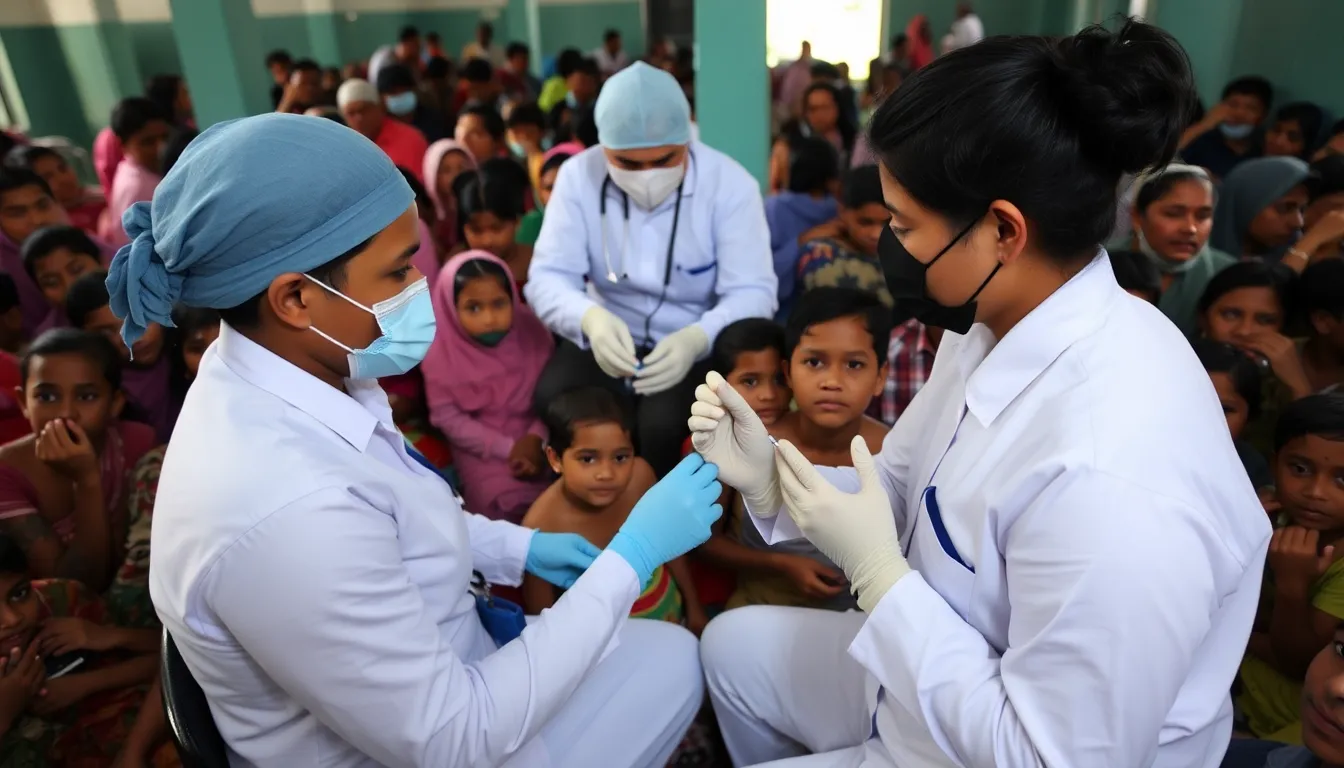
Understanding the background of measles outbreaks in Bangladesh
Measles, a highly contagious viral disease, has been a persistent public health challenge in Bangladesh for decades. Despite significant progress in vaccination efforts, the country has faced recurrent outbreaks, particularly in vulnerable communities where immunization coverage remains low. Historical factors, including political instability and economic challenges, have contributed to gaps in healthcare access, exacerbating the spread of preventable diseases like measles.
In the early 2000s, Bangladesh made substantial strides in reducing child mortality rates through enhanced vaccination programs. The introduction of the Expanded Programme on Immunization (EPI) aimed to provide widespread access to vaccines, including the measles vaccine. However, political turmoil and natural disasters, such as floods and cyclones, have disrupted healthcare services, leading to declines in vaccination rates during critical periods, which correlates with themes discussed in our piece about overcoming challenges in public health.
Recent Trends and Challenges
In recent years, misinformation about vaccines has also emerged as a significant barrier to immunization efforts. Social media platforms have facilitated the spread of anti-vaccine sentiments, leading to hesitancy among parents regarding the safety and necessity of vaccinations. This has resulted in lower vaccination rates, particularly in rural areas, where healthcare infrastructure is often lacking. The recent surge in measles cases, culminating in the tragic deaths of 100 children in just a month, highlights the urgent need for a comprehensive response to address these challenges.
The government, alongside international health organizations, has initiated emergency vaccination campaigns in response to the outbreak. These efforts aim to reach unvaccinated children and mitigate the impact of the disease. However, the situation underscores the importance of maintaining consistent vaccination programs and addressing the underlying social and economic factors that contribute to health disparities in Bangladesh.
Key stakeholders and issues surrounding the vaccination efforts
The recent outbreak of suspected measles in Bangladesh, resulting in the tragic deaths of 100 children in a month, has brought various stakeholders to the forefront of the vaccination efforts. Key actors include the Bangladeshi government, international health organizations, local healthcare providers, and the affected communities. Each of these stakeholders has distinct interests that influence their actions and responses to the crisis.
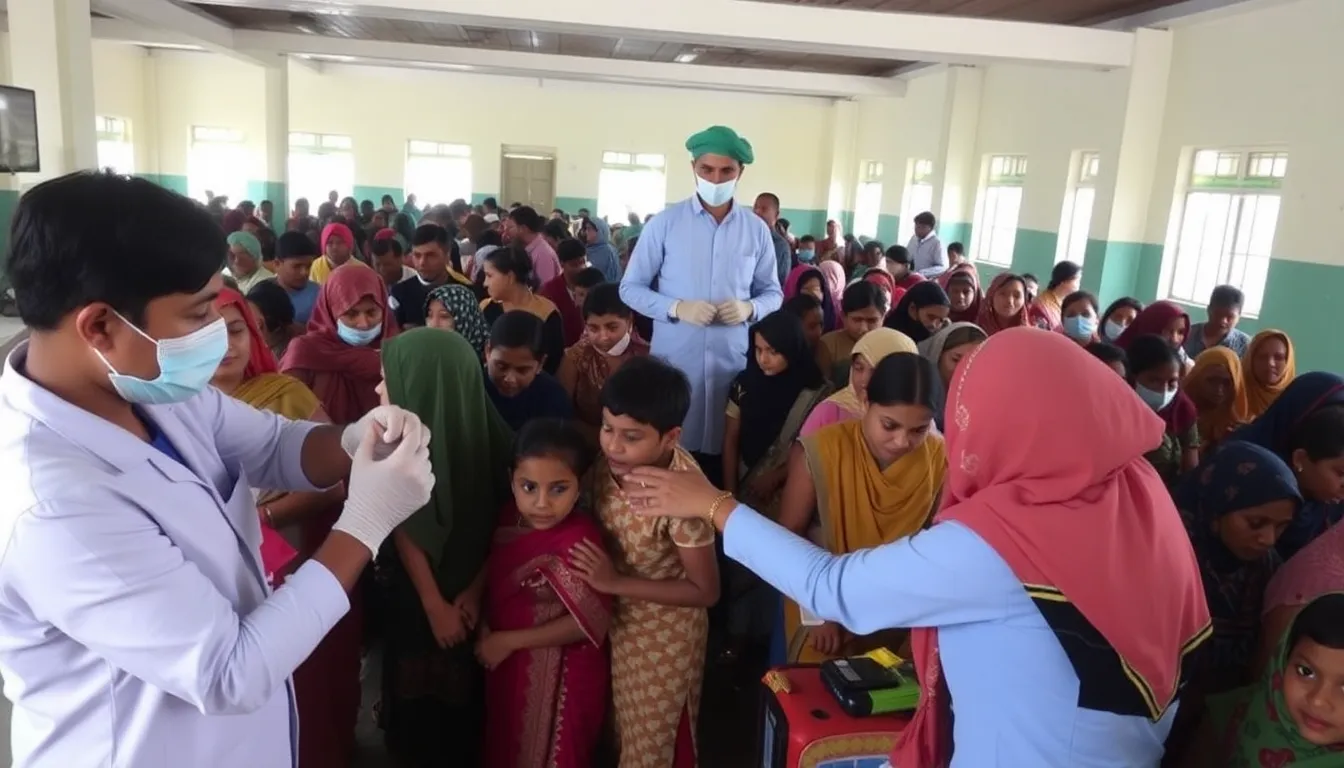
The Bangladeshi government is primarily concerned with public health and maintaining social stability. They aim to implement emergency vaccination campaigns to prevent further fatalities and restore public confidence in the healthcare system. However, logistical challenges, including vaccine supply and distribution, pose significant hurdles. Additionally, the government must navigate the political implications of the outbreak, as public dissatisfaction could impact their standing.
International health organizations, such as the World Health Organization (WHO) and UNICEF, play a critical role in supporting vaccination efforts. Their interests lie in ensuring global health security and preventing the spread of infectious diseases. They provide technical assistance, funding, and resources to enhance the effectiveness of vaccination campaigns, similar to how community efforts are outlined in promoting health education.
Local healthcare providers are essential in executing vaccination programs. They face the challenge of mobilizing communities and addressing vaccine hesitancy, which is often fueled by misinformation. Engaging with parents and caregivers to communicate the importance of vaccination is crucial. However, they may also encounter conflicts with local beliefs or practices that hinder vaccination efforts.
- Public Health Concerns: The urgent need to prevent further measles outbreaks and protect children’s health.
- Resource Allocation: Balancing the distribution of vaccines with other healthcare needs in the region.
- Community Engagement: Overcoming vaccine hesitancy and misinformation within local populations.
- Political Ramifications: Addressing public dissatisfaction and maintaining trust in government health initiatives.
- International Collaboration: Ensuring effective partnerships between local and global health organizations.
The impact of measles deaths on families and public health
The recent surge in measles cases resulting in the tragic deaths of over 100 children in Bangladesh has far-reaching implications for various groups, particularly families directly affected by the loss and the broader community grappling with public health challenges. The emotional toll on families is immense, as they face the grief of losing young children to a preventable disease, which can lead to long-term psychological impacts.
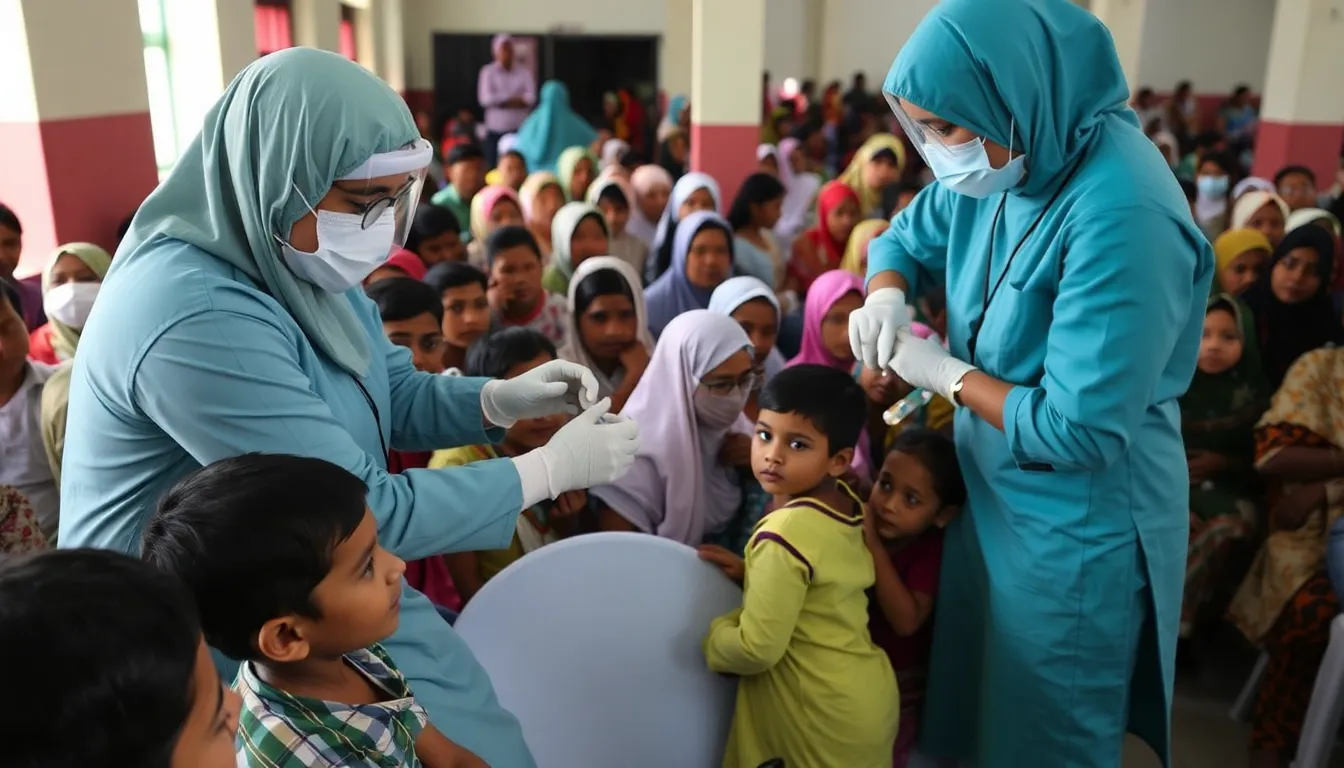
Public health officials and healthcare providers are under increased pressure to respond effectively to the outbreak. The need for emergency vaccinations highlights gaps in the healthcare system, particularly in rural areas where access to medical services is limited. This situation may prompt a reassessment of healthcare policies and funding, especially in immunization programs.
In the short term, the immediate impact on daily life includes increased fear and anxiety among parents regarding their children’s health. Schools may face temporary closures or heightened health protocols to prevent further spread, disrupting education. Businesses, particularly those related to childcare and education, may experience fluctuations in attendance and revenue as families prioritize health and safety.
- Increased demand for healthcare services and vaccinations.
- Potential for policy changes in public health funding and immunization strategies.
- Heightened awareness of the importance of vaccination among the general public.
In the mid-term, the crisis could lead to significant changes in public health policy, with a renewed focus on vaccination campaigns and disease prevention strategies. There may also be opportunities for local and international organizations to collaborate on health initiatives, improving infrastructure and access to healthcare in underserved regions. However, if not managed effectively, the outbreak could strain resources and lead to a resurgence of other preventable diseases, posing ongoing risks to public health.
A: Measles symptoms typically include high fever, cough, runny nose, and a distinctive rash. These symptoms usually appear 7 to 14 days after exposure. A: Measles can be prevented through vaccination. The measles, mumps, and rubella (MMR) vaccine is highly effective in preventing the disease. A: The outbreak may be attributed to low vaccination coverage, public health challenges, and misinformation about vaccines, leading to increased susceptibility among children. A: The government has initiated emergency vaccination campaigns and is working to raise awareness about the importance of immunization to combat the outbreak. A: Most people experience mild side effects, such as fever or rash. Serious side effects are rare, but the benefits of vaccination far outweigh the risks.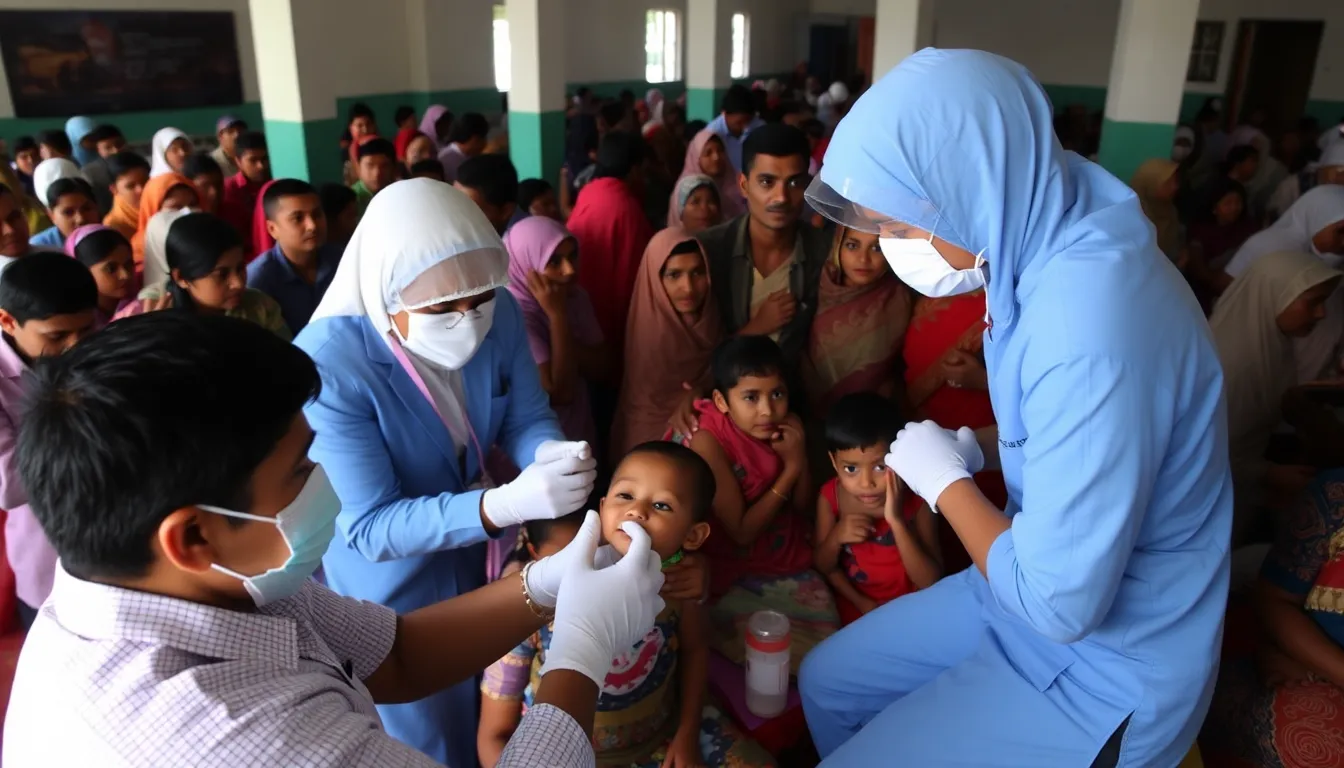
Frequently asked questions about the measles outbreak and vaccinations
Looking ahead: key points and future outlook on measles prevention
The recent spike in measles cases in Bangladesh, culminating in the tragic deaths of 100 children within a month, underscores the urgent need for enhanced vaccination efforts. The government’s decision to initiate emergency vaccinations is a critical step, but it highlights broader systemic issues in public health infrastructure, access to vaccines, and community awareness. Addressing these challenges will be essential to prevent further outbreaks and protect vulnerable populations.
As the situation evolves, it is vital to monitor the effectiveness of the emergency vaccination campaign and its impact on community health. Continued collaboration between health authorities, international organizations, and local communities will be necessary to build a resilient healthcare framework capable of responding to future health crises.
- Strengthening vaccination programs: Ensuring consistent access to vaccines through schools and community health centers will be crucial in preventing future outbreaks.
- Enhancing public awareness: Educational campaigns about the importance of vaccinations can help combat misinformation and increase community participation.
- Monitoring and reporting: Establishing robust surveillance systems to track measles cases will allow for quicker responses and targeted interventions.
- International collaboration: Engaging with global health organizations can provide essential resources and expertise to bolster local health initiatives.
- Addressing healthcare disparities: Focusing on underserved areas and populations will be key to ensuring equitable access to preventive healthcare services.