
The Hungarian Counter-Terrorism Center (TEK) stated that they have received credible intelligence regarding a potential attack aimed at the gas infrastructure, which is crucial for the country’s energy supply. For insights into more global energy issues, check out this article. Officials have not disclosed specific details about the suspects or their affiliations, but they emphasized the seriousness of the threat.
This situation is particularly significant given Hungary’s reliance on imported gas, especially from Russia. The potential disruption of gas supplies could have severe implications for both the economy and the populace, particularly during the winter months when demand peaks. For a broader discussion on energy and economic impacts, you might find this article interesting.
In response to the allegations, the government has ramped up security measures around critical infrastructure. Political analysts suggest that the timing of this announcement may influence voter sentiment ahead of the elections, as the ruling party seeks to portray itself as a protector of national interests.
Understanding the political climate leading to the allegations
The recent allegations by Hungary regarding a purported plot to blow up a gas pipeline come against a backdrop of heightened political tensions in Europe. As countries grapple with energy security in the wake of the ongoing conflict in Ukraine, Hungary’s political landscape has been increasingly influenced by external pressures and internal dissent. The government, led by Prime Minister Viktor Orbán, has faced scrutiny over its energy policies and relations with Russia, particularly as Europe seeks to reduce its dependence on Russian gas. For more on energy relationships, read about Hungary’s dramatic geopolitical surroundings in this article.
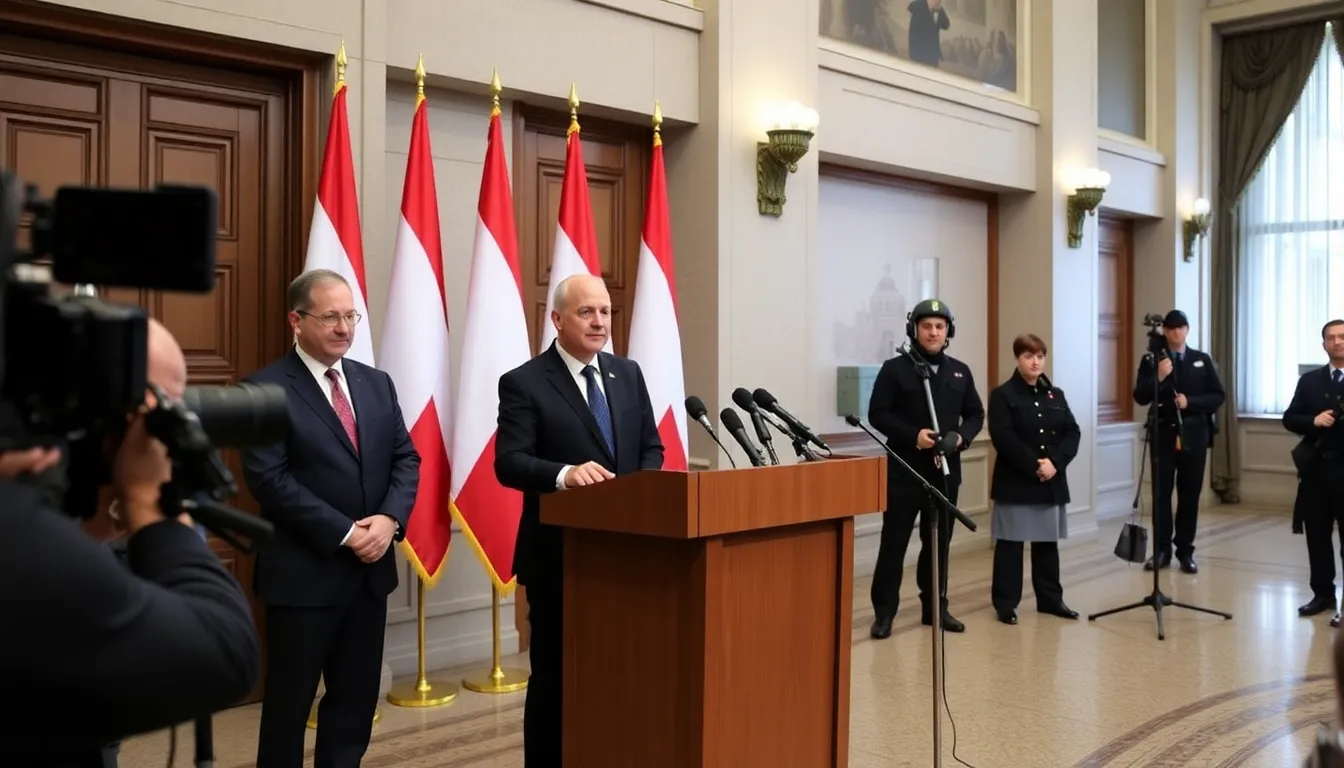
Historically, Hungary has maintained a complex relationship with Russia, balancing economic interests with the need for European solidarity. This relationship has been tested in recent years, especially after the annexation of Crimea in 2014 and the subsequent sanctions imposed by the EU. As Hungary relies significantly on Russian gas for its energy needs, the government has often found itself at odds with EU directives aimed at diversifying energy sources and reducing reliance on Moscow.
The allegations of a gas pipeline attack come just ahead of Hungary’s upcoming elections, where issues of national security and energy management are likely to be pivotal. The ruling Fidesz party has been accused of using external threats to galvanize support and distract from domestic issues, including corruption and economic challenges. The timing of these allegations raises questions about their authenticity and the potential motivations behind them.
Key milestones in Hungary’s energy policy
In recent years, Hungary has taken several significant steps regarding its energy policy that have shaped the current situation. In 2020, Hungary signed a long-term gas supply agreement with Russia, which was met with criticism from both opposition parties and EU officials. This agreement, coupled with Hungary’s participation in various regional energy projects, has positioned the country as a critical player in Central Europe’s energy landscape. However, it has also drawn scrutiny regarding Hungary’s commitment to EU energy diversification goals, further complicating its political standing ahead of the elections.
Examining the implications for stakeholders in Hungary
The recent allegations by Hungary regarding a plot to blow up a gas pipeline ahead of the upcoming elections have raised significant concerns among various stakeholders. These include the Hungarian government, opposition parties, energy companies, and the European Union. Each of these actors has distinct interests that could be affected by the unfolding situation.
The Hungarian government, led by Prime Minister Viktor Orbán, is likely motivated by both national security and political stability. By framing the alleged plot as a threat to national security, the government may seek to rally public support and distract from domestic issues, such as economic challenges and political dissent. This narrative could be particularly advantageous in the context of an election, where maintaining a strong image is crucial.
Opposition parties, on the other hand, may view these allegations as an opportunity to critique the government’s handling of security and governance. They could argue that the administration is using fear tactics to manipulate public perception and suppress dissent. This creates a potential conflict where the government’s narrative may overshadow legitimate concerns regarding transparency and accountability.
- Energy companies have a vested interest in pipeline security, as any disruption could impact supply chains and profitability.
- The European Union is concerned about regional stability and energy security, as Hungary’s allegations could strain diplomatic relations with neighboring countries.
- Local communities may be affected by heightened security measures and the potential for increased military presence in their areas.
- International observers will closely monitor the situation to assess its implications for democratic processes in Hungary.
Key legal issues may arise as the government investigates the alleged plot, particularly concerning civil liberties and the right to protest. Economic considerations also play a role, as any perceived instability could deter foreign investment and impact Hungary’s economic recovery post-pandemic. The interplay of these factors will be critical in shaping the broader narrative surrounding the elections and Hungary’s future direction.
Potential repercussions for the energy market and citizens
The recent allegations in Hungary regarding a plot to blow up a gas pipeline have raised concerns across various sectors. Energy companies, local governments, and citizens are among the primary groups affected. The potential disruption of gas supplies could lead to immediate consequences for households and businesses that rely on natural gas for heating, cooking, and industrial processes.
In the short term, there may be increased anxiety among consumers and businesses, leading to a surge in gas prices as supply chains are scrutinized. Citizens could experience fluctuations in energy costs and potential shortages, particularly during the colder months when demand is typically higher. This scenario could strain household budgets and force businesses to reconsider their operational costs.
Mid-term impacts could involve shifts in energy policy as the government may prioritize national security measures and energy independence. This could lead to increased investments in alternative energy sources and infrastructure, creating opportunities for renewable energy companies. Moreover, a heightened focus on security may also result in regulatory changes aimed at bolstering pipeline protections and emergency response protocols.

- Risks: Increased energy prices, potential shortages, and economic strain on households.
- Opportunities: Growth in renewable energy investments and enhanced security measures in the energy sector.
- Policy shifts: Potential for new regulations focusing on energy independence and infrastructure security.
Regional impacts may vary, with areas more reliant on gas imports facing greater challenges. The situation could also influence Hungary’s relationships with neighboring countries, particularly those involved in energy transit routes. Ultimately, the unfolding events underscore the interconnectedness of energy security, economic stability, and political dynamics in the region.
A: Authorities in Hungary reported that there were credible threats to blow up a key gas pipeline, which could disrupt energy supplies. A: The government has not disclosed specific names but indicated that the suspects may have political motivations related to the upcoming elections. A: If the plot were to succeed, it could severely impact energy security in Hungary, leading to shortages and increased prices. A: The Hungarian government has ramped up security around critical infrastructure and is investigating the claims thoroughly. A: Citizens are expressing concern over their safety and the stability of energy supplies, particularly as elections approach.
Frequently asked questions about the alleged plot
Key takeaways and future outlook on the situation
The recent allegations by Hungary regarding a purported plot to blow up a gas pipeline ahead of the upcoming elections highlight the intersection of energy security and political stability in the region. As tensions rise, the implications for both domestic and international stakeholders are significant. The situation underscores the need for vigilance in energy infrastructure protection and the potential influence of geopolitical dynamics on local electoral processes.
Looking ahead, the unfolding events may reshape public perception of security issues in Hungary, impacting voter sentiment and possibly altering the electoral landscape. Observers should closely monitor how the government responds to these allegations and whether they will lead to increased security measures or diplomatic engagements with neighboring countries.
- Increased scrutiny on energy infrastructure security may lead to enhanced protective measures across Europe.
- Political ramifications could emerge, influencing voter behavior and party strategies in the upcoming elections.
- Potential for heightened tensions with neighboring countries, affecting regional cooperation on energy and security issues.
- International stakeholders may reassess their energy partnerships with Hungary in light of these developments.
- Media coverage and public discourse surrounding the allegations could amplify concerns over national security and foreign interference.