
The Spanish government, along with agricultural organizations, is actively working to implement biosecurity measures to protect the nation’s pig population. These measures include stricter controls on animal movement and enhanced surveillance in affected regions, which reflect a broader commitment to animal health crises in Europe. The urgency of these actions is underscored by the fact that Spain is the top exporter of pork in the European Union, contributing billions to the national economy.
Recent reports indicate that the Spanish pork sector has seen a decline in exports as international markets become wary of the ASF threat. Countries such as China, which is a significant importer of Spanish pork, have begun to impose stricter import regulations. This shift could have dire economic implications for Spanish farmers, especially those reliant on exports for their livelihoods.
In response to the escalating crisis, industry leaders are calling for increased government support and funding for research into ASF prevention and control, highlighting the importance of collaboration in managing animal health crises. They argue that without immediate action, the long-term viability of Spain’s pork industry could be at risk. As the situation develops, stakeholders are closely monitoring the effectiveness of the measures being implemented to safeguard against this devastating disease.
Background on Spain’s pork industry and swine fever
Spain’s pork industry has grown to become one of the largest in Europe, with the country ranking as the top producer of pork in the European Union. This significant position has been bolstered by a combination of favorable climate conditions, advancements in breeding techniques, and a strong export market, particularly to countries like China and Japan. The industry contributes substantially to Spain’s economy, providing thousands of jobs and generating billions of euros in revenue annually.
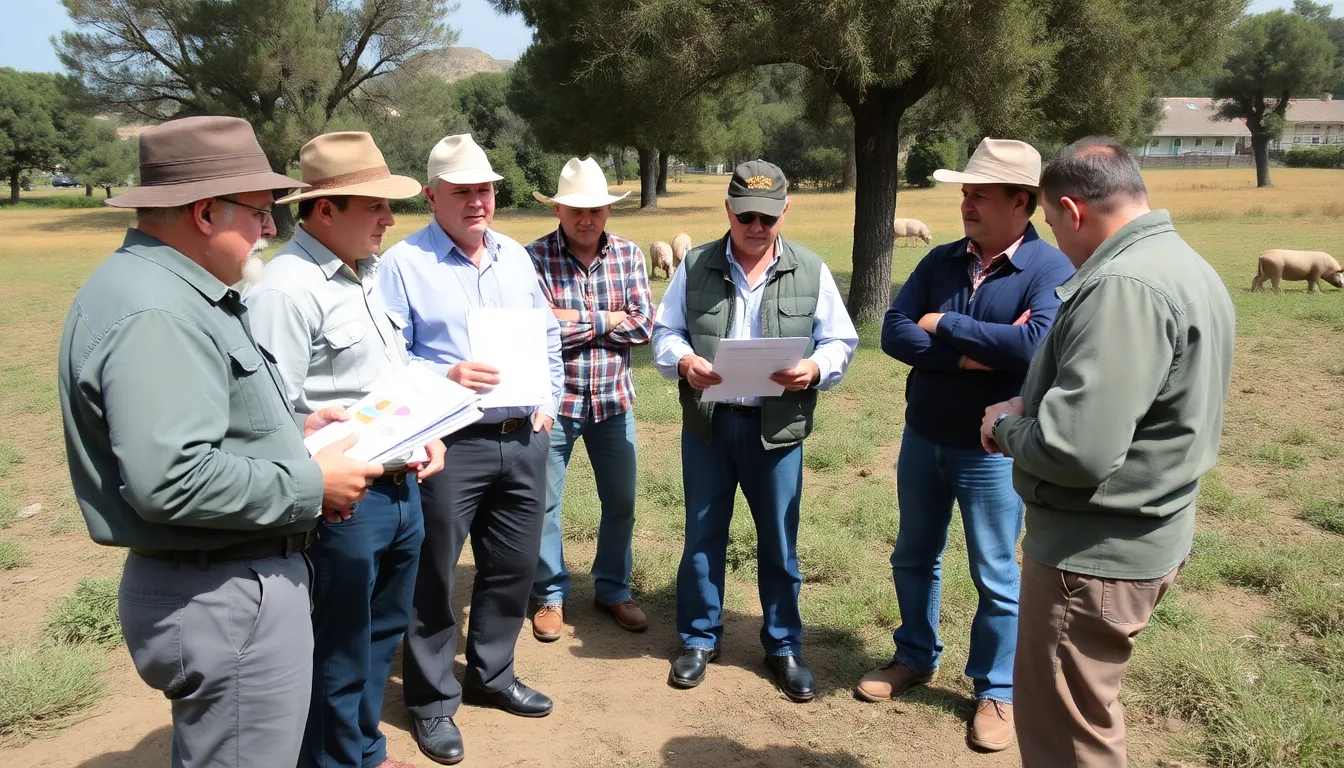
However, the industry faces a formidable threat from African Swine Fever (ASF), a highly contagious viral disease that affects domestic and wild pigs. First detected in Europe in the early 2000s, ASF has caused widespread devastation in several countries, leading to massive culling of infected herds. The disease does not pose a risk to human health, but its economic impact on the pork sector can be catastrophic, leading to severe market disruptions and loss of consumer confidence.
The rise of African Swine Fever
The emergence of ASF in Europe has been alarming for Spain’s pork producers. In 2018, the disease spread rapidly through Eastern Europe, prompting fears that it could reach Western Europe. Spain, with its extensive pig farming operations, is particularly vulnerable. The Spanish government and industry stakeholders have implemented various biosecurity measures to prevent the introduction and spread of the virus, but the threat remains ever-present.
Historically, Spain has dealt with animal health crises, such as the foot-and-mouth disease outbreak in the early 2000s. These past experiences have shaped current responses to ASF, emphasizing the need for robust monitoring and rapid response systems, similar to the efforts highlighted in recent health crises globally. The collaboration between government agencies, farmers, and veterinarians is crucial in mitigating the risks posed by swine fever, as the industry seeks to navigate this challenging landscape while safeguarding its economic viability.
Key stakeholders and issues in the pork industry
The Spanish pork industry is a significant player in both the national and European agricultural sectors, involving various stakeholders with differing interests. Key actors include farmers, meat processing companies, government agencies, and consumer groups. Each has a unique stake in the industry’s future, particularly in light of the looming threat posed by African swine fever (ASF).
Farmers are at the forefront, as they directly depend on the health of their livestock and the profitability of pork production. They are concerned about the potential for ASF outbreaks, which could devastate herds and lead to significant financial losses. Processing companies, which rely on a steady supply of healthy pigs, share similar concerns but also have a vested interest in maintaining consumer confidence in pork products.
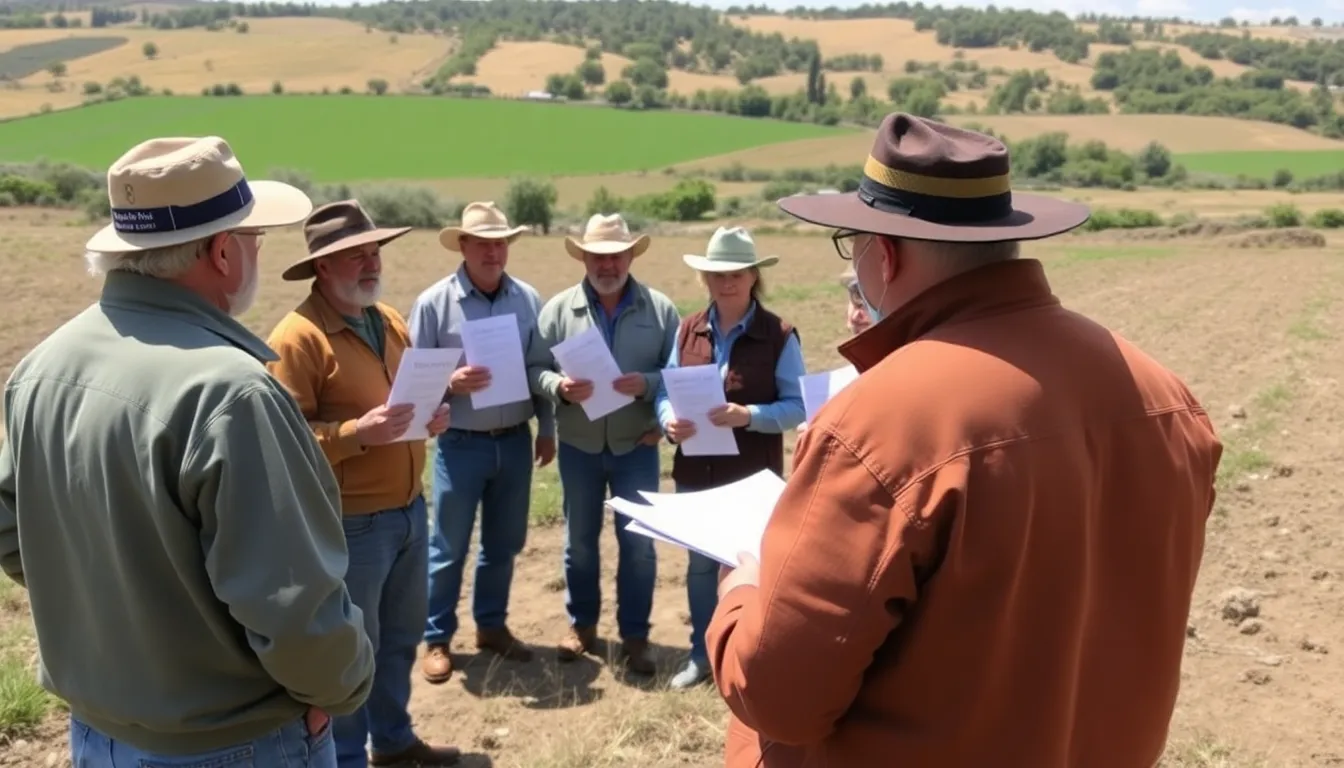
Government agencies play a crucial role in regulating the industry and implementing biosecurity measures to prevent ASF from spreading. Their interests often clash with those of farmers and businesses, particularly when it comes to imposing strict regulations that may increase operational costs. Additionally, consumer groups advocate for food safety and animal welfare, adding another layer of complexity to the situation.
- Biosecurity measures: The implementation of stringent biosecurity protocols is essential for preventing ASF outbreaks, but can be costly for farmers.
- Market access: Export markets are vital for the Spanish pork industry, and any ASF-related restrictions could jeopardize these opportunities.
- Consumer perception: Ensuring the public’s trust in the safety of pork products is critical, especially in the face of potential disease outbreaks.
- Economic impact: The financial implications of ASF could extend beyond individual farmers to affect the broader economy, including employment in related sectors.
- Legal frameworks: Existing laws and regulations around animal health and food safety may need to be revisited to effectively address the ASF threat.
As the industry grapples with these challenges, the interplay between these stakeholders will be crucial in shaping the future of Spain’s pork sector. Balancing the interests of farmers, businesses, and consumers, while effectively managing the ASF threat, presents a complex landscape that requires careful navigation and collaboration among all parties involved.
Impact of swine fever on farmers and the market
The outbreak of African swine fever (ASF) poses a significant threat to Spain’s extensive pork industry, which is one of the largest in Europe. Farmers, particularly in regions such as Castilla y León and Extremadura, are on high alert as the disease can decimate pig populations, leading to substantial economic losses. The immediate impact is felt most acutely by small and medium-sized farms, which may lack the resources to withstand prolonged disruptions.
In the short term, the fear of ASF outbreaks can lead to increased market volatility. Prices for pork products may rise due to supply concerns, affecting consumers and businesses reliant on pork as a staple. Additionally, export markets could close to Spanish pork products, further straining the industry. Farmers may face the difficult decision of culling healthy animals to prevent disease spread, resulting in emotional and financial turmoil.
In the mid-term, the situation may prompt changes in agricultural policy and biosecurity measures. The government may introduce stricter regulations on pig farming practices to prevent the spread of ASF, which could increase operational costs for farmers. However, these measures could also lead to improved farming standards and practices, potentially benefiting the industry in the long run.
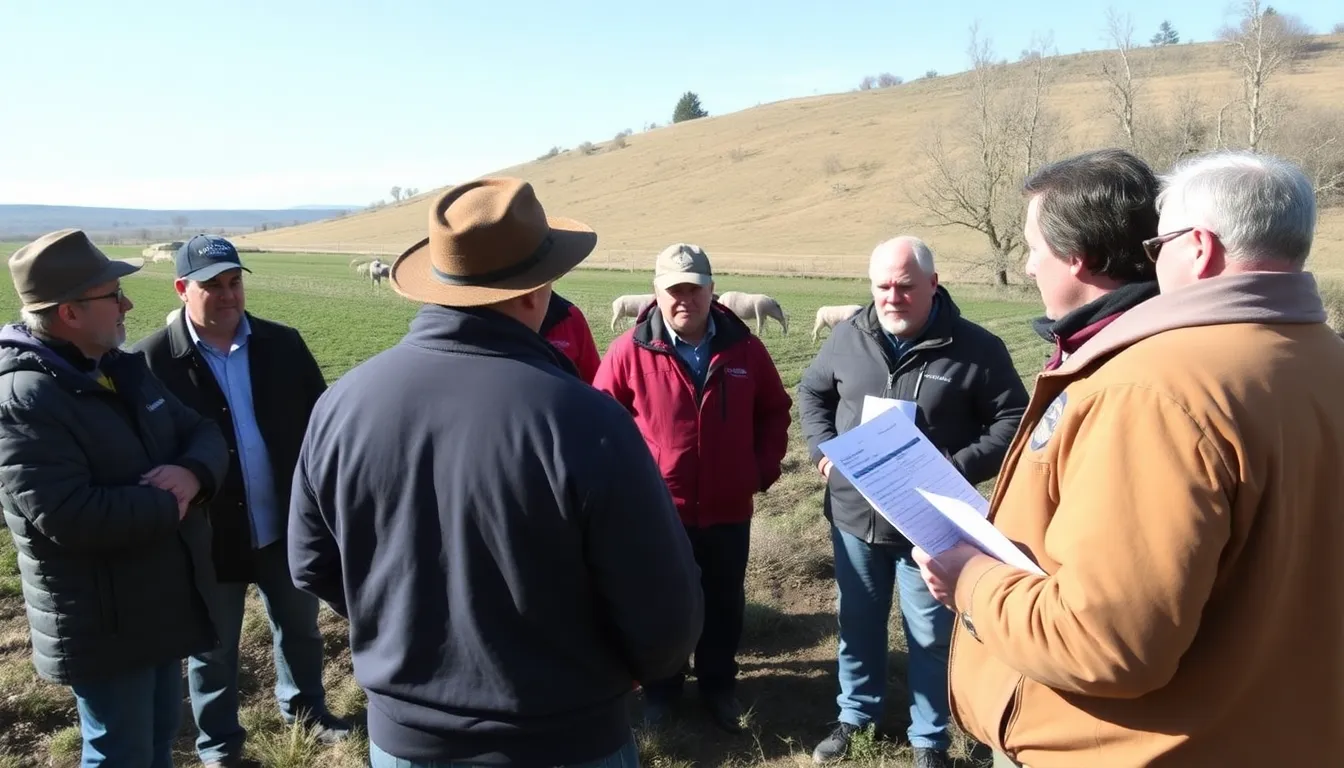
- Farmers facing economic strain due to culling and decreased market access.
- Increased pork prices affecting consumers and related businesses.
- Potential for enhanced biosecurity measures leading to better industry practices.
- Opportunities for innovation in disease management and alternative protein sources.
While the risks are significant, there are also opportunities for the pork industry to adapt. Innovations in disease management, such as vaccine development and improved biosecurity protocols, could emerge as key areas of focus. Additionally, there may be a growing interest in alternative protein sources, prompting diversification within the agricultural sector.
A: Swine fever, also known as African swine fever, is a highly contagious viral disease that affects domestic and wild pigs. It can lead to high mortality rates among infected pigs and poses a significant threat to the pork industry. A: The industry is implementing biosecurity measures, increasing surveillance, and working closely with government authorities to prevent the spread of the disease. These efforts aim to protect both livestock and the economic stability of the sector. A: The economic impacts could be severe, including loss of livestock, decreased pork production, and potential trade restrictions. This could lead to higher prices for consumers and significant financial losses for farmers. A: Currently, there is no effective vaccine for African swine fever, making prevention through biosecurity the primary strategy for managing outbreaks. A: Consumers can support local farmers by purchasing pork products from reputable sources and advocating for policies that protect the industry. Awareness and education about the situation can also help.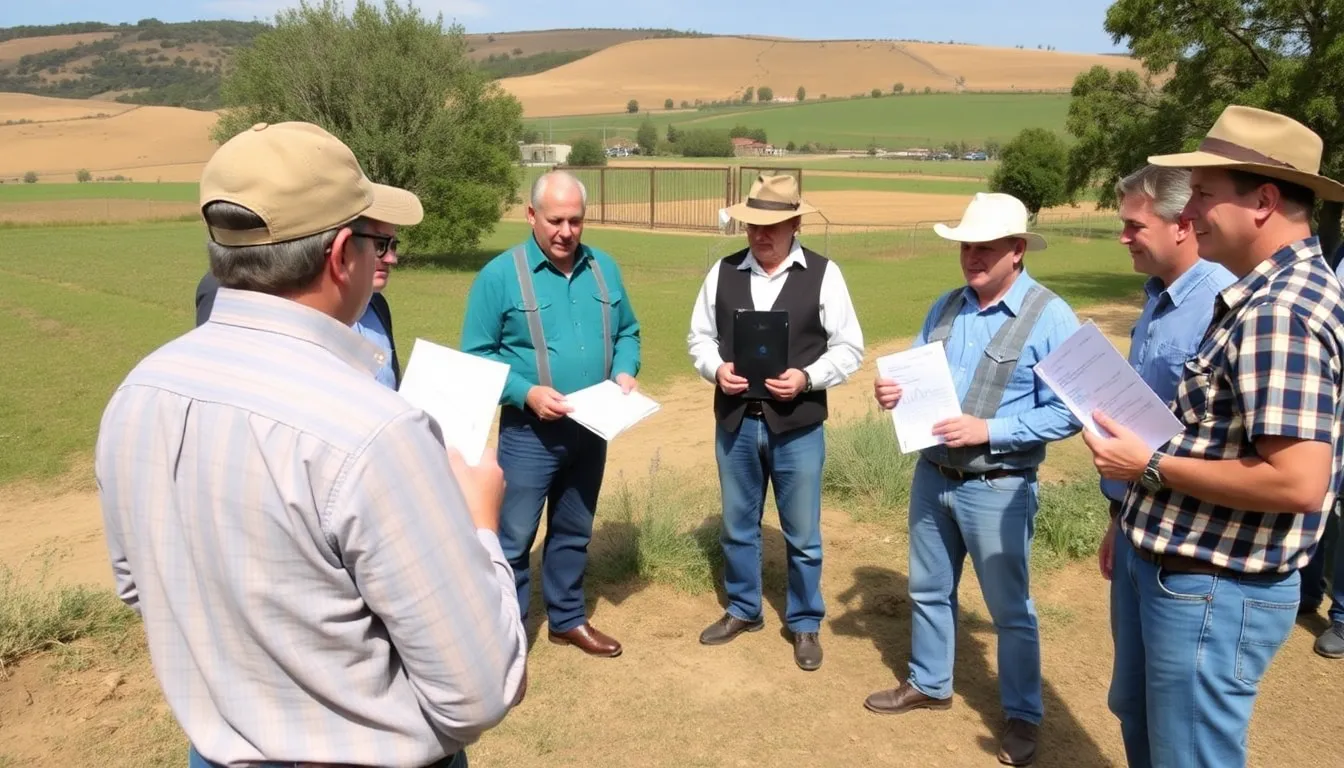
Frequently asked questions about swine fever and the pork industry
Future outlook for Spain’s pork industry amidst swine fever
The threat of African swine fever (ASF) looms large over Spain’s robust pork industry, which is one of the largest in Europe. As producers grapple with potential outbreaks, the focus shifts to implementing stringent biosecurity measures and diversifying supply chains to mitigate risks. The industry’s resilience will be tested as it seeks to maintain both domestic and international market stability amidst these challenges.
Looking ahead, stakeholders must remain vigilant and proactive in addressing the evolving landscape shaped by swine fever. The integration of technology and enhanced health protocols will play a crucial role in safeguarding the sector’s future while ensuring consumer confidence remains intact.
- Monitoring and adapting biosecurity protocols will be essential to prevent ASF outbreaks.
- Diversifying export markets can help cushion the industry against localized disruptions.
- Investment in research and technology will be critical for developing effective disease management strategies.
- Collaboration between government and industry stakeholders will enhance preparedness and response efforts.
- Consumer education on pork safety and health may strengthen market demand in uncertain times.