
The early days of Apple were marked by groundbreaking products such as the Apple I and Apple II, which revolutionized personal computing. The employee recalls the excitement and uncertainty of working in a start-up environment, where every team member’s contribution was vital. This period laid the groundwork for future innovations, including the Macintosh and the iPhone, which have since redefined technology and user experience.
Today, Apple stands as one of the most valuable companies in the world, with a market capitalization exceeding $2 trillion. The insights from early employees provide a unique perspective on the company’s evolution and the enduring impact of its original vision. Their stories remind us that the success of Apple is not solely attributed to its products, but also to the passion and creativity of those who believed in its potential from the very beginning, highlighting the importance of Apple’s pioneering culture.
As the tech industry continues to evolve, the lessons learned from Apple’s history remain relevant. The emphasis on innovation, collaboration, and a commitment to excellence are principles that guide the company today. Understanding the experiences of early employees helps to contextualize Apple’s current strategies and its ongoing influence in shaping the future of technology.
The beginnings of Apple and its first employees
In the mid-1970s, a technological revolution was underway, driven by the advent of personal computing. At this pivotal moment, two young visionaries, Steve Jobs and Steve Wozniak, came together to create Apple Computer, Inc. in 1976. Their vision was to make computers accessible to the average person, a radical idea at a time when computers were primarily used by corporations and universities. This initiative not only marked the birth of a tech giant but also set the stage for the personal computer era that would transform the way people interacted with technology, a narrative explored further in related discussions.

Apple’s first employees were instrumental in shaping the company’s early culture and technological innovations. Among them was a small group of engineers and designers who shared Jobs and Wozniak’s vision. These pioneers worked tirelessly in a garage in Cupertino, California, where they developed the Apple I, the company’s first product. This groundbreaking computer was among the first to feature a single circuit board and a keyboard, making it user-friendly and appealing to hobbyists and early adopters.
As Apple grew, so did the challenges it faced. The company launched the Apple II in 1977, which became a commercial success and solidified Apple’s position in the burgeoning computer market. This model introduced color graphics and an open architecture, allowing third-party developers to create software for the platform. The success of the Apple II not only fueled the company’s growth but also attracted talented individuals who would go on to play significant roles in the tech industry.
Key Milestones in Apple’s History
Throughout the years, Apple has experienced numerous milestones that have defined its trajectory. The introduction of the Macintosh in 1984 revolutionized personal computing with its graphical user interface, making computers more intuitive for users. However, the company faced difficulties in the late 1980s and early 1990s, leading to leadership changes and a struggle to maintain market relevance.
In 1997, the return of Steve Jobs marked a significant turning point for Apple. Under his leadership, the company refocused on innovation and design, leading to the launch of iconic products such as the iMac, iPod, iPhone, and iPad. Each of these products not only transformed the company but also reshaped entire industries, illustrating the profound impact that Apple’s first employees and their pioneering spirit had on the technology landscape.
Key contributions and challenges faced by early Apple employees
The early employees of Apple played a crucial role in shaping the company into a technology giant. Their contributions went beyond mere technical skills; they were instrumental in fostering a culture of innovation and collaboration that defined the early years of the organization. These individuals, often driven by a shared vision of revolutionizing personal computing, faced numerous challenges that tested their resolve and commitment.
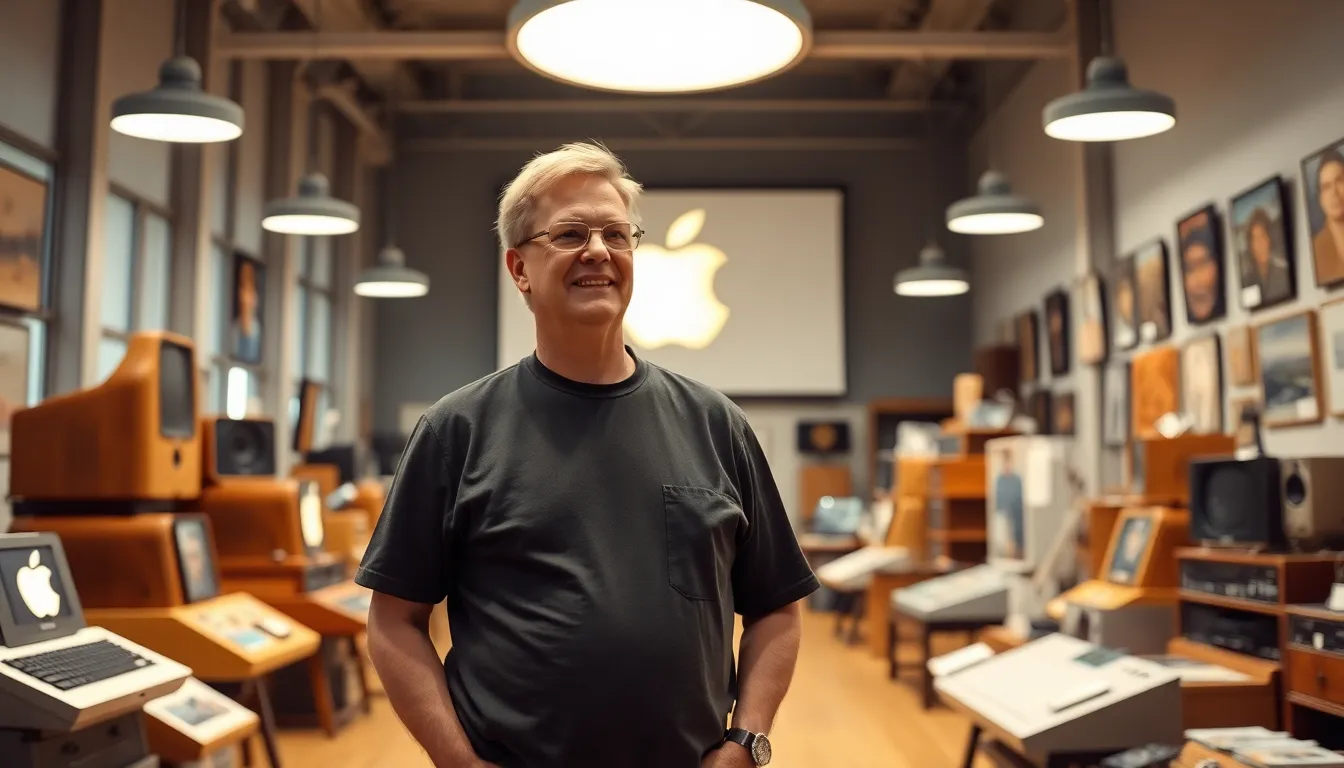
One of the main actors in this narrative is Steve Jobs, co-founder of Apple. His visionary leadership and insistence on high-quality design and functionality were pivotal in the development of groundbreaking products like the Apple II and Macintosh. However, Jobs’ demanding nature often led to conflicts within the team, creating a high-pressure environment that not all employees thrived in.
Another key player is Steve Wozniak, the technical genius behind many of Apple’s early innovations. Wozniak’s passion for engineering and his collaborative spirit contributed significantly to the company’s success. However, his contrasting approach to Jobs’ management style led to differing visions for the company’s future, highlighting the trade-offs between creativity and commercial viability.
- Innovation vs. Commercialization: The balance between pursuing groundbreaking ideas and ensuring financial sustainability was a constant tension.
- Team Dynamics: Conflicts arising from differing personalities and work ethics shaped the company’s culture and affected employee retention.
- Legal Issues: Early partnerships and agreements sometimes led to disputes over intellectual property and ownership of innovations.
- Market Competition: The rapid evolution of the tech industry created pressure to continuously innovate, leading to strategic shifts that sometimes alienated early supporters.
As Apple grew, the interests of various stakeholders began to diverge. Investors sought rapid returns, while employees were often more focused on the intrinsic rewards of creativity and innovation. This divergence sometimes led to difficult decisions regarding product direction and company strategy, reflecting the broader economic pressures faced by tech companies during periods of rapid growth.
How early employees shaped the tech landscape
The legacy of Apple’s early employees extends far beyond the company itself, influencing various groups and industries worldwide. Tech enthusiasts, entrepreneurs, and educational institutions are among those most affected by the innovations and culture fostered by Apple’s founding team. Additionally, regions with a strong tech presence, such as Silicon Valley, continue to feel the impact of the foundational work laid by these pioneers.
In the short term, the reminiscences of Apple’s early employees can spark renewed interest in entrepreneurship and innovation among aspiring tech leaders. This could lead to a surge in startup activity, particularly in the tech sector, as individuals seek to emulate the success of Apple. Furthermore, the stories shared may inspire educational programs focused on technology and entrepreneurship, influencing curriculum development in schools and universities.

In the mid-term, businesses may adapt their strategies to incorporate lessons learned from Apple’s early days, focusing on design thinking, user experience, and innovation culture. This shift could lead to enhanced product offerings across various industries, from consumer electronics to software development. However, there are risks associated with this shift; companies may struggle to balance innovation with sustainability, or they may overlook the importance of inclusivity in tech development.
- Short-term opportunities: Increased interest in tech entrepreneurship and innovation.
- Mid-term impacts: Changes in business strategies emphasizing design and user experience.
- Risks: Potential neglect of sustainability and inclusivity in tech advancements.
Overall, the narratives from Apple’s early employees serve as a reminder of the profound influence that a small group of visionaries can have on the future of technology and society at large. As their stories continue to inspire, the ripple effects will likely be felt across various sectors and demographics for years to come.
A: The initial vision of Apple was to create user-friendly personal computers that would revolutionize technology and make it accessible to everyone. A: Early employees played crucial roles in product development, marketing, and establishing the company’s culture, which laid the groundwork for Apple’s future innovations. A: Apple faced numerous challenges including intense competition, financial difficulties, and the need to constantly innovate to stay relevant in a rapidly evolving market. A: Apple’s approach has evolved from focusing solely on hardware to integrating software and services, creating a comprehensive ecosystem that enhances user experience. A: The impact of Apple’s first employees is profound, as their pioneering work set standards for design, functionality, and user engagement that many tech companies still follow today.
Frequently Asked Questions about Apple’s early days
Looking ahead: The future of Apple’s legacy
Reflecting on the journey of one of Apple’s first employees offers valuable insights into the company’s evolution and its impact on technology and culture. As Apple continues to innovate and expand its influence, understanding the foundational principles that guided its early days can inform future developments. The lessons learned from the past can help shape a vision for a more sustainable and inclusive technological landscape.
As we look to the future, it is crucial to consider how Apple’s legacy will adapt to emerging challenges and opportunities in the tech industry. The company’s commitment to innovation, user experience, and corporate responsibility will play a significant role in its ongoing relevance in a rapidly changing world.
- Innovation Continuity: The emphasis on continuous innovation will be vital as Apple navigates new technological frontiers, such as artificial intelligence and augmented reality.
- Corporate Responsibility: Expect an increasing focus on sustainability and ethical practices, reflecting a growing consumer demand for corporate accountability.
- User Experience Evolution: Enhancements in user experience will remain a cornerstone of Apple’s strategy, with a potential shift towards more personalized and integrated solutions.
- Global Market Expansion: Watch for Apple’s efforts to penetrate emerging markets, adapting its products and services to diverse cultural and economic landscapes.
- Community Engagement: Increased engagement with developer communities and educational initiatives could foster innovation and broaden Apple’s ecosystem.