
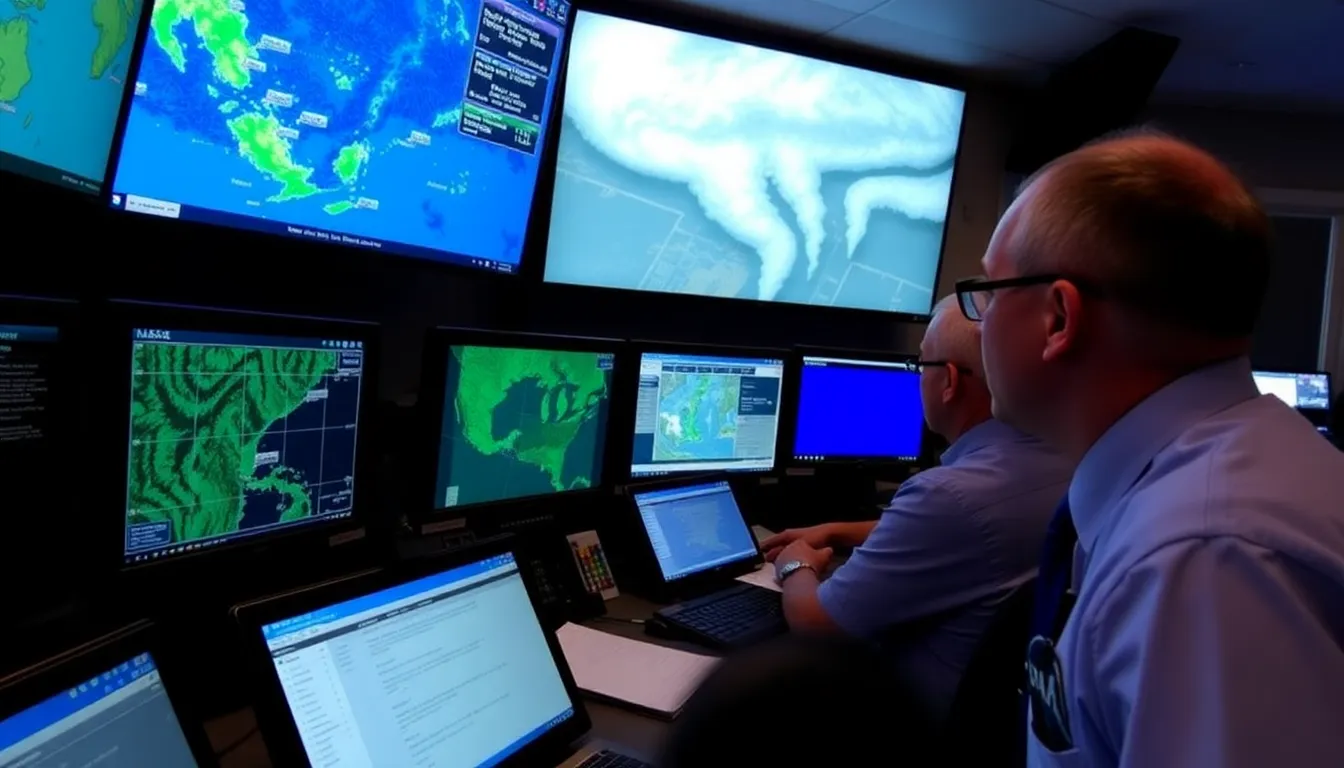
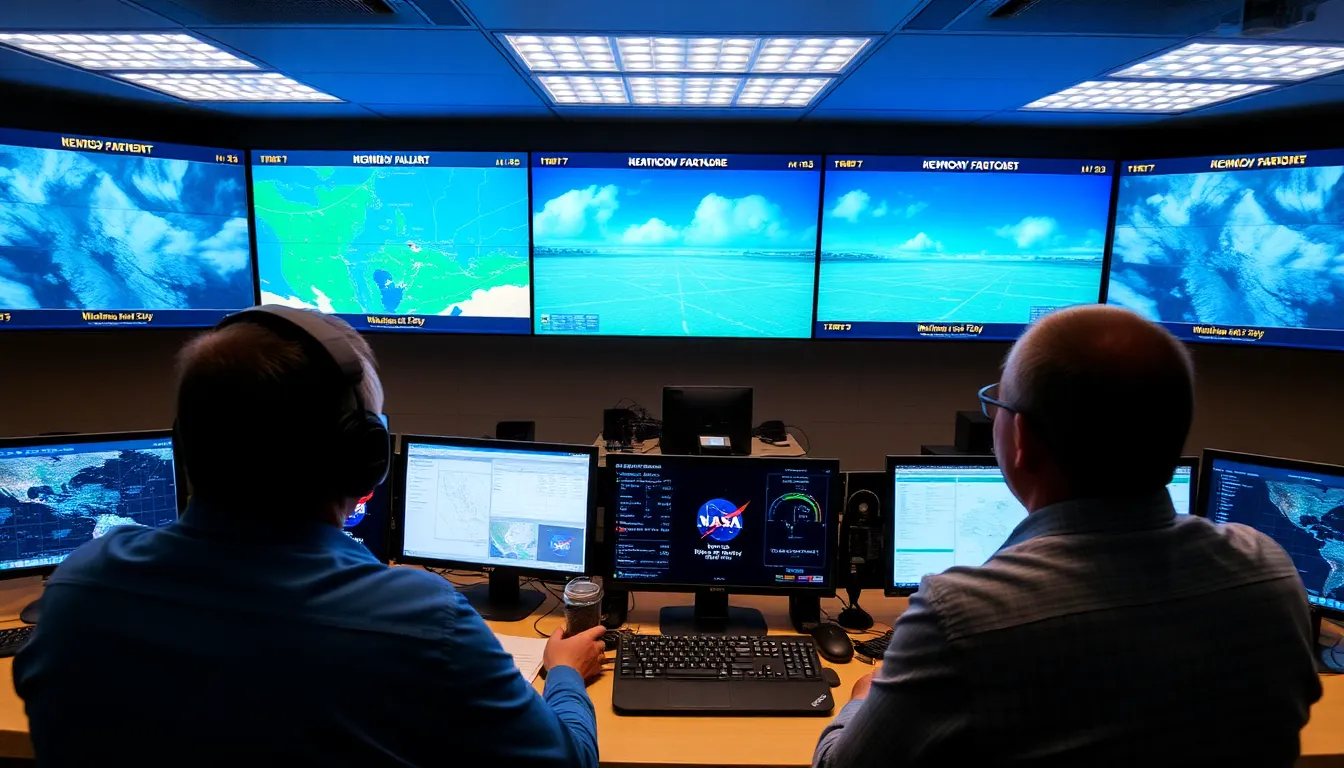
As preparations continue at the Kennedy Space Center in Florida, the agency is closely monitoring the weather patterns. The region is currently experiencing unpredictable weather, which has raised concerns among mission planners about ensuring a safe launch environment. For more insights on space missions, visit this article.
NASA’s Artemis program is a key component of its broader goal to establish a sustainable human presence on the Moon by the end of the decade. Any delays in the Artemis II launch could have cascading effects on subsequent missions and the overall timeline of lunar exploration initiatives.
In addition to the weather, logistical challenges such as technical readiness and crew training are also being considered. The interplay between these factors will be crucial in determining if the launch can proceed as planned or if adjustments will be necessary.
Exploring the background of the Artemis II mission and its significance
The Artemis II mission represents a pivotal moment in NASA’s efforts to return humans to the Moon, following a long hiatus in lunar exploration since the Apollo program. Launched in the 1960s, the Apollo missions successfully landed astronauts on the lunar surface, culminating in Apollo 17 in 1972. The goals of Artemis II extend beyond mere exploration; they aim to establish a sustainable human presence on the Moon and prepare for future missions to Mars, highlighting the strategic importance of lunar exploration in the broader context of space exploration.
In recent years, the geopolitical landscape has shifted, with various nations ramping up their space programs. The Artemis program, initiated in 2017, seeks to reassert American leadership in space amid increasing competition from countries like China and Russia. The international collaboration involved in Artemis II not only strengthens partnerships with allied nations but also emphasizes the importance of shared goals in space exploration, fostering a spirit of cooperation in an arena that has historically been a source of rivalry.
Weather conditions play a critical role in launch operations, and the Artemis II mission is no exception. Historical precedents, such as the delays of the Space Shuttle program due to adverse weather, underline the importance of meteorological factors in the success of space missions. NASA has developed sophisticated forecasting models and contingency plans to mitigate the risks posed by unpredictable weather, but the inherent uncertainties remain a significant concern for mission timelines and safety. To understand the broader implications of these missions, check out this related exploration.
The Economic Impact of Space Exploration
Investing in space exploration has far-reaching economic implications. The Artemis program is expected to generate jobs, stimulate technological advancements, and drive innovation across various sectors. As NASA collaborates with private companies, the economic landscape surrounding space exploration is evolving, with a growing emphasis on public-private partnerships. However, adverse weather conditions can lead to costly delays and reallocation of resources, impacting the overall economic benefits anticipated from the Artemis II mission.
Analyzing the key stakeholders and issues surrounding the launch
The Artemis II mission, aimed at returning humans to the Moon, involves a complex web of stakeholders, each with distinct interests. Key players include NASA, the U.S. government, international space agencies, private aerospace companies, and the scientific community. Their collective goal is to advance space exploration, but they also face various challenges, particularly concerning weather conditions that could delay the launch.
NASA, as the primary agency responsible for the Artemis program, is focused on ensuring a safe and successful mission. This involves meticulous planning around weather forecasts, as adverse conditions could compromise both crew safety and mission objectives. The U.S. government, which funds NASA, has a vested interest in the success of Artemis II as it represents a significant investment in technology and international prestige.
Private aerospace companies, such as SpaceX and Boeing, are also crucial stakeholders. They provide the spacecraft and launch services necessary for the mission. Their interests align with NASA’s, but they may face economic pressures if delays occur, impacting contracts and future projects. Additionally, international partners, including space agencies from Europe and Canada, have a stake in the mission’s success, as it fosters collaboration in space exploration.
- Weather-related delays: Launch windows are tightly scheduled, and any significant weather event can lead to postponements, impacting all stakeholders.
- Economic implications: Delays can result in increased costs for contractors and potential funding reallocations for NASA.
- Public interest: High public and media expectations can pressure stakeholders to adhere to timelines, despite weather challenges.
- Safety concerns: The primary focus remains on the safety of the astronauts, which can lead to conflicts between scheduling and risk management.
In summary, the interplay between stakeholders and the potential for weather-related disruptions highlights the complexities of space missions. Each actor’s interests must be balanced against the overarching goal of advancing human space exploration while ensuring safety and managing economic impacts. For further reading on the importance of NASA’s endeavors, refer to this piece.
Assessing who will be affected by potential delays in the launch
The potential delays in the Artemis II Moon launch due to adverse weather conditions could have significant implications for various groups and industries. Key stakeholders include aerospace companies, local economies, and space enthusiasts, all of whom are closely monitoring the situation.
Aerospace companies involved in the Artemis program, such as NASA and its contractors, would experience immediate operational impacts. Delays could lead to increased costs and extended timelines, affecting project schedules and resource allocation. Additionally, subcontractors and suppliers may face disruptions in their production and delivery timelines, resulting in a ripple effect throughout the aerospace supply chain.
Regions surrounding launch sites, particularly in Florida, could see both short-term and mid-term economic impacts. Local businesses that rely on tourism and events related to space launches may experience reduced foot traffic and revenue during delays. Conversely, there might be opportunities for increased local engagement through educational programs and community events focused on space exploration, which could help maintain interest and support for the program.
Furthermore, the general public and space enthusiasts may face disappointment and frustration due to postponed launches. However, this situation could also spark greater public interest in space exploration, leading to increased advocacy for future missions and funding. The media coverage surrounding the delays might also foster discussions on the importance of robust weather forecasting and its role in space missions.
- Aerospace industry: Increased costs and project delays.
- Local economies: Potential loss of tourism revenue.
- Public sentiment: Mixed feelings of disappointment and increased advocacy.
- Educational opportunities: Growth in community engagement initiatives.
A: Severe weather conditions such as high winds, lightning, or heavy rain can delay the launch. NASA closely monitors forecasts to ensure safety during the launch window. A: Weather can impact various aspects of a rocket launch, including the rocket’s trajectory, safety of the crew, and ground operations. Specific thresholds are set for acceptable weather conditions. A: Artemis II is scheduled for launch in 2024, but this timeline is contingent on various factors, including weather conditions and technical readiness. A: Key stakeholders include NASA, contractors, scientists, and the international space community, all of whom have vested interests in the success of the mission. A: A delayed launch could affect mission timelines, budget allocations, and future missions, as well as public interest and support for space exploration.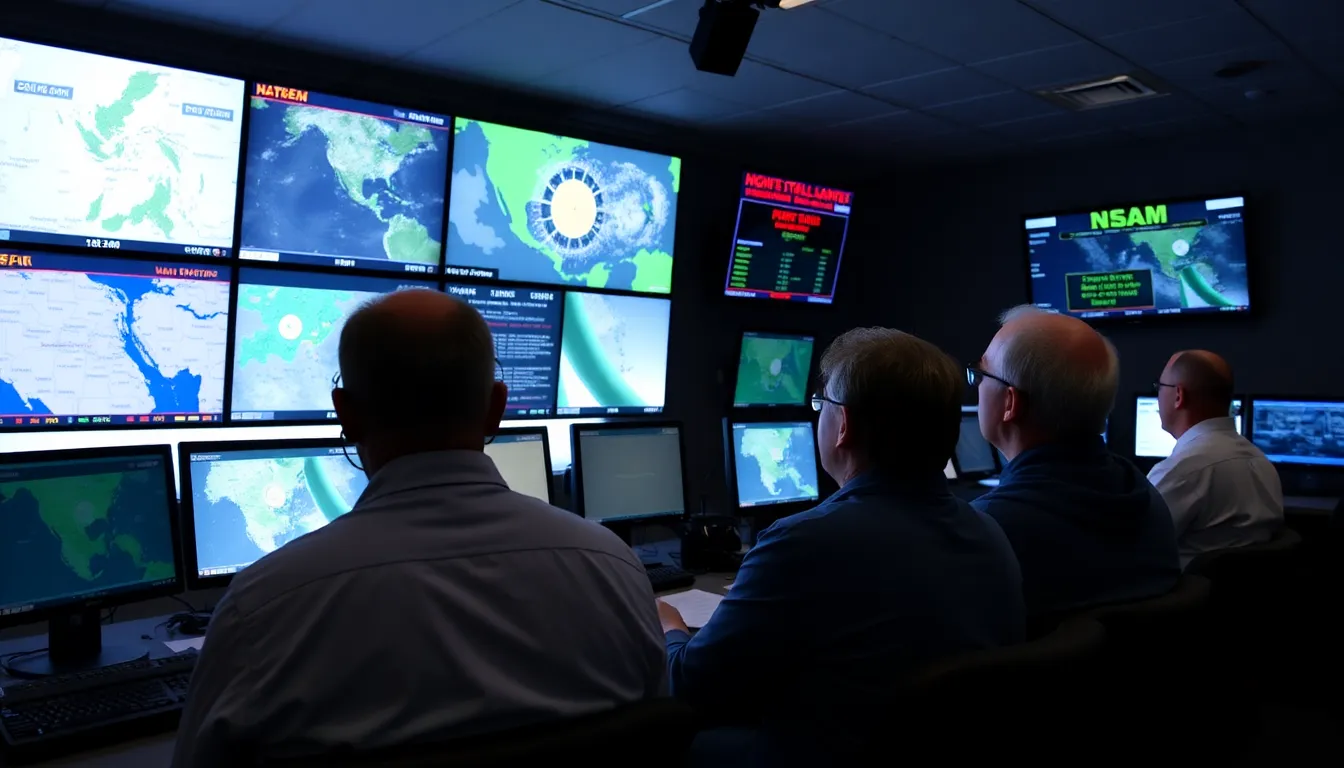
Frequently asked questions about Artemis II launch and weather
Key insights and outlook on the Artemis II launch
The potential impact of weather conditions on the Artemis II launch underscores the complexities involved in space exploration. As NASA prepares for this historic mission, understanding the interplay between meteorological factors and launch schedules becomes crucial. The Artemis II mission not only aims to return humans to the Moon but also serves as a critical step toward future Mars exploration.
Monitoring weather patterns in the lead-up to the launch will be essential, as adverse conditions could lead to delays. Stakeholders should remain aware of the latest forecasts and be prepared for possible adjustments to the timeline. The successful execution of Artemis II will depend on both favorable weather and the readiness of the spacecraft.
- Weather forecasts will play a pivotal role in determining the exact launch window for Artemis II.
- Delays due to weather could affect subsequent missions, including those targeting lunar landings and Mars exploration.
- Stakeholders should prioritize real-time updates and contingency planning as launch day approaches.
- Public interest in Artemis II may be influenced by weather-related developments, impacting outreach and engagement efforts.
- Collaboration with meteorological agencies will enhance NASA’s ability to make informed decisions regarding launch readiness.