
On July 20, 2021, the 52nd anniversary of the Apollo 11 moon landing, Blue Origin’s founder Jeff Bezos completed a suborbital flight aboard the New Shepard spacecraft. This event marked a significant milestone in commercial space travel, showcasing the potential for private enterprises to play a pivotal role in the future of space exploration. For more on the implications of such missions, see our article on Exploring the Moon and Mars and the Importance of Nasa’s Mission.
Moreover, NASA’s Artemis program is set to return humans to the Moon by 2024, with the goal of establishing a sustainable presence by the end of the decade. This ambitious initiative not only aims to advance lunar exploration but also serves as a stepping stone for future manned missions to Mars, further invigorating public interest in space travel.
The growing enthusiasm for space tourism is also evident, with several companies planning to offer commercial flights for civilians. This new market is expected to democratize access to space, allowing individuals who may not be professional astronauts to experience space travel, which could further inspire the next generation of explorers.
Historical context of space exploration and recent advancements
The journey of space exploration began in the mid-20th century, marked by the launch of Sputnik 1 by the Soviet Union in 1957, which ignited the space race between the United States and the USSR. This monumental event not only symbolized technological prowess but also reflected the geopolitical tensions of the Cold War, as both nations sought to demonstrate their superiority through advancements in science and technology.

In the following decades, significant milestones were achieved, including the Apollo 11 mission in 1969, when humans first set foot on the Moon. This event was a pivotal moment in human history, showcasing the potential for exploration beyond Earth. However, after the initial excitement, interest in manned space missions waned, leading to a focus on robotic exploration and satellite technology throughout the 1980s and 1990s. For a deeper understanding of how these historical events shaped modern space travel, read about NASA’s ongoing missions.
In recent years, a resurgence of interest in space travel has emerged, driven by advancements in technology and the rise of private space companies. Initiatives by companies like SpaceX and Blue Origin have democratized access to space, reducing costs and increasing the frequency of launches. These developments have reignited public interest and excitement about the possibility of human space travel, including missions to Mars and beyond.
The role of international collaboration
International collaboration has played a crucial role in advancing space exploration. The International Space Station (ISS), a joint project involving multiple countries, has fostered cooperation and shared knowledge among space agencies. This collaborative spirit has not only enhanced scientific research but has also paved the way for future missions that may involve multiple nations working together to explore the cosmos. In parallel, private entities are also making strides; to learn more about their contributions, check out our feature on the rise of space companies.
Key stakeholders and issues in the space travel industry
The resurgence of interest in space travel has brought together a diverse array of stakeholders, each with their own interests and motivations. Key players in this industry include private companies like SpaceX and Blue Origin, government agencies such as NASA and the European Space Agency, and international organizations focused on space exploration. These stakeholders are pivotal in shaping the future of space travel, from technological advancements to regulatory frameworks.
Private companies are primarily driven by profit and innovation. They aim to reduce the cost of space travel, making it more accessible to the general public and facilitating commercial opportunities in space. For instance, SpaceX’s reusable rocket technology has significantly lowered launch costs, positioning it as a leader in the industry. However, these advancements also raise concerns regarding safety and environmental impact.

Governments play a crucial role in establishing the legal and regulatory landscape for space travel. Their interests often revolve around national security, scientific research, and international collaboration. As more private entities venture into space, the need for clear regulations becomes increasingly important to address issues such as space debris, satellite congestion, and the militarization of space. The balance between fostering innovation and ensuring safety and sustainability is a key challenge for policymakers.
Moreover, the economic implications of space travel are significant. The potential for commercial ventures, such as space tourism and resource extraction from asteroids, presents both opportunities and challenges. Stakeholders must navigate the trade-offs between economic growth and ethical considerations, such as the exploitation of extraterrestrial resources and the impact on Earth’s environment.
- Technological advancements: Innovations in rocket technology and space travel methods.
- Regulatory challenges: The need for comprehensive laws governing space activities.
- Environmental concerns: The impact of space missions on Earth’s environment and space debris.
- Economic opportunities: Growth of the commercial space sector and potential for new markets.
- International collaboration: The necessity for global cooperation in space exploration efforts.
Impact on the market and potential beneficiaries
The resurgence of interest in space travel is set to impact various groups and industries significantly. Key beneficiaries include aerospace companies, tourism sectors, educational institutions, and technology firms. Regions with established spaceports or aerospace manufacturing hubs, such as the United States, Europe, and parts of Asia, are likely to see the most immediate benefits.
In the short term, businesses involved in space tourism and commercial spaceflight are expected to experience a surge in demand. This could lead to job creation within the aerospace sector and related industries, such as hospitality and transportation. Furthermore, educational programs focused on space sciences and engineering may attract more students, thereby fostering a new generation of professionals in the field.

However, while the prospects are exciting, there are risks involved. The high costs associated with space travel could limit access to wealthier individuals, potentially exacerbating inequalities in who can experience space exploration. Additionally, environmental concerns related to rocket launches may prompt regulatory scrutiny, impacting how quickly companies can scale their operations.
- Opportunities: Growth in aerospace jobs and technology innovations.
- Risks: Environmental regulations and socioeconomic disparities.
- Market Growth: Increased investment in space-related ventures.
In the mid-term, as space travel becomes more mainstream, we may witness a transformation in policies surrounding space exploration and commercial activities. Governments may need to establish new regulations to ensure safety and sustainability, while also fostering an environment conducive to innovation. This shift could lead to international collaborations, further enhancing the global space economy.
A: Recent advancements in rocket technology and successful missions by private companies have reignited public interest in space travel. Events such as crewed missions to the International Space Station have captured the imagination of many. A: Major players include SpaceX, Blue Origin, and NASA, among others. These organizations are leading the charge in developing technology for commercial space travel and exploration. A: Space travel has the potential to create new jobs, stimulate technological advancements, and attract investment. The growing interest in space tourism could also open up new revenue streams. A: While space travel has inherent risks, advancements in technology and safety protocols are continually improving. Companies are working hard to ensure that civilian space travel is as safe as possible. A: Many companies are aiming for regular commercial flights within the next few years. As technology advances and regulations are established, the frequency of these flights is expected to increase.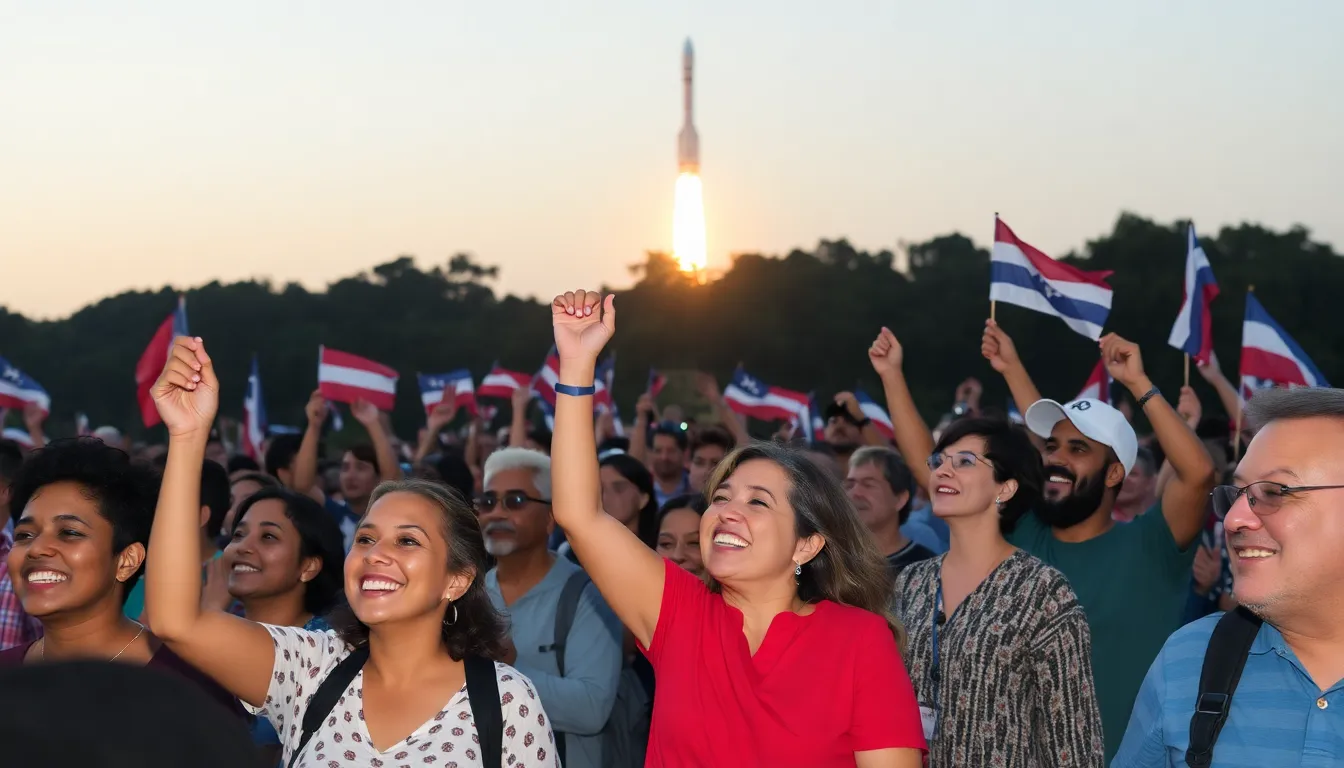
Frequently asked questions about space travel
Key insights and future outlook for space exploration
The recent resurgence of interest in space travel signals a pivotal moment for humanity’s exploration of the cosmos. With advancements in technology and increased investment from both public and private sectors, the dream of space travel is becoming more tangible. This renewed enthusiasm is likely to foster collaboration among nations and private enterprises, paving the way for innovative missions and discoveries that could redefine our understanding of the universe.
As we look to the future, several key factors will shape the trajectory of space exploration. From the potential for commercial space tourism to the ongoing search for extraterrestrial life, the implications of these developments are vast and varied. Stakeholders across industries must remain vigilant and adaptable to harness the opportunities presented by this new era of space exploration.
- Increased investment: Expect a surge in funding for space initiatives, leading to innovative technologies and missions.
- Commercial space tourism: The growth of private companies in space travel could make space more accessible to the general public.
- International collaboration: Enhanced partnerships between countries may lead to shared resources and knowledge, accelerating progress.
- Focus on sustainability: Future missions will likely prioritize sustainable practices to minimize environmental impact.
- Scientific advancements: Ongoing exploration may yield new insights into planetary systems, life beyond Earth, and our own planet’s future.