
The toilet malfunction has raised concerns among mission control and the crew, as proper sanitation is critical for the health and well-being of astronauts on long-duration space missions. For further context on what astronauts face on these missions, check out our article on Artemis II astronauts prepare for historic journey to the far side of the moon.
This incident highlights the challenges of space travel, particularly in terms of life support systems. As NASA prepares for future missions, including lunar landings and potential Mars exploration, ensuring the reliability of such essential systems remains a top priority.
With Artemis II set to orbit the Moon before returning to Earth, the resolution of this issue will be closely monitored. The mission, which includes a diverse crew of astronauts, aims to test various systems and gather data that will inform future lunar exploration efforts.
Understanding the significance of toilet systems in space travel
As humanity embarks on a new era of lunar exploration with the Artemis II mission, the importance of reliable life support systems, particularly toilets, cannot be overstated. Historically, the challenges of managing human waste in space have posed significant engineering and logistical hurdles. From the early days of space travel, where astronauts relied on rudimentary systems, to the advanced technologies of today, the evolution of space toilets reflects broader advancements in human spaceflight.
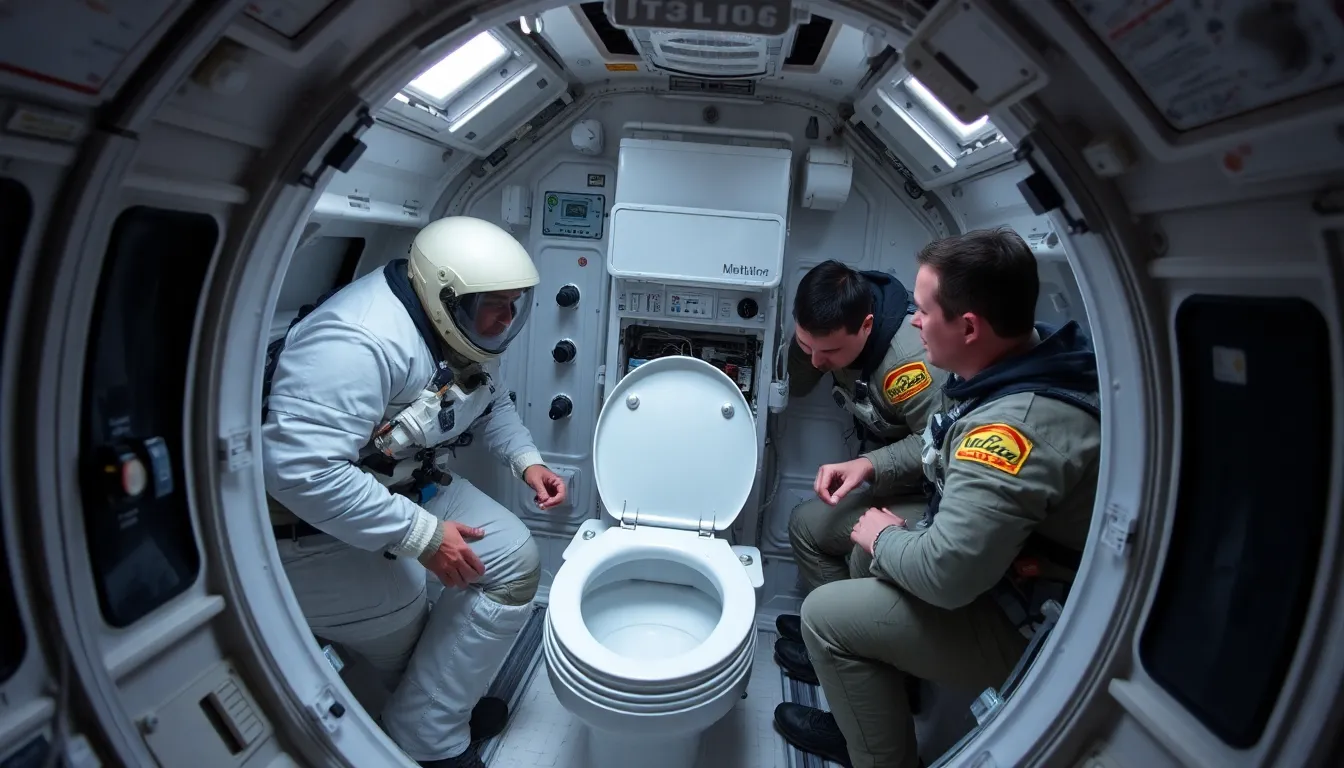
The Apollo missions, which first landed humans on the Moon in the late 1960s and early 1970s, utilized makeshift solutions for waste management. Astronauts had to use specially designed bags, which were not only uncomfortable but also risky in terms of hygiene and containment. As missions grew longer and more complex, the necessity for a more sophisticated toilet system became evident, paving the way for innovations that would eventually be implemented in the International Space Station (ISS).
The evolution of space toilets
Over the decades, the design and functionality of space toilets have improved significantly. The ISS, for example, employs a vacuum system that minimizes the need for water, a precious resource in space. This advancement highlights the critical balance between comfort and practicality in designing life support systems for extended missions. However, even with modern technology, issues can arise, as seen during the Artemis II mission, where astronauts encountered unexpected challenges with their toilet systems.
The political and economic implications of these challenges are substantial. As nations invest billions into space exploration, ensuring the reliability of life support systems is essential for mission success and crew safety. Learn more about the significance of this initiative by reading Artemis II Launch Marks a New Era in Space Exploration.
Ultimately, the ongoing developments in toilet technology for space travel serve as a microcosm of the broader challenges faced in human exploration beyond Earth. As missions become longer and more ambitious, the significance of these systems will only grow, underscoring the need for continuous innovation and adaptation in the field of aerospace engineering.
Examining the implications of toilet issues for astronauts and mission objectives
The Artemis II mission, which aims to return humans to the Moon, has encountered unexpected challenges related to the onboard toilet system. This situation not only affects the astronauts’ comfort and health but also raises significant concerns among various stakeholders involved in the mission. Key actors include NASA, the astronauts, contractors responsible for the spacecraft design, and ultimately, the taxpayers who fund these ambitious space endeavors.
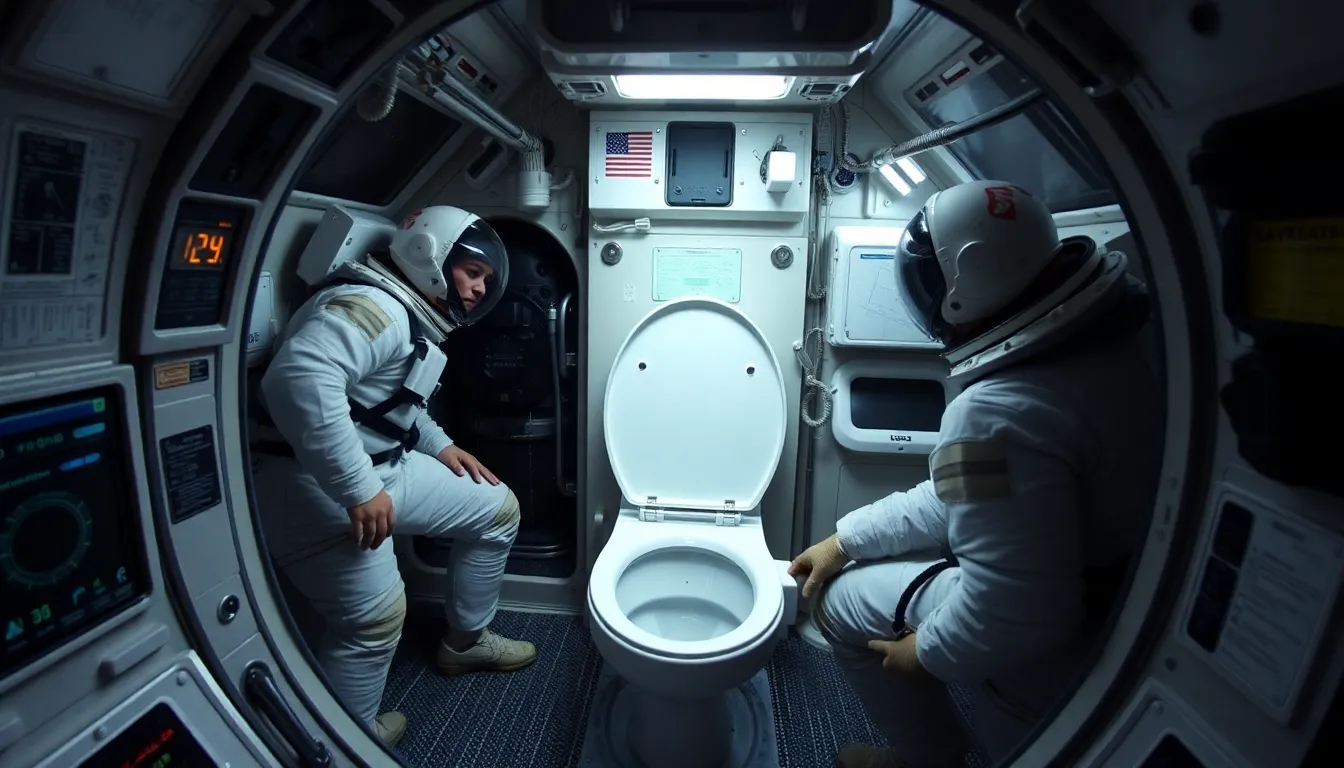
NASA, as the primary agency overseeing the Artemis program, has a vested interest in ensuring the success of the mission. Any issues related to life support systems, such as the toilet, can jeopardize the mission timeline and objectives. The astronauts, who are the face of this mission, also have personal stakes in a reliable and functional system, as their well-being is directly impacted by such malfunctions.
Contractors involved in the development of the spacecraft, including those responsible for the toilet system, face potential legal and financial repercussions if their products fail to perform as expected. This situation creates a conflict of interest between the need for rapid innovation and the imperative for thorough testing and reliability. The economic implications are significant, as delays can lead to increased costs and affect future funding allocations.
- Health Risks: Malfunctioning toilets can pose serious health risks to astronauts, affecting their ability to perform essential tasks during the mission.
- Mission Delays: Any technical issues may lead to delays in the mission schedule, impacting future Artemis missions and related projects.
- Public Perception: Ongoing issues may affect public confidence in NASA and its ability to manage complex missions, potentially influencing funding and support.
- Legal Accountability: Contractors may face scrutiny and legal challenges if the malfunction is deemed a result of negligence or inadequate testing.
- Budget Constraints: Increased costs associated with troubleshooting and repairs can strain budgets, leading to trade-offs in other mission areas.
In summary, the toilet troubles aboard Artemis II highlight the intricate web of interests and conflicts among stakeholders. The resolution of these issues is critical not only for the astronauts’ immediate comfort but also for the broader goals of the Artemis program and the future of human space exploration. For a deeper look into one aspect of this mission, you can also explore the story of one of the crew members in our piece on Jeremy Hansen Becomes the First Canadian Astronaut on a Crewed Moon Mission.
How toilet troubles could affect astronaut health and mission timelines
The recent toilet troubles experienced by the Artemis II astronauts highlight significant concerns for various stakeholders involved in space exploration. Primarily, the astronauts themselves are directly affected, as any malfunction can pose serious health risks and affect their overall mission performance. Additionally, NASA and its contractors, who are responsible for the spacecraft’s design and functionality, face scrutiny and pressure to address these issues promptly.
In the short term, the immediate impact on the astronauts’ health could lead to delays in mission timelines. If the toilet system cannot be repaired or adapted for use, the astronauts may need to return to Earth sooner than planned, disrupting the carefully coordinated schedule of the Artemis II mission. This could also lead to increased costs for NASA, as rescheduling and additional resources would be required to ensure the astronauts’ safety and health.
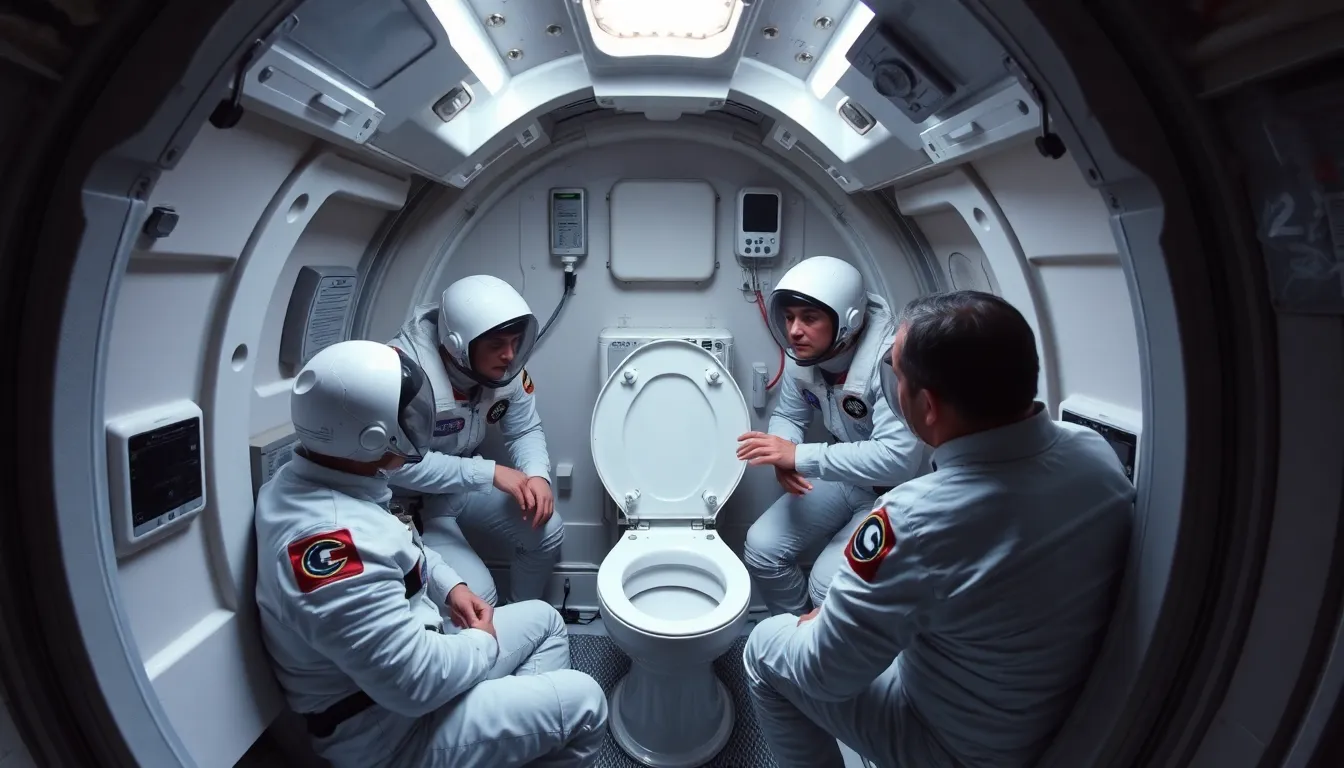
In the mid-term, the implications extend beyond the immediate mission. The toilet malfunction could prompt a review of safety protocols and engineering practices within NASA and its partners. This could lead to policy changes that prioritize more robust systems for future missions, potentially affecting the design and engineering of spacecraft for years to come. The aerospace industry may also see a shift in focus towards improving life support systems, creating opportunities for companies specializing in advanced engineering solutions.
- Health Risks: Astronauts could face health issues due to inadequate sanitation.
- Mission Delays: Potential delays in mission timelines could arise from necessary repairs.
- Increased Costs: Additional funding may be required to address and resolve the issues.
- Policy Changes: Review and enhancement of safety protocols could emerge.
- Industry Opportunities: Demand for improved life support systems may rise.
Ultimately, while the current situation presents significant challenges, it also opens the door for innovation and improvements in space exploration technology. The aerospace industry may benefit from increased investment in research and development, driven by the need for more reliable systems in future missions.
A: The astronauts are encountering malfunctions with the toilet system, which is crucial for their comfort and hygiene during the mission. A: Toilet systems in space use a vacuum to manage waste, which is different from traditional toilets on Earth. This technology is vital for long-duration missions. A: Inadequate waste management can lead to health issues such as dehydration, infections, or discomfort, which can impact astronaut performance. A: While the mission team is addressing the issues, any significant delays will depend on the severity of the problems and the time needed for repairs. A: Previous missions have faced similar challenges, and solutions typically involve quick repairs or adjustments to ensure astronaut safety and mission success.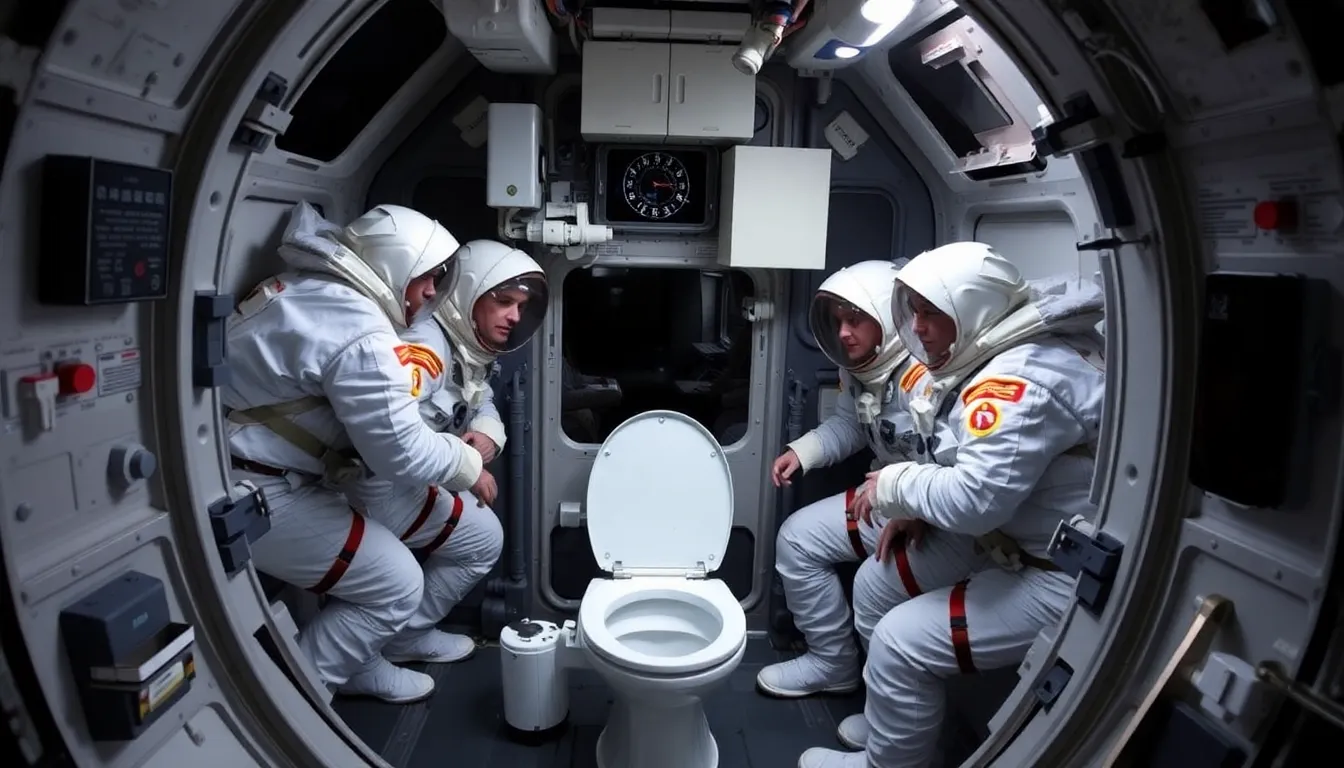
Frequently asked questions about the Artemis II toilet situation
Key takeaways and future outlook on Artemis II mission challenges
The Artemis II mission has highlighted significant challenges that astronauts face in space travel, particularly regarding life support systems. The recent toilet issues experienced by the crew serve as a reminder of the complexities involved in long-duration missions beyond Earth. As NASA continues preparations for lunar exploration, these challenges underscore the need for robust solutions to ensure astronaut well-being and mission success.
Looking ahead, addressing these technical difficulties will be crucial for future missions, including the planned Artemis III lunar landing. The experiences gained from Artemis II will inform improvements in spacecraft design and operational protocols, ultimately enhancing the safety and comfort of astronauts on their journey to the Moon and beyond.
- Improved Life Support Systems: Future missions may prioritize advancements in waste management technology to prevent similar issues.
- Enhanced Training: Astronaut training programs will likely incorporate more extensive simulations of potential in-flight challenges.
- Focus on Crew Comfort: NASA may increase emphasis on crew comfort measures to maintain morale and productivity during long missions.
- Collaboration with Tech Firms: Partnerships with private sector companies could lead to innovative solutions for space travel challenges.
- Lessons for Mars Missions: Insights from Artemis II will be vital as NASA prepares for future human missions to Mars, where similar issues will arise.