
The Artemis II mission is notable for carrying a crew of four astronauts, including the first woman and the first person of color to embark on a lunar mission. You can read more about their backgrounds and contributions in Meet the Astronauts of NASA’s Artemis II Moon Mission. The crew will conduct a series of tests and observations during their journey around the Moon, which is expected to last approximately ten days.
This launch follows the successful Artemis I mission, an uncrewed flight that tested the Space Launch System (SLS) and the Orion spacecraft in late 2022. The Artemis program represents a renewed commitment to lunar exploration, with plans for a sustainable human presence on the Moon by the end of the decade.
The success of Artemis II is crucial not only for NASA but also for international partnerships in space exploration. As highlighted in Understanding the Delay of Artemis II’s Moon Landing, various space agencies around the world are collaborating on technologies and research that will support long-term goals, including potential missions to Mars.
Understanding the significance of the Artemis program
The Artemis program represents a pivotal moment in space exploration, rekindling humanity’s ambitions to explore beyond low Earth orbit. Named after the Greek goddess of the moon, Artemis aims to return humans to the lunar surface by the mid-2020s, marking the first time since the Apollo missions of the 1960s and 1970s that astronauts will set foot on the moon. This initiative is not merely about lunar exploration; it serves as a stepping stone for future missions to Mars and beyond, reflecting a renewed commitment to human spaceflight in an era marked by technological advancements and international collaboration.
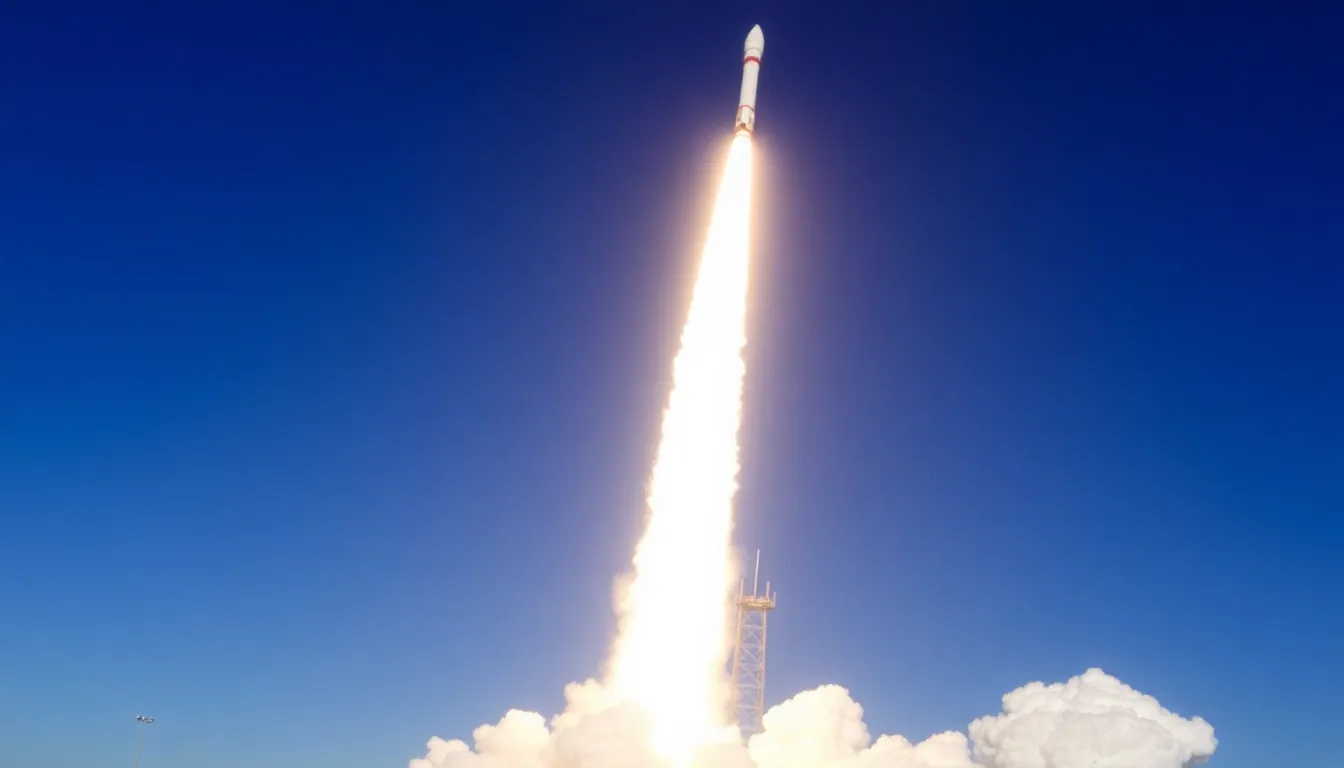
However, the Artemis program re-emerges in a context where global competition in space is intensifying, with nations like China and private companies such as SpaceX making significant strides in space technology. This historical backdrop of lunar exploration sets the stage for understanding the innovative drive behind missions like Artemis II.
Key Milestones in the Artemis Program
The Artemis program has already achieved significant milestones leading up to the Artemis II mission. In 2021, NASA successfully launched the Artemis I mission, an uncrewed test flight that orbited the moon and returned safely to Earth, demonstrating the capabilities of the Space Launch System (SLS) and the Orion spacecraft. Following this, Artemis II will be the first crewed mission, allowing astronauts to experience a lunar flyby and test life support systems in deep space. These missions are critical for ensuring safety and reliability as humanity prepares for its next giant leap.
In addition to technological achievements, Artemis also emphasizes international partnerships and the involvement of commercial entities. NASA has collaborated with space agencies from around the world, including the European Space Agency (ESA) and the Japan Aerospace Exploration Agency (JAXA), fostering a spirit of cooperation in exploring the cosmos. This collaboration not only enhances the capabilities of the Artemis program but also reflects a broader trend in the space sector where public and private sectors work together to achieve ambitious goals.
As the Artemis program progresses, it symbolizes not just a return to the moon, but also a renewed vision for humanity’s future in space. It embodies aspirations for sustainable exploration, scientific discovery, and the potential for commercial opportunities beyond Earth, igniting interest and investment in space exploration that could shape the next era of human achievement.
Key stakeholders and their roles in the Artemis mission
The Artemis II mission, a significant step in NASA’s ambitious plan to return humans to the Moon, involves a diverse array of stakeholders, each with unique interests and contributions. Key actors include NASA, international space agencies, commercial partners, and governments, all of whom play vital roles in the mission’s success.
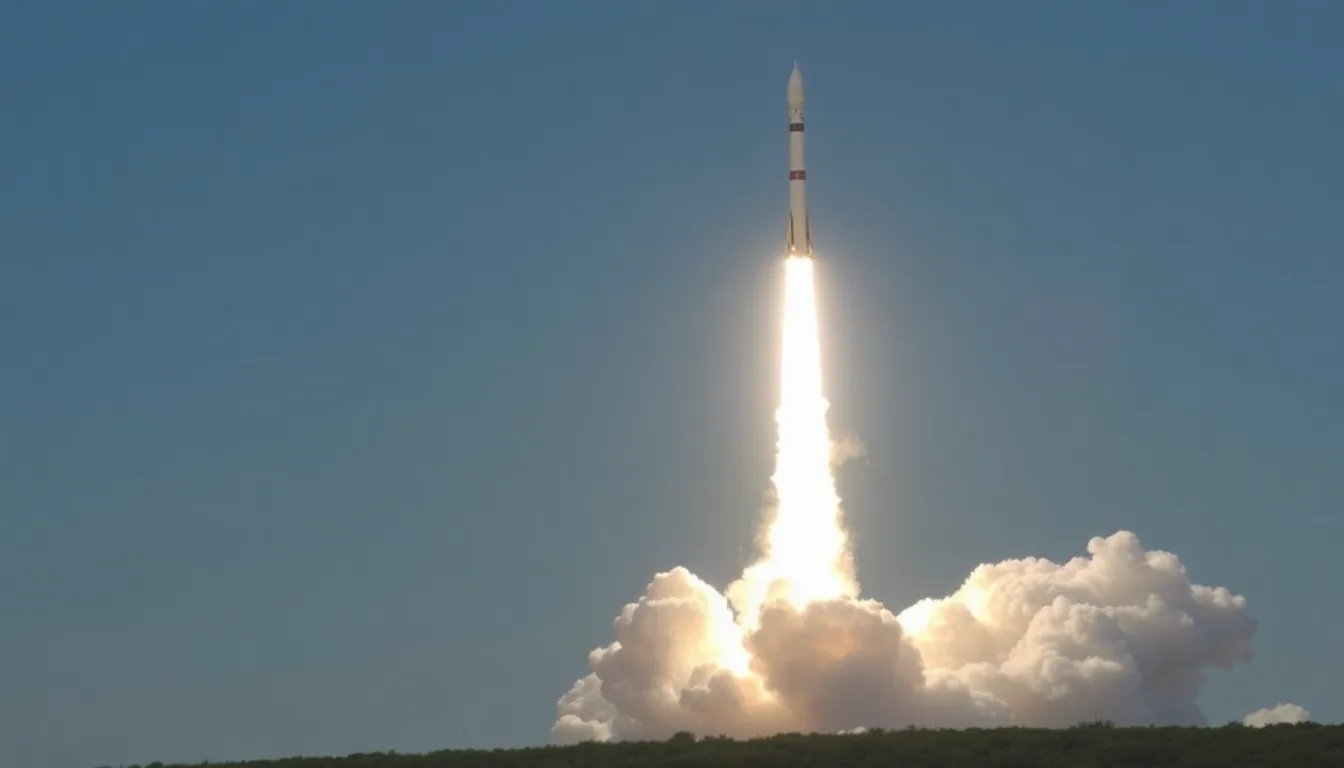
NASA, as the primary agency leading the mission, aims to demonstrate its capabilities in crewed space exploration and establish a sustainable human presence on the Moon. This involves not only scientific research but also technological advancements that can benefit future missions to Mars and beyond.
International partners, such as the European Space Agency (ESA) and the Canadian Space Agency (CSA), contribute critical components and expertise. For instance, ESA is providing the service module for the Orion spacecraft, while CSA is supplying the Canadarm3, an advanced robotic system for lunar operations. These partnerships highlight the global collaboration in space exploration and the shared interests in scientific discovery and technological innovation.
- Commercial partners: Companies like SpaceX and Boeing are integral to the mission, providing launch services and spacecraft. Their involvement reflects a growing trend of public-private partnerships in space exploration.
- Economic implications: The Artemis program has the potential to stimulate economic growth through job creation in the aerospace sector and related industries, as well as fostering technological advancements that can be applied in other fields.
- Legal considerations: The mission raises questions about space governance, including the use of lunar resources and international treaties that regulate space activities, which could lead to conflicts over territorial claims and resource utilization.
As these stakeholders navigate their respective interests, conflicts may arise, particularly concerning resource allocation, budget constraints, and differing priorities among nations. The successful execution of Artemis II will require balancing these competing interests while fostering collaboration and innovation in the pursuit of a common goal: the exploration of the Moon and beyond.
How Artemis II will influence future space missions
The launch of Artemis II marks a significant milestone not only for NASA but also for various sectors and regions involved in space exploration. This mission will impact a wide array of groups, including aerospace manufacturers, scientific research institutions, and educational organizations. The ripple effects will be felt across the United States and internationally, particularly in countries collaborating on space exploration initiatives.
In the short term, the successful launch of Artemis II is expected to boost public interest in space exploration, leading to increased enrollment in STEM (Science, Technology, Engineering, and Mathematics) programs. Educational institutions may see a surge in students aspiring to careers in aerospace and engineering. Additionally, local economies near space launch sites could benefit from increased tourism and related business opportunities as spectators flock to witness the historic event.
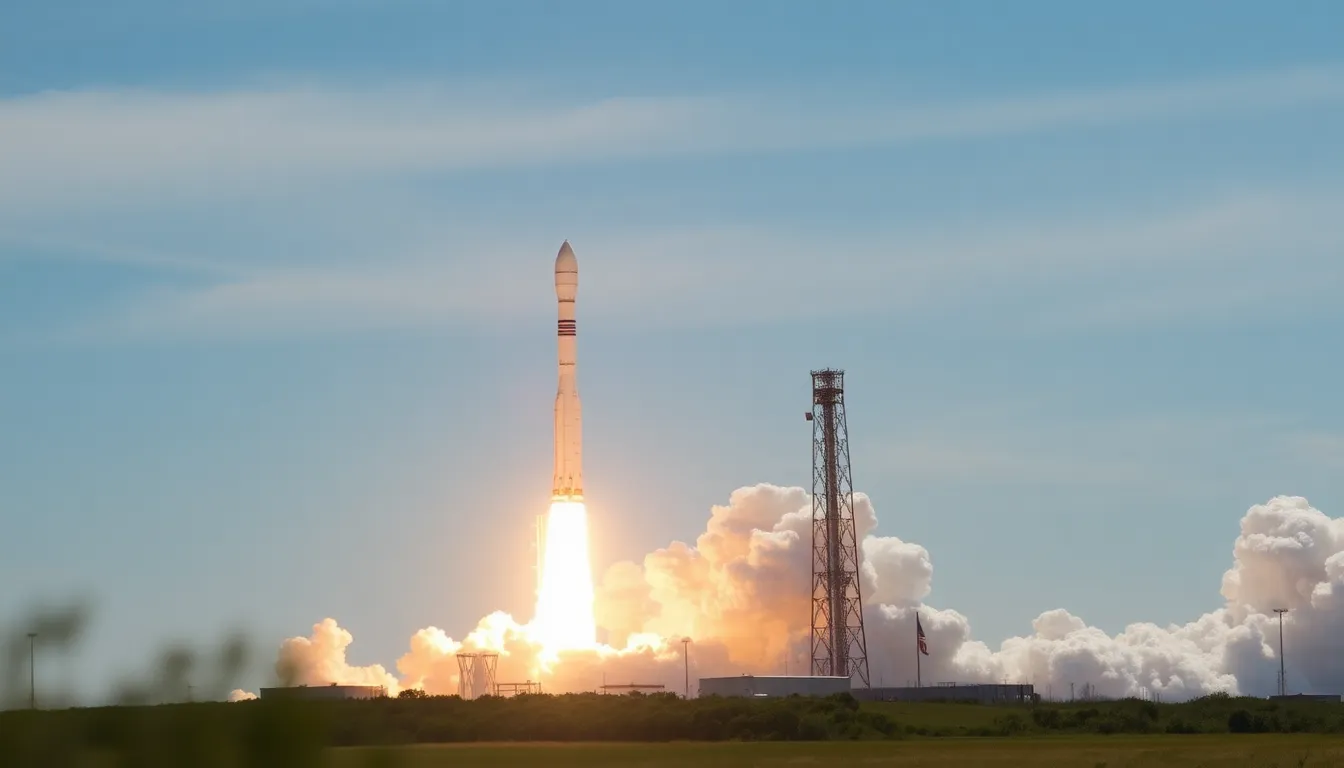
In the mid-term, industries related to satellite technology, telecommunications, and space tourism may experience growth as a direct result of the advancements made during the Artemis II mission. Companies involved in manufacturing spacecraft components and providing support services could see increased contracts and investment. However, there are also risks associated with this growth, including potential budget cuts in other areas of education and research funding as priorities shift toward space exploration.
- Increased investment in aerospace and technology sectors.
- Growth in educational programs focused on space and engineering.
- Boost in local economies near launch sites due to tourism.
- Potential budget reallocations affecting other scientific fields.
As Artemis II pushes the boundaries of human spaceflight, it also sets the stage for future missions to the Moon and Mars. The collaboration between government agencies and private companies will likely pave the way for new partnerships and innovative technologies, creating both opportunities and challenges for stakeholders in the space sector and beyond.
A: The Artemis II mission aims to send astronauts around the Moon, testing systems and preparing for future lunar landings. A: Artemis II launched on November 10, 2023, marking a significant milestone in NASA’s lunar exploration efforts. A: The crew includes experienced astronauts from NASA, each playing crucial roles in the mission’s success. A: Artemis II is testing the Orion spacecraft and Space Launch System (SLS) to ensure they are ready for future missions. A: The mission will provide valuable data and experience that will inform upcoming missions to the Moon and beyond.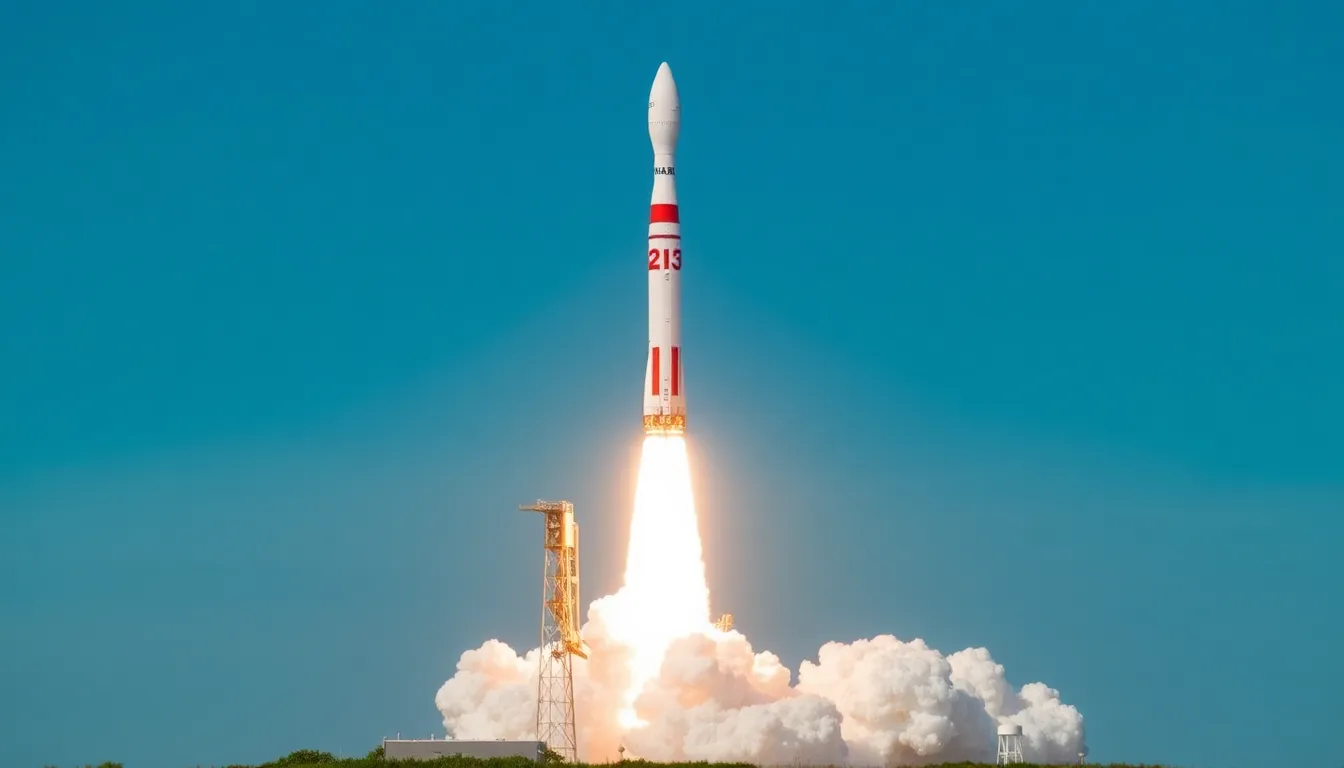
Frequently Asked Questions about Artemis II
Looking ahead: The future of lunar exploration
The successful launch of Artemis II marks a pivotal moment in humanity’s quest to return to the Moon and beyond. As we witness this historic event, it becomes clear that the implications extend far beyond the immediate mission. The advancements in technology and international collaboration showcased during this mission set the stage for a new era of space exploration.
As we reflect on the significance of Artemis II, it is essential to consider the broader context of lunar exploration and its potential to reshape our understanding of the universe. The mission not only aims to establish a sustainable presence on the Moon but also serves as a crucial stepping stone for future missions to Mars and beyond.
- Technological Innovations: The developments in spacecraft technology and life support systems will enhance future missions, making them safer and more efficient.
- International Collaboration: The partnerships formed during Artemis II could lead to more cooperative efforts in space exploration among nations.
- Scientific Research Opportunities: The mission opens new avenues for scientific research on the Moon, including studies related to lunar geology and potential resource utilization.
- Public Engagement: The excitement generated by Artemis II may inspire a new generation of scientists and engineers, fostering interest in STEM fields.
- Long-term Goals: The Artemis program lays the groundwork for a human presence on Mars, with Artemis II serving as a crucial test for future deep-space missions.