
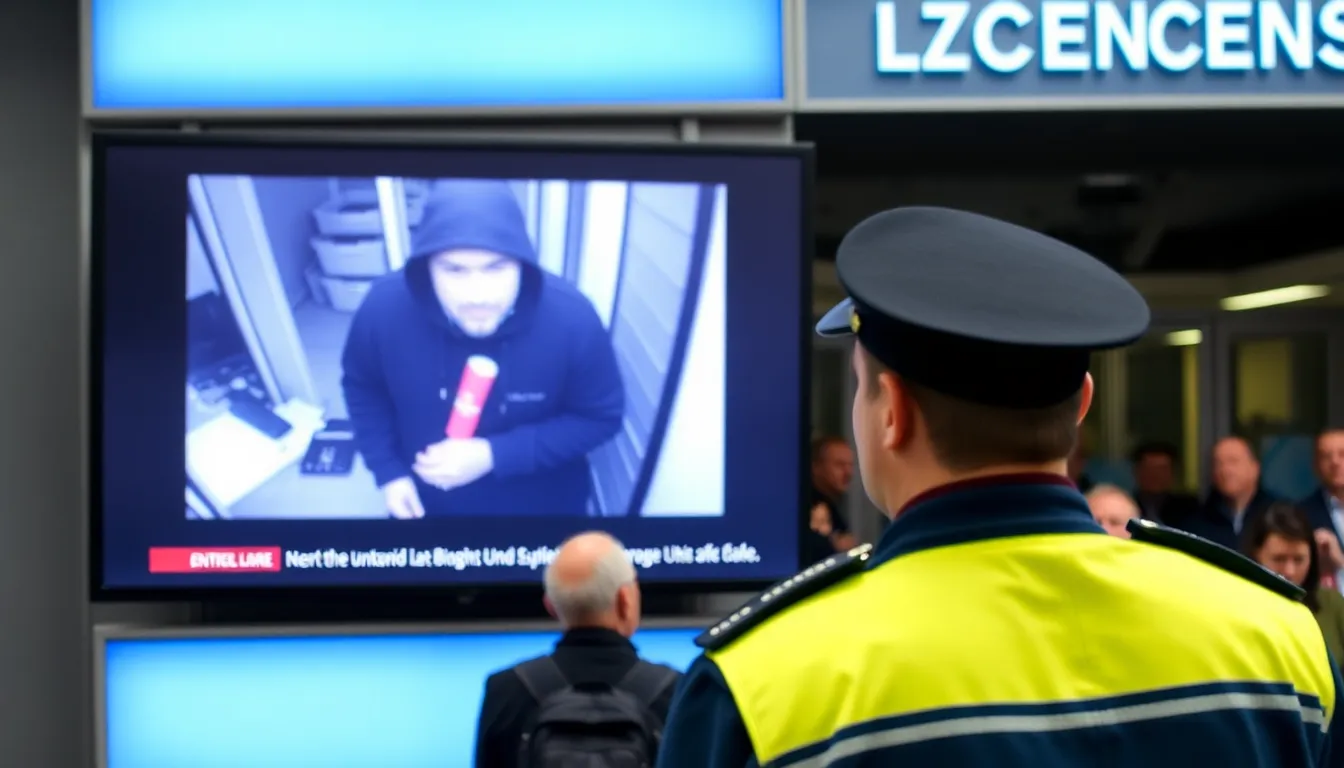
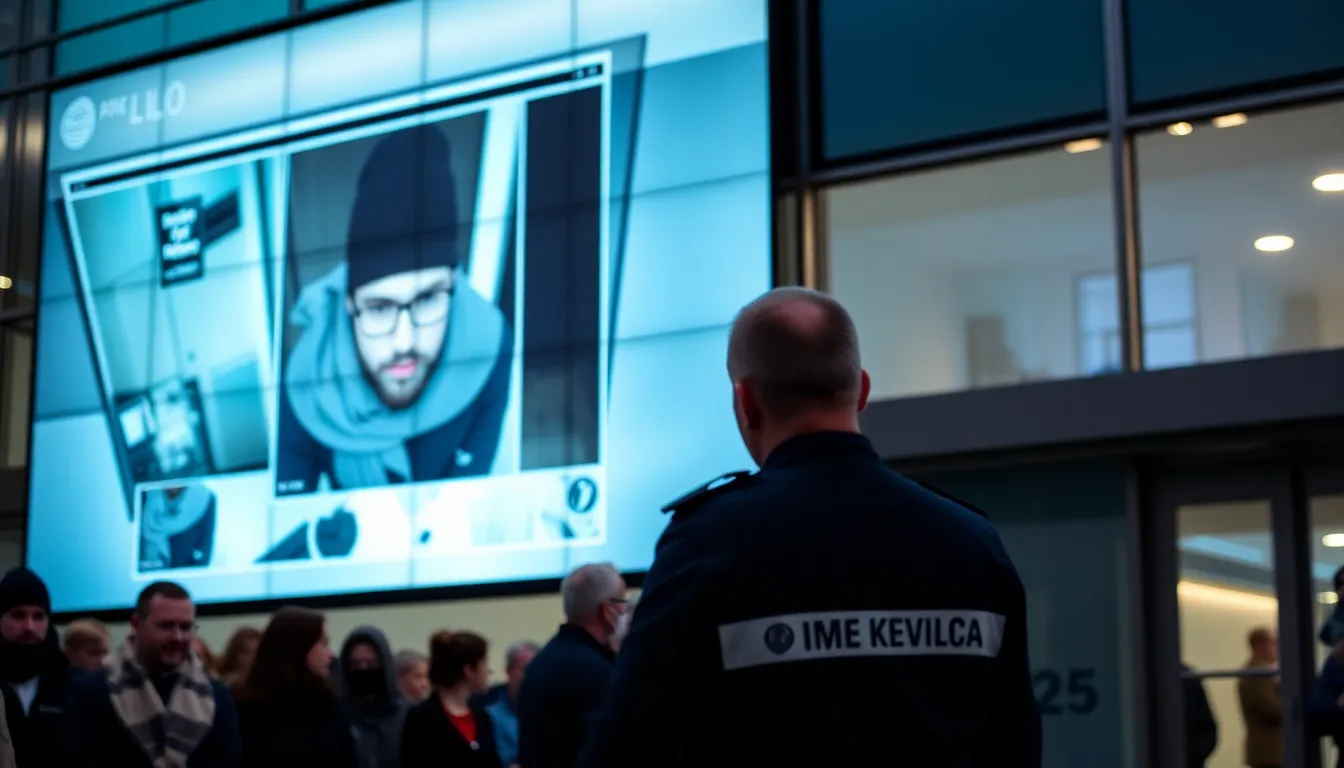
The police are actively seeking assistance from the public to identify the person depicted in the released images. They believe that this individual may hold crucial information regarding the circumstances surrounding the blast. This development is critical as investigators work to piece together the events leading up to the explosion. For more context on how such incidents impact public safety, you can read about similar events in the mob attack on a newspaper.
In the wake of the incident, the U.S. embassy has increased its security measures to ensure the safety of its staff and visitors. The Norwegian government has also emphasized its commitment to maintaining public safety and has promised a thorough investigation into the matter. This incident underscores the ongoing challenges of ensuring security in urban areas, especially in diplomatic zones, an issue you’ve likely encountered if you check out this broader analysis.
As the investigation unfolds, local authorities are urging anyone with information to come forward. The release of the suspect’s images is part of a broader strategy to engage the community in the investigation. The outcome of this case could have implications for international relations and security protocols in Norway, which ties into concerns raised by current geopolitical tensions.
Understanding the background of the embassy explosion incident
The recent explosion outside the United States embassy in Oslo has raised significant concerns regarding security and diplomatic relations. Historically, embassies have been targeted in various geopolitical conflicts, often symbolizing the interests and presence of foreign nations in host countries. The attack in Oslo is not an isolated incident but part of a broader trend of increasing violence against diplomatic missions worldwide.
Norway, known for its stable political climate and commitment to peace, has not been a frequent target of such violence. However, the rise of extremist groups and the growing polarization of political ideologies globally have made even traditionally safe countries vulnerable. The Oslo incident highlights the challenges that nations face in maintaining security for diplomatic personnel amidst shifting global dynamics.
The impact of international relations
The relationship between the United States and Norway has historically been strong, rooted in shared values and mutual interests. However, the increasing tensions between the U.S. and various global actors, particularly in the Middle East and North Africa, have led to heightened risks for American embassies. The Oslo explosion can be seen as a reflection of the broader animosities that have emerged from these geopolitical conflicts, potentially impacting diplomatic ties and cooperation in the region.
In previous cases, attacks on embassies have often led to significant changes in security protocols and diplomatic engagement strategies. Following incidents such as the 2012 Benghazi attack, countries have re-evaluated their security measures, which may also be expected in response to the Oslo explosion. This incident serves as a reminder of the vulnerabilities that embassies face and the ongoing need for vigilance in protecting diplomatic missions.
Key stakeholders and issues surrounding the embassy explosion
The recent explosion near the U.S. embassy in Oslo has raised significant concerns among various stakeholders, including government agencies, law enforcement, and the local community. Each of these actors has distinct interests and concerns that shape their responses to the incident.
First and foremost, the U.S. government is a key stakeholder, as the embassy represents American interests abroad. Their primary concern is the safety of their personnel and the protection of diplomatic missions. The U.S. is likely to demand a thorough investigation and increased security measures in response to the incident.
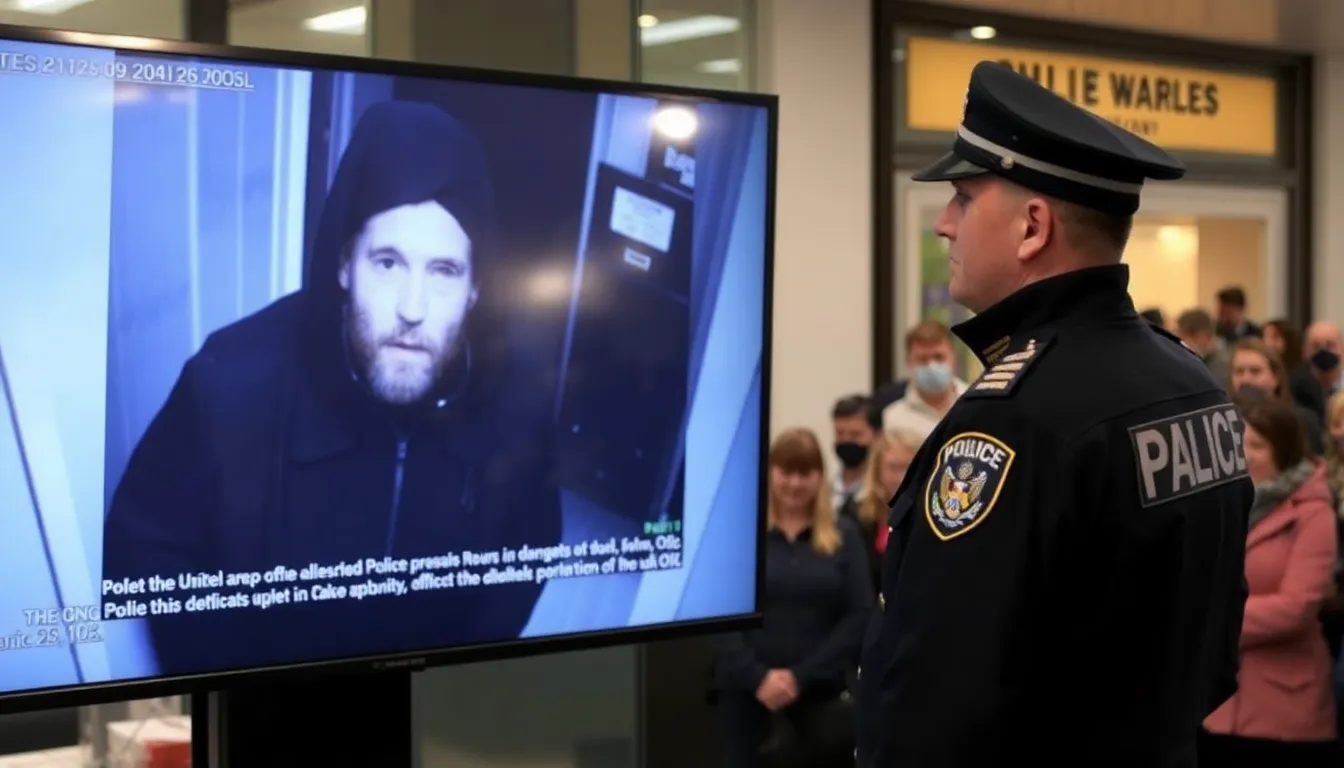
On the local side, the Norwegian government and law enforcement agencies are also heavily involved. They face the challenge of addressing public safety concerns while maintaining diplomatic relations with the United States. The pressure to quickly identify and apprehend the suspect may lead to conflicts regarding civil liberties and the legal processes involved in such investigations.
- Public safety vs. civil liberties: The need for heightened security may infringe on individual rights, leading to debates about surveillance and police powers.
- International relations: How the Norwegian government handles the investigation may impact its diplomatic ties with the U.S. and other nations.
- Media scrutiny: The release of images of the suspect may lead to public pressure on law enforcement to act swiftly, complicating investigative processes.
- Community response: Local residents may experience fear and anxiety, impacting their daily lives and trust in authorities.
Finally, the media plays a crucial role in shaping public perception of the incident. Their reporting can influence community sentiment and the narrative surrounding the suspect and the investigation. The balance between informing the public and respecting the legal process is a delicate one that must be navigated carefully.
The impact of the explosion on local communities and security measures
The recent explosion near the US embassy in Oslo has sent shockwaves through local communities, prompting heightened concerns about security and safety. Residents in the vicinity are particularly affected, facing increased anxiety and disruption in their daily lives. The incident raises questions about the effectiveness of current security measures, leading to a potential reevaluation of protocols in place to protect both citizens and diplomatic missions.
Various industries, especially those related to tourism and hospitality, may experience immediate repercussions. The heightened security presence and potential travel advisories could deter visitors, impacting local businesses reliant on tourism. Additionally, the event may lead to increased scrutiny of public spaces, which can affect the operations of businesses that thrive on foot traffic.
In the mid-term, there may be significant policy implications as government agencies reassess their security strategies. This could result in increased funding for law enforcement and emergency services, creating opportunities for security firms and technology providers specializing in surveillance and safety solutions. However, this also raises concerns about civil liberties and the potential for overreach in surveillance practices.
- Increased security measures around embassies and public spaces.
- Potential decline in tourism and its economic impact on local businesses.
- Opportunities for security technology firms to innovate and expand services.
- Community anxiety and potential changes in public behavior regarding safety.
Overall, while the immediate aftermath of the explosion poses risks to community safety and local economies, it also opens avenues for advancements in security and public safety measures. The balance between ensuring safety and maintaining civil liberties will be a critical focus in the coming months as the community navigates this challenging situation.
A: An explosion occurred at the US embassy in Oslo, causing significant concern among local authorities and the public. The incident is under investigation. A: The released images depict a suspect believed to be involved in the explosion. Authorities hope these images will help identify and locate the individual. A: The police have increased security around the embassy and are actively investigating the incident, seeking public assistance in identifying the suspect. A: As of now, there have been no reports of injuries, but the situation is still being assessed by emergency services. A: In light of this incident, authorities are reviewing and enhancing security protocols at embassies to prevent future occurrences.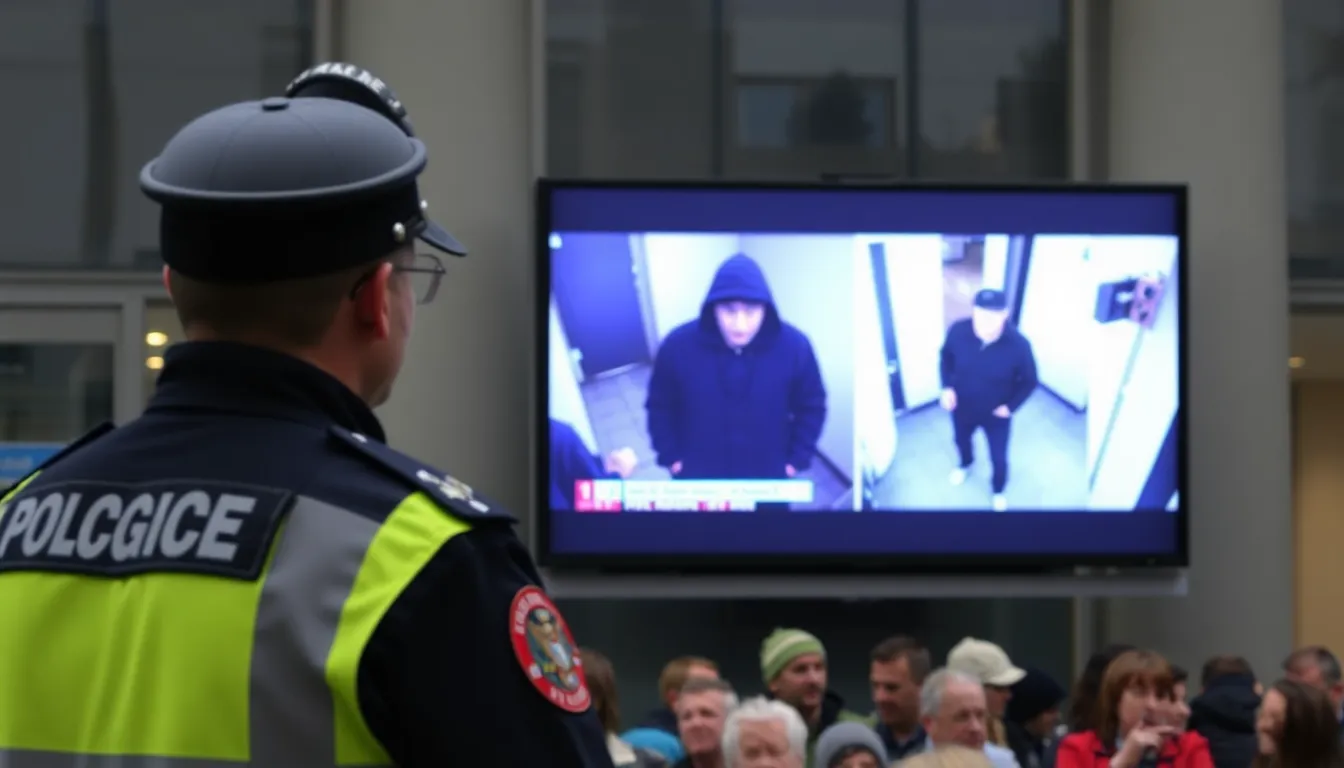
Frequently asked questions about the Oslo embassy explosion
Insights and future outlook on embassy security
The recent explosion at the US embassy in Oslo has raised significant concerns regarding the security of diplomatic missions worldwide. As authorities continue to investigate the incident and search for the suspect, it is crucial to reflect on the broader implications for embassy security protocols and international relations. This incident serves as a reminder of the evolving threats faced by diplomatic entities and the need for heightened vigilance.
In the wake of this event, embassies may need to reassess their security measures and collaborate more closely with local law enforcement agencies. Additionally, the incident could lead to discussions among nations about shared intelligence and resources to prevent similar attacks in the future. Monitoring the developments in this case will be essential for understanding the potential shifts in diplomatic security policies.
- Increased investment in advanced security technologies at embassies worldwide.
- Potential for enhanced collaboration between international intelligence agencies to track threats.
- Greater emphasis on crisis management training for embassy staff in high-risk areas.
- Possible diplomatic discussions focused on the protection of foreign missions and personnel.
- Heightened public awareness and media scrutiny regarding embassy security measures.