
In recent discussions, US military officials indicated that they might consider moving some of the Terminal High Altitude Area Defense (THAAD) systems stationed in South Korea. This follows a broader strategy to optimize defense resources in response to evolving threats. The THAAD system has been a critical component of South Korea’s defense against North Korean missile threats since its deployment in 2017.
South Korean leaders have expressed unease over the proposed changes, fearing that a reduction in missile defense capabilities could leave the country vulnerable to North Korean aggression. The South Korean government has called for clarity from the US regarding its defense commitments, emphasizing the importance of maintaining a robust deterrent against potential attacks.
As the situation develops, both nations are engaged in diplomatic discussions to address these concerns. The US aims to reassure its allies in the region while also adapting its military posture to better respond to emerging threats. The outcome of this strategic review is likely to have significant implications for US-South Korea relations and the overall security landscape in Northeast Asia.
Recommended Articles
- Is the UK government prepared for rising oil prices
- Three men deported by US file legal case against Eswatini
- Comparing the Current Oil Supply Shock to the 1973 Embargo
- Trump officials initiate efforts to replace tariffs overturned by Supreme Court
- Amazon's commitment to AI despite productivity concerns
- Is the UK government prepared for rising oil prices
- Three men deported by US file legal case against Eswatini
- Comparing the Current Oil Supply Shock to the 1973 Embargo
- Trump officials initiate efforts to replace tariffs overturned by Supreme Court
- Amazon's commitment to AI despite productivity concerns
Understanding the historical backdrop of US-South Korea defense relations
The relationship between the United States and South Korea has been shaped by a complex history of conflict, diplomacy, and mutual defense. Following the Korean War (1950-1953), which ended in an armistice rather than a peace treaty, the US established a military presence in South Korea to deter aggression from the North. This military alliance has been a cornerstone of South Korean security policy and has involved significant American investment in defense systems, including the deployment of anti-missile technology.
In 2016, the deployment of the Terminal High Altitude Area Defense (THAAD) system in South Korea marked a significant escalation in US military capabilities in the region. This move was aimed at countering North Korea’s growing missile threats, but it also sparked controversy and backlash from China, which viewed the system as a threat to its own security. The diplomatic fallout from this deployment highlighted the delicate balance the US must maintain in its relationships with both South Korea and China.
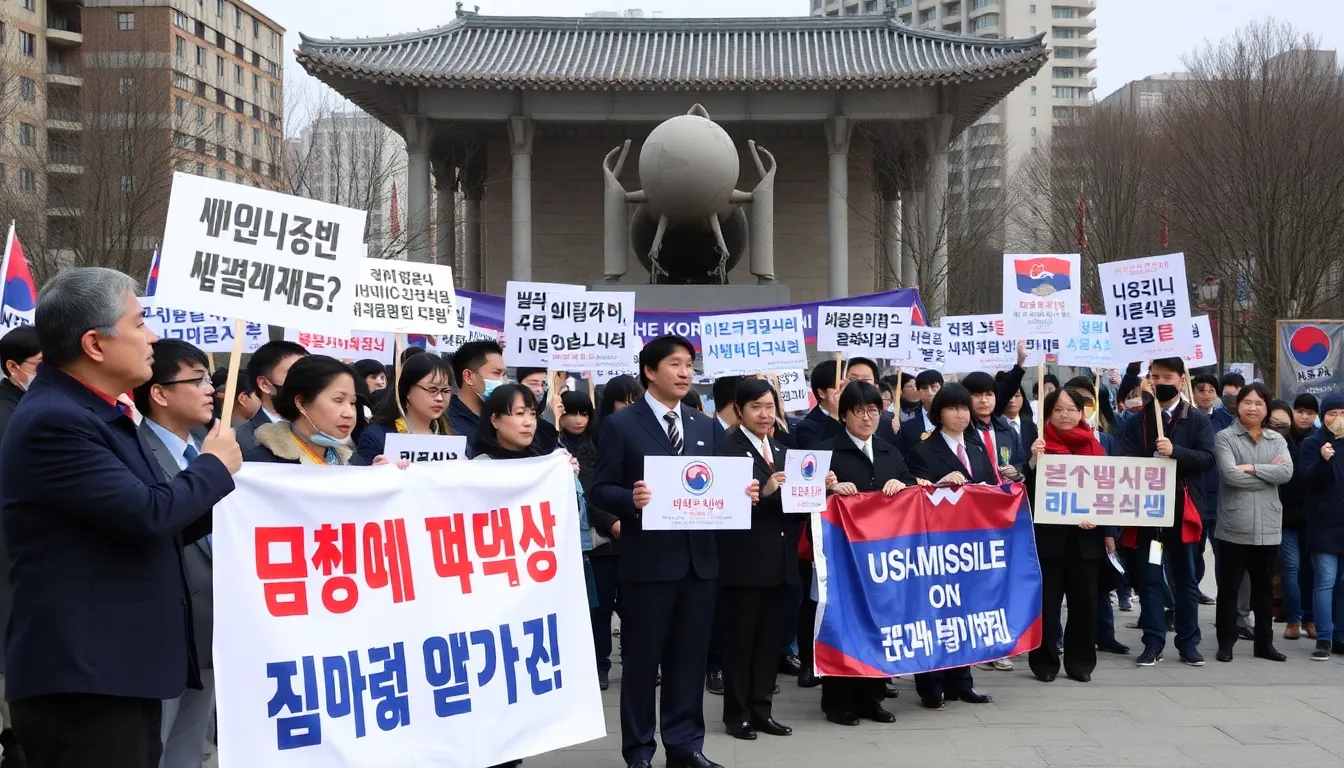
The evolving security landscape
Over the years, the security landscape in Northeast Asia has continued to evolve, influenced by North Korea’s advancing missile technology and the shifting geopolitical dynamics involving China and Russia. The US has periodically reassessed its military posture in the region, leading to discussions about the potential relocation of certain defense assets. Such moves are often seen as necessary for adapting to new threats, but they can also create anxiety among US allies, particularly South Korea, which relies heavily on American military support.
Recent developments, including North Korea’s continued missile tests and the changing priorities of the US military under different administrations, have reignited debates over the future of the US anti-missile system in South Korea. The prospect of relocating these systems raises concerns about the effectiveness of South Korea’s defense and the potential for increased vulnerability to North Korean aggression.
As the US considers adjustments to its military deployments, South Korea finds itself at a crossroads, balancing its security needs with the geopolitical realities of the region. The historical context of US-South Korea defense relations underscores the importance of maintaining a robust alliance while navigating the complexities of international relations in an increasingly multipolar world.
Key stakeholders and the implications of the proposed relocation
The potential relocation of the US anti-missile system has drawn the attention of several key stakeholders, each with distinct interests and concerns. The primary actors include the US government, the South Korean government, regional security analysts, and neighboring countries such as China and North Korea. Each of these stakeholders has a unique perspective on the implications of this shift in military strategy.
The US government is focused on enhancing its strategic defense capabilities in the face of evolving threats, particularly from North Korea. By repositioning its anti-missile system, the US aims to bolster its deterrent posture and reassure its allies in the region. However, this move could provoke regional tensions and alter the balance of power, prompting reactions from rival nations.
South Korea, as a direct host of the US military presence, has significant stakes in this decision. The South Korean government is concerned that relocating the anti-missile system could undermine its national security and leave it vulnerable to North Korean aggression. Additionally, there are economic implications, as public sentiment in South Korea regarding the US military presence can impact trade relations and domestic politics.
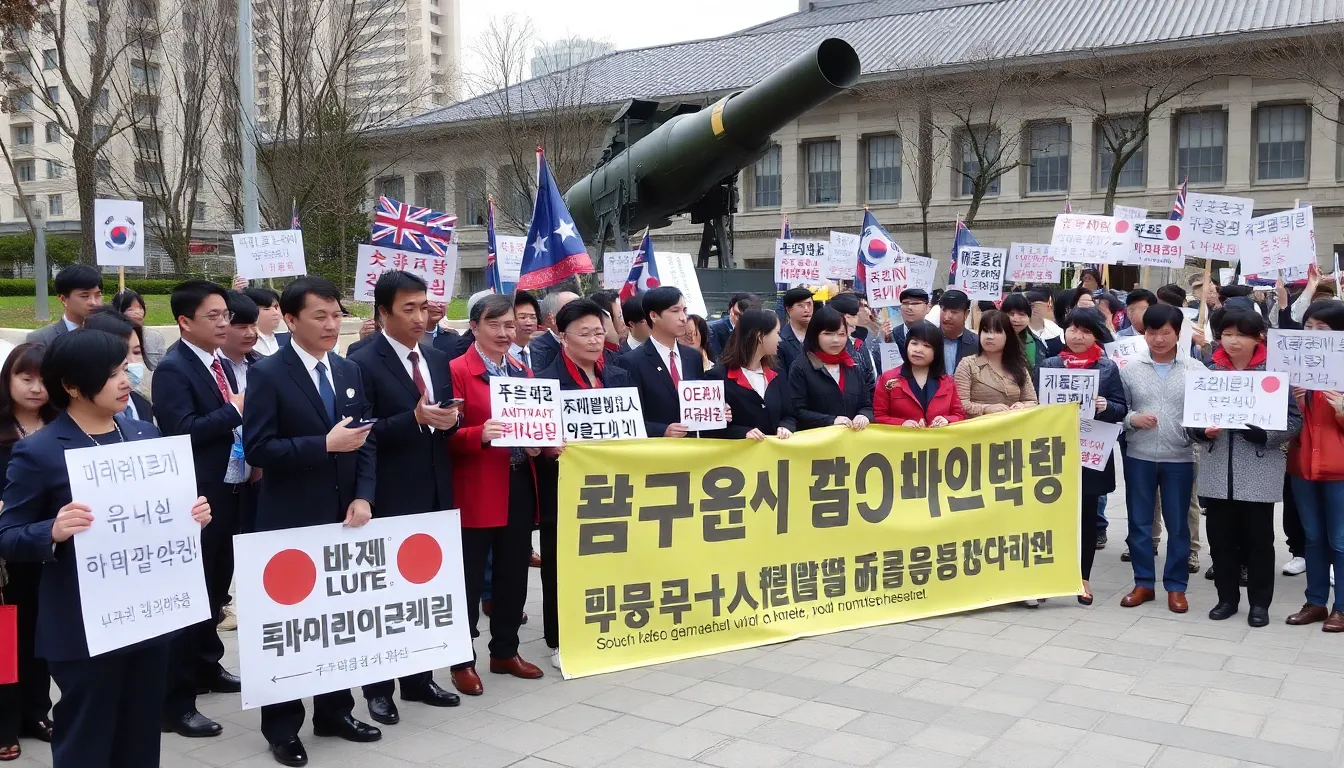
- Increased regional tensions: The relocation may lead to escalated military posturing from North Korea and could strain diplomatic relations with China.
- Domestic political ramifications: The South Korean government may face backlash from citizens who feel insecure about their defense posture.
- Economic considerations: Changes in military strategy could affect trade agreements and economic partnerships in the region.
- Strategic alliances: The US must consider how this move will be perceived by other allies in the Asia-Pacific region.
Moreover, neighboring countries like China view the US anti-missile systems as a threat to their own security interests. China’s response to the relocation could involve diplomatic protests or increased military activity in disputed areas, further complicating the geopolitical landscape. The interplay of these interests highlights the delicate balance that the US must navigate as it reassesses its military strategy in the region.
How this decision could affect security and public sentiment in South Korea
The potential relocation of the US anti-missile system has raised concerns among various groups in South Korea, particularly among government officials, military personnel, and local communities. The South Korean government must navigate the delicate balance of maintaining national security while addressing public anxiety regarding the implications of this decision.
Industries such as defense, technology, and tourism may experience fluctuations in their operations. For instance, defense contractors could see an increase in demand for alternative security solutions, while the tourism sector might face challenges if public sentiment turns negative due to perceived security vulnerabilities. The overall economy could also be affected as investors react to the geopolitical uncertainty.
- Short-term impacts: Heightened anxiety among citizens, potential protests, and increased media scrutiny.
- Mid-term impacts: Shifts in defense spending, changes in diplomatic relations, and possible economic repercussions in trade.
While the risks associated with this decision are significant, there may also be opportunities for South Korea to strengthen its own defense capabilities. By investing in indigenous defense technologies, the country could reduce its reliance on foreign systems and foster domestic innovation. This could lead to job creation and a more resilient economy in the long run.
Public sentiment will play a crucial role in shaping the response to this decision. If citizens perceive the move as a threat to their safety, it could lead to increased support for more robust defense measures. Conversely, if the government successfully communicates the strategic rationale behind the relocation, it may mitigate fears and foster a sense of stability among the populace.
A: The US is evaluating its military assets to enhance strategic flexibility and respond to evolving threats in the region. A: The relocation could lead to increased security concerns among South Koreans and strain US-South Korea relations. A: South Korean officials have expressed unease, emphasizing the importance of maintaining strong defense cooperation with the US. A: The potential shift may provoke North Korea, leading to heightened tensions and possible military provocations. A: Yes, both countries are likely to engage in discussions to mitigate fears and ensure regional stability.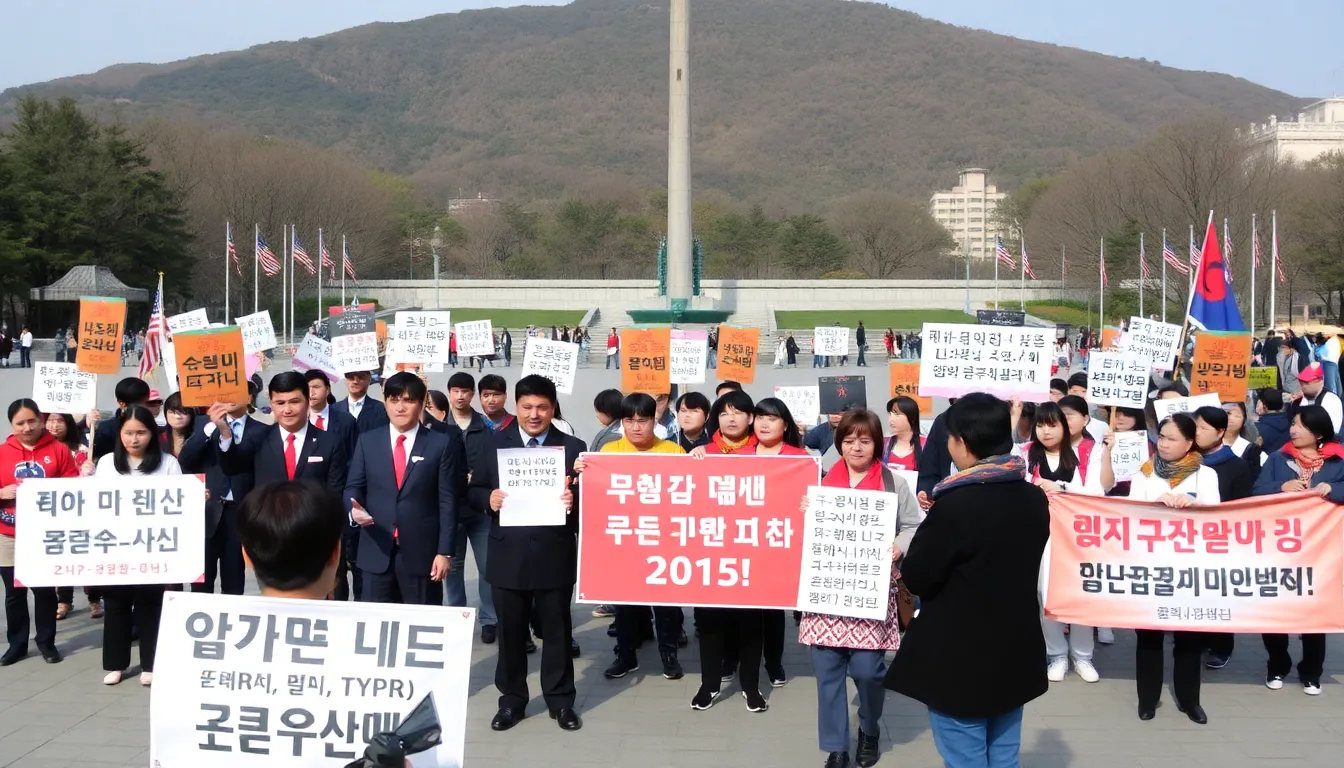
Frequently Asked Questions about the US anti-missile system relocation
Looking ahead: potential outcomes and key takeaways
The potential relocation of the US anti-missile system has introduced a complex dynamic in the region, particularly affecting South Korea’s security landscape. As the US reassesses its military assets in response to evolving threats, South Korea must navigate the implications of these changes, balancing its defense needs with diplomatic relations in the region.
Monitoring the reactions from North Korea and China will be crucial, as both countries may respond strategically to the US’s military posture. Additionally, the internal political climate in South Korea could influence how the government approaches its defense strategy moving forward.
- Watch for shifts in North Korea’s military activity as a reaction to the US’s potential repositioning of missile defenses.
- South Korea may seek to enhance its own military capabilities or forge new defense partnerships to mitigate perceived vulnerabilities.
- The US’s decision could impact its relations with South Korea, prompting discussions on shared defense responsibilities.
- Regional stability may be tested, necessitating close observation of diplomatic engagements among the US, South Korea, and neighboring countries.
- Public sentiment in South Korea regarding defense policies may evolve, influencing future electoral outcomes and government strategies.