
Notably, several prominent vertical farming companies, including Bowery Farming and Plenty, have reported significant layoffs and restructuring efforts in recent months. These companies, which once heralded a new era of sustainable agriculture, are now grappling with the reality of high energy expenses and supply chain issues that have been exacerbated by global economic conditions. For more insights on operational challenges, see our article on steelworks facing £1.3m daily operational costs.
The market dynamics are shifting as consumers continue to favor fresh produce at competitive prices, often found in traditional grocery stores. As of October 2023, reports indicate that vertical farms are unable to match the price points of field-grown crops, leading to a decline in consumer interest and sales. This aligns with broader trends discussed in our feature on the last voices of the Covid inquiry.
Industry experts emphasize that while vertical farming technology has potential, the current economic landscape poses substantial barriers to its widespread adoption. The lack of a robust regulatory framework and the need for significant investments in infrastructure further complicate the situation for these innovative agricultural ventures.
Understanding the rise of vertical farming and its intended benefits
The concept of vertical farming emerged in the late 20th century as a response to the growing challenges of urbanization, climate change, and food security. As urban populations swelled, the demand for fresh produce surged, leading to a need for innovative agricultural solutions that could be implemented within city limits. Vertical farms, utilizing stacked layers of crops grown in controlled environments, promised to deliver fresh produce year-round while minimizing land use and reducing transportation emissions.
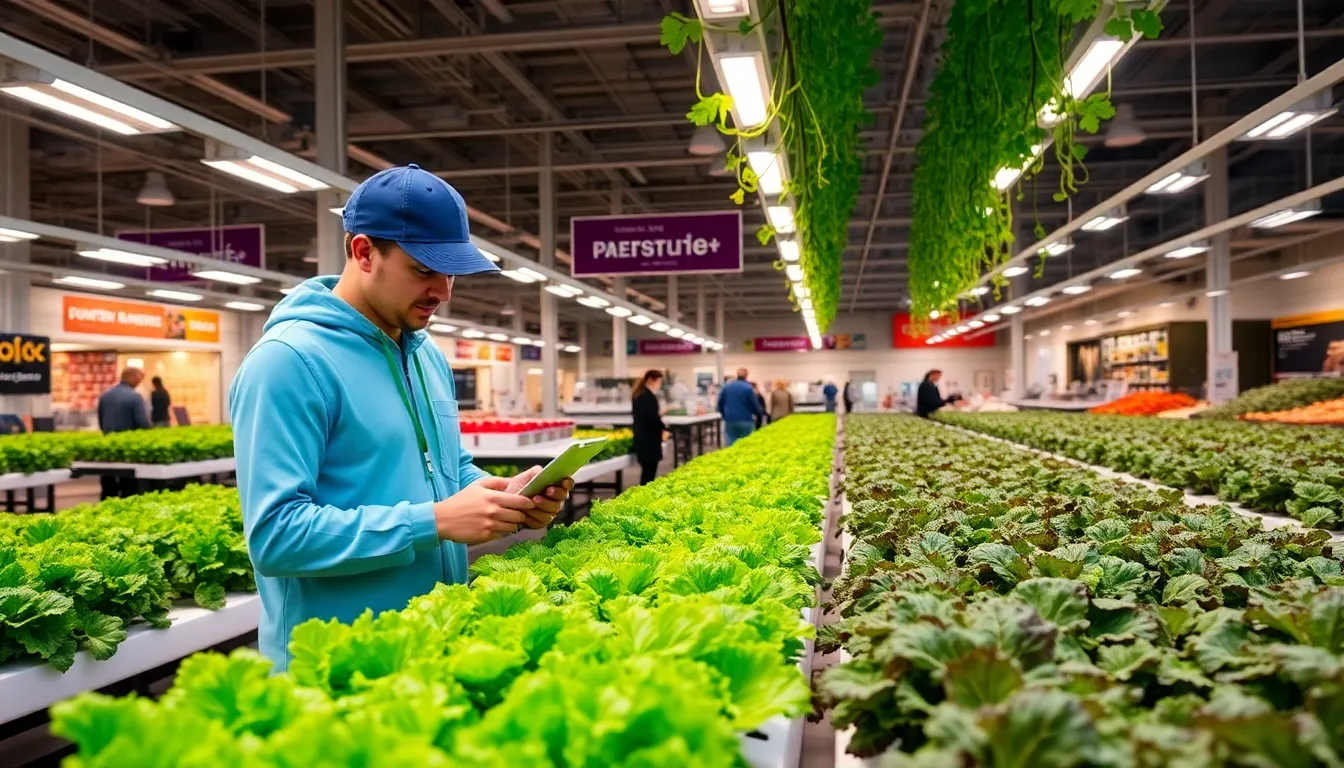
In the early 2000s, advancements in hydroponics and LED technology further propelled the vertical farming movement. Entrepreneurs and investors recognized the potential for these high-tech farms to revolutionize food production, particularly in densely populated areas where traditional farming was impractical. The promise of reduced water usage, lower pesticide application, and the ability to grow crops in urban centers attracted significant investment, leading to the establishment of numerous vertical farming startups.
The economic landscape and challenges
Despite the initial optimism, the economic viability of vertical farming has come under scrutiny. High operational costs, including energy consumption and the need for advanced technology, have made it difficult for many vertical farms to compete with traditional open-field agriculture. While vertical farms can produce high-quality, pesticide-free vegetables, the price point often remains higher than that of conventionally grown produce, limiting their market appeal.
Moreover, the COVID-19 pandemic highlighted vulnerabilities in supply chains and increased interest in local food systems. However, while some vertical farms thrived during this period, many others struggled to maintain profitability. The reliance on technology and energy-intensive processes has raised questions about sustainability, leading to a reevaluation of the long-term feasibility of vertical farming as a widespread solution to food production.
As the industry continues to evolve, it faces the challenge of finding a balance between innovation and practicality. The initial vision of vertical farming as a sustainable alternative to traditional agriculture is being tested against the realities of operating costs and consumer preferences, prompting a broader conversation about the future of food production in an ever-changing world.
Key stakeholders and issues affecting vertical farming’s success
Vertical farming has emerged as a modern solution to food production, attracting various stakeholders including entrepreneurs, investors, agricultural scientists, and governments. Each of these groups has distinct interests that shape the landscape of vertical farming. Entrepreneurs and startups are primarily motivated by profit and innovation, while investors seek returns on their investments. Governments, on the other hand, focus on food security, sustainability, and economic development.
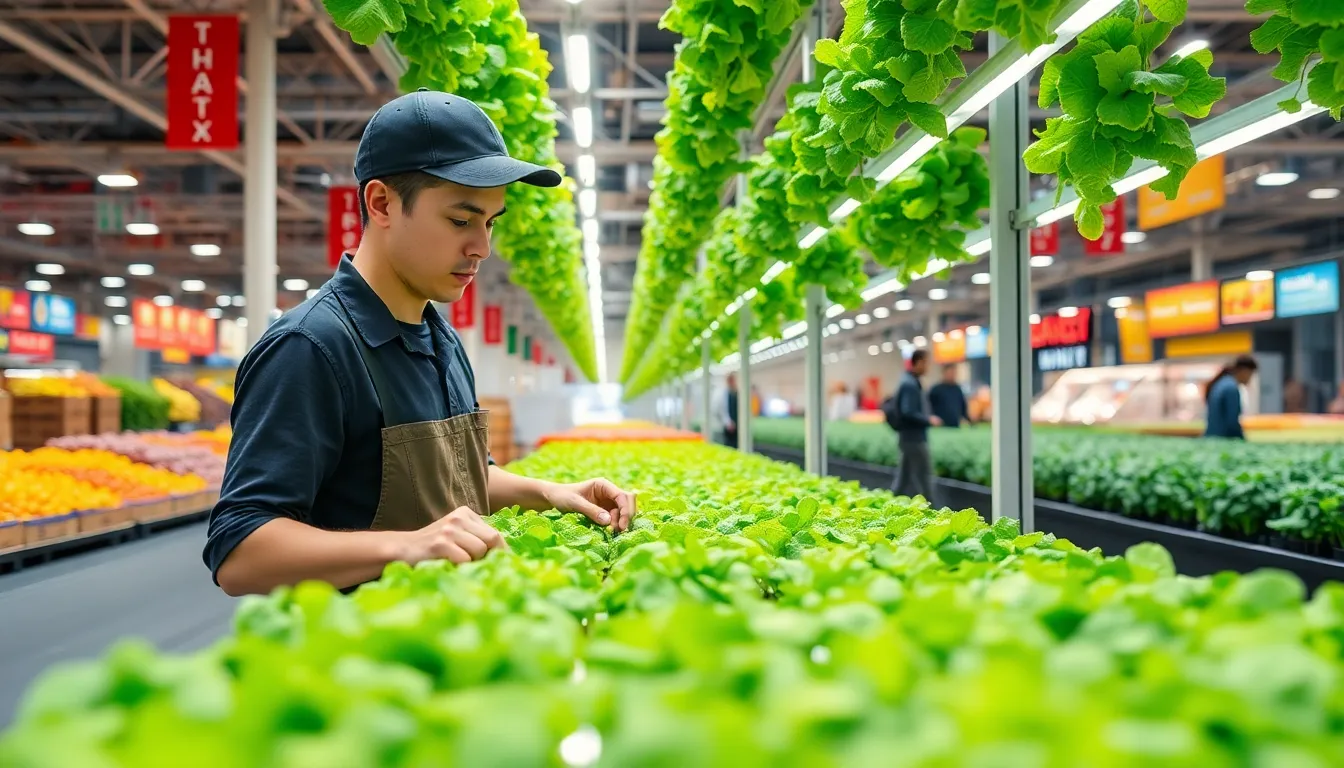
One of the major conflicts arises between vertical farming operations and traditional open-field farmers. Open-field farming has established practices, economies of scale, and lower operational costs, which give it a competitive edge. This creates tension as vertical farms strive to carve out a market share while addressing the skepticism of consumers and farmers alike regarding their viability and sustainability. These dynamics are crucial as they relate to the ongoing discussions about sustainable practices in different sectors.
Key legal and economic issues also play a significant role in the vertical farming sector. Regulations concerning land use, zoning laws, and agricultural practices can hinder the establishment and expansion of vertical farms. Additionally, the high initial investment and operational costs associated with technology and infrastructure pose significant economic challenges. The following points highlight critical scenarios affecting the industry:
- Market acceptance: Consumers may prefer the taste and freshness of traditionally grown produce, affecting demand for vertically farmed products.
- Technological advancements: Innovations in hydroponics and automation could either provide a competitive advantage or exacerbate the financial barriers for new entrants.
- Environmental regulations: Stricter sustainability standards may require vertical farms to adapt their practices, impacting profitability.
- Supply chain dynamics: The integration of vertical farms into existing supply chains can create logistical challenges and affect pricing strategies.
- Public perception: The perception of vertical farming as a ‘green’ solution may be challenged by its energy consumption and resource use.
The impact of vertical farming on local economies and consumers
Vertical farming has emerged as a promising alternative to traditional open field farming, but its challenges are beginning to ripple through various sectors. Farmers, consumers, and local economies are feeling the effects, as the competition between these two agricultural methods intensifies.
In the short term, local farmers who rely on open field farming may experience financial strain as vertical farms attempt to capture market share. This could lead to a decline in crop prices, impacting the livelihoods of those in rural areas. Additionally, consumers may find themselves facing fluctuating prices for fresh produce as the supply chain adjusts to the competition.
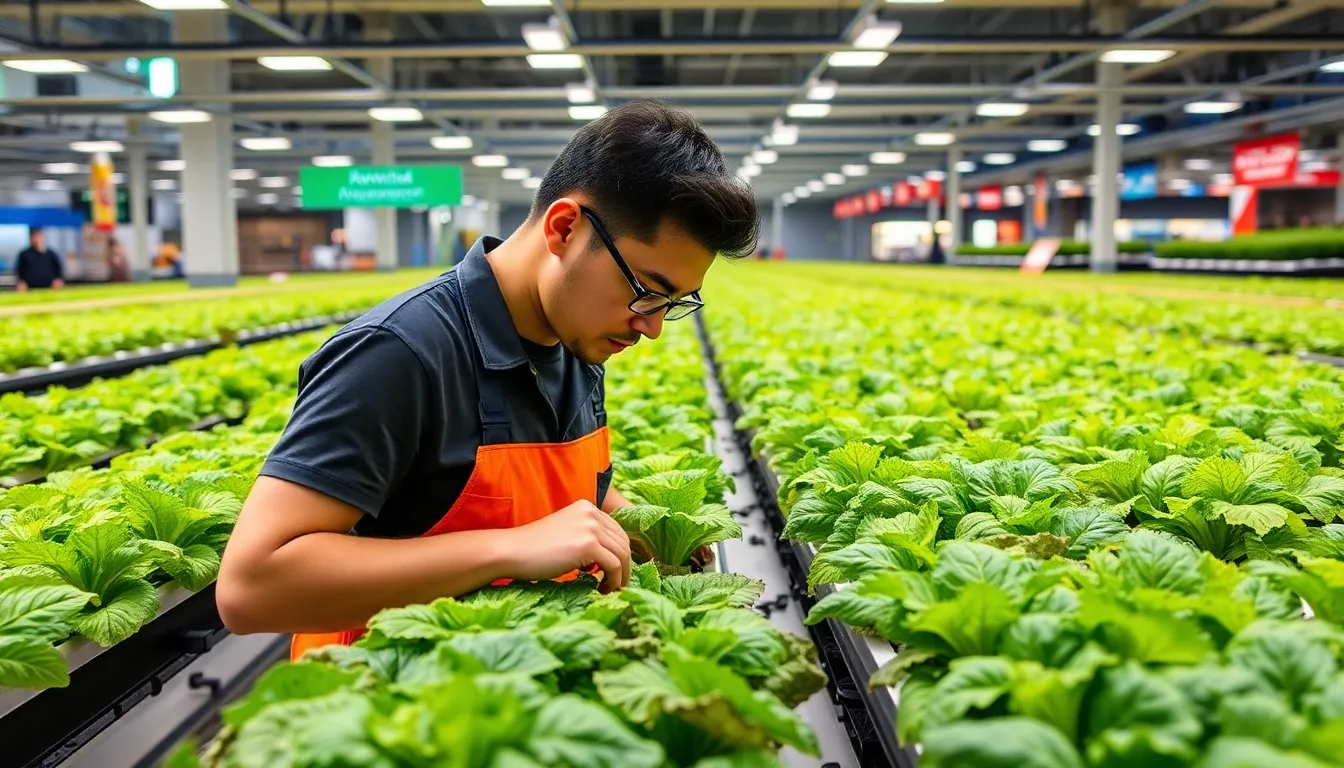
In the mid-term, the struggle between vertical farms and traditional agriculture could influence agricultural policies. Governments may need to reassess support systems for farmers, potentially leading to new regulations or subsidies aimed at balancing the interests of both farming methods. This could also spark discussions about sustainability and food security, as vertical farms promote reduced land use and water consumption.
- Risks: Financial instability for traditional farmers, potential job losses in rural areas, and market volatility.
- Opportunities: Innovation in agricultural technology, increased availability of fresh produce, and potential urban job creation in vertical farming facilities.
Regions with a high concentration of vertical farms may see a shift in consumer behavior, as urban dwellers increasingly demand locally sourced and sustainably grown food. This shift could lead to a revitalization of urban areas and a new focus on local food systems. However, it also poses a risk of alienating traditional farmers who may struggle to compete with the efficiency and appeal of vertical farming.
A: Vertical farms are indoor farming systems that utilize vertical space to grow crops, often using hydroponics or aeroponics. They aim to produce food in urban areas and reduce the carbon footprint associated with traditional farming. A: Vertical farms face high operational costs, limited crop variety, and competition from established open field farms. These factors make it challenging to achieve profitability and sustainability. A: Vertical farming can reduce water usage, eliminate the need for pesticides, and minimize transportation emissions by growing food closer to urban centers. However, energy consumption for lighting and climate control can offset some of these benefits. A: Vertical farming can lead to higher food prices due to the costs associated with technology and infrastructure. This can make it difficult for consumers to choose vertical farm products over cheaper, traditionally farmed options. A: Yes, some vertical farms have found success by focusing on niche markets or high-value crops, but many still struggle to scale operations effectively and compete on price.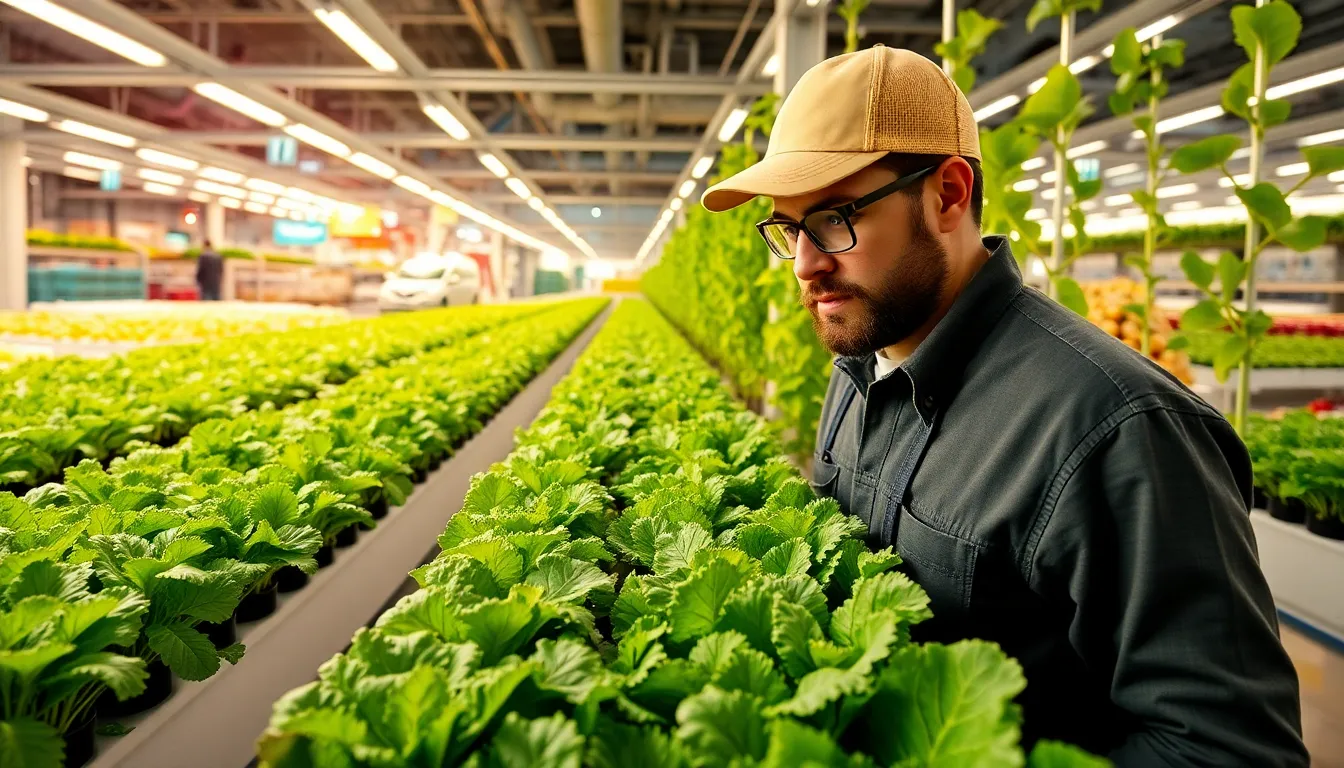
Frequently asked questions about vertical farming and its challenges
Looking ahead: The future of vertical farming in agriculture
As vertical farming continues to evolve, it faces a complex landscape marked by both challenges and opportunities. While initial enthusiasm for this innovative approach to agriculture has been tempered by high operational costs and competition from traditional farming methods, there are still significant avenues for growth and adaptation. The success of vertical farms may hinge on their ability to leverage technology, optimize resource use, and carve out niche markets that complement rather than compete with conventional agriculture.
Future developments in vertical farming will likely focus on improving efficiency and sustainability. As consumer preferences shift towards locally sourced and environmentally friendly products, vertical farms could play a crucial role in meeting these demands. However, the industry must also navigate economic realities and consumer perceptions to establish a viable foothold in the agricultural sector.
- Watch for advancements in technology that could reduce costs and improve crop yields in vertical farms.
- Monitor the regulatory landscape as governments may introduce incentives for sustainable farming practices.
- Consider the potential for vertical farms to supply urban areas, reducing transportation costs and carbon footprints.
- Stay informed about consumer trends favoring organic and locally sourced food, which could benefit vertical farming.
- Evaluate partnerships between vertical farms and traditional agricultural businesses to create hybrid models that enhance overall productivity.