
In October 2023, several users highlighted instances of false claims being shared on Polymarket’s Twitter account, raising concerns about the platform’s role in disseminating misinformation. These posts often feature speculative assertions about political events, public health issues, and social trends, which can influence user behavior and decision-making. For a deeper understanding of related issues, you can read about Concerns About the Safety of Plasma Donation in Canada.
The implications of this situation are significant, as misinformation can lead to misguided bets and skewed perceptions of reality among users. Experts warn that if Polymarket does not address these issues, it risks eroding trust among its user base and could potentially face regulatory scrutiny from authorities concerned about the integrity of information shared on its platform.
As the platform continues to navigate this challenge, stakeholders are calling for clearer guidelines and more robust moderation practices to ensure that information shared reflects a commitment to truthfulness. The outcome of these efforts could shape the future of Polymarket and its reputation in the burgeoning field of prediction markets.
Understanding Polymarket’s role in the prediction market landscape
Founded in 2020, Polymarket emerged as a pioneering platform in the realm of prediction markets, where users can bet on the outcomes of various events, ranging from political elections to sports results. The platform’s unique selling point lies in its claim to offer a marketplace for truth, allowing users to leverage collective intelligence to forecast future events. However, this ambitious vision has been clouded by controversies surrounding the accuracy of information shared on its social feeds and the potential for misinformation.

The rise of Polymarket coincided with an increasing public interest in alternative forms of betting and forecasting, particularly during the tumultuous political climate of the 2020 U.S. presidential election. As traditional news sources struggled with credibility issues, platforms like Polymarket attracted users eager for more engaging and interactive ways to assess political outcomes. This shift highlighted a growing trend where financial stakes were directly tied to the perceived accuracy of information, thus blurring the lines between entertainment and serious forecasting.
However, as Polymarket gained traction, it also faced scrutiny over the reliability of the data and predictions circulating within its ecosystem. Critics have pointed out that the platform’s social feeds often feature misleading or false information, which can skew user perception and lead to ill-informed betting decisions. This issue is not unique to Polymarket but reflects broader challenges in the prediction market industry, where the rapid dissemination of unverified claims can undermine the integrity of the market, a concern also noted in discussions about Trump’s mixed messages on the war.
The Evolution of Prediction Markets
Prediction markets have a long history, dating back to the Iowa Electronic Markets established in the late 1980s. These markets were designed to aggregate information and provide insights into electoral outcomes. Over the years, various platforms have emerged, each grappling with the balance between open participation and the risk of misinformation. Polymarket’s approach, while innovative, raises essential questions about how to maintain credibility in a decentralized marketplace where anyone can contribute to the discourse.
Examining the implications of misinformation on user trust and market integrity
The rise of Polymarket, a platform that allows users to bet on the outcomes of various events, has attracted significant attention. However, the presence of misinformation within its social feeds raises critical questions about the integrity of the market and user trust. Stakeholders involved include the platform itself, its users, regulatory bodies, and the broader public interested in accurate information dissemination.
Polymarket’s primary interest lies in maintaining a user-friendly environment that encourages participation and engagement. However, as misinformation proliferates, the platform risks damaging its reputation and user trust. Users, on the other hand, seek reliable information to make informed betting decisions, creating a conflict between the platform’s operational interests and the need for accurate data.

Regulatory bodies are increasingly scrutinizing platforms like Polymarket, highlighting the need for compliance with laws governing gambling and information accuracy. This scrutiny raises key legal issues regarding the responsibility of the platform to monitor and manage misinformation effectively. Failure to address these concerns could lead to legal repercussions and a loss of user confidence.
- User Trust: Misinformation can erode user trust, leading to decreased participation and revenue.
- Market Integrity: The presence of false information can distort market predictions, undermining the platform’s credibility.
- Regulatory Compliance: Increased scrutiny may necessitate changes in platform policies to align with legal standards.
- Community Impact: Misinformation can spread beyond the platform, affecting public perception and discourse.
- Long-term Viability: Addressing misinformation is crucial for the sustainability of the platform in a competitive market.
In navigating these challenges, Polymarket must strike a balance between fostering an open marketplace and ensuring the accuracy of information shared among users. The ongoing dialogue around misinformation will likely shape the future of not only Polymarket but also similar platforms in the digital betting landscape, much like the insights explored in BBC Inside Science.
The effects of misinformation on users and the broader market
The proliferation of misinformation on platforms like Polymarket affects a wide range of groups, particularly casual users, investors, and industry analysts. These stakeholders rely on accurate information to make informed decisions, and the presence of falsehoods can lead to misguided actions and investments. Additionally, the credibility of the platform itself is at stake, which can deter potential users and investors from engaging with the service.
In the short term, users may experience confusion and frustration as they navigate through misleading content, potentially leading to poor decision-making. Businesses that rely on accurate market predictions and sentiment analysis could face losses due to skewed data resulting from misinformation. This could also influence policy discussions, as lawmakers may respond to incorrect public sentiment reflected in the platform’s outputs.
Mid-term impacts may include a loss of trust in prediction markets and similar platforms, which could stifle innovation and growth within the sector. As users become more skeptical, they may seek alternative platforms that promise greater accuracy and transparency. This shift could lead to a consolidation of market share among more reputable services, thereby reshaping the competitive landscape.
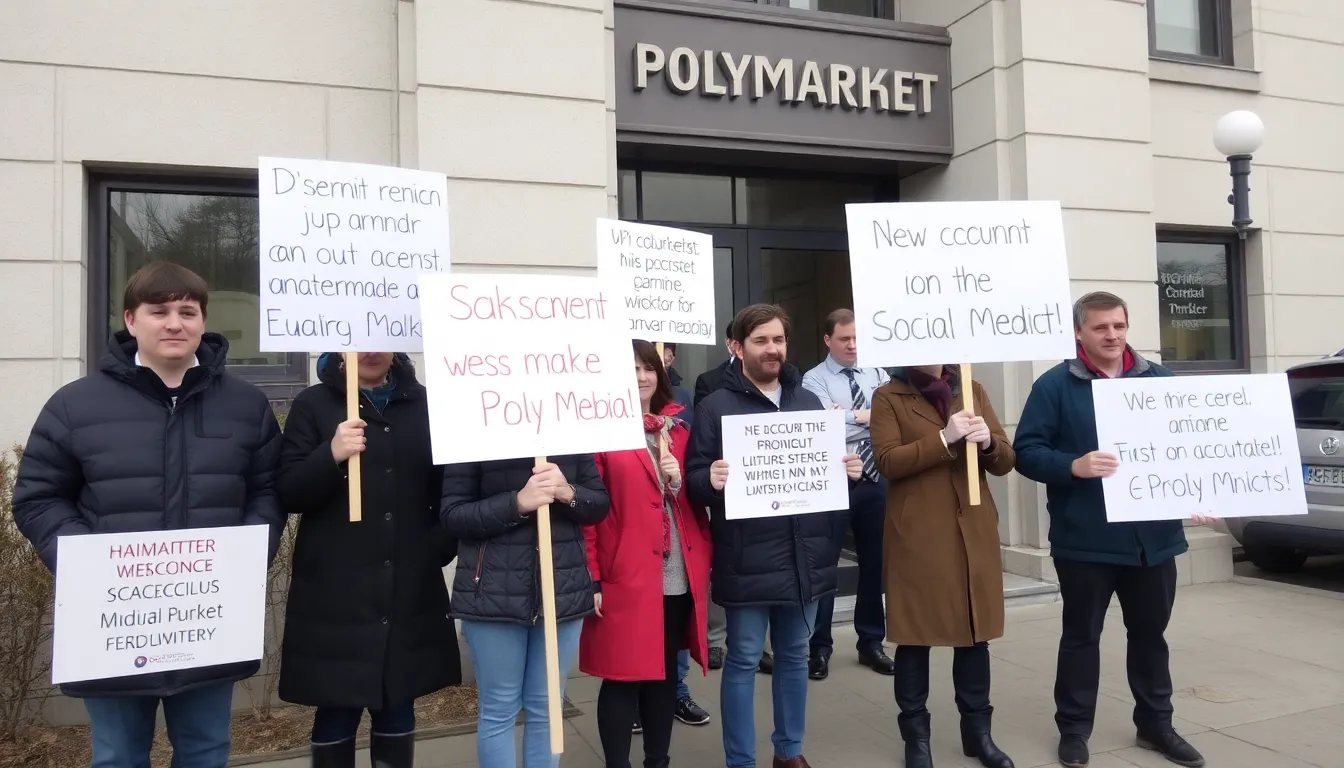
- Risks: Increased user skepticism, potential financial losses, and regulatory scrutiny.
- Opportunities: Development of enhanced verification tools, growth for competitors with stricter accuracy standards, and potential partnerships with fact-checking organizations.
Ultimately, the impact of misinformation extends beyond individual users, influencing entire industries and shaping public discourse. As the market grapples with these challenges, stakeholders must adapt to navigate the evolving landscape effectively.
A: Polymarket is a decentralized prediction market platform where users can bet on the outcomes of various events. It aims to provide a marketplace for information and opinions. A: Polymarket is facing criticism for its social media feeds that are allegedly filled with falsehoods, which contradicts its stated mission of dealing in truth. A: Misinformation can lead to poor decision-making among users, eroding trust in the platform and potentially impacting market outcomes. A: Polymarket has stated that it is working on improving content moderation and ensuring that accurate information is shared on its platforms. A: Yes, users are encouraged to report any misinformation they encounter, which can help improve the overall quality of information shared.
Frequently Asked Questions about Polymarket and misinformation
Key takeaways and future outlook for Polymarket
Polymarket’s commitment to providing a platform for truth is increasingly challenged by the prevalence of misinformation within its social feeds. As users navigate this landscape, understanding the implications of these dynamics becomes essential for both the platform and its participants. The intersection of prediction markets and social media raises critical questions about the integrity of information and the potential consequences for decision-making.
Looking ahead, stakeholders should remain vigilant about the evolving nature of misinformation on platforms like Polymarket. The ability to discern credible information from falsehoods will be crucial for users aiming to make informed predictions and investments. Additionally, the platform’s response to these challenges will play a significant role in shaping its reputation and user trust.
- Monitor misinformation trends: Keep an eye on the types of falsehoods that circulate within Polymarket’s feeds to identify patterns and sources.
- User education: Encourage users to develop critical thinking skills and verify information before making predictions.
- Platform accountability: Watch for how Polymarket addresses the issue of misinformation and what measures they implement to enhance information integrity.
- Regulatory landscape: Stay informed about potential regulations that may impact prediction markets and their operations regarding misinformation.
- Community engagement: Foster discussions within the Polymarket community about the importance of truth and responsible information sharing.