
The new rules empower law enforcement to request passwords during investigations related to national security offenses. This shift raises concerns among civil liberties advocates, who argue that it could infringe on individual privacy rights and deter free expression in the city. A recent article discusses the implications of new restrictions on personal freedom, underscoring the importance of vigilance against such changes.
Authorities contend that the ability to access personal devices is crucial for effective law enforcement, particularly in cases involving organized crime or terrorism. However, critics warn that the broad application of these powers may lead to potential abuses and increased surveillance of citizens.
The regulations have sparked a heated debate within the community, with many questioning the balance between security and personal freedoms. As the situation evolves, the implications of these new powers for both residents and law enforcement will continue to be closely monitored.
Understanding the background of national security laws in Hong Kong
The introduction of national security laws in Hong Kong represents a significant shift in the region’s legal landscape, deeply rooted in the historical context of its governance. Following the 1997 handover from British rule to Chinese sovereignty, Hong Kong was promised a high degree of autonomy under the “one country, two systems” principle. However, over the years, tensions between the local populace and the central government in Beijing have escalated, particularly concerning issues of civil liberties and political dissent.
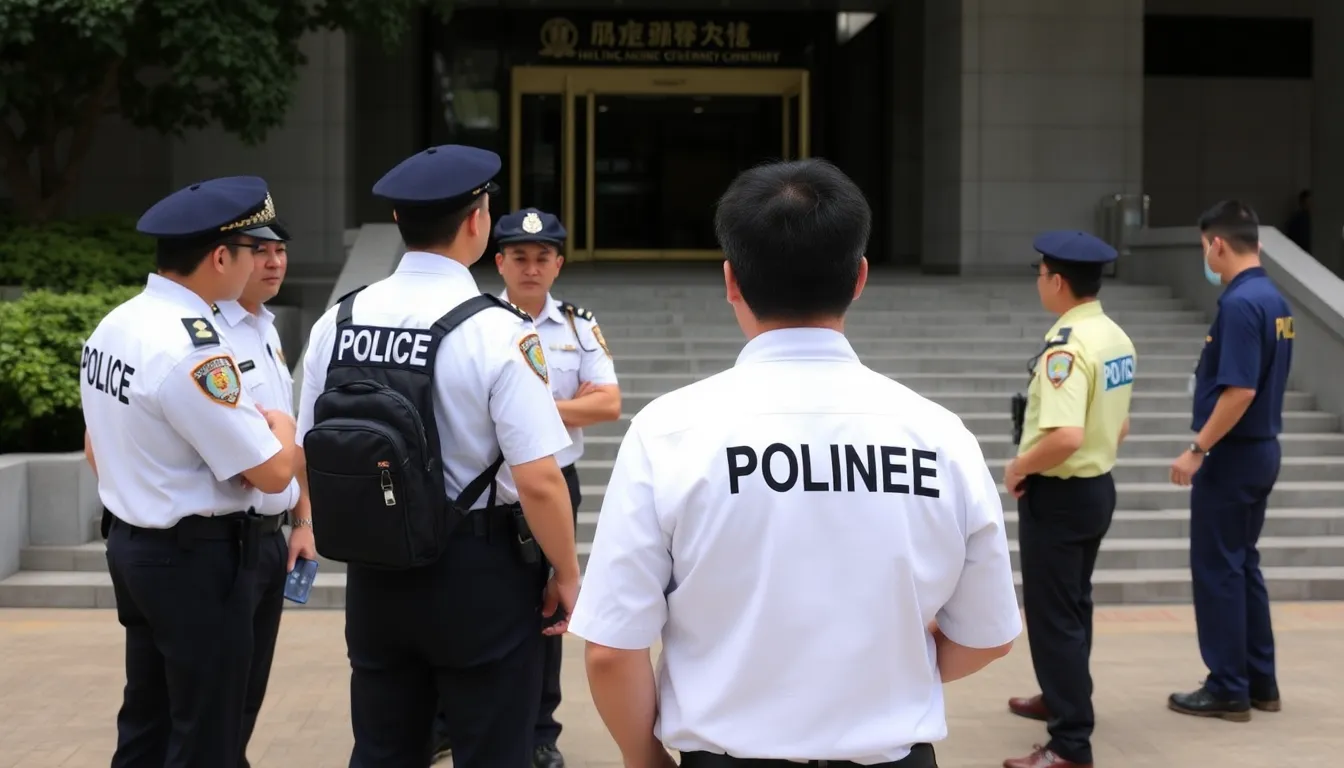
In 2019, widespread protests erupted in response to a proposed extradition bill, which many viewed as a threat to Hong Kong’s judicial independence. The protests quickly evolved into a broader movement advocating for democratic reforms and greater freedoms. In response, the Chinese government implemented the National Security Law in June 2020, aimed at curbing dissent and restoring order. This law has since been criticized for its vague definitions of offenses such as secession and subversion, leading to concerns about its implications for personal freedoms and privacy.
Key developments leading to the new regulations
One of the most significant milestones in the enforcement of the National Security Law was the establishment of a dedicated national security police force, which was tasked with investigating and prosecuting related offenses. As part of this enforcement strategy, the police were granted expanded powers, including the ability to demand access to personal digital devices such as smartphones. For further context on automation and its implications, consider exploring the role of Moss in criminal investigations.
The growing scrutiny and enforcement of the law have also led to a chilling effect on media and civil society, with numerous activists, journalists, and politicians facing charges under the new regulations. As the Hong Kong government continues to tighten its grip on dissent, the demand for phone passwords symbolizes a broader trend of surveillance and control that has emerged in the wake of the national security measures.
Examining the implications for civil liberties and law enforcement
The recent introduction of new national security rules in Hong Kong, allowing police to demand phone passwords, has sparked significant debate among various stakeholders. Key actors include the Hong Kong government, law enforcement agencies, civil liberties organizations, and the general public. Each of these groups has distinct interests and concerns regarding the balance between security and personal freedoms, similar to how recent regulations have impacted dog owners as discussed in another article.
For the Hong Kong government and law enforcement, the primary interest lies in enhancing national security and combating crime. The ability to access personal devices is seen as a tool to gather evidence and thwart potential threats. However, this raises questions about the extent of state power and the implications for citizens’ rights to privacy and freedom from unwarranted surveillance.
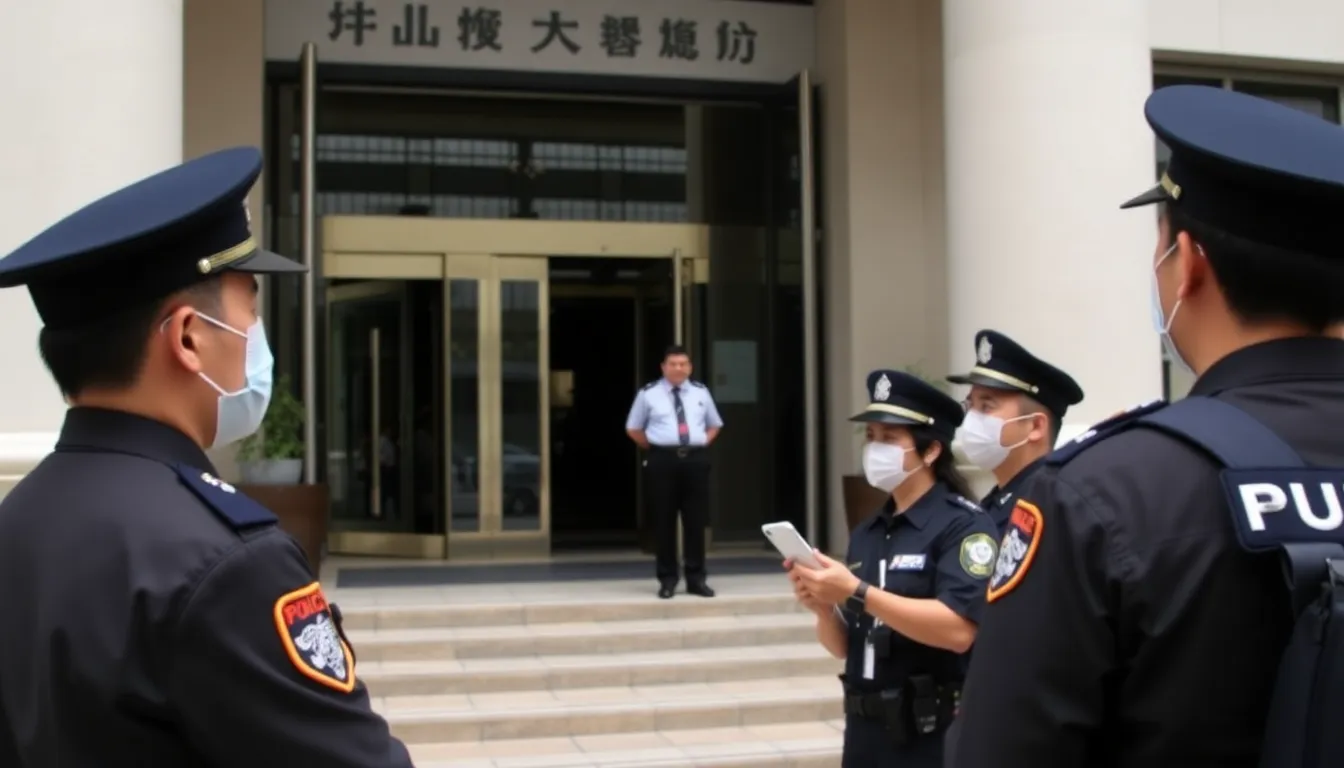
On the other hand, civil liberties organizations and human rights advocates express concerns over potential abuses of this power. They argue that the new rules could lead to invasive practices and a chilling effect on free speech, as individuals may fear repercussions for expressing dissenting views. This conflict highlights the trade-off between ensuring public safety and protecting individual freedoms.
- Increased surveillance: The new rules may lead to heightened surveillance of citizens, impacting their privacy rights.
- Legal challenges: Potential legal battles may arise as individuals contest the legitimacy of police demands for personal information.
- Public trust: The relationship between the community and law enforcement could be strained, affecting public trust in the police.
- International scrutiny: The rules may attract criticism from international human rights organizations, further complicating Hong Kong’s global standing.
Ultimately, the implementation of these national security measures presents a complex landscape where the interests of security and civil liberties must be carefully weighed. As this situation evolves, ongoing dialogue among stakeholders will be crucial in navigating the implications for society as a whole.
Potential effects on citizens and the tech industry
The recent implementation of new national security rules in Hong Kong, allowing police to demand phone passwords, has significant implications for various groups and industries. Citizens, particularly those involved in activism, journalism, and legal professions, are likely to feel the immediate effects of these regulations. The atmosphere of surveillance and potential infringement on privacy rights may lead to increased anxiety and caution among residents.
In the tech industry, companies that develop communication and encryption technologies may face pressure to comply with new regulations, potentially compromising user privacy. This could lead to a shift in how tech firms operate in Hong Kong, as they weigh the need for compliance against their commitment to user security. Additionally, international tech firms may reconsider their presence in the region, impacting local employment and innovation.
- Short-term impacts: Increased self-censorship among citizens, particularly those in sensitive professions.
- Mid-term impacts: Potential decline in foreign investment as companies reassess the risks of operating in a surveillance-heavy environment.
- Risks: Erosion of trust in technology and communication platforms, leading to a possible decline in user engagement.
- Opportunities: Growth in demand for privacy-focused technologies and services as individuals seek alternatives to mainstream solutions.
The implications of these new regulations extend beyond immediate concerns, potentially reshaping the relationship between citizens and the state. As daily life becomes increasingly monitored, the risk of public dissent may diminish, but at the cost of a vibrant civil society. Businesses may need to adapt to a new landscape where compliance with security requests becomes a regular operational consideration.
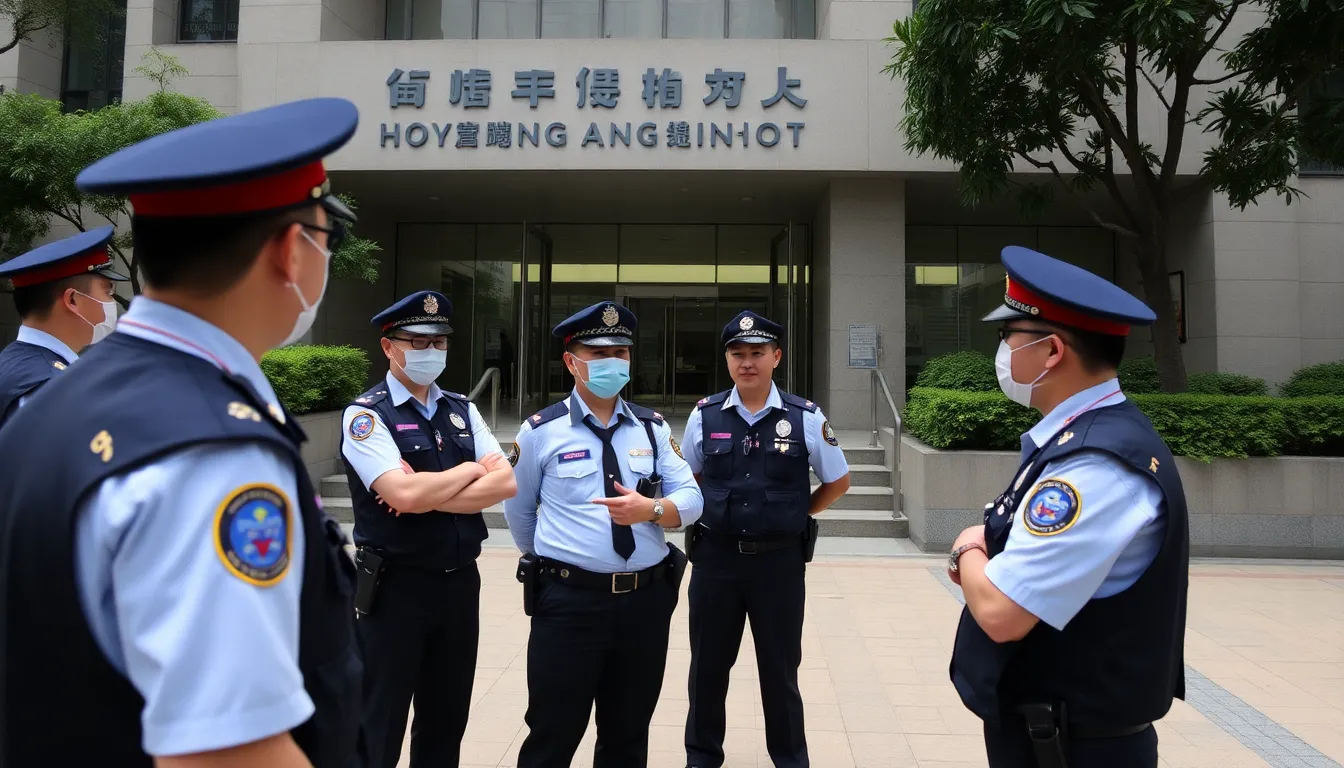
Moreover, while the immediate response may be one of resistance and fear, there is also a potential for innovation in privacy-centric technologies. Entrepreneurs and startups focusing on secure communication tools may find new opportunities to cater to a market increasingly concerned about data privacy and security. Ultimately, the balance between security and personal freedoms will play a crucial role in shaping the future of Hong Kong’s social and economic landscape.
A: The new law allows Hong Kong police to demand access to phone passwords during investigations related to national security. This raises concerns about privacy and the extent of police powers. A: Many fear that this could lead to increased surveillance and a violation of personal privacy rights. Citizens may feel less secure about their personal data. A: Critics argue that there are insufficient checks and balances in place to prevent abuse of power by law enforcement under these new regulations. A: Legal experts suggest that there may be challenges based on constitutional rights, but the outcome remains uncertain given the current political climate. A: Public reaction has been mixed, with many expressing concerns over privacy, while others support the measures as necessary for national security.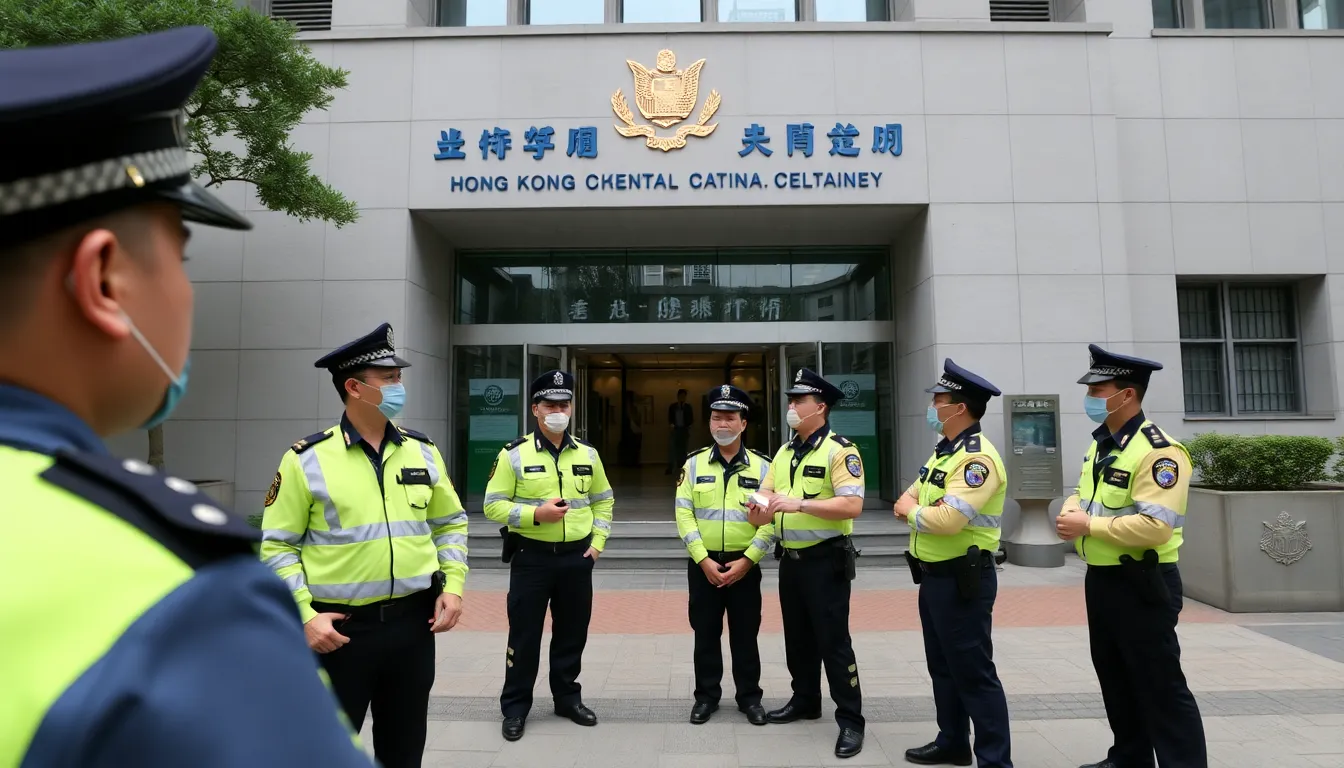
Frequently asked questions about the new police powers
Key takeaways and future implications of the new rules
The recent implementation of national security rules allowing Hong Kong police to demand phone passwords marks a significant shift in the balance between public safety and individual privacy. This development raises critical questions about civil liberties, law enforcement practices, and the potential for increased surveillance in the region. As these rules take effect, their impact on both residents and visitors to Hong Kong will need careful monitoring.
Stakeholders, including legal experts, human rights advocates, and ordinary citizens, must remain vigilant in assessing how these regulations will be applied in practice. The potential for misuse or overreach by authorities could lead to a chilling effect on free expression and personal privacy, necessitating ongoing dialogue and scrutiny.
- Increased scrutiny of personal devices may lead to heightened privacy concerns among residents and visitors.
- Legal challenges could arise as individuals contest the legitimacy and application of these new powers.
- Businesses operating in Hong Kong may need to reassess their data security protocols to protect sensitive information.
- International observers will likely monitor the situation closely, which could impact Hong Kong’s global standing and relations.
- Public awareness campaigns may emerge, aimed at educating citizens about their rights under the new regulations.