
The IRIS Makran, known for its role in supporting Iran’s naval operations and its involvement in regional maritime activities, was part of a larger fleet that has been monitored by U.S. forces. The U.S. military stated that the operation was a defensive measure aimed at protecting international shipping lanes from perceived threats posed by Iranian forces. This incident underscores the fragile balance of power in the Persian Gulf, as highlighted in articles about The US-Israel Conflict with Iran and Its Impact on Shipping.
Following the sinking, Iranian officials condemned the U.S. action, labeling it an act of aggression that could provoke retaliation. The Iranian government has vowed to respond, raising concerns about potential military confrontations in the already volatile region. Analysts suggest that this incident could lead to increased hostilities and may affect diplomatic negotiations surrounding Iran’s nuclear program, a topic also discussed in Trump expresses dissatisfaction with Iran negotiations while remaining uncertain about military action.
The international community is closely watching the developments following the sinking, as it could have broader implications for global oil markets and shipping routes. The Gulf of Oman is a critical passage for oil shipments, and any disruption could lead to economic repercussions beyond the immediate region. Countries reliant on this route are likely to reassess their security strategies in light of the heightened tensions.
Historical background of US-Iran naval confrontations
The relationship between the United States and Iran has been fraught with tension since the 1979 Iranian Revolution, which saw the overthrow of the Shah and the establishment of the Islamic Republic. This seismic shift in power led to a complete realignment of Iran’s foreign policy, with the U.S. being viewed as a primary adversary. The ensuing years witnessed a series of confrontations at sea, particularly in the strategically vital Persian Gulf, where both nations have sought to assert their influence, resembling incidents covered in US military operation in Ecuador targets drug trafficking.
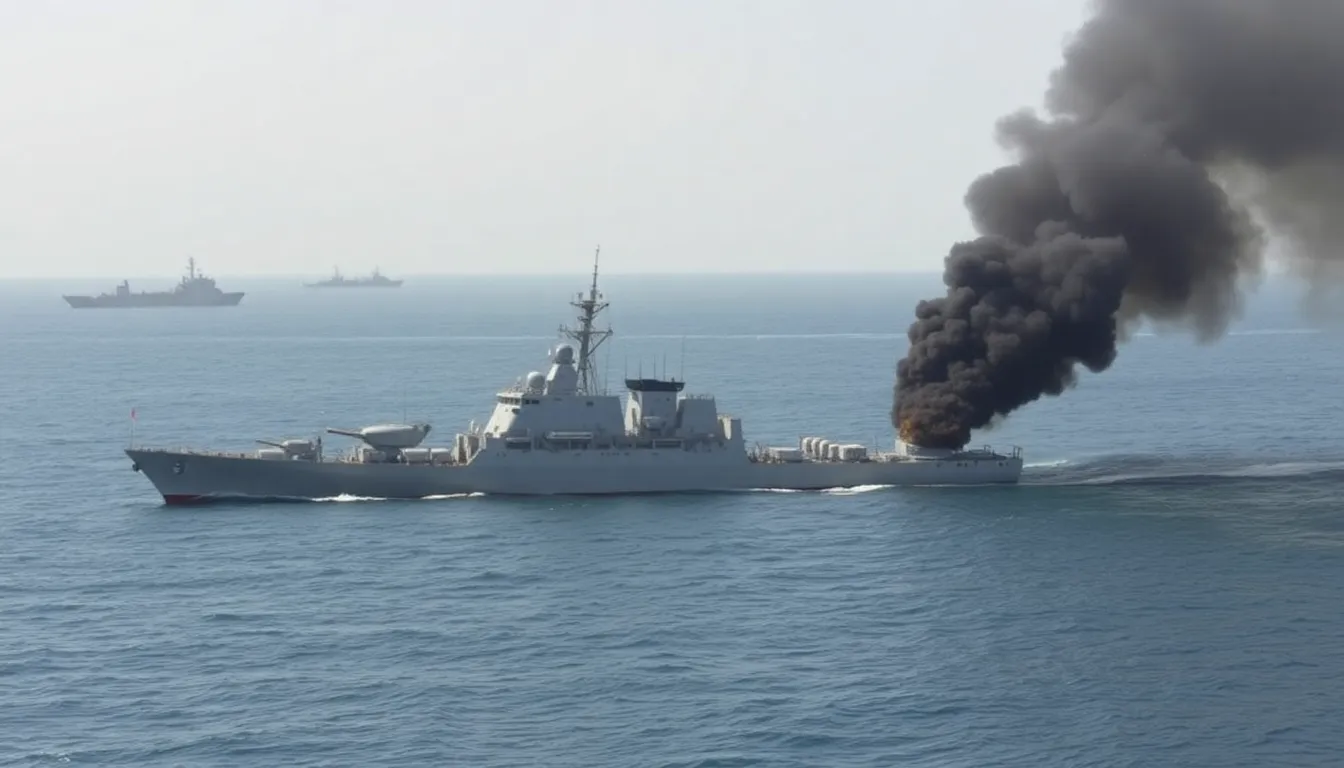
One of the most significant events in this maritime conflict was the Iran-Iraq War (1980-1988), during which the U.S. provided support to Iraq while simultaneously conducting operations to protect its interests in the region. The U.S. Navy’s involvement included the controversial operation known as “Operation Earnest Will,” aimed at safeguarding oil tankers from Iranian attacks. This operation marked a turning point, as it established a precedent for direct U.S. military engagement in the Persian Gulf.
In the years that followed, incidents such as the downing of Iran Air Flight 655 by the USS Vincennes in 1988 further escalated tensions. The U.S. claimed the aircraft was mistaken for a hostile military threat, but the incident deepened animosities and contributed to a long-standing narrative of mistrust between the two nations. The sinking of Iranian vessels has since been a recurring theme, symbolizing the ongoing conflict and the broader geopolitical struggles in the region.
The impact of sanctions and military presence
The imposition of economic sanctions on Iran, particularly following its nuclear program revelations in the early 2000s, has exacerbated the situation. The U.S. military presence in the Gulf, justified as a means to ensure freedom of navigation and regional stability, has often been viewed by Iran as a direct provocation. This has led to a series of naval skirmishes, with both sides engaging in aggressive posturing and military maneuvers designed to assert dominance over vital shipping lanes.
As tensions continue to simmer, the sinking of Iranian vessels by U.S. forces serves as a stark reminder of the enduring conflict and the complex interplay of historical grievances, military strategy, and geopolitical interests that define U.S.-Iran relations today.
Key stakeholders and their perspectives on the incident
The sinking of the Iranian warship by the United States has drawn attention from various stakeholders, each with distinct interests and perspectives. The primary actors involved include the Iranian government, the United States military, regional allies, and international maritime organizations.
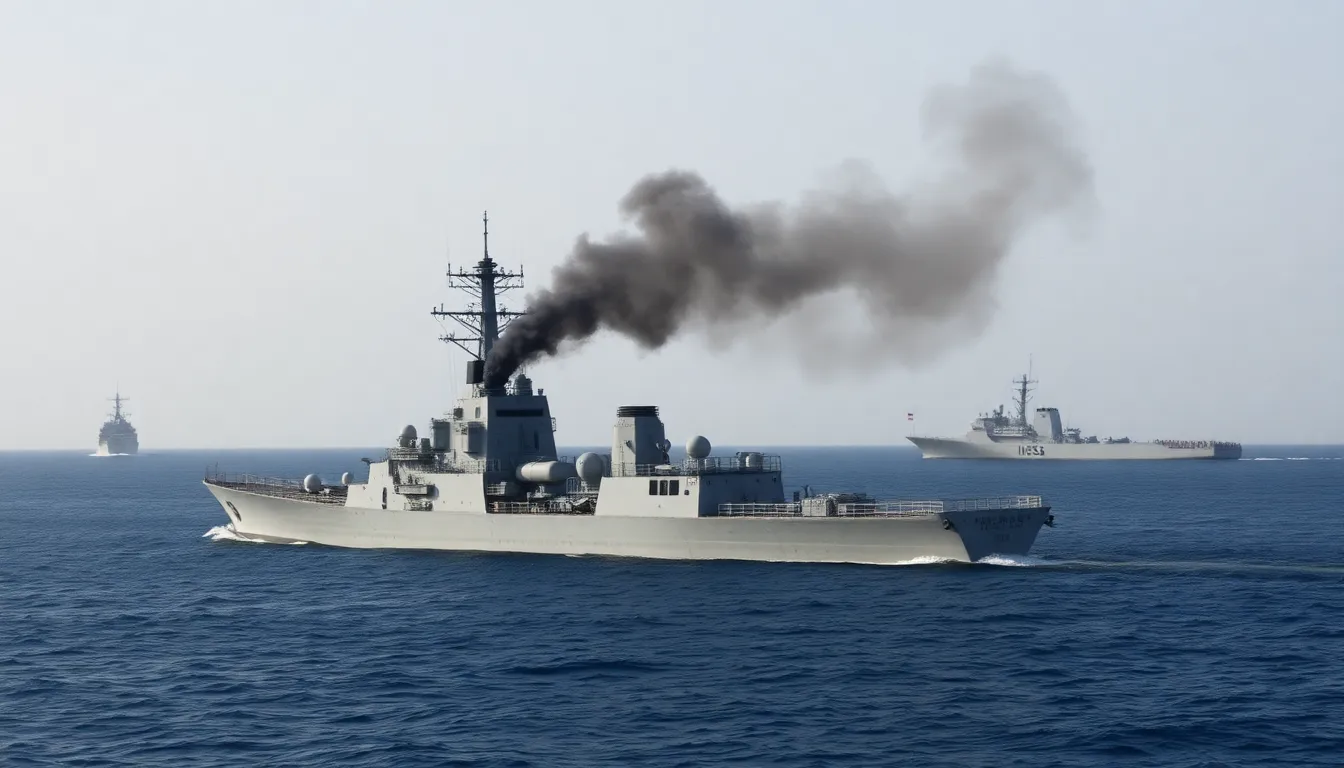
The Iranian government views the incident as an affront to its sovereignty and military capability. Iran’s leadership is likely to leverage the incident to rally domestic support and reinforce its narrative of resistance against perceived Western aggression. This event may also influence Iran’s military strategy and its approach to naval operations in the region.
On the other hand, the United States military sees the sinking as a necessary action to uphold international maritime laws and protect its interests in a volatile region. The U.S. government may argue that the warship posed a threat to shipping lanes or regional stability, justifying its military response. This incident could also impact U.S. relations with its allies in the region, particularly those who share concerns about Iranian naval activities.
- Regional Allies: Countries such as Saudi Arabia and Israel may interpret the sinking as a signal of U.S. commitment to countering Iranian influence.
- International Maritime Organizations: These entities will likely focus on the legal implications of the incident, assessing whether it adheres to international laws governing naval engagements.
- Global Security Analysts: They may analyze the potential for escalation in military tensions between Iran and the U.S., considering the broader implications for security in the Persian Gulf.
Key legal issues surrounding the incident include the interpretation of self-defense under international law and the rules of engagement for naval forces. Economically, the incident may affect oil shipping routes and pricing, as heightened tensions could lead to increased insurance costs for maritime operations in the region. The long-term ramifications of this event will likely reverberate through diplomatic channels and military strategies on both sides.
Reactions and consequences for regional stability
The sinking of the Iranian warship by the US has significant implications for various groups and industries, particularly in the Middle East. Key stakeholders include local governments, military organizations, shipping industries, and civilian populations in affected regions. The immediate aftermath of the incident has heightened tensions, leading to concerns over security and trade routes in the Persian Gulf.
In the short term, businesses reliant on maritime trade may face disruptions due to increased military presence and potential retaliatory actions. The shipping industry, which is vital for oil exports and imports, could see delays and increased insurance costs. Additionally, local populations may experience heightened anxiety and instability as governments respond to the incident with heightened military readiness.
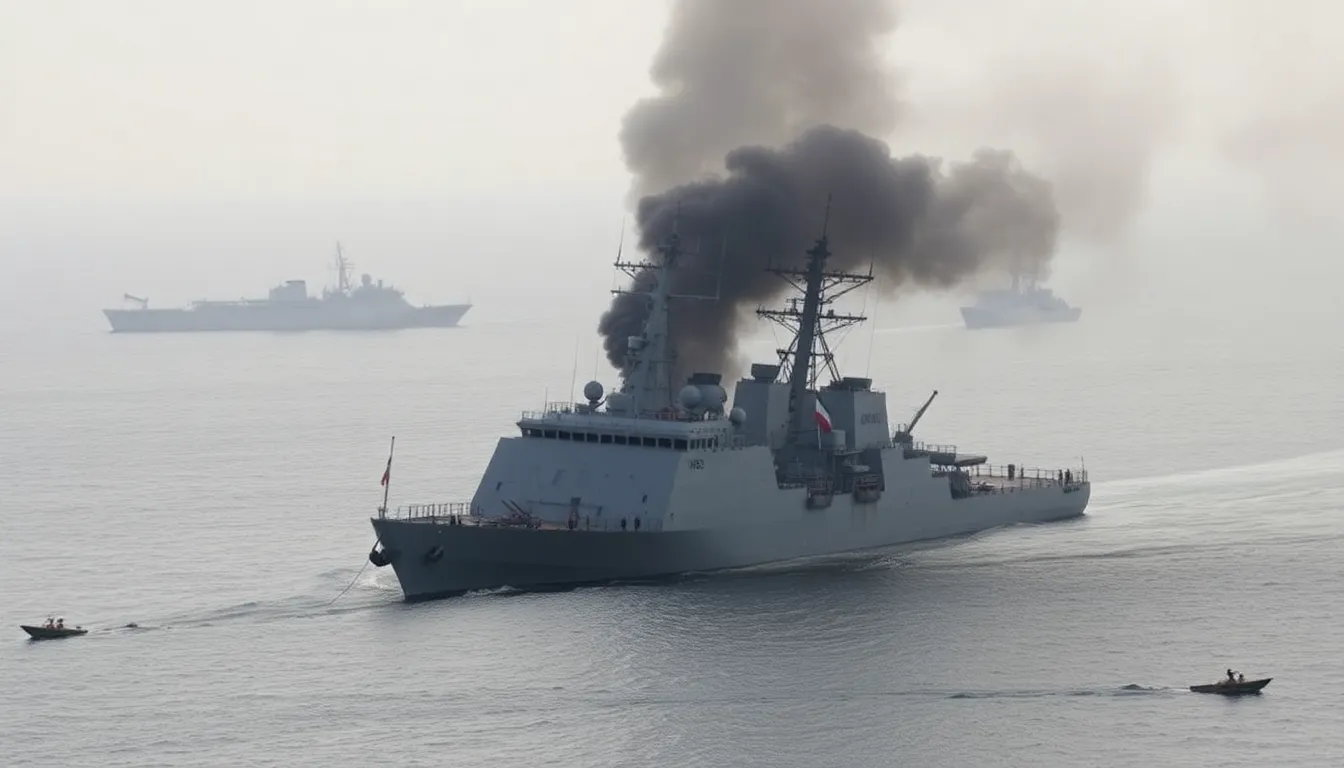
Mid-term impacts could include shifts in policy as regional governments reassess their defense strategies and alliances. Countries that rely on US support may strengthen their ties, while those aligned with Iran might adopt a more confrontational stance. This could lead to a reallocation of resources towards military spending, potentially diverting funds from social programs and infrastructure development.
- Increased military presence in the Persian Gulf.
- Potential disruptions to oil and gas supply chains.
- Heightened tensions among regional powers.
- Opportunities for defense contractors and security firms.
- Possible shifts in international diplomatic relations.
While risks are prevalent, there are also potential opportunities for businesses. Security firms may see an uptick in demand for their services as companies seek to protect their assets in unstable regions. Additionally, countries looking to enhance their military capabilities may turn to international defense suppliers, creating new markets for arms manufacturers.
A: The Iranian warship was sunk during a confrontation with US naval forces, which escalated due to ongoing tensions in the region. A: Iran has condemned the action, calling it an act of aggression and vowing to respond appropriately. A: This incident may further strain relations, leading to increased military posturing and diplomatic tensions between the two nations. A: Various countries have expressed concern over the escalation, urging both sides to exercise restraint and seek diplomatic solutions. A: The sinking raises significant concerns about maritime security, potentially leading to increased naval presence from both Iran and the US in the Gulf.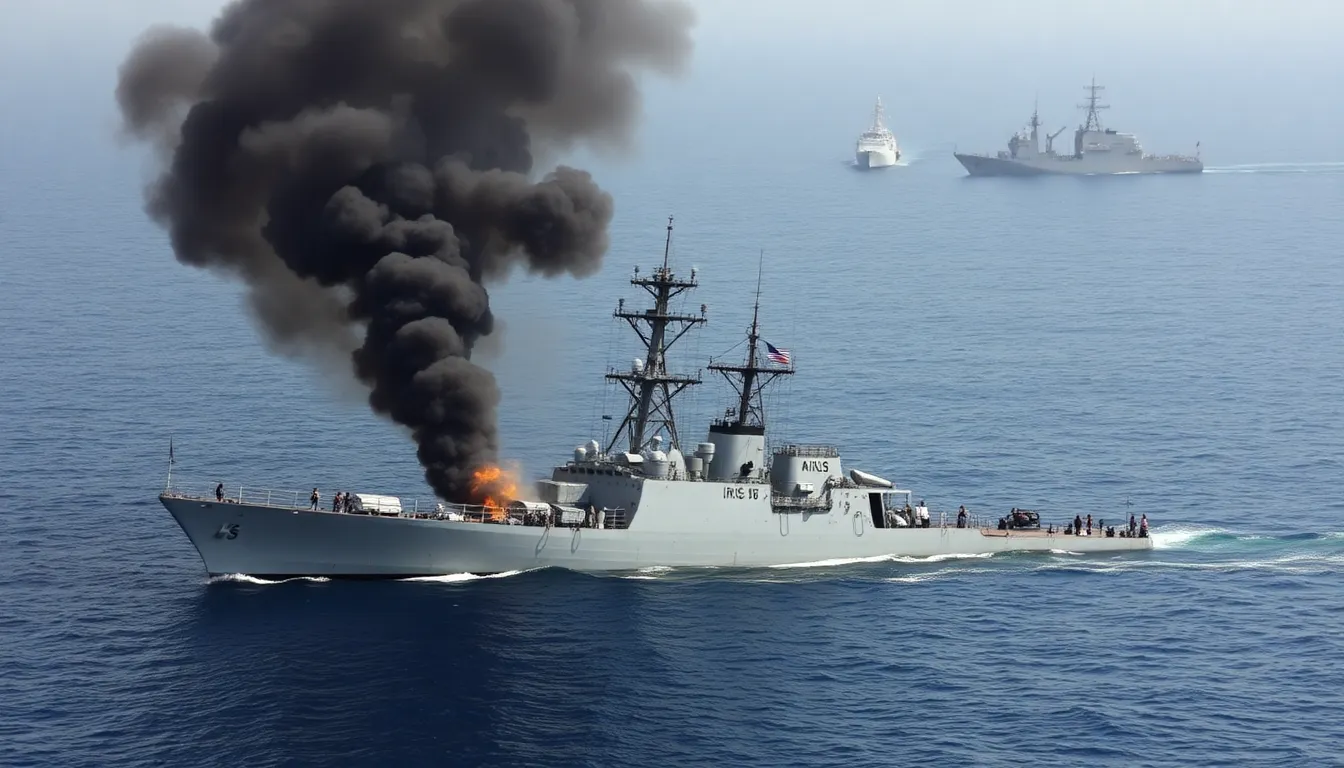
Frequently asked questions about the incident
Key takeaways and future implications of the sinking
The sinking of the Iranian warship by the US has far-reaching implications for regional security dynamics and international naval operations. This incident not only highlights the ongoing tensions between the US and Iran but also serves as a reminder of the fragile state of maritime security in contested waters. As nations reassess their naval strategies, the repercussions of this event may influence future military engagements and diplomatic negotiations.
Moving forward, it is crucial to monitor how this incident affects naval presence and posturing in the Gulf region. The response from Iran and its allies, as well as the potential for escalated military activity, will be key factors to watch in the coming months.
- Increased military vigilance: Expect heightened naval operations from both the US and Iran in the region as each side seeks to assert its dominance.
- Potential for diplomatic fallout: The incident may complicate ongoing negotiations surrounding Iran’s nuclear program and regional influence.
- Impact on global shipping routes: Shipping companies may need to adjust their routes or increase security measures in response to heightened tensions.
- Alliances and partnerships: Watch for shifts in alliances as other regional players may choose sides or increase their military support for either the US or Iran.