
The situation escalated in early 2023 when the city announced plans to implement stricter guidelines for water usage and maintenance of the wave. These measures, aimed at preserving the ecological balance of the river, have resulted in a significant reduction in the wave’s capacity and consistency. Local surfers are now advocating for a solution that balances environmental needs with their passion for the sport, highlighting the importance of community support.
Community meetings have been held to discuss the future of the Eisbach wave, with surfers, city officials, and environmentalists all weighing in. Many surfers argue that the wave is not only a recreational asset but also an integral part of Munich’s cultural identity. As the debate continues, the local surf community remains hopeful for a resolution that will restore their access to the wave and address broader community concerns.
As of October 2023, no definitive action has been taken by the city to address the concerns raised by surfers. The situation remains fluid, with many in the community actively seeking alternative locations for surfing. The outcome of these discussions will ultimately shape the future of surfing in Munich, a city not traditionally known for its waves.
Understanding the surfing culture in a landlocked city
Munich, often celebrated for its rich history, vibrant culture, and proximity to the Alps, may not be the first place that comes to mind when one thinks of surfing. However, the city has developed a unique surfing scene that has captivated both locals and visitors alike. This phenomenon can be traced back to the early 1970s when a group of enthusiasts began to experiment with the artificial waves of the Eisbach River, a small tributary of the Isar River running through the city.
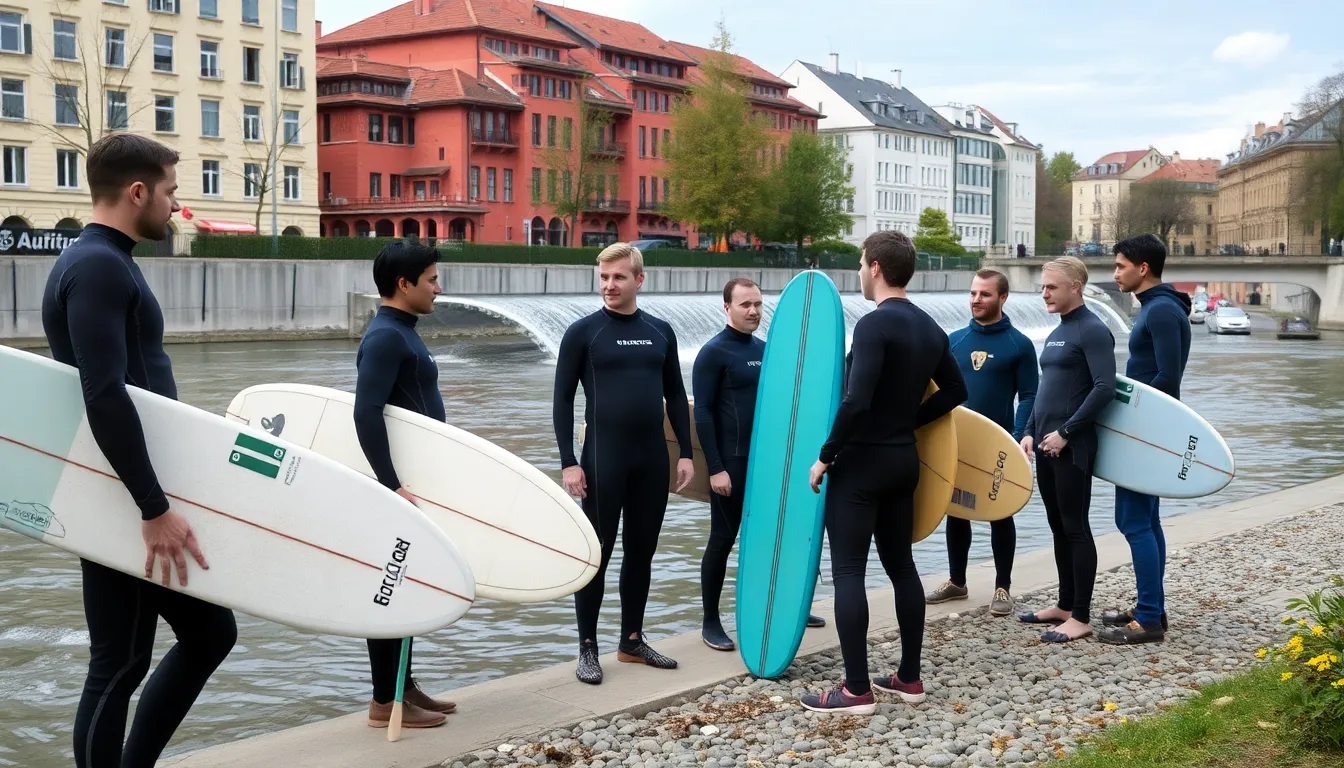
The Eisbach wave, a standing wave created by a dam, became a hotspot for surfers, drawing in those eager to ride the waves despite being miles away from the ocean. Over the years, this small wave has evolved into a symbol of Munich’s unconventional spirit. The surfers who frequent the Eisbach are not just athletes; they are part of a larger community that values freedom, creativity, and a strong connection to nature, even in an urban environment.
The Evolution of Surfing in Munich
As the surfing culture in Munich grew, so did the challenges associated with it. The city’s authorities initially viewed the surfers with skepticism, leading to a series of legal battles over the use of the Eisbach wave. In 2010, after years of negotiation, the city officially recognized the surfers’ right to ride the wave, creating a framework for safety and environmental protection. This milestone was crucial in legitimizing the surfing community and fostering a sense of belonging among its members.
Economically, the rise of surfing in Munich has also had a positive impact on local businesses. Surf shops, cafes, and equipment rental services have sprung up around the Eisbach, creating jobs and contributing to the local economy. Events such as surf competitions and festivals have further solidified Munich’s status as a surfing destination, attracting tourists and enthusiasts from around the world.
Despite the growth and recognition, surfers in Munich are currently facing a critical issue: the need for a more sustainable and larger wave. As the popularity of the sport continues to rise, the demand for a better surfing experience has led to discussions about the potential for creating new artificial wave facilities, an issue that reflects the tension between urban development and cultural preservation.
Key stakeholders and issues in the Munich surfing scene
The Munich surfing scene, centered around the man-made wave at the Eisbach river, involves a variety of stakeholders, each with distinct interests and concerns. These include local surfers, city authorities, environmental groups, and businesses that thrive on the tourism generated by the surf culture.
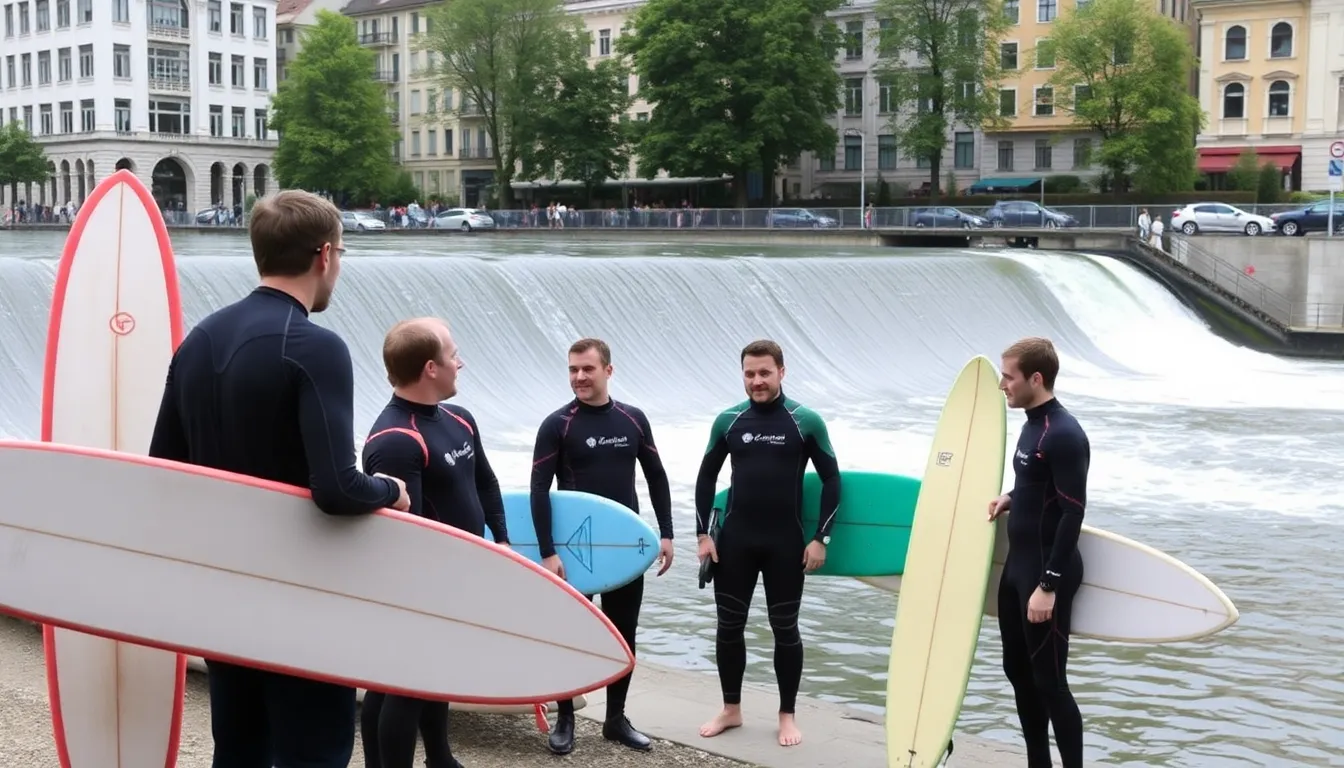
Local surfers are the most directly affected group, advocating for the preservation and enhancement of the wave. Their interests lie in maintaining access to the surf spot and ensuring it remains a safe and enjoyable environment. However, they face challenges from city regulations and public safety concerns, particularly regarding the increasing popularity of the wave.
City authorities, including the Munich municipal government, play a crucial role in managing the river and surrounding areas. Their interests focus on public safety, environmental protection, and urban planning. The city must balance the enjoyment of surfers with the needs of the general public, which often leads to conflicts over space and resources.
- Environmental concerns: Environmental groups advocate for the preservation of the river’s ecosystem, raising alarms about the impact of increased foot traffic and pollution.
- Economic interests: Local businesses benefit from the influx of tourists and surfers, leading to debates about the commercialization of the surfing scene.
- Legal issues: There are ongoing discussions about liability and insurance for injuries sustained while surfing, which complicates the regulatory framework.
- Public safety: The city must address safety concerns, especially as more inexperienced surfers flock to the wave, increasing the risk of accidents.
As these stakeholders navigate their competing interests, the future of surfing in Munich hangs in the balance. The ongoing dialogue among them will determine how the wave is managed and whether it can continue to be a cherished local spot for surfers and the community alike.
The effects of urban development on local surfers
The recent changes to the Eisbach wave in Munich have sparked a significant response from various groups, particularly local surfers who rely on this unique urban surf spot. Surfers, both amateur and professional, are directly affected as they face the loss of a beloved wave that has become an essential part of their lifestyle and community. The local surf culture, which has thrived around the Eisbach, is at risk of diminishing if the wave is altered or removed.
In addition to surfers, local businesses that cater to this niche market, such as surf shops, cafes, and rental services, are also impacted. These establishments depend on the foot traffic generated by surfers and spectators alike. With the potential loss of the Eisbach wave, these businesses may see a decline in customers, affecting their revenue and, in some cases, their survival.
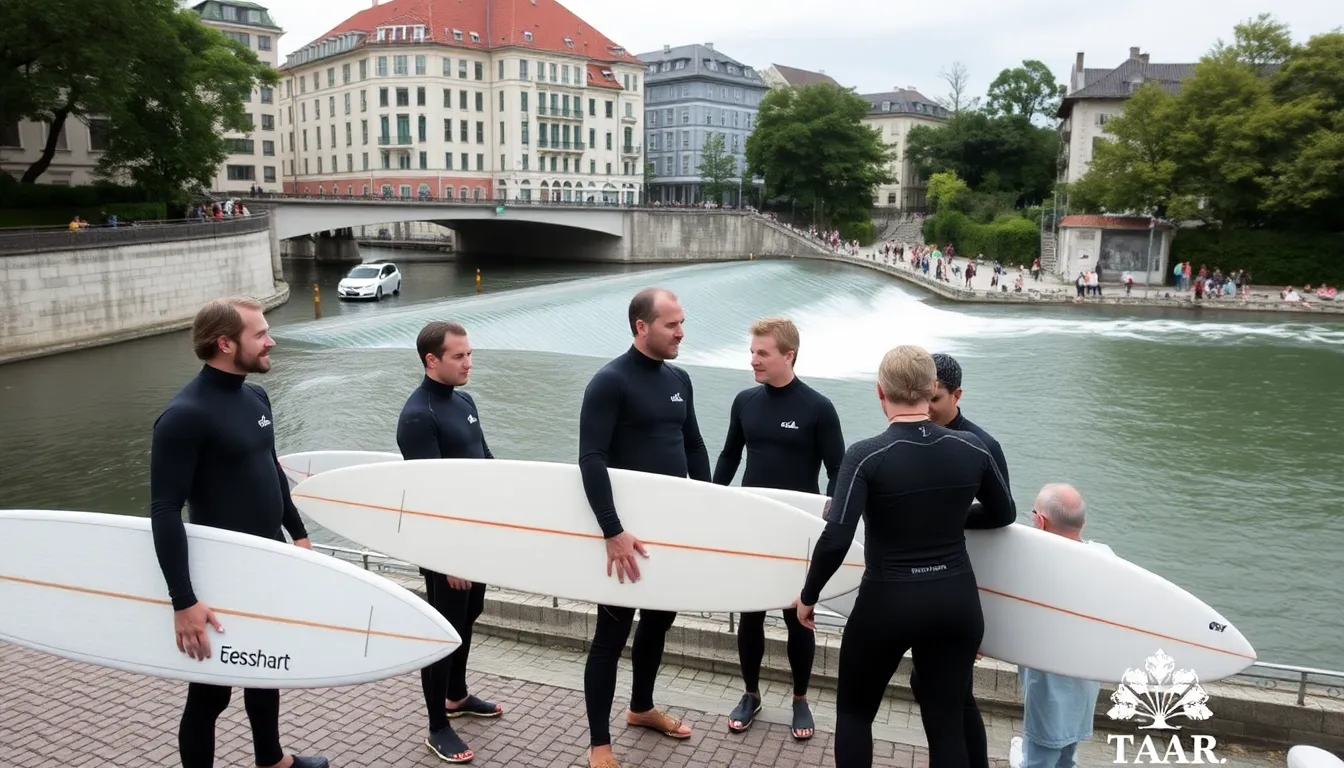
Furthermore, the broader community in Munich is affected, as the Eisbach wave has become a cultural landmark. The wave attracts tourists and locals, contributing to the city’s vibrant outdoor lifestyle. The loss of this attraction could lead to a decrease in tourism, impacting not just surfers but also the hospitality and service industries that benefit from visitors.
- Short-term impacts: Loss of a recreational space for surfers, reduced foot traffic for local businesses, and a decline in community engagement.
- Mid-term impacts: Potential closure of surf-related businesses, diminished local surf culture, and a decrease in tourism revenue.
- Risks: Long-term decline in urban surf culture and potential loss of community identity.
- Opportunities: Potential for urban redevelopment to create new surf-friendly spaces, increased awareness of the need for sustainable urban planning.
As the situation unfolds, it is crucial for stakeholders, including city planners, local surfers, and business owners, to engage in dialogue to find a solution that balances urban development with the preservation of Munich’s unique surf culture. The outcome will not only affect surfers but also shape the future of community engagement and local business sustainability in the city.
A: Despite being landlocked, Munich has a vibrant surfing community thanks to artificial waves and a strong culture of outdoor sports. A: Surfers often struggle with limited wave access, urban development, and environmental issues affecting water quality. A: Yes, local organizations are advocating for better wave conditions and sustainable practices to protect the surfing environment. A: You can join local surf clubs, participate in events, or volunteer for environmental initiatives focused on water quality. A: The best time to surf is typically during the warmer months when water conditions are more favorable and community events are held.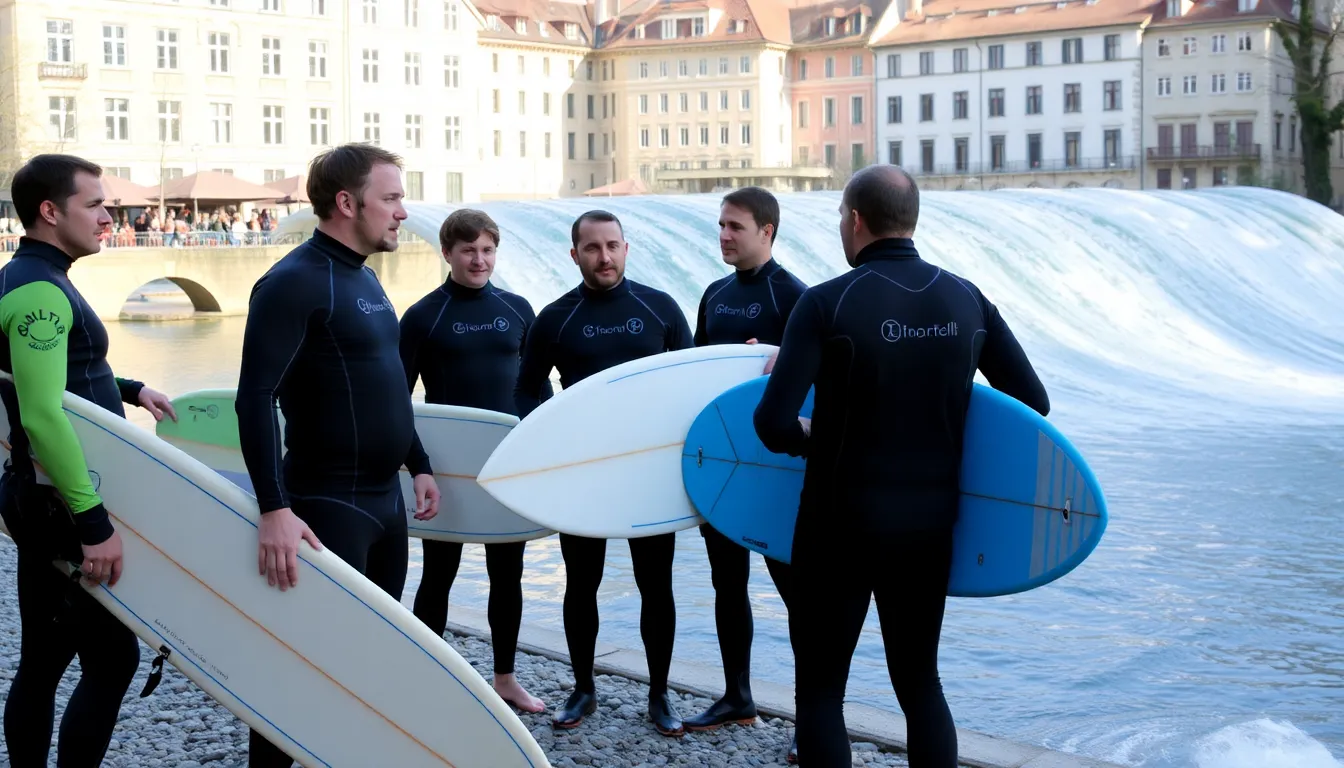
Frequently asked questions about surfing in Munich
Future outlook for surfers in Munich
The ongoing struggle for surfers in Munich highlights the city’s unique relationship with water sports, despite its landlocked status. As urban development continues to reshape the landscape, the demand for artificial waves and surf-friendly environments is likely to grow. This situation presents an opportunity for local authorities and businesses to explore sustainable solutions that cater to the surfing community while enhancing the city’s recreational offerings.
As interest in surfing expands beyond coastal areas, Munich’s surfers may find themselves at the forefront of a broader movement advocating for urban wave parks. The potential for innovation in this space could lead to new partnerships between city planners, environmentalists, and the surfing community, ultimately fostering a more vibrant and inclusive urban culture.
- Monitor city council discussions regarding water sports facilities and potential wave park developments.
- Watch for collaborations between local businesses and surf brands that may promote urban surfing initiatives.
- Keep an eye on environmental impact assessments for proposed surfing locations to ensure sustainability.
- Observe how community engagement efforts evolve as surfers advocate for their needs and rights.
- Consider the implications of Munich’s surfing culture on tourism and local economies in the coming years.