
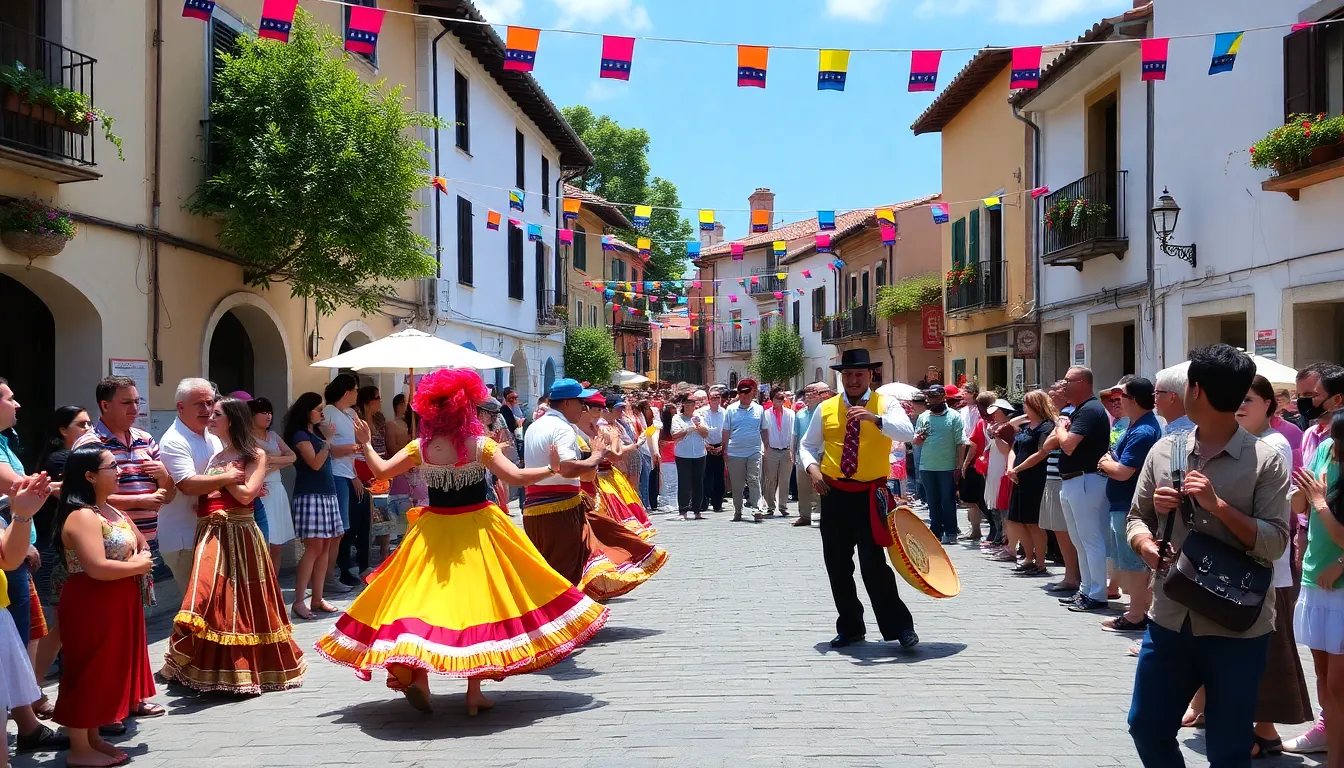
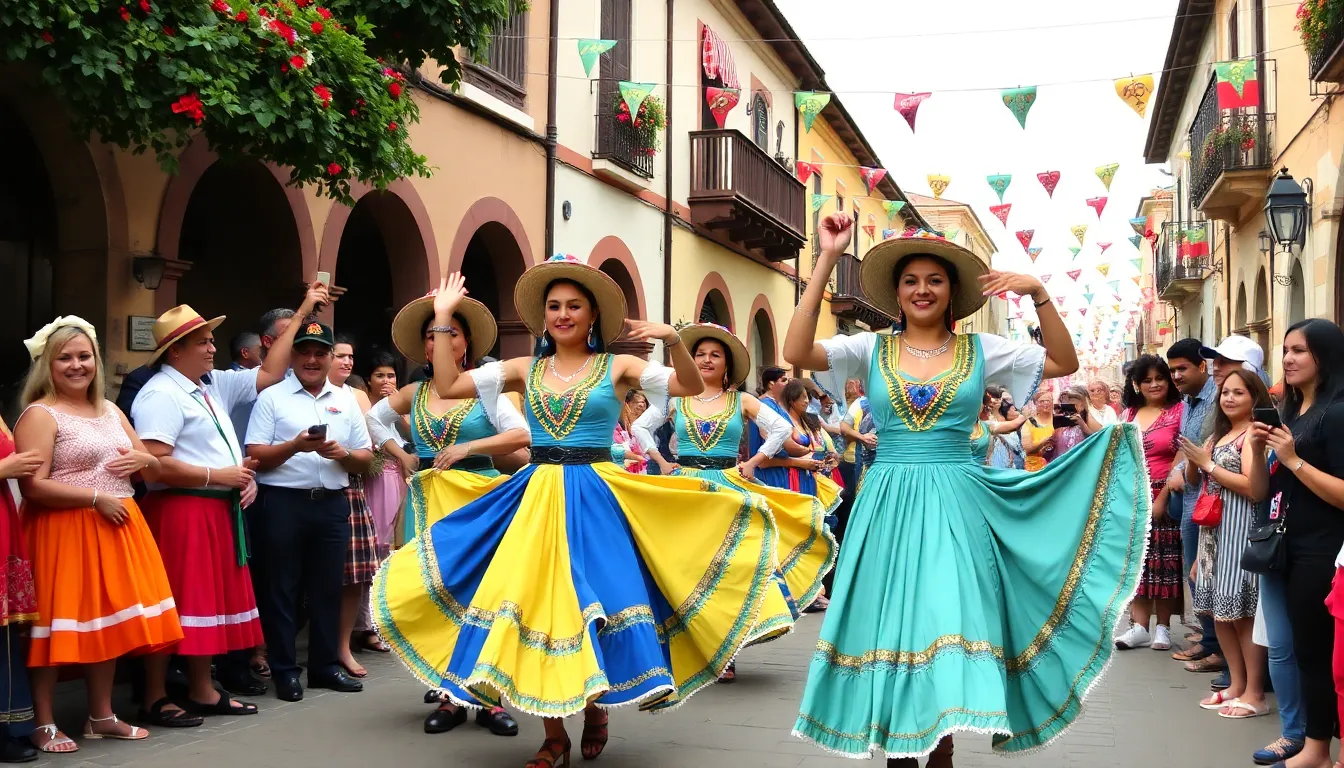
The influx of Venezuelan families has led to the establishment of various cultural events and festivals that celebrate their heritage. Notably, the annual “Caracas in Italy” festival, first held in 2021, has showcased traditional music, dance, and culinary delights, drawing visitors from across the region. Local businesses have also adapted, with many restaurants now offering Venezuelan dishes alongside traditional Italian fare, such as those often found in Venezuelan culinary traditions.
This cultural exchange has fostered a sense of community and collaboration among residents, both old and new. Local artisans and Venezuelan immigrants have begun to work together, creating unique art pieces that blend Italian and Venezuelan styles. This collaborative spirit has not only enriched the village’s cultural landscape but has also provided economic opportunities for many.
As the village continues to evolve, it faces challenges related to integration and identity. Balancing the preservation of local traditions with the influx of new cultural elements remains a key issue for residents. Nevertheless, the ongoing transformation serves as a testament to the power of cultural exchange and the resilience of communities in adapting to change, something that mirrors the dynamic cultural shifts seen in other regions.
Historical ties between Italy and Venezuela
The relationship between Italy and Venezuela dates back to the late 19th and early 20th centuries, when a significant wave of Italian immigrants began to arrive in South America. Many Italians sought better economic opportunities and fled the difficult conditions in their home country, particularly from regions like Calabria and Sicily. This migration laid the groundwork for a strong cultural and social connection that would influence both nations for generations.
As these immigrants settled in Venezuela, they contributed to the nation’s burgeoning industries, particularly in agriculture and construction. The Italian community flourished, establishing businesses, schools, and cultural organizations that kept their heritage alive. By the mid-20th century, Venezuelan cities were dotted with Italian restaurants, shops, and even churches, reflecting the deep integration of Italian culture into Venezuelan life.
However, the political landscape in Venezuela began to shift dramatically in the late 20th century, particularly with the rise of Hugo Chávez in the late 1990s. His government implemented policies that led to significant economic challenges, prompting many Venezuelans, including those of Italian descent, to emigrate once again. This wave of migration saw a new generation of Italians returning to their ancestral roots, seeking solace in the small villages of Italy where their forebears had once lived.
The Village of San Fele: A Case Study
In the village of San Fele, located in the southern region of Basilicata, the influx of Venezuelan returnees has transformed the community. Many of these returnees brought back not only their personal stories but also significant financial resources, which have revitalized the local economy. The village has seen a resurgence in its population, as well as investments in infrastructure and local businesses, creating a unique blend of Venezuelan and Italian cultures.
This phenomenon is not isolated to San Fele; similar stories can be found across Italy, where villages are experiencing a renaissance due to the return of their expatriates from Venezuela. The intertwining of these two cultures has not only enriched the local heritage but also forged a new identity that honors both the past and the present.
Key stakeholders in the village’s cultural evolution
The transformation of this Italian village into a vibrant enclave reminiscent of Caracas involves a diverse array of stakeholders, each with unique interests and motivations. The local government plays a crucial role in facilitating or hindering this cultural shift, often balancing the desires of the community with regulatory frameworks and economic considerations, similar to the scenarios presented in complex socio-political landscapes.
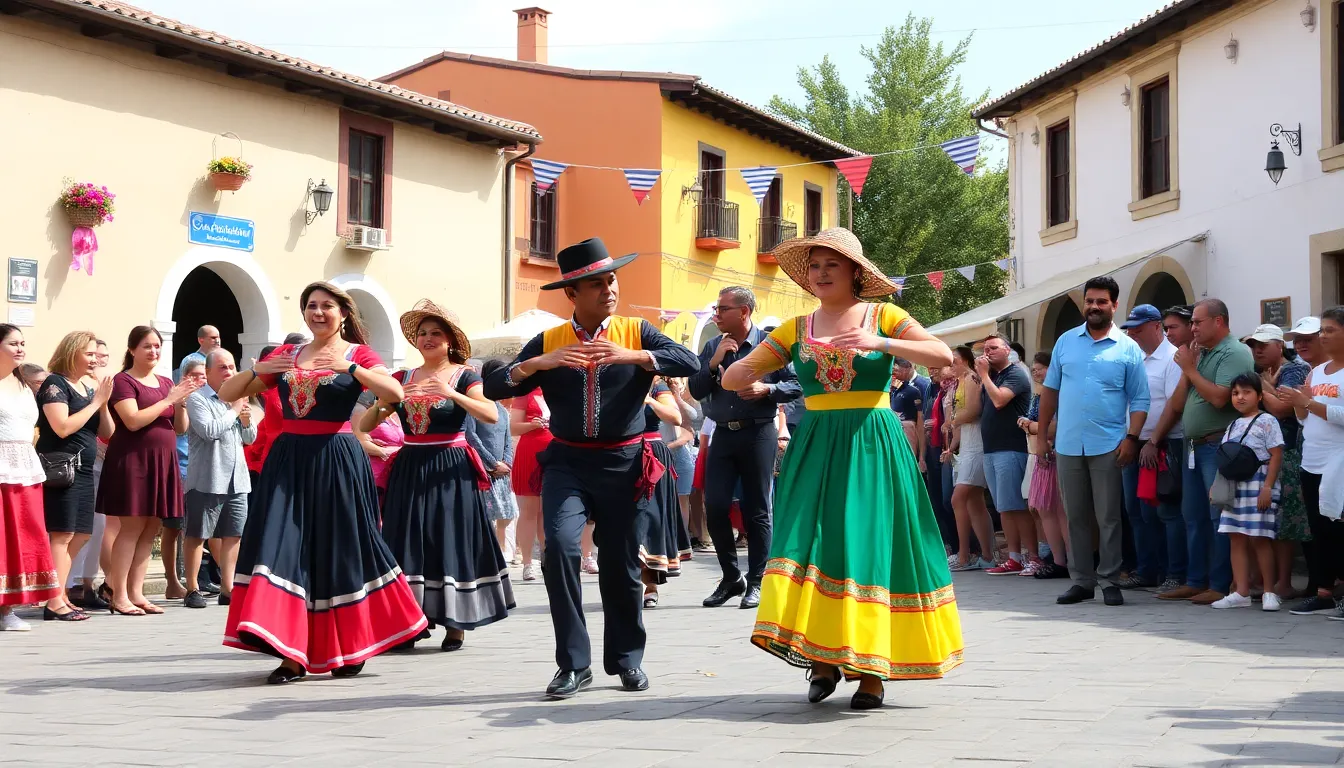
Residents of the village, particularly those with Venezuelan roots, are at the forefront of this cultural evolution. They seek to preserve their heritage while integrating it into the local context. This duality can lead to tensions with long-standing residents who may feel their cultural identity is being overshadowed.
- Local Government: Aims to promote tourism and economic growth while maintaining community harmony.
- Venezuelan Immigrants: Desire to celebrate and share their culture, which may conflict with traditional village customs.
- Local Businesses: Stand to benefit from increased traffic and sales but may struggle with the changing demographic landscape.
- Cultural Organizations: Work to bridge gaps between communities, fostering understanding and collaboration.
Economic issues also play a significant role in this cultural transformation. As the village attracts visitors intrigued by its unique blend of cultures, local businesses may thrive, yet they also face challenges in adapting to a more diverse clientele. This economic shift can create friction among residents who may feel that their needs are being sidelined in favor of tourist interests.
Legal considerations, particularly around immigration and cultural preservation, further complicate the situation. The village must navigate regulations that govern cultural expressions and community engagement, ensuring that the integration of Venezuelan culture does not infringe upon existing laws or local traditions. This delicate balance is essential for fostering a harmonious coexistence in the evolving cultural landscape.
Effects on local economy and community dynamics
The transformation of a small village in Italy into a vibrant slice of Caracas has significant implications for various groups and industries. Local residents, businesses, and even government policies are all experiencing the effects of this cultural infusion. The community is seeing a blend of Italian and Venezuelan influences, creating a unique social fabric that impacts daily life and economic activities.
In the short term, local businesses such as restaurants, markets, and shops are benefiting from an increase in foot traffic and tourism. The introduction of Venezuelan cuisine and cultural events has attracted visitors eager to experience this new cultural offering. This surge in tourism can create opportunities for local entrepreneurs to diversify their services and products.
However, this rapid change also brings challenges. Long-time residents may feel a sense of displacement or loss of their traditional way of life, leading to tensions within the community. Additionally, the local government may face pressure to adapt policies to accommodate the growing population and the associated demands on infrastructure and services.
- Short-term impacts: Increased tourism and business opportunities.
- Mid-term impacts: Potential cultural tensions and shifts in community identity.
- Opportunities: New markets for local businesses and cultural exchanges.
- Risks: Strain on local resources and services.
As the village continues to evolve, the balance between embracing new influences and preserving traditional values will be crucial. The successful integration of these diverse cultures could lead to a richer community experience, while mismanagement of this transition could result in significant social and economic challenges.
A: The influx of Venezuelan immigrants seeking a new home led to a blending of cultures, enriching the village’s social fabric. A: The local economy has seen growth due to new businesses and cultural events that attract tourism and foster community engagement. A: Yes, challenges include balancing cultural integration while preserving local traditions and addressing any social tensions. A: The village hosts various events that celebrate both Italian and Venezuelan traditions, including food festivals and music performances. A: Many locals embrace the change, appreciating the diversity and vibrancy it brings, though some may feel nostalgic for the past.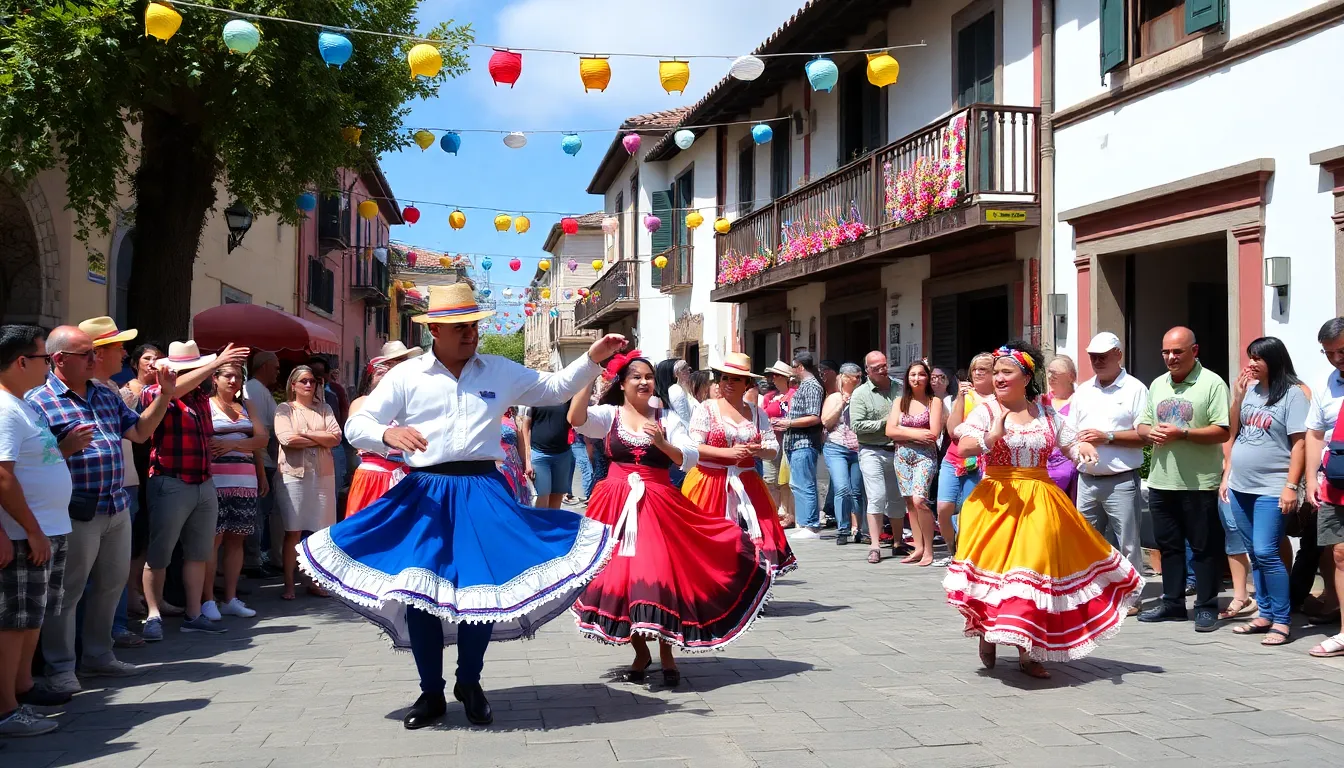
Frequently asked questions about the village’s transformation
Looking ahead: the future of this unique cultural blend
The transformation of this small Italian village into a vibrant enclave of Venezuelan culture offers a compelling case study in globalization and cultural exchange. As communities continue to adapt and evolve, the blending of traditions can lead to enriched experiences and new opportunities for collaboration. This village exemplifies how migration can reshape local identities while fostering resilience and innovation.
Moving forward, it will be essential to monitor how this cultural integration influences both the local economy and social dynamics. The interplay between the original inhabitants and newcomers can serve as a model for other regions facing similar demographic shifts, highlighting the potential for harmony amidst diversity.
- Watch for the impact of cultural festivals and events that celebrate this blend, potentially attracting tourism and boosting local businesses.
- Observe how local governance adapts policies to accommodate the needs and contributions of a diverse population.
- Consider the role of education in fostering understanding and collaboration between different cultural groups within the village.
- Track the evolution of culinary offerings as traditional Italian cuisine merges with Venezuelan flavors, creating unique dining experiences.
- Monitor community initiatives aimed at preserving heritage while embracing new cultural practices, ensuring a balanced coexistence.