
The attacks have been attributed to various militant groups operating in Balochistan, including those with ties to separatist movements and extremist organizations. Local authorities reported that at least 15 people were killed, including police officers and civilians, with many more injured. The violence underscores the ongoing challenges faced by law enforcement in maintaining order in a province marked by ethnic tensions and insurgency. For more on similar violence, check out the article about Israeli strikes in Gaza.
In response to the attacks, security forces have ramped up operations in the area, conducting raids and increasing patrols to prevent further violence. The provincial government has condemned the attacks, calling for unity among different communities to combat extremism. However, the persistent threat of violence poses significant challenges to stability and development efforts in Balochistan.
The international community is closely monitoring the situation, as Balochistan is strategically important due to its proximity to key trade routes and energy projects. The attacks have prompted discussions about the need for enhanced security measures and a comprehensive approach to address the underlying issues fueling unrest in the province. As the region grapples with these challenges, the impact on local populations continues to be profound, with many living in fear of further violence, similar to the fears depicted in the Israeli air strikes in Gaza.
Understanding the background of violence in the region
Balochistan, Pakistan’s largest province by area, has been a hotspot of violence and unrest for decades. The region is rich in natural resources, including gas and minerals, yet it remains one of the most underdeveloped areas in the country. This paradox has fueled resentment among the local Baloch population, who feel marginalized and deprived of their rightful share of the province’s wealth.
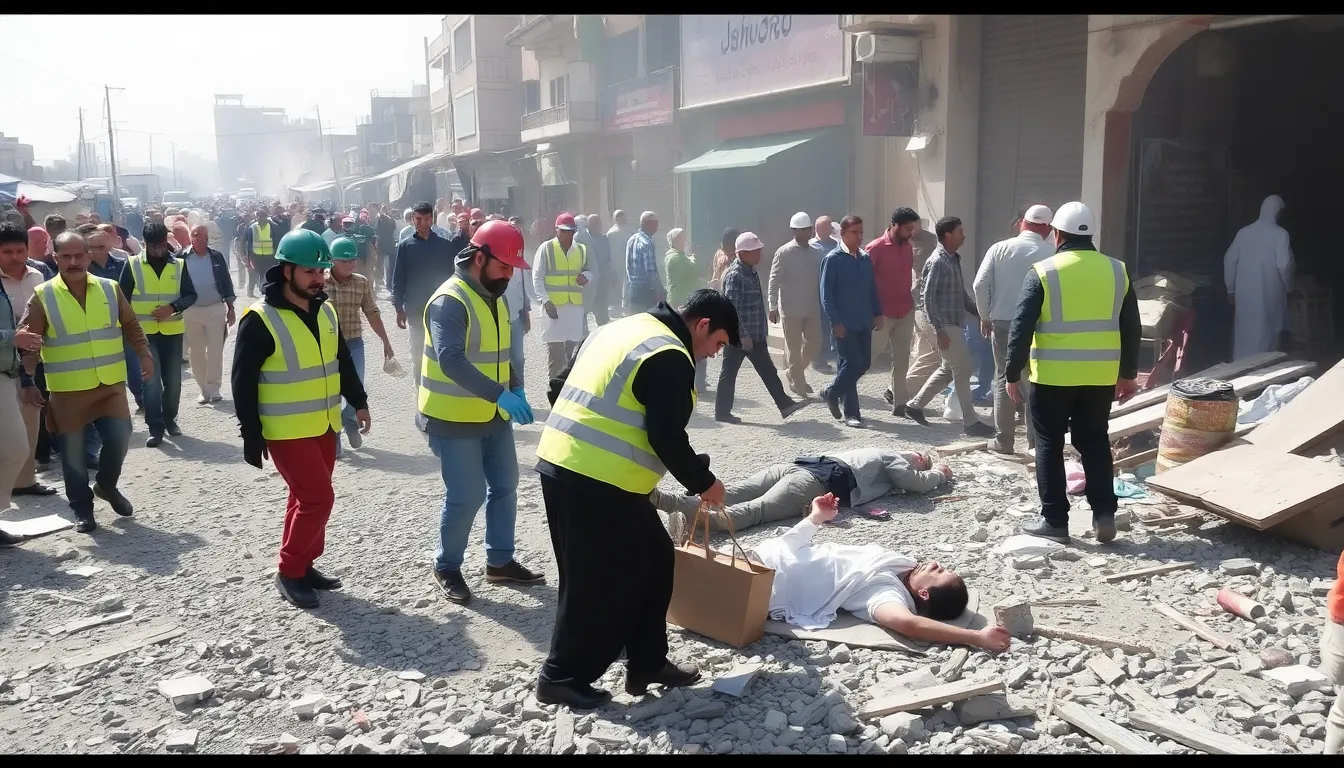
The roots of the conflict can be traced back to the partition of India in 1947, when Balochistan was incorporated into Pakistan. Since then, various Baloch nationalist movements have emerged, advocating for greater autonomy or even independence. The government’s response has often been heavy-handed, leading to a cycle of violence that has claimed thousands of lives over the years.
Key Milestones in the Conflict
Several key events have shaped the current landscape of violence in Balochistan. The first major insurgency occurred in the 1970s, leading to a brutal military crackdown. In the early 2000s, a new wave of insurgency emerged, coinciding with the discovery of vast natural gas reserves. The Pakistani military’s operations against insurgents have often resulted in civilian casualties, further inflaming tensions.
In recent years, the rise of militant groups, including those with ties to extremist organizations, has complicated the situation. These groups have exploited the existing grievances of the Baloch people, leading to a surge in violence, including bombings and targeted killings. The government’s inability to address the underlying issues of poverty, unemployment, and political disenfranchisement continues to perpetuate the cycle of violence.
The international community has taken notice of the situation, with human rights organizations reporting widespread abuses and calling for accountability. However, the complex interplay of local, national, and international interests makes finding a resolution challenging. As violence persists, the people of Balochistan remain caught in a struggle for recognition and justice.
Key stakeholders and issues surrounding the attacks
The recent deadly gun and bomb attacks in Balochistan province have drawn attention to a complex web of stakeholders, each with their own interests and motivations. The primary actors include local militant groups, the Pakistani government, security forces, and the civilian population of Balochistan. Understanding their roles and the underlying issues is crucial for grasping the broader implications of these violent incidents, including those highlighted in reports on incidents like the ski lift accident in Japan.
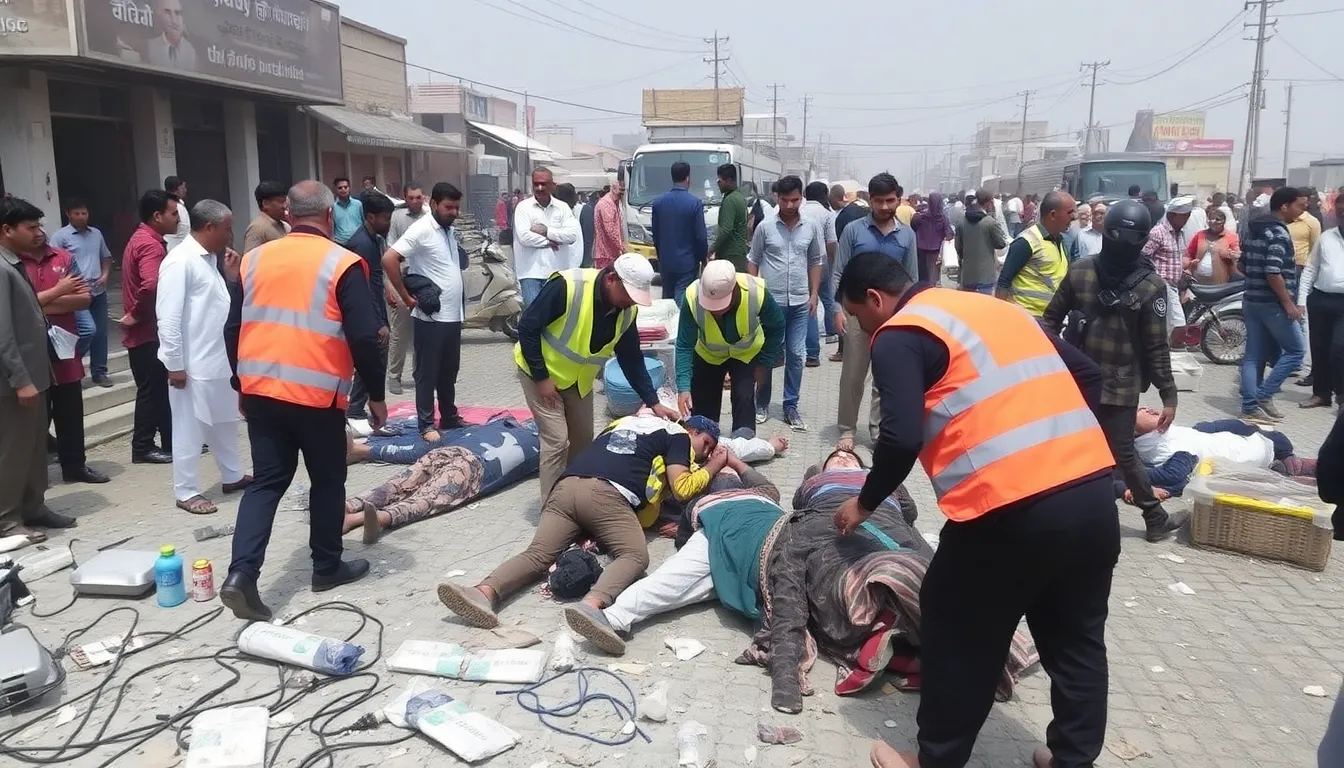
Local militant groups, such as the Baloch Liberation Army (BLA) and other separatist factions, are driven by a desire for greater autonomy and control over natural resources in the region. Their actions often reflect grievances related to perceived economic marginalization and political disenfranchisement. This has led to a cycle of violence that not only targets security forces but also affects innocent civilians caught in the crossfire.
The Pakistani government faces significant challenges in addressing the security situation in Balochistan. Its interests lie in maintaining territorial integrity and ensuring stability to attract investment and development in the resource-rich province. However, the government’s heavy-handed approach to counter-insurgency has sometimes exacerbated tensions, leading to further resentment among local populations.
- Conflicts of Interest: The interests of local militant groups often clash with the government’s objectives, leading to ongoing violence and instability.
- Economic Issues: Balochistan is rich in minerals and natural gas, yet local communities feel they do not benefit from these resources, fueling unrest.
- Legal Challenges: The government’s counter-terrorism laws and military operations raise questions regarding human rights and the treatment of civilians.
- International Attention: The situation in Balochistan has implications for regional security, drawing interest from neighboring countries and international organizations.
As these dynamics unfold, the civilian population remains caught in a precarious situation, facing the dual threats of violence from militant groups and potential overreach by security forces. The need for a balanced approach that addresses both security concerns and the socio-economic grievances of the Baloch people is critical for long-term peace and stability in the region.
The impact of violence on local communities and security
The recent deadly gun and bomb attacks in Balochistan province have far-reaching consequences for various groups and industries. Local communities, already facing economic challenges, are now grappling with heightened insecurity and fear. The violence directly affects families, particularly those who have lost loved ones or are injured, leading to a profound psychological impact on the population.
Industries such as agriculture and tourism, which are vital for the region’s economy, are likely to experience immediate downturns. Farmers may hesitate to cultivate crops due to safety concerns, while potential tourists will likely avoid the area, leading to significant revenue losses. Furthermore, local businesses may face disruptions as security forces increase their presence, potentially leading to a temporary halt in operations.
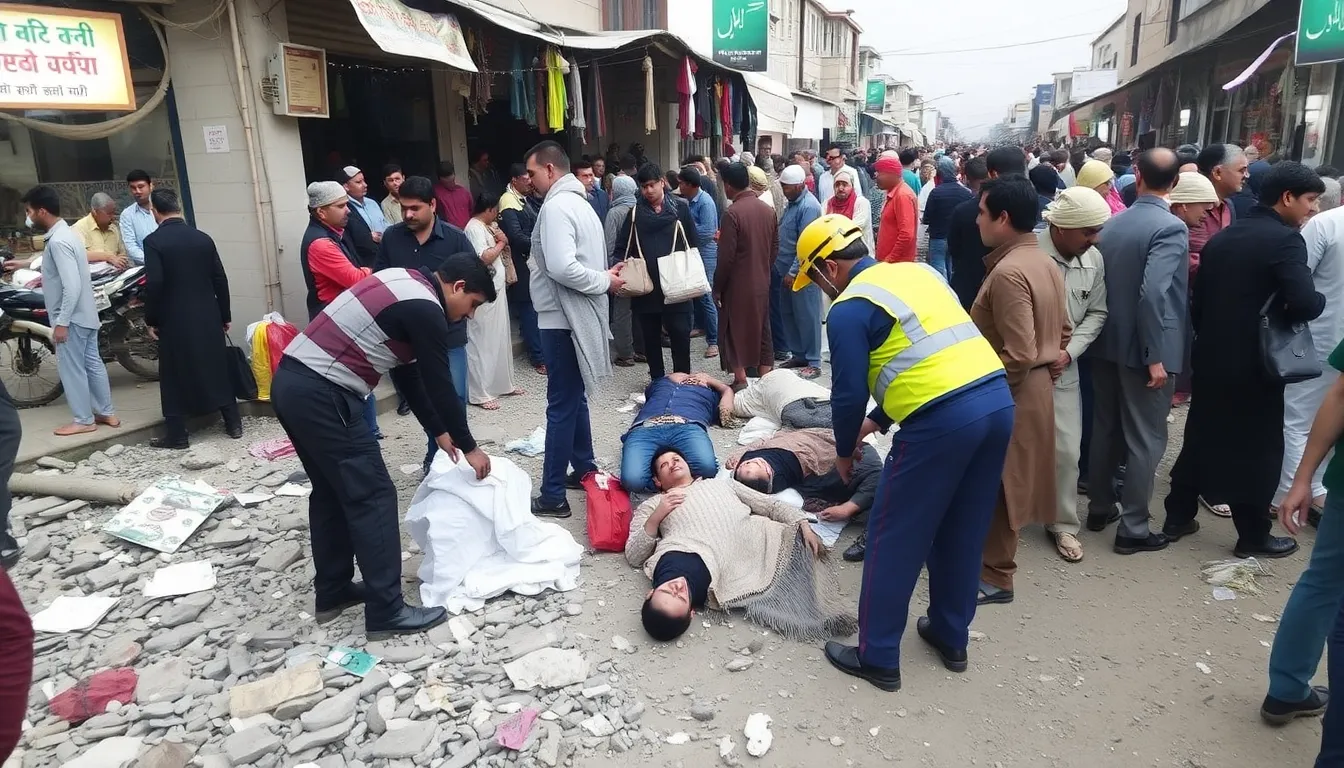
In the short term, daily life is disrupted as residents remain vigilant, and schools may close or limit activities due to safety fears. The mid-term impacts could include changes in government policy, with a possible increase in military presence and security measures that could alter the social fabric of the region. This heightened security environment may lead to a curtailment of civil liberties, affecting how communities interact and engage with one another.
- Increased insecurity: Families live in fear of further attacks.
- Economic downturn: Local businesses and agriculture are severely impacted.
- Policy changes: Potential shifts in government security measures affecting daily life.
- Psychological effects: Long-term trauma and stress among the population.
While the immediate risks are evident, there may also be opportunities for organizations focused on peacebuilding and community resilience. Non-governmental organizations could play a crucial role in providing support and resources to affected communities, fostering a sense of solidarity and hope amidst the chaos. Additionally, there may be a push for improved infrastructure and services as the government responds to the need for enhanced security and community support.
A: Balochistan has experienced a series of deadly gun and bomb attacks, resulting in significant casualties and raising alarms about security in the area. A: While no group has claimed responsibility yet, various militant organizations are known to operate in the region, complicating the security landscape. A: Local authorities have increased security measures and are investigating the incidents, but challenges remain in ensuring public safety. A: Civilians are facing heightened fear and instability, with many communities affected by the loss of life and disruption of daily activities. A: Strengthening law enforcement, community engagement, and addressing underlying socio-economic issues are essential for improving security in the region.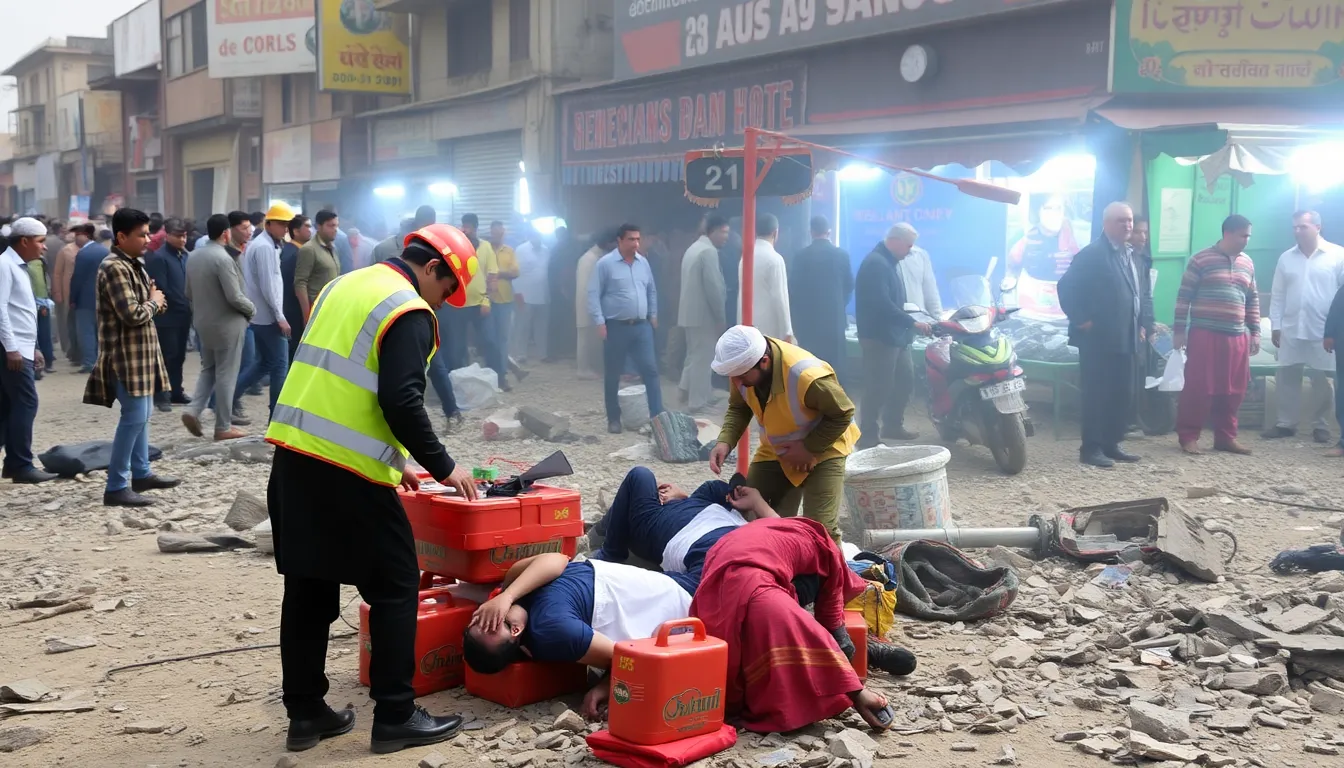
Frequently asked questions about the attacks
Insights and future outlook on security in Balochistan
The recent surge in deadly gun and bomb attacks in Balochistan highlights the persistent security challenges facing the region. As the provincial government grapples with these threats, understanding the underlying factors contributing to this violence is crucial for developing effective strategies. The interplay between local grievances, militant activities, and broader geopolitical dynamics continues to shape the security landscape in Balochistan.
Moving forward, it is essential to monitor the responses from both local authorities and the federal government. Their actions will not only influence immediate security measures but also impact long-term stability and community relations in the province. The international community’s engagement and support may also play a role in addressing the root causes of unrest.
- Increased military presence may lead to temporary calm but could exacerbate local tensions.
- Community-based initiatives focusing on education and economic development may help mitigate the appeal of militant groups.
- Continued monitoring of cross-border influences is necessary to understand external factors driving violence.
- Collaboration between security forces and local communities could enhance intelligence-gathering and trust.
- Political dialogue addressing local grievances may prove essential for achieving lasting peace in the region.