
The application, filed in late September 2023, outlines the technical specifications and operational plans for the deployment of these satellites. If approved, this initiative could significantly enhance SpaceX’s capabilities in satellite communications and increase competition in the broadband market, potentially lowering costs for consumers.
Currently, SpaceX operates thousands of Starlink satellites, but the proposed expansion represents a dramatic increase in scale. This plan raises several regulatory and environmental concerns, as the influx of satellites could contribute to space debris and complicate satellite traffic management in Earth’s orbit.
Industry experts are closely monitoring the situation, noting that the approval process may involve extensive scrutiny from both regulatory bodies and the public. The outcome of this application could set a precedent for future satellite launches and reshape the landscape of global communications.
Recommended Articles
- TikTok creates new U.S. entity to reduce ties with China
- The Breakdown on the significance of the Six Nations in a pivotal year for rugby union
- Glasgow's Centre for Contemporary Arts to close permanently
- Starbucks removes cap on executive jet usage
- Meta's Efforts to Shift Perceptions on Data Centers
- TikTok creates new U.S. entity to reduce ties with China
- The Breakdown on the significance of the Six Nations in a pivotal year for rugby union
- Glasgow's Centre for Contemporary Arts to close permanently
- Starbucks removes cap on executive jet usage
- Meta's Efforts to Shift Perceptions on Data Centers
Understanding the significance of satellite launches in modern technology
In recent years, satellite technology has undergone a transformative shift, driven by advancements in miniaturization, launch capabilities, and an increasing demand for global connectivity. The ability to deploy satellites into orbit has become a cornerstone of modern communication, navigation, and scientific research. With the advent of private companies like SpaceX, the landscape of satellite launches has expanded significantly, allowing for unprecedented opportunities and challenges.
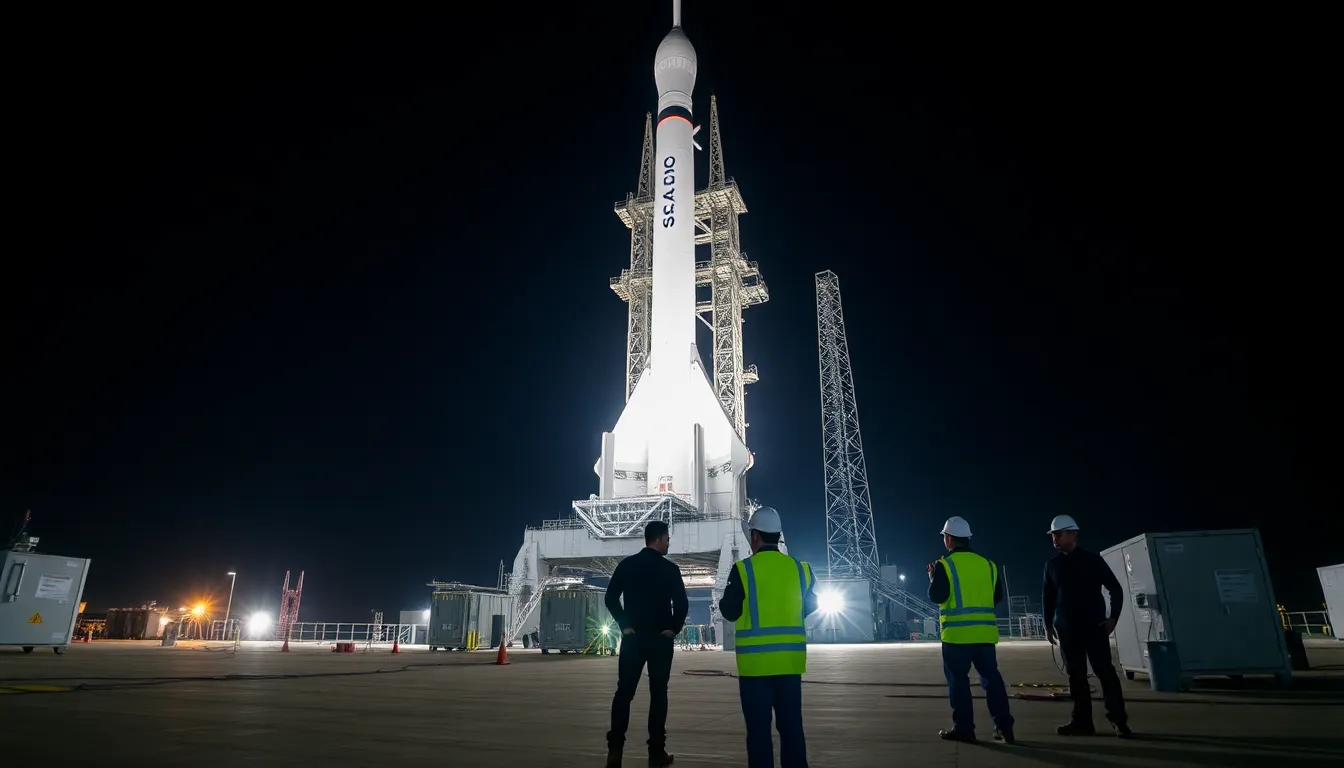
Historically, satellite launches were predominantly the domain of government agencies and large aerospace corporations, often resulting in high costs and limited access to space. The launch of Sputnik by the Soviet Union in 1957 marked the beginning of the space age, leading to a race for technological supremacy. Over the decades, various milestones, such as the establishment of NASA and the launch of commercial satellites, laid the groundwork for the current era of space exploration.
The economic implications of satellite launches are profound. As the demand for broadband internet and global communication grows, companies are increasingly investing in satellite constellations to provide coverage in remote areas. The launch of thousands of small satellites, like those proposed by SpaceX, could significantly reduce the cost of access to space and democratize satellite technology, allowing more entities, including developing nations, to participate in the space economy.
The role of regulatory frameworks
The regulatory landscape surrounding satellite launches has evolved to accommodate the rapid growth of the industry. National and international regulations are crucial in managing space traffic and addressing concerns such as space debris. As SpaceX applies to launch a million satellites, the need for robust regulatory frameworks becomes more pressing to ensure sustainable practices and the long-term viability of space activities.
Key stakeholders and potential challenges in the satellite launch initiative
The ambitious plan by SpaceX to launch a million satellites into orbit has drawn attention from various stakeholders, each with distinct interests and concerns. Key actors in this initiative include SpaceX, regulatory bodies, environmental organizations, and international governments. Understanding their roles is crucial to grasping the complexities surrounding this massive undertaking.
SpaceX, led by Elon Musk, aims to revolutionize global internet access through its Starlink project. The company’s interest lies in expanding its market share and enhancing technological capabilities. However, the scale of the proposed launch raises questions about space congestion and the long-term sustainability of low Earth orbit (LEO) environments.

Regulatory bodies, such as the Federal Communications Commission (FCC) in the United States and the International Telecommunication Union (ITU), play a critical role in overseeing satellite launches. Their primary interest is ensuring that such initiatives comply with international treaties and national laws. This involves assessing potential interference with existing satellite operations and addressing concerns about orbital debris.
Environmental organizations are also significant stakeholders, as they advocate for the preservation of space and its ecosystems. Their concerns center around the environmental impact of launching a million satellites, including the potential for increased light pollution and the risk of collisions in space, which could exacerbate the problem of space debris.
- Space congestion: The possibility of overcrowding in low Earth orbit raises safety and operational concerns for both existing and future satellites.
- Regulatory hurdles: Navigating the complex landscape of international space law and securing necessary approvals could delay the launch timeline.
- Environmental impact: The ecological footprint of frequent launches and the implications for space debris management are critical issues.
- Global competition: Other nations and private companies may respond with their own satellite initiatives, leading to geopolitical tensions.
- Public perception: The public’s view on space commercialization and its implications for everyday life could influence regulatory decisions and market success.
How the satellite launch could affect global communications and markets
The ambitious plan by SpaceX to launch a million satellites into orbit stands to impact a wide range of groups, industries, and regions. Telecommunications companies, internet service providers, and technology firms are at the forefront of this shift, as they may need to adapt to a new landscape where satellite-based communication becomes the norm. Additionally, rural and underserved communities could see significant changes in their access to high-speed internet, potentially bridging the digital divide.
In the short term, the launch of these satellites could lead to increased competition in the broadband market. Consumers may benefit from lower prices and improved services as companies strive to offer better connectivity options. However, there are also risks involved, including potential congestion in space and the increased likelihood of satellite collisions, which could disrupt existing satellite services.
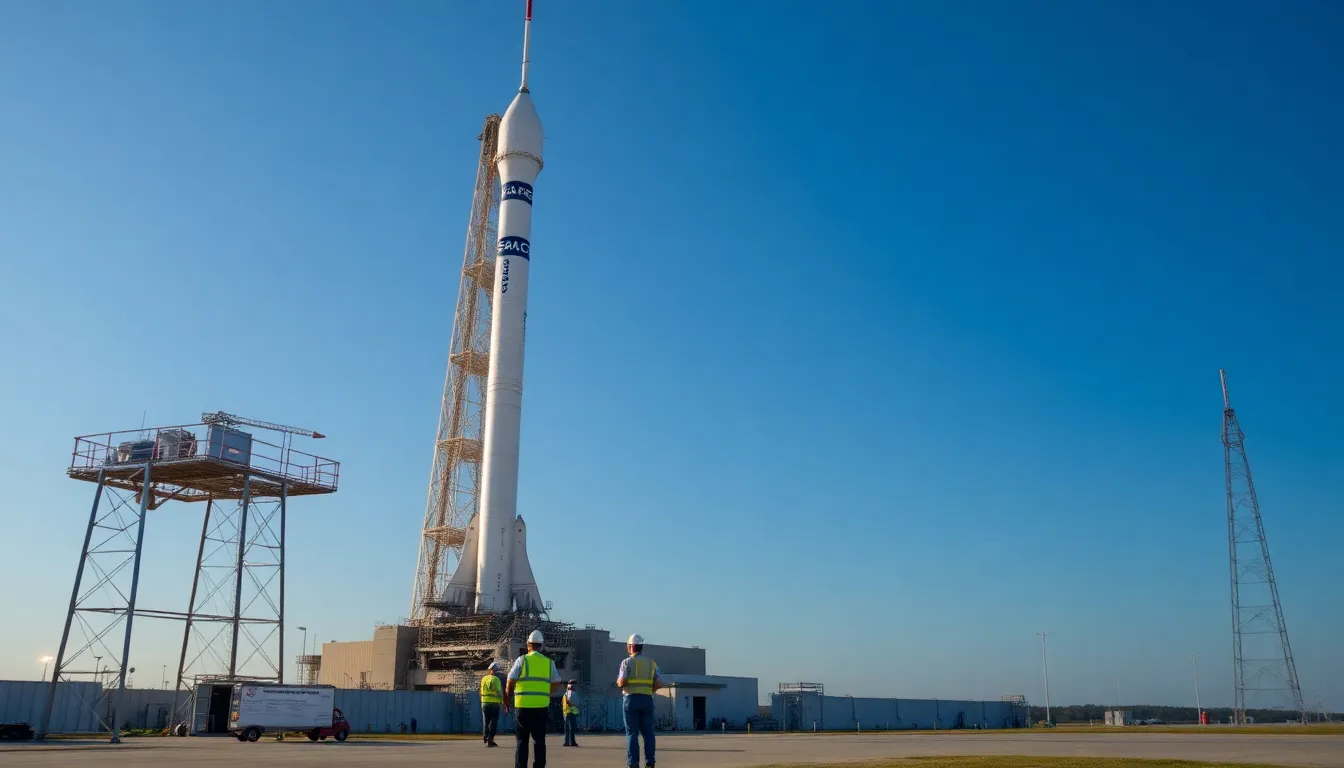
In the mid-term, industries reliant on satellite technology, such as agriculture, logistics, and disaster management, may experience transformative changes. Enhanced data collection and analysis capabilities could lead to more efficient operations and innovative solutions. However, regulatory challenges may arise, prompting governments to rethink policies regarding space traffic management and environmental impacts.
- Opportunities: Improved internet access for remote areas, enhanced data services for various industries.
- Risks: Space congestion, potential for satellite collisions, regulatory hurdles.
- Market impact: Increased competition leading to lower prices and improved services.
Overall, while the launch of a million satellites presents significant opportunities for innovation and connectivity, it also requires careful consideration of the associated risks and the need for robust regulatory frameworks to ensure sustainable practices in space.
A: SpaceX aims to provide global internet coverage and enhance satellite communication capabilities, addressing underserved areas. A: The main risks include space debris, potential collisions, and regulatory challenges from various countries. A: The launch may increase competition in the satellite internet market, potentially lowering costs and improving service for consumers. A: SpaceX plans to utilize advanced satellite technology, including small, lightweight designs optimized for efficient deployment and operation. A: While specific timelines are not confirmed, SpaceX has indicated that launches could begin within the next few years, pending regulatory approvals.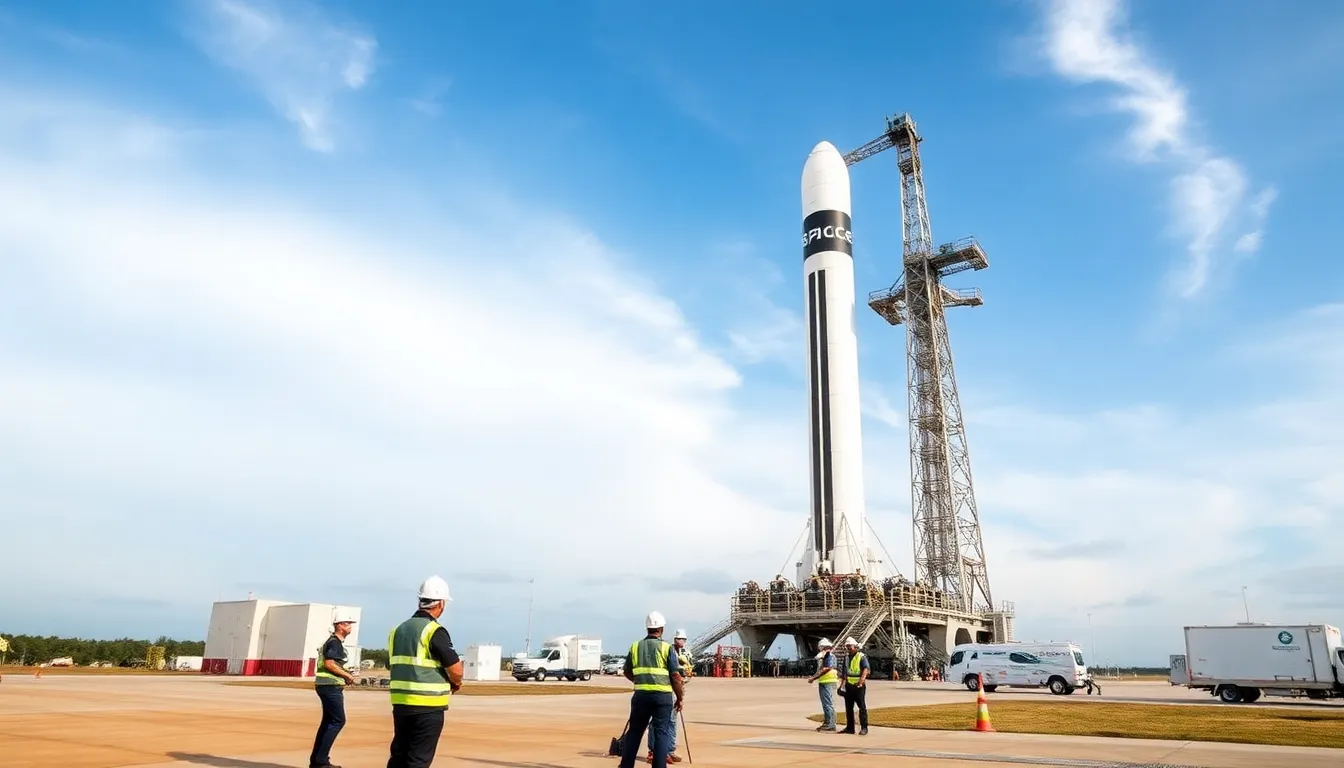
Common questions about SpaceX’s satellite launch plans
Future outlook on SpaceX’s satellite deployment strategy
The recent application by SpaceX to launch a million satellites into orbit marks a significant leap in the realm of satellite technology and space exploration. This ambitious initiative not only aims to enhance global internet connectivity but also raises critical questions about space debris management, regulatory frameworks, and the competitive landscape in the aerospace industry. As SpaceX continues to push the boundaries of what is possible in space, stakeholders must consider the broader implications of such expansive satellite networks.
Monitoring the developments of this project will be essential, as it could reshape communication infrastructures worldwide and influence international space policies. The potential for innovation in satellite technology and its applications could lead to both opportunities and challenges that merit close attention from industry experts, policymakers, and the public alike.
- Increased Connectivity: The deployment of a million satellites could drastically improve internet access in underserved regions, fundamentally changing global communication dynamics.
- Space Debris Concerns: With a significant increase in the number of satellites, the risk of space debris and collisions may rise, necessitating enhanced tracking and mitigation strategies.
- Regulatory Developments: Governments and international bodies may need to adapt existing regulations to accommodate the influx of satellites and ensure sustainable space practices.
- Market Competition: Other companies may accelerate their own satellite projects in response, intensifying competition in the space sector and potentially driving innovation.
- Technological Advancements: Continued investment in satellite technology could lead to breakthroughs in various fields, including Earth observation, climate monitoring, and emergency response.