
The deal, which was finalized in late September 2023, is part of TikTok’s broader strategy to mitigate fears that user data could be accessed by the Chinese government. By establishing a U.S.-based entity, TikTok aims to create a more transparent operational structure and reassure American users about their data security. This move reflects a growing trend among tech companies to localize operations in response to geopolitical tensions and regulatory challenges.
Key players in this initiative include TikTok’s parent company, ByteDance, and various U.S. stakeholders who are involved in the governance of the new entity. This development is seen as a response to mounting pressure from the Biden administration, which has been exploring options to regulate or even ban the app due to its Chinese ownership. Notably, the U.S. government has expressed increasing apprehension about the potential for the Chinese government to access user data collected by TikTok.
The establishment of the U.S. entity is expected to pave the way for enhanced compliance with American laws and regulations, potentially easing the path for TikTok to continue operating in the U.S. market. This move reflects a growing trend among tech companies to localize operations in response to geopolitical tensions and regulatory challenges, such as those previously faced by the app during the Trump administration.
The background of TikTok’s operations and concerns
TikTok, a social media platform owned by the Chinese company ByteDance, has rapidly gained popularity since its launch in 2016. The app allows users to create and share short videos, often set to music, and has become a cultural phenomenon, particularly among younger audiences. However, its rise has not been without controversy, particularly regarding data privacy and national security concerns stemming from its Chinese ownership.
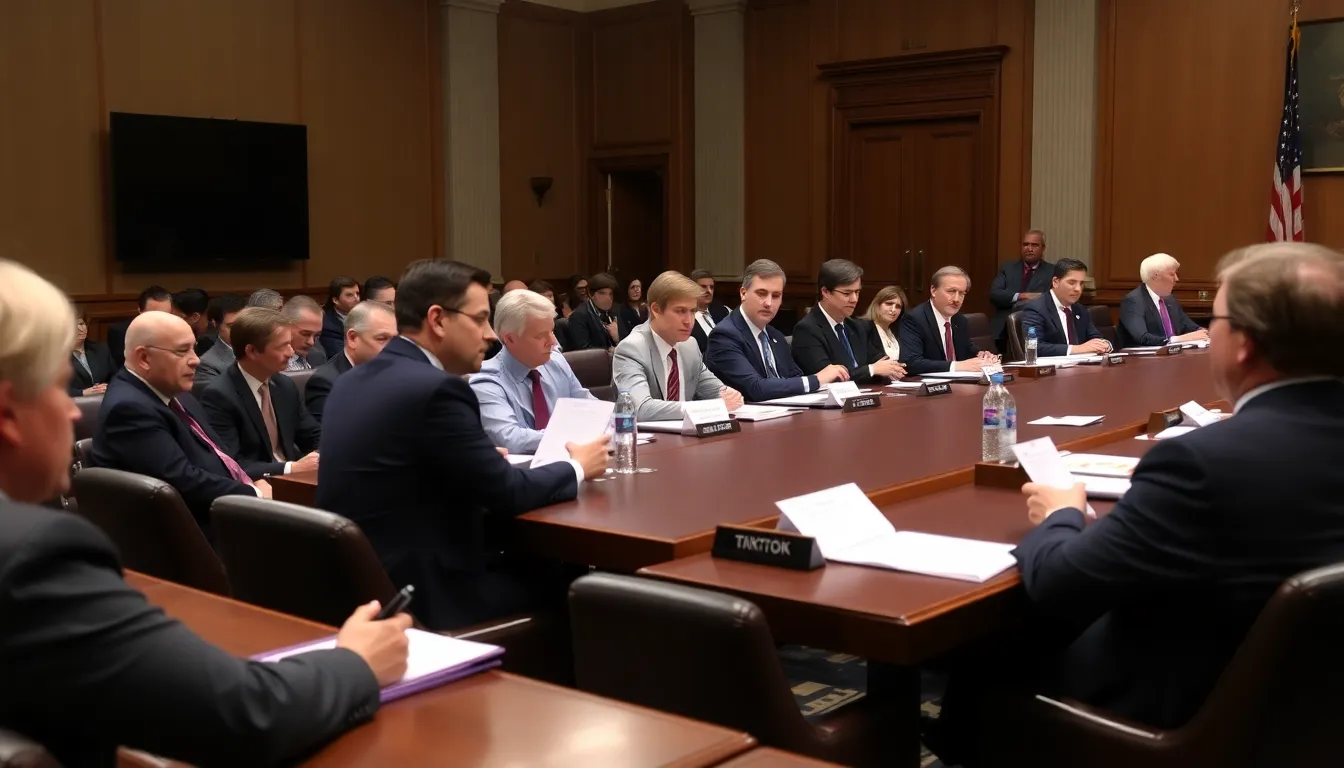
In recent years, the U.S. government has expressed increasing apprehension about the potential for the Chinese government to access user data collected by TikTok. This concern intensified during the Trump administration, which attempted to ban the app over fears that it could be used for espionage or to influence American users. Although the ban was never fully implemented, it set the stage for ongoing scrutiny of TikTok’s operations in the U.S.
In response to these concerns, TikTok has made various attempts to distance itself from its Chinese roots. The company has emphasized its commitment to user privacy and data security, launching initiatives to store U.S. user data in American servers and establishing transparency centers for independent oversight. However, these measures have not fully assuaged fears among lawmakers and the public, leading to calls for a more substantial restructuring of the company’s U.S. operations.
Key milestones in TikTok’s journey
Several key milestones have shaped TikTok’s trajectory in the U.S. In 2020, the app faced significant pressure from the Trump administration, which issued executive orders aimed at banning TikTok unless it was sold to an American company. This led to a high-profile negotiation with potential buyers, including Microsoft and Oracle. Ultimately, these efforts did not result in a sale, but they highlighted the geopolitical tensions surrounding technology and data privacy.
Recently, TikTok has announced a deal to create a new U.S. entity, which aims to further alleviate concerns about its ties to China. This move is seen as a crucial step in addressing regulatory scrutiny while allowing the platform to maintain its user base and continue its growth in the competitive social media landscape. As TikTok navigates these complex challenges, its future in the U.S. remains a focal point of discussion in the broader context of U.S.-China relations and technology governance.
Key stakeholders and issues surrounding the deal
The recent agreement by TikTok to establish a new U.S. entity represents a significant development in the ongoing scrutiny of the app by American lawmakers and regulators. Key stakeholders in this scenario include TikTok’s parent company, ByteDance, U.S. government officials, and the American public, each with distinct interests and concerns regarding data privacy, national security, and economic implications.
ByteDance aims to mitigate fears surrounding data security and the app’s ties to China, which have been a focal point of criticism. By creating a separate U.S. entity, TikTok seeks to reassure users and regulators that American data will be stored and managed domestically. This move could also enhance the company’s image and foster user trust, which is crucial for its continued operation in the U.S. market.
On the other hand, U.S. officials and lawmakers have expressed ongoing concerns about the potential for Chinese government access to user data and the app’s influence on American youth. The deal may alleviate some of these worries, but it also raises questions about the effectiveness of such measures in fully severing ties with China. Legal frameworks surrounding data protection and national security will play a significant role in determining the success of this new arrangement.
Additionally, the economic implications of this deal cannot be overlooked. The establishment of a U.S. entity may lead to job creation and investment in the American tech sector, which could have positive ripple effects on the economy. However, it also poses challenges, such as the potential for increased operational costs for TikTok and the risk of alienating users who are skeptical of corporate motives.
- Data Privacy: Concerns regarding the handling of user data and compliance with U.S. regulations.
- National Security: Ongoing debates about the risks posed by foreign ownership of digital platforms.
- Public Perception: The impact of the deal on user trust and brand reputation.
- Economic Impact: Potential job creation and investment in the U.S. tech ecosystem.
- Regulatory Scrutiny: Future legal challenges and compliance requirements that may arise from the new entity.
The potential impact on users and the market
The recent deal struck by TikTok to establish a new U.S. entity is poised to affect a variety of groups, including users, businesses, and policymakers. As TikTok loosens its ties to China, American users may experience changes in content moderation, data privacy, and overall user engagement. This shift could lead to a more localized experience, potentially increasing user trust in the platform.
Industries such as digital marketing and e-commerce will also feel the impact. Brands that rely on TikTok for advertising may find new opportunities to connect with their audience through tailored content that resonates more with U.S. users. However, there is also a risk that changes in data governance could disrupt existing advertising strategies, requiring businesses to adapt quickly.
In the short term, users might notice a more responsive platform that addresses their concerns about data security and privacy. This could lead to increased user retention and growth in active users, benefiting advertisers and content creators. In the mid-term, we could see a shift in how TikTok collaborates with local businesses, potentially fostering a new ecosystem of partnerships and sponsorships.
- User Trust: Improved user confidence in data privacy.
- Business Opportunities: New advertising strategies tailored to U.S. audiences.
- Regulatory Scrutiny: Increased focus on compliance with U.S. laws.
- Market Competition: Potential rise in competition as local alternatives may emerge.
Despite these opportunities, there are inherent risks. The establishment of a U.S. entity may lead to regulatory challenges, as lawmakers scrutinize TikTok’s operations closely. Additionally, if the platform fails to deliver on its promises of data security and transparency, it could face backlash from users and advertisers alike, impacting its market position in the long run.
A: The new U.S. entity aims to provide more transparency and security for users, potentially alleviating concerns about data privacy and foreign influence. A: The establishment of a U.S. entity is intended to reduce TikTok’s operational ties to China, which may lead to changes in how content is moderated and data is handled. A: This deal may help TikTok navigate regulatory challenges in the U.S. by demonstrating a commitment to compliance and user data protection. A: Users may notice changes in data handling practices and possibly new features that enhance privacy and security. A: By establishing a U.S. entity, TikTok may strengthen its position against competitors by addressing regulatory concerns and improving user trust.
Frequently asked questions about TikTok’s new deal
Insights and future outlook on TikTok’s operations
The recent agreement to establish a new U.S. entity for TikTok marks a significant shift in the app’s operational framework, aiming to address ongoing regulatory concerns and enhance user trust. By loosening its ties to China, TikTok is positioning itself to better navigate the complex geopolitical landscape while maintaining its substantial user base in the United States.
This strategic move not only aims to alleviate fears surrounding data privacy and security but also sets a precedent for how foreign technology companies might operate in the U.S. market. As TikTok implements this new structure, it will be essential to monitor the reactions from both users and regulators, as well as the potential ripple effects on other social media platforms.
- Watch for changes in user engagement metrics as the new entity is established and privacy concerns are addressed.
- Regulatory responses will be crucial; continued scrutiny from U.S. lawmakers may influence TikTok’s operational strategies.
- The success of this model could inspire similar approaches from other foreign tech companies facing regulatory pressures.
- Monitor how TikTok’s competitors respond to these developments, particularly in terms of user trust and data security initiatives.
- Consider the implications for advertising and monetization strategies as TikTok adapts to its new U.S. entity structure.