
Trump’s remarks come in the context of ongoing discussions among G7 nations about economic strategies and security concerns related to China. Both the U.K. and Canada have been exploring trade agreements with China, which Trump argues could undermine Western alliances and security frameworks established to counter China’s influence. For a deeper understanding of the complexities surrounding these trade negotiations, see our article on Mexico’s criminal transfers under Trump’s pressure.
In a speech delivered on October 15, 2023, Trump emphasized that nations should be cautious in their dealings with China, citing concerns over human rights abuses and trade practices. His comments reflect a broader sentiment among some U.S. lawmakers who advocate for a tougher stance on China to protect national interests.
The timing of Trump’s statements is significant, as the U.K. and Canada are both navigating complex economic landscapes post-pandemic. With inflation and supply chain issues affecting global markets, the push for trade with China could be seen as a pragmatic approach, raising questions about the balance between economic benefits and geopolitical risks.
As discussions continue, the response from U.K. and Canadian officials remains to be seen, particularly in light of Trump’s influence within the Republican Party and ongoing debates about trade policy. The situation underscores the delicate interplay between economic strategy and international relations in a rapidly changing global environment.
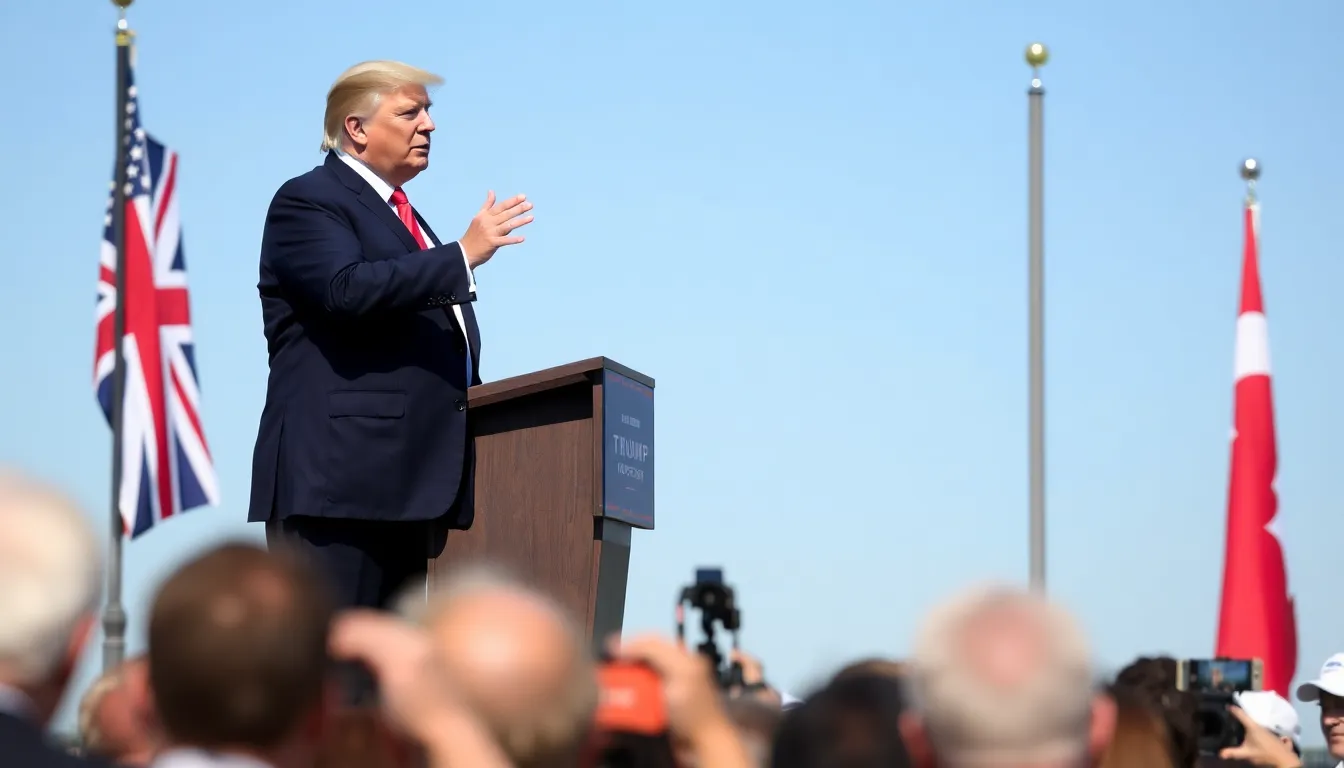
Understanding the geopolitical landscape of trade with China
The relationship between Western countries and China has evolved significantly over the past few decades. Following China’s economic reforms in the late 1970s, the country transformed into a global manufacturing powerhouse, attracting investments and becoming a key player in international trade. This shift has led to a complex interplay of cooperation and competition, particularly with the United States, the United Kingdom, and Canada, who have historically been aligned in their economic strategies.
In recent years, concerns about China’s trade practices, including intellectual property theft and state subsidies for domestic industries, have prompted a reevaluation of trade policies among Western nations. The U.S.-China trade war, initiated in 2018 under the Trump administration, marked a significant turning point. Tariffs were imposed on billions of dollars’ worth of goods, highlighting the growing apprehension regarding China’s influence on global markets and its implications for national security.
Trump’s administration was particularly vocal about the perceived dangers of increasing trade ties with China. He argued that such relationships could compromise national security and economic sovereignty. This sentiment resonated with many lawmakers and citizens who feared that reliance on Chinese manufacturing could undermine domestic industries and lead to job losses in the West.
The Role of Allies in Trade Policy
As the U.S. navigates its trade policies, it has sought to influence allies like the U.K. and Canada to adopt similar caution regarding trade with China. The idea is to create a united front against what is perceived as unfair trade practices and to mitigate risks associated with economic dependency. This push has led to discussions about diversifying supply chains and strengthening trade agreements with other nations, particularly in the Indo-Pacific region, to counterbalance China’s growing economic clout.
Key stakeholders and implications of Trump’s warning
In the context of President Trump’s recent remarks regarding trade relations with China, several key stakeholders emerge, each with distinct interests and potential implications for international trade dynamics. The primary actors include the U.S. government, the U.K. and Canadian governments, and various business sectors within these nations.
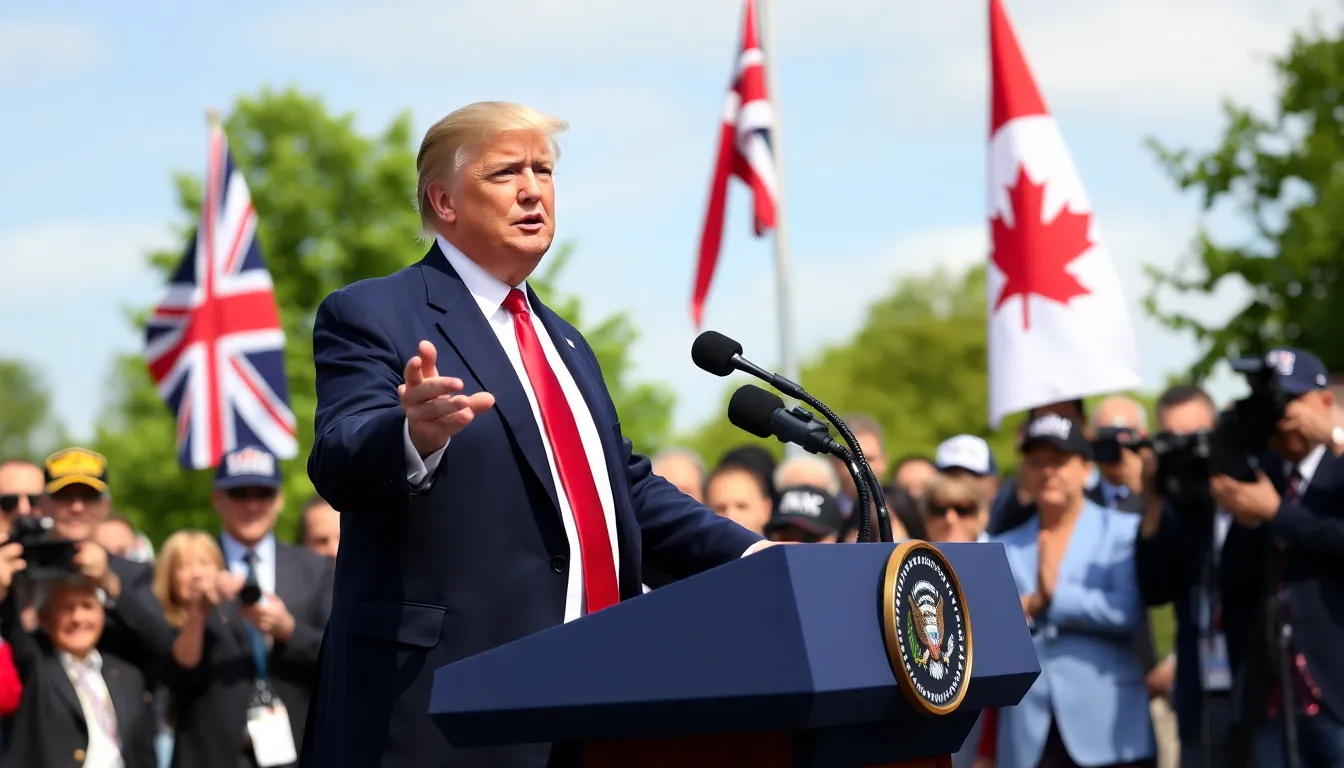
The U.S. government, particularly under Trump’s administration, is focused on protecting American economic interests and promoting a nationalist trade agenda. This stance is reflected in Trump’s warning that increased trade with China could pose risks not only to the U.S. economy but also to its allies, the U.K. and Canada. This perspective aligns with broader concerns about China’s trade practices and intellectual property theft, similar to the issues discussed in our analysis of the significance of international relations.
The U.K. and Canadian governments are navigating their own economic strategies while considering Trump’s warnings. Both nations have been exploring trade opportunities with China, which they view as essential for economic growth, especially in the wake of Brexit for the U.K. and ongoing trade negotiations for Canada. However, they must weigh these opportunities against the potential backlash from the U.S. and the implications for their geopolitical alliances. To learn more about international affairs and their implications, visit our write-up on families in India demanding crew return.
- Economic Dependencies: Both the U.K. and Canada have significant trade ties with China, which could be jeopardized by aligning too closely with U.S. trade policies.
- Geopolitical Alliances: The need to maintain strong relationships with the U.S. may compel these nations to reconsider their trade strategies with China.
- Domestic Industries: Various industries in the U.K. and Canada may benefit from trade with China, creating internal conflicts over the best course of action.
- Legal Frameworks: Trade agreements and international law may complicate the ability of these nations to pivot away from China without incurring legal or economic repercussions.
Ultimately, the dialogue surrounding trade with China highlights a complex web of interests and conflicts that these stakeholders must navigate. The balance between economic opportunity and national security concerns will be a critical factor in shaping future trade policies and alliances.
Potential effects on U.K. and Canada’s economies
The remarks made by former President Trump regarding the dangers of increasing trade with China are likely to resonate across various sectors in both the U.K. and Canada. Industries that rely heavily on Chinese imports or exports may face increased scrutiny and potential policy shifts. This could affect manufacturing, technology, and agriculture, which are all significant contributors to the economies of these nations.
In the short term, businesses engaged in trade with China may experience uncertainty, leading to a reevaluation of their supply chains. Companies could see disruptions as they navigate potential tariffs or trade restrictions that might arise from heightened tensions. For consumers, this could mean increased prices for goods that rely on Chinese manufacturing, impacting daily expenses.
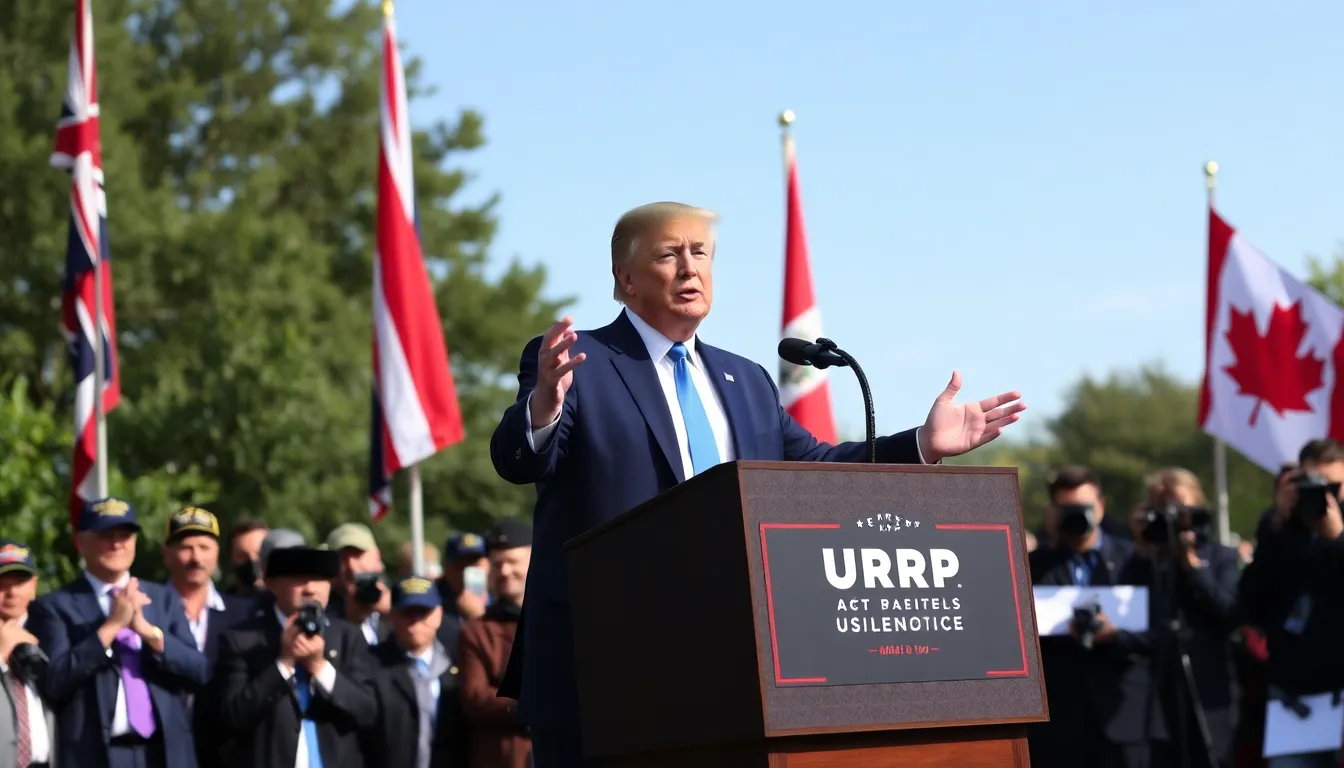
In the mid-term, the political landscape may shift as policymakers respond to these concerns. New trade agreements or partnerships might be pursued with other nations to mitigate reliance on China, creating opportunities for businesses in alternative markets. However, this transition could also lead to instability as industries adjust to new trade dynamics.
- Risks: Increased costs for consumers and businesses, potential job losses in affected sectors, and supply chain disruptions.
- Opportunities: Diversification of trade partnerships, potential growth in domestic industries, and innovation in supply chain management.
Regions heavily dependent on exports to China may face significant challenges, while those that can pivot to other markets may find new avenues for growth. The overall impact will depend on how swiftly and effectively both countries can adapt to the changing trade environment.
A: Trump stated that increasing trade with China poses significant risks, urging both the U.K. and Canada to reconsider their strategies. A: Concerns revolve around economic dependency, national security risks, and the potential for China to leverage trade for political influence. A: If they heed Trump’s warning, they may seek alternative trade partnerships, which could reshape their economic landscapes. A: Officials in both countries have acknowledged the importance of balancing trade relationships while considering national interests. A: Yes, both countries have trade agreements with China, but the extent and nature of these agreements are under scrutiny following Trump’s comments.
Frequently asked questions about trade and Trump’s statements
Looking ahead: implications of Trump’s trade warnings
As President Trump cautions the U.K. and Canada against increasing trade ties with China, the geopolitical landscape may shift, influencing global trade dynamics. His remarks signal a growing concern over reliance on China, suggesting that nations may need to reassess their economic strategies and partnerships. This could lead to a reevaluation of existing trade agreements and collaborations, as countries weigh the risks associated with deeper ties to the Chinese market.
Monitoring these developments will be crucial, as the reactions from the U.K. and Canada could set the tone for future international trade relations. The potential for increased scrutiny on trade practices may also encourage nations to explore alternative markets and strengthen alliances with other economies, particularly those aligned with the U.S.
- Watch for potential shifts in trade policies as the U.K. and Canada respond to Trump’s warnings.
- Expect a rise in discussions around diversifying trade partnerships to mitigate risks associated with China.
- Consider the implications for multinational corporations that heavily rely on Chinese supply chains.
- Pay attention to any emerging coalitions among Western nations aimed at countering China’s influence in global trade.
- Observe how these trade dynamics may affect global markets and economic forecasts in the coming months.