
On October 1, 2023, Meta launched an awareness campaign highlighting its commitment to sustainability and renewable energy sources. The campaign emphasizes the company’s investments in green technology and aims to showcase how these efforts contribute to reducing the carbon footprint of data centers. By promoting transparency and accountability, Meta seeks to address the skepticism surrounding the ecological implications of its operations. For more on climate-related financial issues, check out How Wall Street Turned Its Back on Climate Change.
In addition to public outreach, Meta is collaborating with local governments and environmental organizations to develop best practices for data center management. This partnership aims to create guidelines that not only enhance energy efficiency but also mitigate the impact on local ecosystems. Such collaborations are essential as communities increasingly demand that companies take responsibility for their environmental practices.
The timing of these initiatives is particularly significant, as regulatory pressures are mounting globally regarding data center operations. Many regions are implementing stricter regulations to ensure that technology companies adopt sustainable practices. Meta’s proactive approach may position the company favorably in the eyes of regulators and consumers alike, potentially influencing future policy developments in the tech industry.
Understanding the Background of Data Center Operations
The evolution of data centers has been closely linked to the rapid advancement of technology and the increasing demand for digital services. Initially, data centers were small, localized facilities that housed a limited number of servers. However, as the internet began to expand in the late 1990s and early 2000s, the need for larger and more efficient data centers became apparent. This shift was driven by the rise of social media, e-commerce, and cloud computing, which required robust infrastructure to support growing user bases and data storage needs.

Politically, the establishment of data centers has often been a contentious issue. Local governments and communities have had to balance the economic benefits of hosting such facilities, including job creation and increased tax revenue, against concerns about environmental impact, energy consumption, and the potential for increased traffic and noise. In some cases, this has led to public opposition and protests, prompting companies like Meta to launch campaigns aimed at changing public perception and highlighting the positive aspects of data centers.
Economically, the competition among tech giants to build data centers in favorable locations has intensified. States and municipalities have offered various incentives, such as tax breaks and infrastructure support, to attract these investments. This has led to a patchwork of regulatory environments that can significantly influence where data centers are built. As a result, some regions have seen a surge in economic activity, while others have raised alarms about the long-term sustainability of such developments.
Key Milestones in Data Center Development
Several key milestones have marked the development of data centers over the years. The introduction of virtualization technology in the early 2000s allowed for more efficient use of hardware resources, leading to the proliferation of data centers. Additionally, the rise of green technology initiatives in the 2010s pushed companies to adopt more sustainable practices, which has become a focal point in Meta’s current campaigns. These milestones have not only shaped the operational landscape of data centers but have also influenced public opinion and regulatory frameworks surrounding their establishment. A closer look at the impact of green technology can be found in the article about UK homes receiving £15bn for solar and green technology.
Key Stakeholders and Issues in the Data Center Debate
The conversation surrounding data centers, particularly in relation to Meta’s campaigns, involves a diverse array of stakeholders, each with distinct interests and concerns. These stakeholders include technology companies, local governments, environmental groups, and community residents. Understanding their motivations is crucial for comprehending the broader implications of data center development.
Meta, as a leading technology company, aims to expand its data center footprint to support its growing digital services. The company advocates for the economic benefits that data centers can bring, such as job creation and increased local tax revenues. However, this expansion often faces opposition from environmental organizations that raise concerns about energy consumption and carbon emissions associated with large data centers.
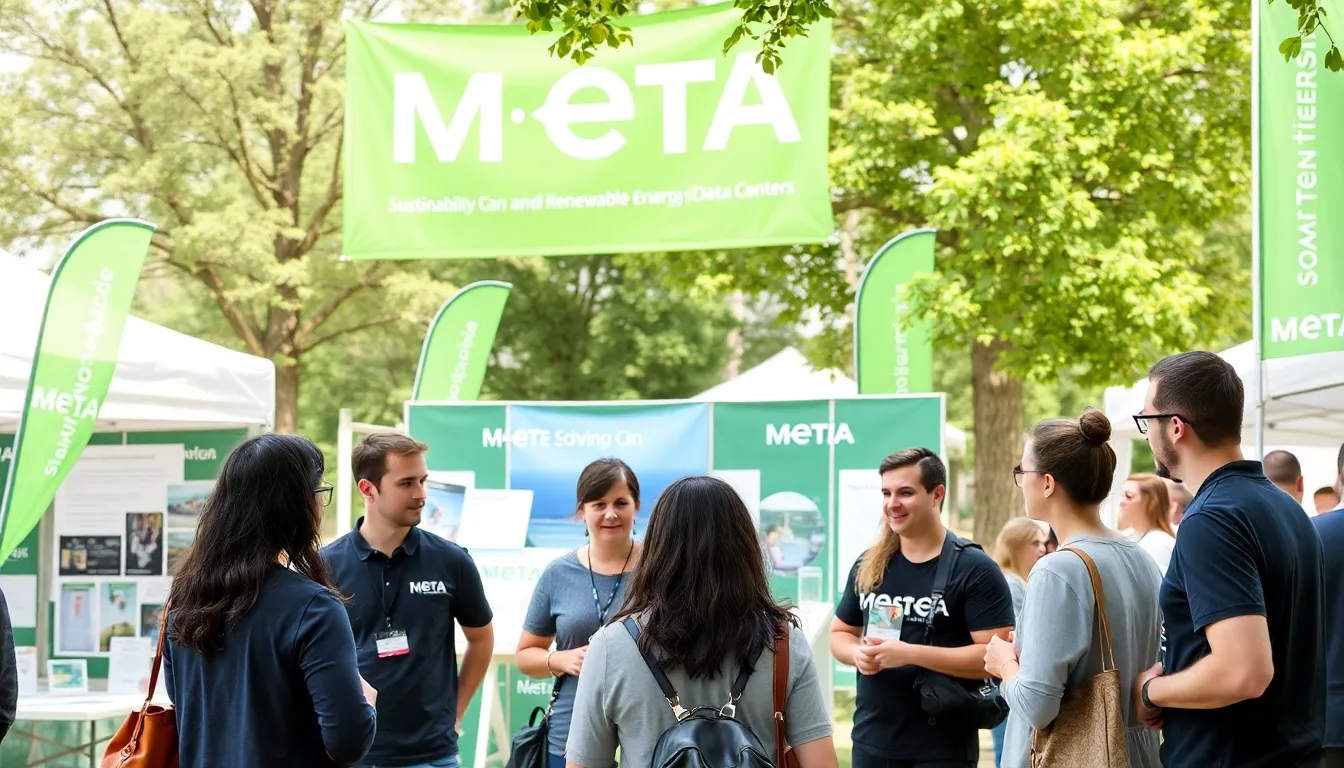
Local governments are caught in a complex web of interests. On one hand, they seek to attract businesses like Meta to stimulate economic growth; on the other hand, they must address community concerns regarding infrastructure strain and environmental impact. This creates a conflict between short-term economic benefits and long-term sustainability goals.
- Economic Development: Local governments may prioritize job creation and tax revenue, while residents may worry about the quality of life and environmental degradation.
- Environmental Impact: Environmental groups emphasize the need for sustainable practices and renewable energy sources in data center operations.
- Community Concerns: Residents often express fears about noise, traffic, and the overall impact of data centers on their neighborhoods.
- Regulatory Challenges: Governments must navigate complex regulations regarding land use, zoning, and energy consumption.
- Public Perception: Meta’s public campaigns aim to shift opinions in favor of data centers, but they must contend with skepticism from various stakeholders.
As these stakeholders engage in dialogue, the trade-offs become evident. Balancing economic growth with environmental sustainability and community well-being presents a significant challenge. The outcome of this debate will shape the future landscape of data centers and their role in society. Understanding these dynamics is crucial, especially as issues like those experienced by ScottishPower show the importance of accountability in energy services.
The Impact of Data Centers on Communities and the Environment
Data centers play a crucial role in the digital economy, but their expansion has significant implications for various groups and industries. Local communities, particularly those in proximity to these facilities, are often the most affected. Residents may experience increased traffic, noise, and strain on local resources, while businesses in the surrounding area could see both positive and negative effects depending on their reliance on digital infrastructures.
In the short term, the establishment of new data centers can lead to job creation and economic growth in the region. However, these benefits may be overshadowed by environmental concerns, such as increased energy consumption and water usage, which can lead to higher utility costs for local residents. The technology sector, while benefiting from enhanced data processing capabilities, may also face backlash from environmental advocates and regulatory bodies as awareness of these issues grows.
Mid-term impacts may include shifts in local policy as governments respond to community concerns. Regions may implement stricter regulations on energy use and emissions, potentially affecting the operational costs of data centers. Additionally, as public opinion shifts, companies like Meta might face increased pressure to adopt sustainable practices, creating both challenges and opportunities for innovation in green technologies.
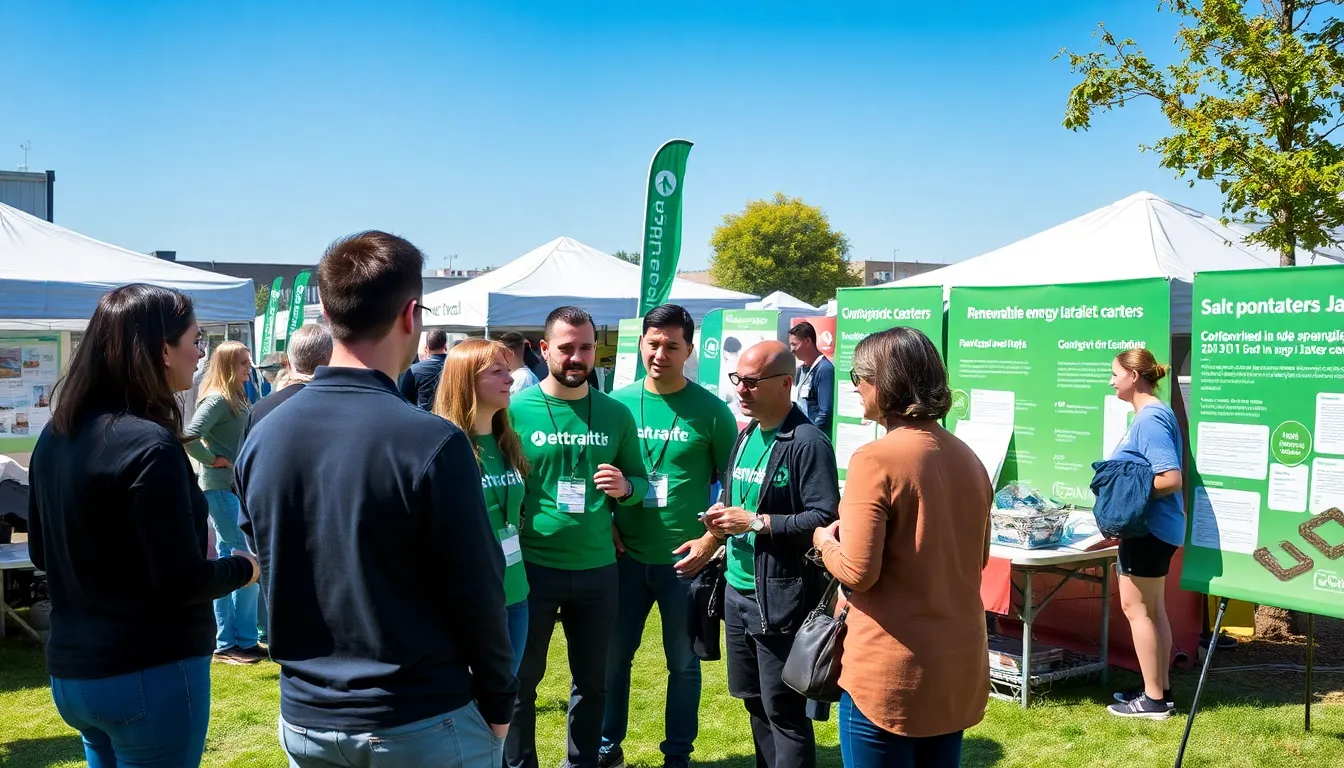
- Local Communities: Increased traffic and strain on resources.
- Businesses: Economic growth versus potential backlash from environmental concerns.
- Technology Sector: Enhanced capabilities but increased scrutiny and regulation.
- Policy Makers: Need to balance economic growth with environmental sustainability.
Ultimately, while there are risks associated with the growth of data centers, there is also the potential for positive change. Companies are encouraged to invest in renewable energy sources and sustainable practices, which could lead to long-term benefits for both the environment and local economies. As Meta and other tech giants navigate these challenges, their strategies will significantly influence the future landscape of data centers and their impact on society.
A: The main goal is to improve public perceptions of data centers by highlighting their sustainability efforts and positive community contributions. A: Meta plans to use targeted messaging, community engagement, and educational initiatives to inform the public about the benefits of data centers. A: Data centers are often criticized for their environmental impact, energy consumption, and perceived lack of transparency in operations. A: Communities are vital as Meta aims to address their concerns and involve them in discussions about data center operations and benefits. A: Yes, Meta plans to track changes in public sentiment and community engagement metrics to assess the effectiveness of their campaigns.
Frequently Asked Questions About Meta’s Campaigns
Insights and Future Outlook on Data Center Perceptions
The ongoing campaigns by Meta to reshape public opinion about data centers highlight the complex relationship between technology, community, and environmental concerns. As data centers become increasingly integral to our digital infrastructure, understanding and addressing public perceptions will be crucial for tech companies. The effectiveness of these campaigns could set a precedent for how similar initiatives are approached in the future, particularly in balancing operational needs with community sensitivity.
Looking ahead, stakeholders should remain vigilant about the evolving narrative surrounding data centers. The implications of public sentiment will not only affect Meta’s operations but could also influence regulatory frameworks and community engagement strategies across the tech industry.
- Monitor public response to Meta’s campaigns, as shifts in perception could lead to broader industry changes.
- Consider the potential for increased regulatory scrutiny on data centers, particularly in relation to environmental impacts.
- Watch for emerging community engagement strategies that prioritize transparency and collaboration.
- Evaluate the effectiveness of misinformation counter-campaigns in shaping public discourse around technology infrastructure.
- Anticipate potential partnerships between tech companies and local governments aimed at fostering positive community relations.