
These developments come at a time when tensions between China and Taiwan are escalating. Xi’s government has consistently emphasized its goal of reunification with Taiwan, which it considers a breakaway province. However, the ongoing military reshuffling could hinder the PLA’s operational readiness and strategic planning, raising questions about China’s ability to project military force effectively should a conflict arise over Taiwan. For more on China’s military strategies, read about China’s recent agreements with Canada.
Analysts highlight that the timing of these purges is critical, as they coincide with increased military drills and rhetoric from Beijing regarding Taiwan. In August 2023, China conducted extensive military exercises near the Taiwan Strait, signaling its willingness to use force if necessary. The internal instability within the military could undermine these aggressive postures, potentially altering Xi’s strategy toward Taiwan.
Furthermore, the purges may reflect deeper issues within the military hierarchy, including a struggle for loyalty and control. Observers note that a fragmented military could lead to delays in decision-making and a less cohesive response to perceived threats. As Xi seeks to assert China’s dominance in the region, the implications of these purges may resonate far beyond the immediate military landscape.
Understanding the historical context of Xi’s military leadership
Since coming to power in 2012, Xi Jinping has sought to consolidate his authority over the Chinese Communist Party (CCP) and the military, viewing both as essential tools for realizing his vision of a rejuvenated China. His leadership has been marked by a series of ambitious military reforms aimed at modernizing the People’s Liberation Army (PLA) and enhancing its operational capabilities. However, these efforts have also led to significant internal purges within the military ranks, raising concerns about the potential impact on China’s strategic ambitions, particularly regarding Taiwan.
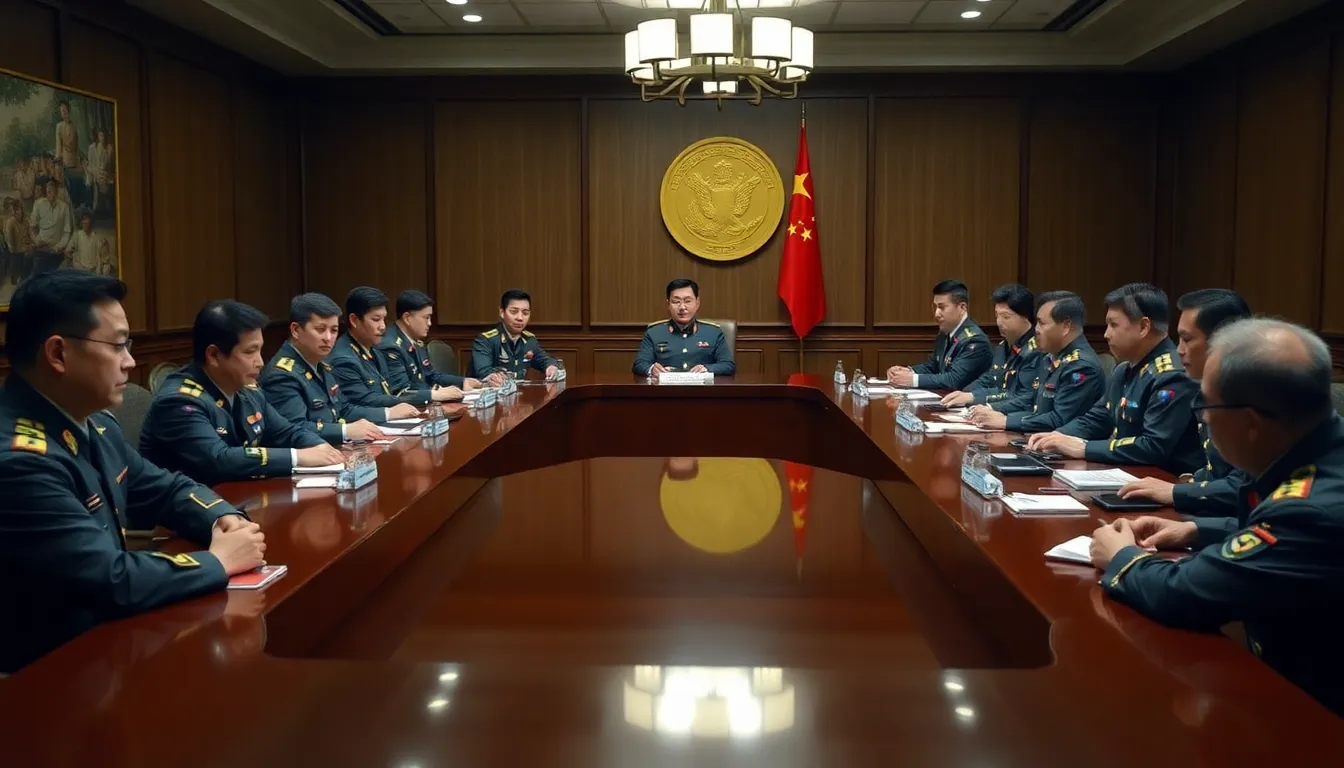
The historical backdrop of Xi’s military purges can be traced back to the CCP’s long-standing emphasis on loyalty and ideological conformity within its ranks. Following decades of corruption and inefficiency, Xi launched an anti-corruption campaign that has resulted in the dismissal or prosecution of numerous high-ranking military officials. This campaign is seen not only as a means to combat corruption but also as a strategy to eliminate potential rivals and ensure that the military remains firmly aligned with Xi’s leadership.
In the context of Taiwan, Xi has made it clear that reunification is a top priority for his administration. However, the ongoing purges within the military could undermine the PLA’s readiness and effectiveness in executing any potential military operations against Taiwan. The removal of experienced commanders and the disruption of established command structures may lead to operational delays or miscalculations in a crisis scenario, similar to the US-TikTok deal’s implications for China’s tech landscape.
The Taiwan Factor: Historical Tensions
The historical tensions between China and Taiwan date back to the Chinese Civil War, which concluded in 1949 when the Nationalists retreated to Taiwan after their defeat by the Communists. Since then, Taiwan has developed its own identity and democratic governance, which contrasts sharply with the authoritarian regime in mainland China. Xi’s increasing assertiveness in the region, including military drills and aggressive rhetoric, reflects a desire to reclaim Taiwan, seen by the CCP as a breakaway province. However, the effectiveness of Xi’s military strategy may be compromised by the internal instability stemming from his purges.
Key stakeholders and issues surrounding Taiwan’s future
The ongoing tensions surrounding Taiwan’s status involve a complex web of stakeholders, each with distinct interests and motivations. At the forefront is the Chinese government, led by President Xi Jinping, which views Taiwan as a core part of its territory and seeks reunification, potentially by force if necessary. This ambition is underscored by Xi’s recent military purges, which may have implications for the effectiveness of the Chinese military in any potential conflict over Taiwan.
Another critical actor is the Taiwanese government, currently led by President Tsai Ing-wen, which advocates for maintaining the island’s autonomy and democratic governance. Taiwan’s leadership faces the challenge of bolstering national defense while navigating international relations, particularly with the United States, which has historically supported Taiwan’s self-defense capabilities through arms sales and diplomatic backing.
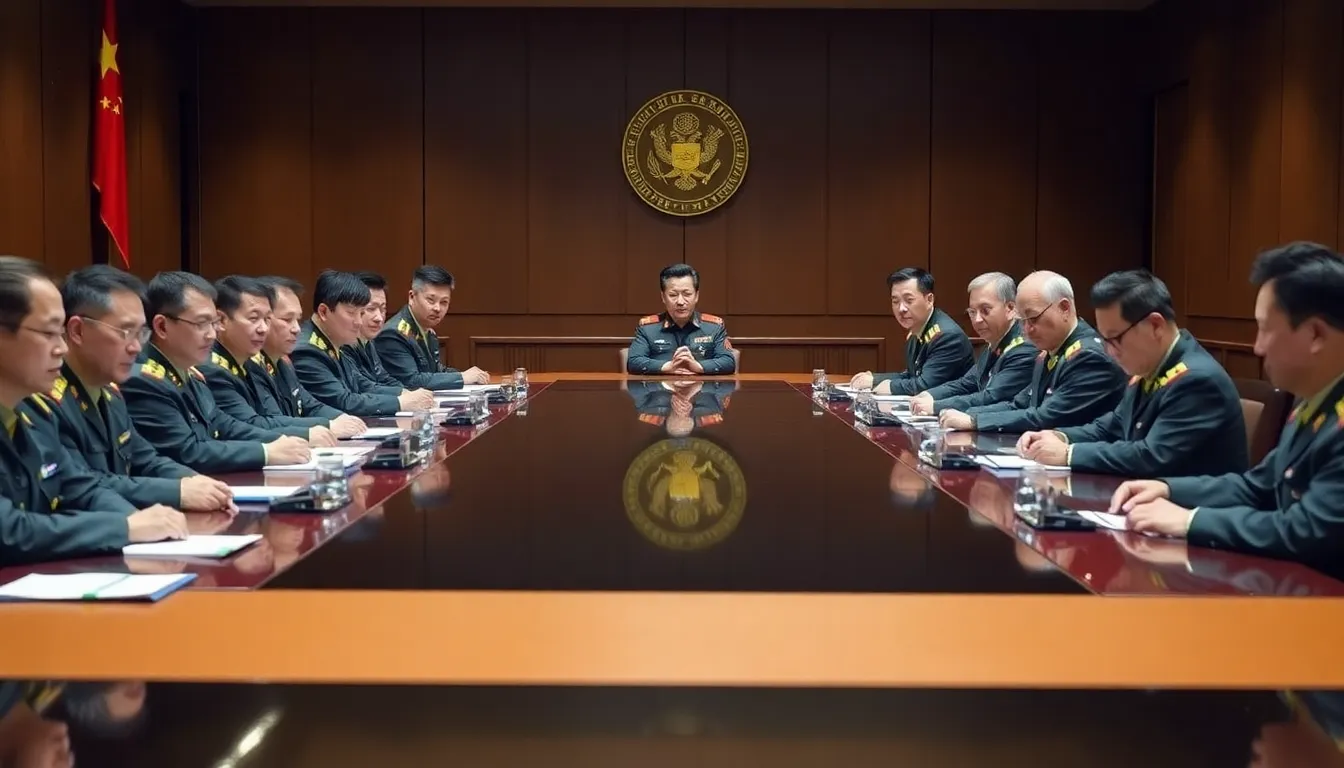
International stakeholders, particularly the United States and regional allies such as Japan and Australia, play a significant role in the Taiwan issue. The U.S. has a vested interest in maintaining stability in the Indo-Pacific region and countering China’s growing influence. This leads to a delicate balance of supporting Taiwan without provoking direct military confrontation with China.
- Military Capabilities: The effectiveness of the Chinese military following Xi’s purges raises questions about their readiness for potential conflict over Taiwan.
- International Support: Taiwan’s ability to secure support from allies like the U.S. is crucial for its defense strategy.
- Domestic Sentiment: The Taiwanese public’s perception of reunification versus independence influences political decisions and stability.
- Economic Implications: Trade relationships and economic sanctions could impact both China and Taiwan in the event of conflict.
- Legal Status: The international legal framework surrounding Taiwan’s sovereignty remains contentious and unresolved.
Potential impacts on Taiwan and regional security dynamics
The recent military purge orchestrated by Xi Jinping could have significant ramifications for various groups and industries, particularly in Taiwan and the broader Asia-Pacific region. Political analysts, defense contractors, and regional businesses are closely monitoring the evolving situation, which may reshape the security landscape and economic interactions. This is particularly relevant as new business entities emerge to navigate tensions between China and the United States.
In the short term, military personnel and their families may experience uncertainty and instability as leadership changes occur within the Chinese armed forces. This could lead to decreased morale among troops and potential disruptions in military readiness. Additionally, industries reliant on defense contracts, both in China and Taiwan, may face volatility as policies and priorities shift in light of the purge.
Mid-term impacts could extend to Taiwan’s economy, particularly in sectors like technology and manufacturing that are sensitive to geopolitical tensions. Companies operating in these sectors may need to reassess their risk exposure and supply chain dependencies, potentially leading to increased costs and operational adjustments. The Taiwanese government may also bolster its defense spending in response, impacting public policy and resource allocation.
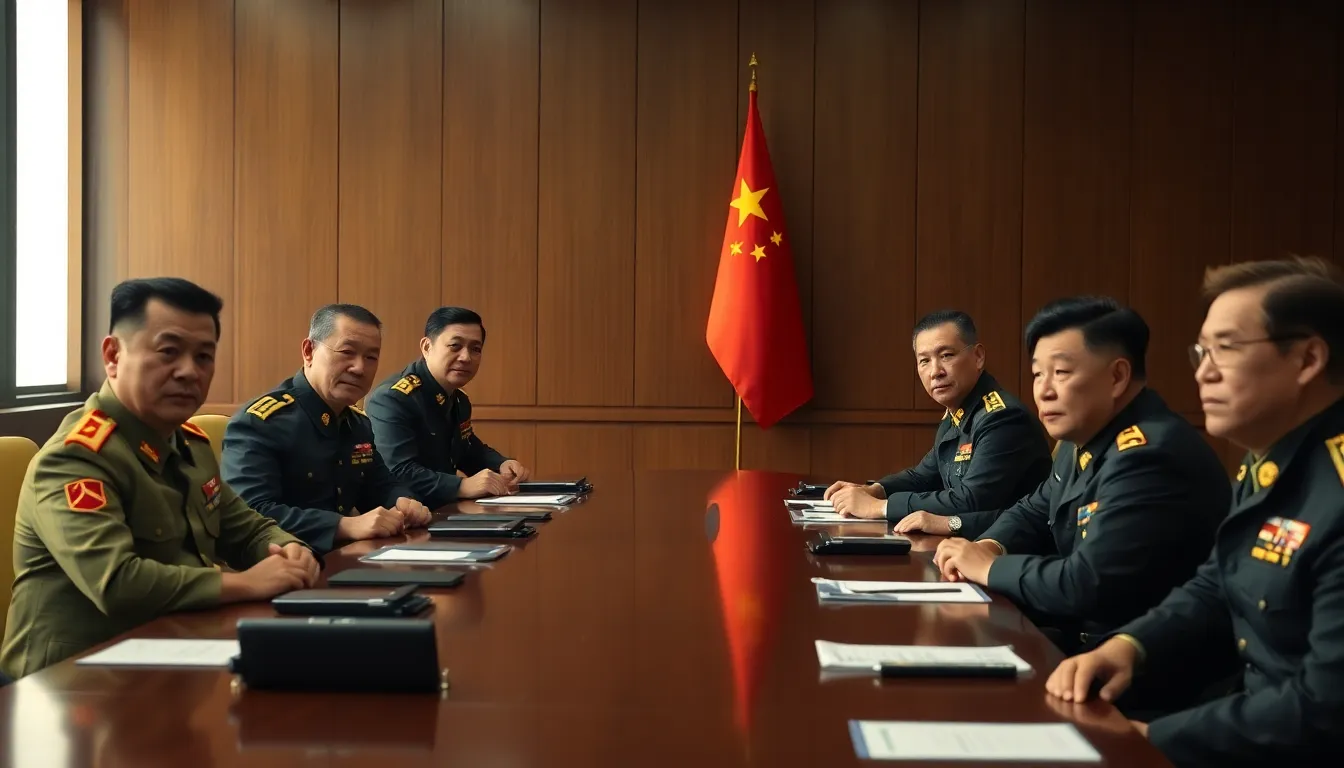
Moreover, the regional security dynamics may shift, affecting diplomatic relations with neighboring countries. Nations like Japan, South Korea, and the Philippines could recalibrate their defense strategies and alliances, creating both risks and opportunities for collaboration on security initiatives.
- Risks: Increased military tensions could lead to economic instability in Taiwan and surrounding regions.
- Opportunities: Enhanced defense partnerships among regional allies may foster greater cooperation and innovation in security technologies.
- Policy Impact: Potential for Taiwan to strengthen its defense policies and attract foreign investment in security-related industries.
Ultimately, the outcomes of Xi’s military purge could resonate beyond the immediate effects, influencing long-term strategic alignments and economic prospects in the Asia-Pacific region.
A: Xi’s military purges are largely seen as a move to consolidate power and eliminate dissent within the ranks. These actions may also reflect internal struggles within the Chinese Communist Party. A: The purges could lead to instability within the military, potentially delaying or complicating any aggressive maneuvers towards Taiwan. A weakened command structure may hinder effective decision-making. A: Taiwan may see this as an opportunity to strengthen its own defense capabilities, anticipating a less coordinated military approach from China. This could lead to increased military spending and alliances. A: Yes, international observers are closely monitoring the situation, with concerns about regional stability and the potential for escalated tensions in the Taiwan Strait.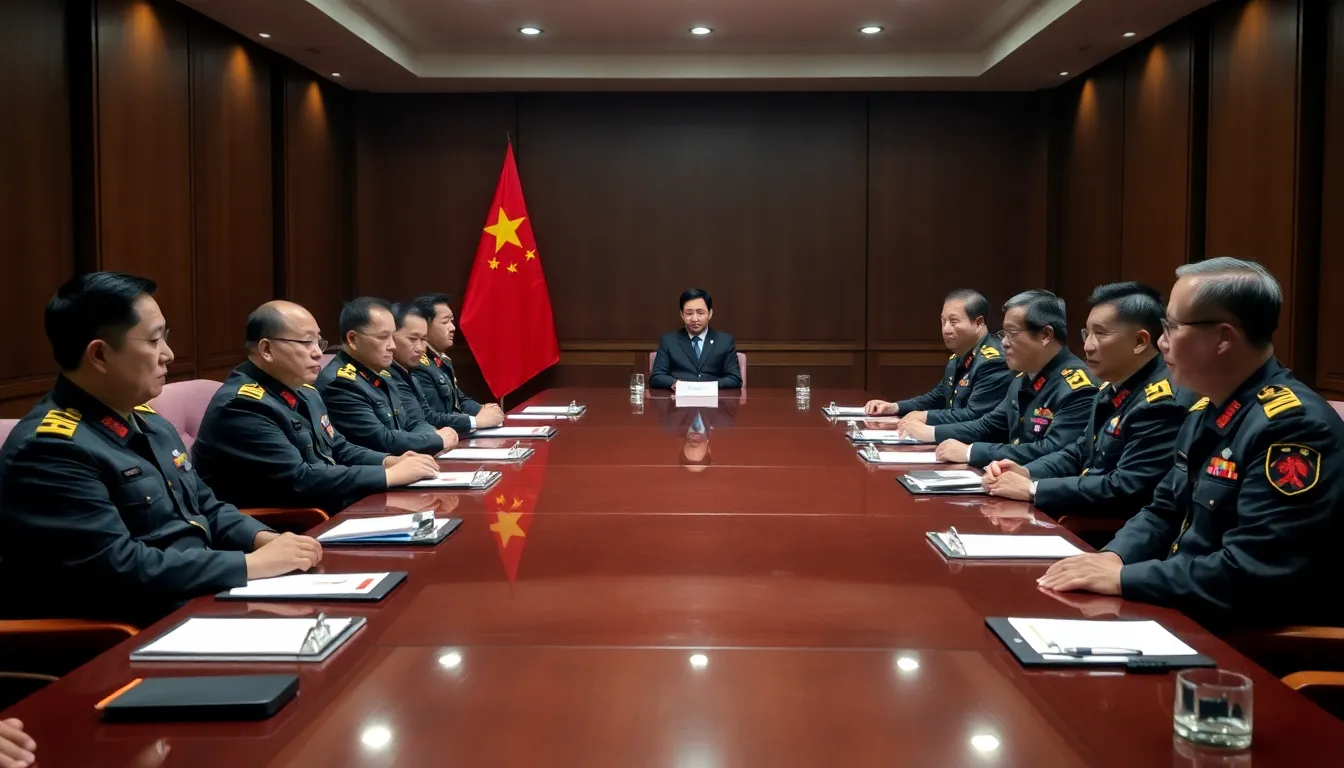
Frequently asked questions about Xi’s military strategy
Key takeaways and future outlook on Taiwan relations
Xi Jinping’s recent military purge has significant implications for China’s strategy towards Taiwan. As the leadership reshuffles key military positions, the uncertainty surrounding military readiness and strategic coherence may hinder Xi’s ambitions for Taiwan in the near term. Observers should remain attentive to how these changes might affect China’s posture in the Taiwan Strait and its broader regional military strategy.
Moreover, the internal dynamics within the Chinese military could lead to a more cautious approach as new leaders settle into their roles. This could provide a window of opportunity for diplomatic engagement and a reevaluation of cross-strait relations, particularly as external pressures from the United States and its allies continue to shape the geopolitical landscape.
- Monitor changes in military leadership for shifts in strategic priorities regarding Taiwan.
- Watch for potential diplomatic initiatives from China as it recalibrates its military stance.
- Assess the impact of international reactions, particularly from the U.S., on China’s Taiwan strategy.
- Evaluate the implications of internal military cohesion on China’s decision-making processes.
- Consider the role of public sentiment in China regarding Taiwan amid ongoing military developments.