
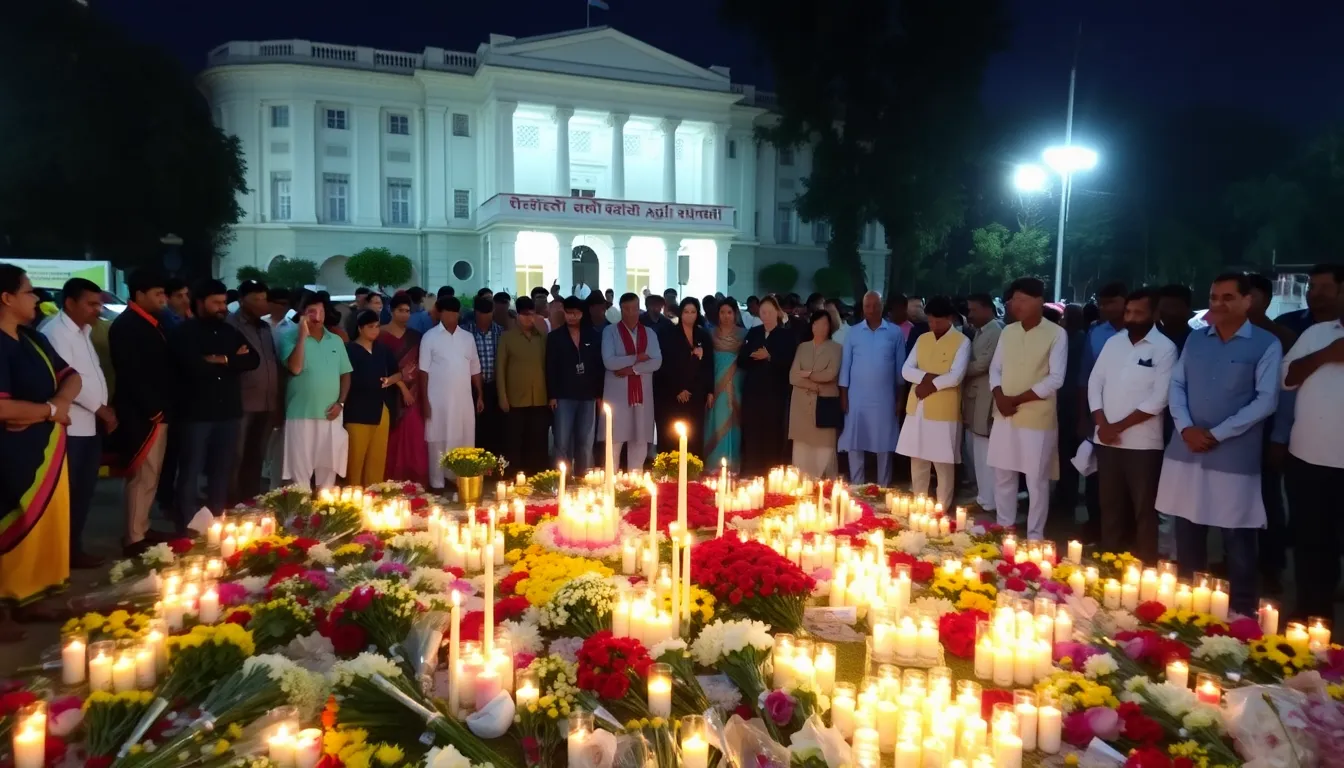
The crash has sent shockwaves throughout the nation, with many expressing their grief over the loss of a leader who had been a significant figure in Indian politics for decades. Pawar, a senior leader of the Nationalist Congress Party (NCP), had recently been involved in various developmental initiatives aimed at improving the lives of citizens in his constituency. His efforts in regional governance have been well-documented, reflecting a commitment to serving the people.
In the aftermath of the incident, tributes have poured in from across the political spectrum, highlighting Pawar’s contributions and legacy. Political leaders, both allies and opponents, have taken to social media to express their condolences, acknowledging the profound impact he had on Maharashtra’s governance and political discourse.
Authorities have launched an investigation into the cause of the crash, with preliminary reports suggesting possible technical failures. The incident raises critical questions about aviation safety in the region, particularly concerning the maintenance of small aircraft used for political and commercial purposes, an issue that has garnered attention in recent years.
As the nation mourns, the future of the NCP and Pawar’s political legacy remains uncertain. His sudden passing not only leaves a void in Maharashtra’s political scene but also prompts discussions about the stability and direction of the party he led for many years.
Understanding Ajit Pawar’s political significance
Ajit Pawar, a prominent figure in Indian politics, was known for his influential role within the Nationalist Congress Party (NCP) and his longstanding association with Maharashtra’s political landscape. Born into a politically active family, he is the nephew of Sharad Pawar, the party’s founder and a veteran politician. Ajit Pawar’s career began in the late 1990s, and he quickly rose through the ranks, serving in various capacities, including as Deputy Chief Minister of Maharashtra. His political journey has been marked by significant milestones that reflect both his personal ambitions and the broader dynamics of regional politics, particularly as the NCP has positioned itself against major rivals.
The NCP, under the leadership of Sharad Pawar, emerged as a key player in Maharashtra’s political arena, particularly following the split from the Indian National Congress in 1999. Ajit Pawar’s ascent coincided with the party’s efforts to establish itself as a formidable force against the Bharatiya Janata Party (BJP) and the Shiv Sena. His tenure saw him involved in pivotal policy decisions, including those related to agriculture, water resources, and infrastructure development, which are critical to Maharashtra’s economy and social fabric.
Throughout his career, Ajit Pawar faced both accolades and controversies. His leadership style often drew criticism, especially regarding allegations of corruption and mismanagement. However, his ability to connect with the rural electorate and address local issues solidified his support base. The political landscape in Maharashtra has been characterized by shifting alliances, and Ajit Pawar’s strategic maneuvering often positioned him at the center of these changes, influencing the direction of state governance.
The impact of regional politics on national governance
The dynamics of Maharashtra’s politics, particularly the role of influential leaders like Ajit Pawar, have significant implications for national governance in India. The state’s economic contributions and demographic diversity make it a microcosm of the country’s broader political challenges. Ajit Pawar’s untimely death in a plane crash has not only shocked his constituents but also raised questions about the future of the NCP and its ability to navigate the complex political landscape in Maharashtra without his leadership.
As Maharashtra grapples with the aftermath of this tragedy, the political vacuum left by Ajit Pawar could lead to shifts in power dynamics, potentially affecting coalition politics at both the state and national levels. The legacy of his contributions and the challenges ahead for the NCP will be closely watched as the party seeks to maintain its relevance in a rapidly changing political environment.
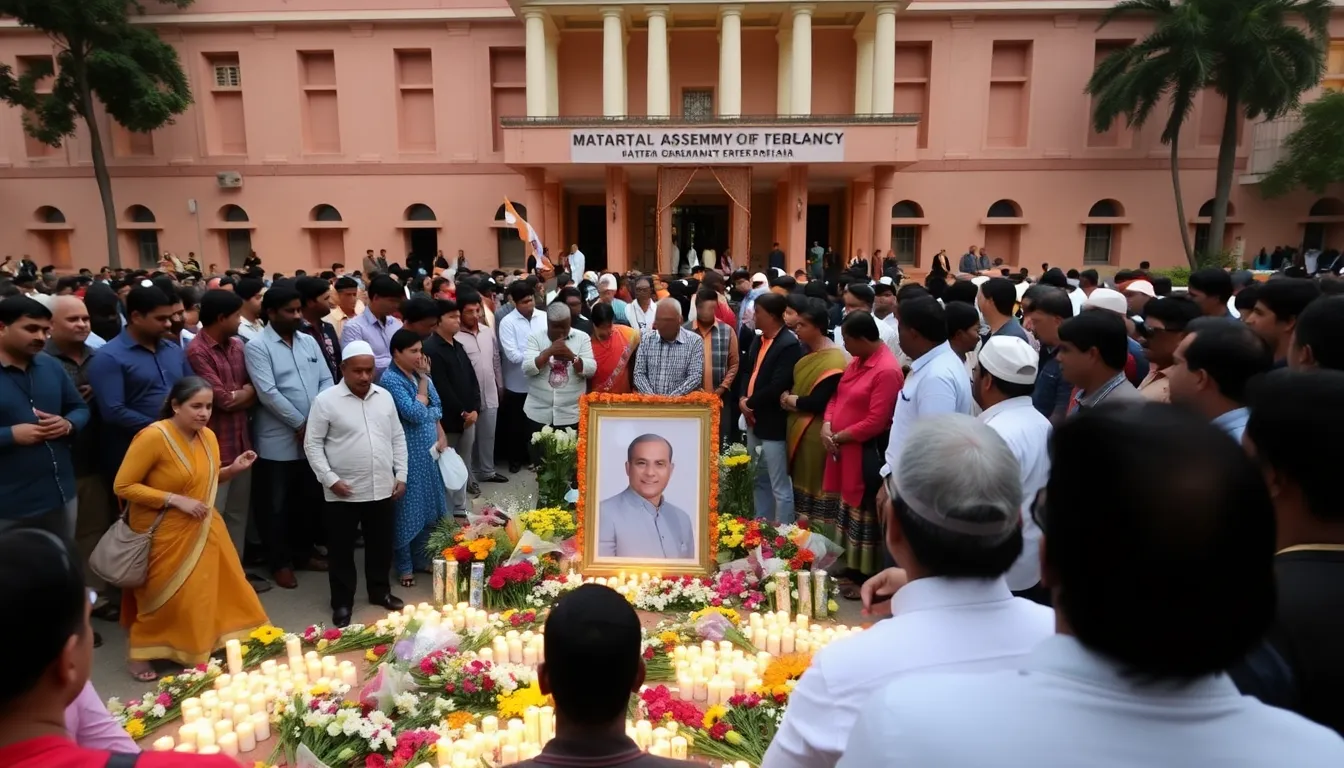
Analyzing the implications of Pawar’s death on Indian politics
The tragic death of Ajit Pawar in a plane crash has sent shockwaves through the political landscape of India. As a prominent leader of the Nationalist Congress Party (NCP), his passing raises significant questions about the future direction of the party and the broader implications for regional and national politics. Key stakeholders include Pawar’s party members, rival political factions, and the electorate who may feel the impact of this sudden loss.
One of the primary actors in this situation is the NCP itself, which must now navigate the leadership vacuum left by Pawar. The party’s internal dynamics will be crucial as they seek to maintain unity and address the potential for factionalism. Additionally, rival parties, particularly the Bharatiya Janata Party (BJP) and the Shiv Sena, may see this as an opportunity to capitalize on the NCP’s instability and shift the balance of power in Maharashtra.
Moreover, the government at both state and central levels will be closely monitoring the situation. The response from political leaders and the public will likely influence upcoming elections and policy decisions. Economic interests may also come into play, particularly if Pawar’s death affects ongoing projects or alliances that were previously negotiated under his leadership.
- Leadership Transition: The NCP will need to quickly establish a new leader to maintain its political relevance.
- Rival Party Strategies: Other political factions may attempt to exploit the situation to gain a competitive edge.
- Electoral Implications: Upcoming elections may be impacted by the public’s reaction to Pawar’s death and the NCP’s response.
- Policy Continuity: Key policies championed by Pawar may face uncertainty, affecting governance.
- Public Sentiment: The emotional response from the electorate could shape political narratives in the coming months.
In summary, Ajit Pawar’s death not only affects his immediate circle but also reverberates through the political fabric of India, highlighting the interconnected nature of political leadership, party dynamics, and public sentiment in a rapidly changing environment.
The impact of Pawar’s death on his constituents and the political landscape
The sudden death of Ajit Pawar in a plane crash has sent shockwaves across Maharashtra and the broader Indian political landscape. His constituents, particularly in Pune and the surrounding regions, are grappling with grief and uncertainty as they lose a prominent leader who had a significant influence on local governance and development initiatives.
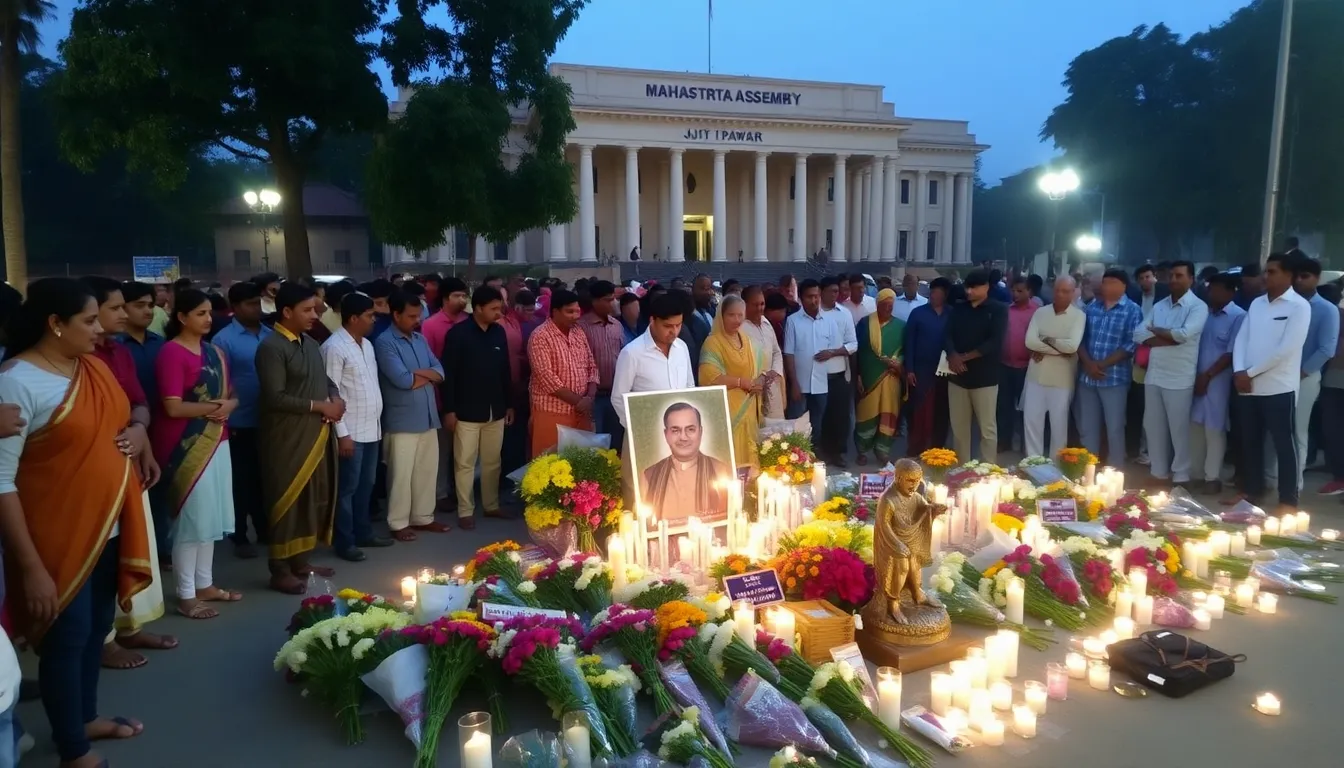
In the short term, the political vacuum created by Pawar’s death may lead to instability within his party, the Nationalist Congress Party (NCP), and could affect coalition dynamics in the state assembly. His absence will likely disrupt ongoing projects and initiatives that were previously spearheaded by him, impacting local economies and public services.
Moreover, industries that relied on Pawar’s support, such as agriculture, infrastructure, and education, may face challenges as leadership transitions occur. The uncertainty surrounding his successor could delay critical policy decisions, affecting farmers’ welfare and infrastructure development plans.
- Short-term impacts: Grief among constituents, potential delays in local governance, and uncertainty in political alliances.
- Mid-term impacts: Changes in policy direction, shifts in party leadership, and possible re-evaluation of ongoing projects.
- Opportunities: New leadership could bring fresh ideas and reforms, potentially attracting investment in the region.
On a broader scale, Pawar’s death could create opportunities for emerging political leaders to step forward, potentially reshaping the party’s platform and approach to governance. This shift may also influence voter sentiment in the upcoming elections, as constituents look for stability and vision in the face of loss.
A: Ajit Pawar was involved in a tragic plane crash that resulted in his untimely death, shocking the nation and his supporters. A: The public reaction has been one of grief and shock, with many expressing their condolences and reflecting on his contributions to Indian politics. A: Ajit Pawar was known for his significant role in Maharashtra politics, advocating for various social and economic reforms during his tenure. A: His death could lead to a power vacuum in his party and may affect upcoming elections, as his leadership was pivotal. A: Yes, authorities have launched an investigation to determine the cause of the crash and ensure aviation safety measures are reviewed.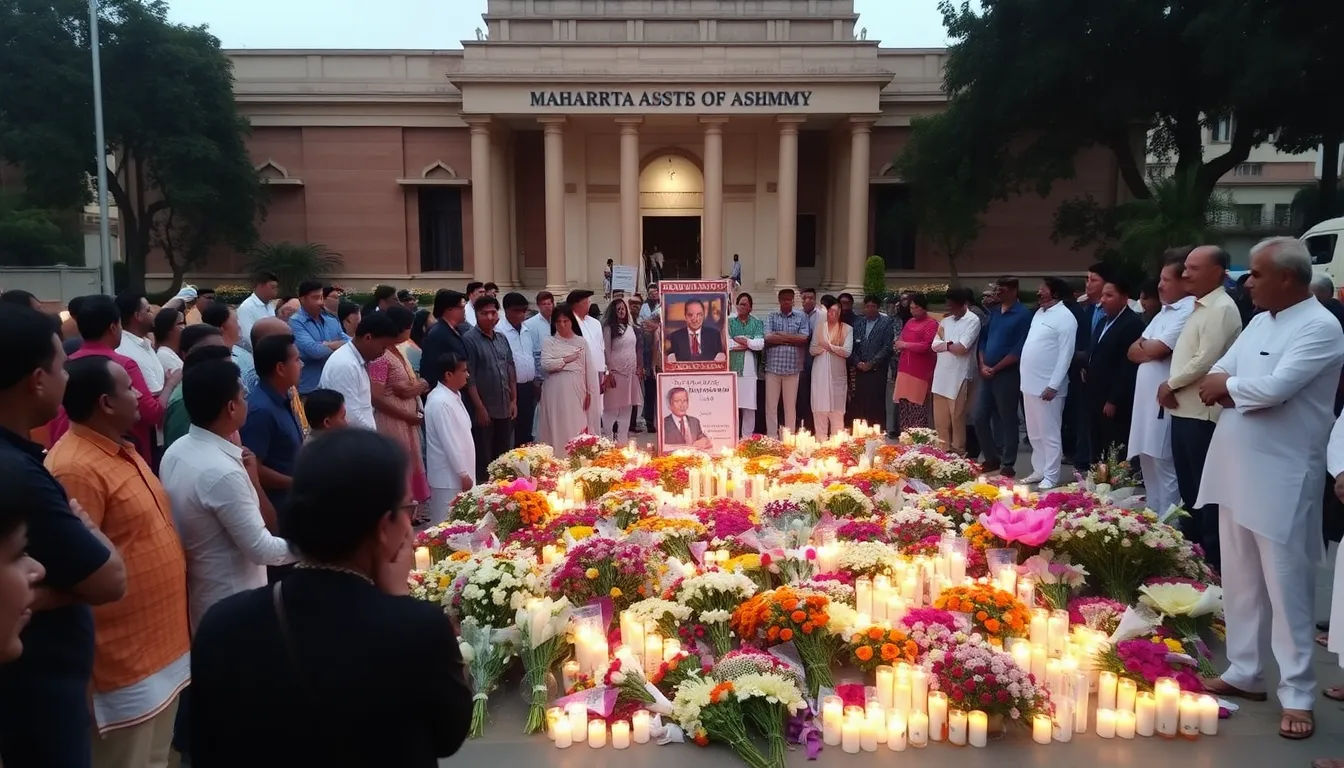
Frequently asked questions about the plane crash and its aftermath
Key takeaways and future outlook following the tragedy
The untimely death of Ajit Pawar in a plane crash has sent shockwaves through the political landscape of India, leaving a significant void in leadership and raising questions about the future direction of his party and the region. As the nation mourns, it is crucial to consider the potential ramifications of this loss on governance, party dynamics, and public sentiment.
In the wake of this tragedy, political analysts will be closely observing how the party navigates succession and whether this incident will alter voter perceptions ahead of upcoming elections. The response from both supporters and opponents will be critical in shaping the narrative moving forward, impacting the political discourse in the region.
- The need for a clear succession plan within Ajit Pawar’s party will be critical to maintain stability and public confidence.
- Watch for shifts in voter sentiment as the public reacts to the leadership transition and the party’s handling of the tragedy.
- The impact of this event on regional alliances and political strategies could redefine power dynamics in the state.
- Increased scrutiny on aviation safety and regulations may emerge as a result of the crash, prompting discussions on infrastructure and safety protocols.
- The role of public mourning in shaping political narratives and community solidarity will be significant in the coming weeks.