
Data collected between 2015 and 2022 indicates that the body mass index (BMI) of adult female polar bears has increased significantly. The scientists observed that these bears are not only fatter but also healthier, suggesting a shift in their feeding habits or availability of prey. This phenomenon raises questions about the resilience of polar bear populations in the face of climate change.
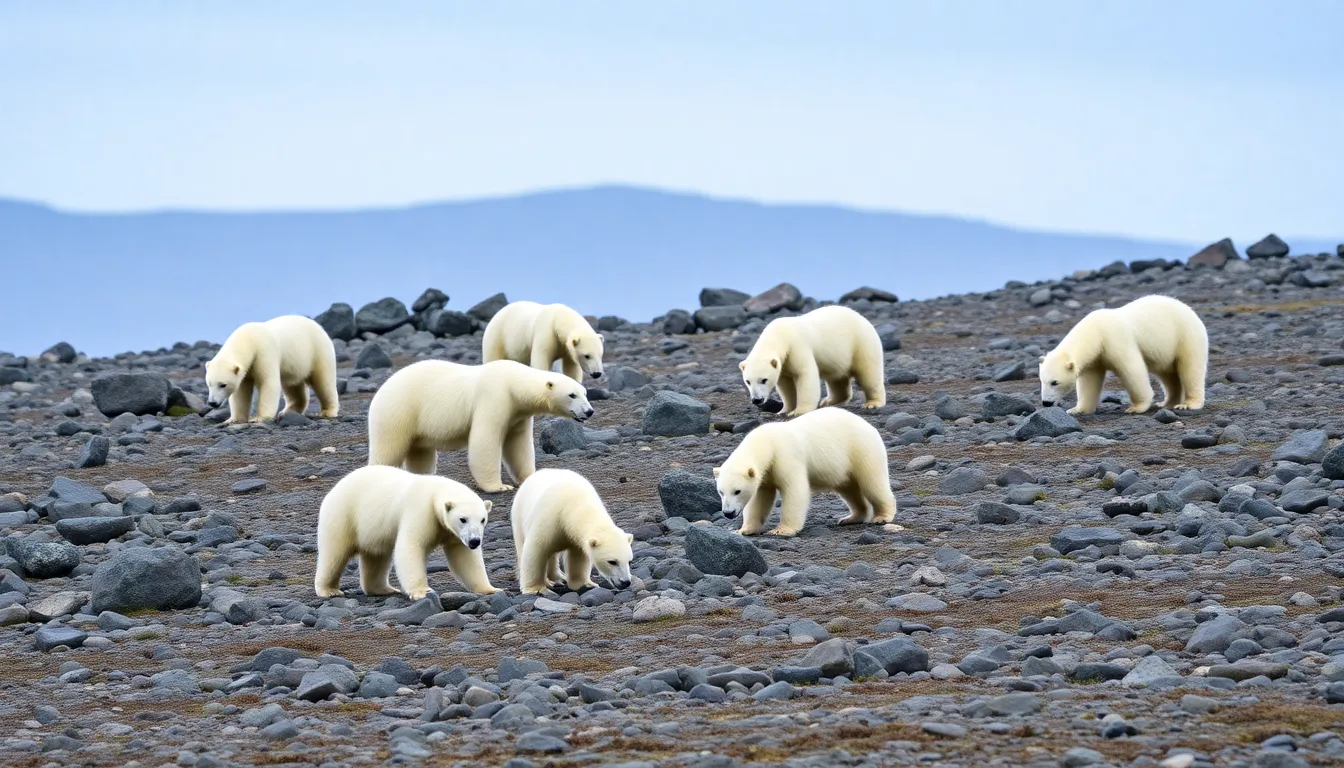
One of the key factors contributing to this unexpected health trend is the bears’ ability to hunt on land. As ice melts earlier in spring and forms later in autumn, polar bears are increasingly relying on terrestrial food sources, such as bird eggs and carcasses. This adaptation highlights the species’ flexibility in response to environmental changes.
While the findings provide a glimmer of hope for polar bears in Svalbard, they also underscore the complexities of climate change impacts. The long-term consequences of diminishing ice habitats remain uncertain, and the overall health of polar bear populations could vary significantly across different regions. Understanding these dynamics is crucial for conservation efforts and wildlife management strategies moving forward.
Recommended Articles
- Japanese ex-soldier reaches settlements in landmark sex abuse case
- Trump files lawsuit against JPMorgan Chase and Jamie Dimon for billion
- Japanese mayor apologises after calling staff human scum
- Meta's Efforts to Shift Perceptions on Data Centers
- Man City secured victory so is the WSL title race concluded
- Japanese ex-soldier reaches settlements in landmark sex abuse case
- Trump files lawsuit against JPMorgan Chase and Jamie Dimon for billion
- Japanese mayor apologises after calling staff human scum
- Meta's Efforts to Shift Perceptions on Data Centers
- Man City secured victory so is the WSL title race concluded
Understanding the changing Arctic environment and its effects
The Arctic region has been undergoing significant transformations over the past few decades, primarily due to climate change. Rising global temperatures have led to a dramatic reduction in sea ice, impacting the habitats and behaviors of various species, including polar bears. Historically, polar bears relied on sea ice as a platform for hunting seals, their primary food source. As the ice diminishes, the implications for their survival have raised concerns among scientists and conservationists alike.
Despite the alarming trends in ice loss, recent studies have revealed a surprising twist: polar bears on certain Norwegian islands, particularly those in the Svalbard archipelago, are exhibiting healthier body conditions and increased fat levels. This phenomenon can be attributed to several factors, including the bears’ adaptation to changing conditions and the availability of alternative food sources, such as land-based seals and bird eggs, which have become more accessible as ice retreats.
Historical Context of Polar Bear Populations
The history of polar bear populations is marked by periods of both abundance and decline, often influenced by human activity and environmental changes. In the early 20th century, commercial hunting posed a significant threat to polar bear numbers. However, international conservation efforts, including the 1973 Agreement on the Conservation of Polar Bears, have contributed to population recovery in some areas. This agreement highlighted the need for sustainable management practices and the importance of preserving their natural habitat.
Furthermore, the socio-political landscape surrounding Arctic conservation has evolved, with increased awareness of indigenous rights and the role of local communities in wildlife management. As nations grapple with the effects of climate change, the focus has shifted toward collaborative efforts to monitor polar bear health and habitat, ensuring that these majestic animals can thrive even in a rapidly changing environment.
In summary, while the loss of sea ice presents a serious challenge for polar bears, the resilience demonstrated by certain populations on Norwegian islands underscores the complexity of ecological responses to climate change. Understanding these dynamics is crucial for informing future conservation strategies and ensuring the long-term survival of polar bears in the Arctic.
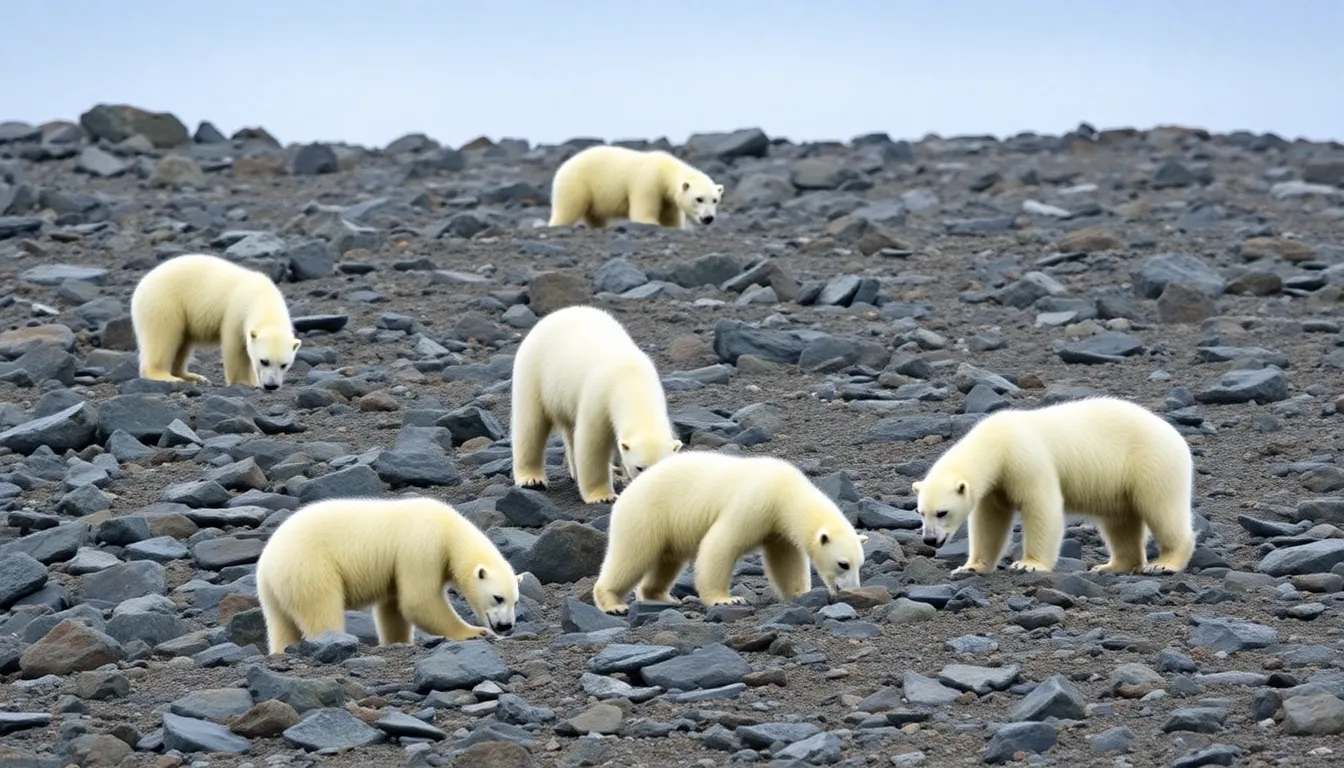
Examining the factors contributing to polar bear health
The health of polar bears on Norwegian islands has garnered significant attention from various stakeholders, including scientists, environmental organizations, and local governments. These groups have a vested interest in understanding the dynamics of polar bear populations as they relate to climate change and habitat loss.
One of the primary actors in this scenario is the scientific community, which conducts research to monitor the health and behavior of polar bears. Their findings indicate that, despite the alarming loss of sea ice, polar bears in certain regions are exhibiting increased body weight and overall health. This raises questions about the adaptability of these animals and the factors influencing their well-being.
Environmental organizations, such as the World Wildlife Fund (WWF), advocate for policies aimed at protecting polar bear habitats and mitigating climate change. Their interest lies in preserving biodiversity and ensuring the long-term survival of species affected by environmental shifts. However, their goals may conflict with local economic interests, particularly in regions where resource extraction or tourism is prevalent.
Local governments also play a critical role, as they must balance the needs of their communities with environmental conservation efforts. The trade-offs between economic development and wildlife protection can lead to tensions among stakeholders. For instance, initiatives to protect polar bear habitats may impose restrictions on fishing or oil exploration, impacting local livelihoods.
- Scientific Research: Ongoing studies on polar bear health and behavior.
- Environmental Advocacy: Efforts to influence policy for habitat protection.
- Economic Interests: Local industries that may be affected by conservation measures.
- Climate Change Impacts: The broader implications of ice loss on ecosystems.
- Community Engagement: Involving local populations in conservation discussions.
Implications for wildlife conservation and climate policy
The recent findings regarding polar bears on Norwegian islands present significant implications for various groups, industries, and regions. Wildlife conservationists, climate policy makers, and local communities are all affected by the changing dynamics of polar bear health in the context of climate change. While the bears themselves appear to be thriving, the broader implications of ice loss on their habitat raise critical questions about the future of Arctic ecosystems.
In the short term, the health of polar bears could influence tourism in Norway, particularly in regions known for wildlife viewing. Tour operators may see increased interest in polar bear excursions, which could boost local economies. However, this newfound interest may also lead to increased pressure on local ecosystems, prompting a need for stricter regulations and sustainable tourism practices.
Mid-term impacts may also extend to industries reliant on natural resources in the Arctic region. As polar bear populations adapt to changing environments, fishing and shipping industries might experience shifts in their operational landscapes. The melting ice could open new shipping routes, presenting opportunities for trade, but also raising concerns about increased human activity in fragile ecosystems.
- Wildlife Conservation: Potential changes in conservation strategies to protect polar bear habitats.
- Tourism: Increased demand for polar bear-related tourism, necessitating sustainable practices.
- Shipping Industry: New routes may emerge, offering economic opportunities but also environmental risks.
- Local Communities: Changes in daily life as communities adapt to new economic opportunities and environmental challenges.
Furthermore, the findings may influence climate policy discussions, as they challenge the narrative that all species are negatively impacted by climate change. Policymakers may need to reassess their strategies, balancing the immediate benefits of thriving polar bear populations against the long-term risks associated with ongoing ice loss and habitat degradation. This situation presents both risks and opportunities for various stakeholders involved in Arctic conservation and economic development.
Frequently asked questions about polar bears and climate change
A: Research indicates that polar bears are adapting their diets and hunting strategies, which may lead to better health outcomes. Increased seal populations in certain areas may also contribute to this trend.
A: The primary threats include climate change, habitat loss, and decreased access to food sources. These factors can impact their long-term survival and reproductive success.
A: Not all populations are showing the same trends. While some areas report healthier bears, others are facing significant challenges due to environmental changes.
A: Scientists conduct field studies, collect data on bear populations, and analyze health indicators to understand the impacts of climate change on these animals.
A: Public awareness and support for climate action, along with contributions to conservation organizations, can significantly aid in protecting polar bears and their habitats.
Key insights on polar bear health and future outlook
The recent findings regarding polar bears on Norwegian islands present a complex picture of wildlife adaptation in the face of climate change. Despite the alarming loss of sea ice, which is critical for their hunting and breeding, these bears are exhibiting signs of improved health and increased body fat. This paradox raises important questions about the resilience of polar bear populations and their ability to adapt to changing environmental conditions.
As researchers continue to monitor these populations, several implications emerge that warrant attention. The health of polar bears may serve as an indicator of broader ecological changes, highlighting the need for ongoing studies to understand the dynamics at play in their habitats.
- Monitoring of polar bear health could reveal important trends in ecosystem changes and the impacts of climate change.
- The adaptability of polar bears may influence conservation strategies, emphasizing the need for flexible management approaches.
- Increased body fat in polar bears may reflect shifts in prey availability, necessitating further research on Arctic food webs.
- Future studies should focus on the long-term effects of ice loss on bear populations to better predict their survival in a warming world.