
Musk, a co-founder of OpenAI, has been vocal about his concerns regarding the potential risks associated with advanced AI. He argues that the stewardship of such powerful technology should lie in the hands of a new generation, particularly his own children, who he believes would prioritize safety and ethical considerations. This perspective raises questions about the influence of founders on the trajectory of technology companies long after their initial involvement, as highlighted in the ongoing legal case involving Musk.
Sam Altman, who is testifying in the ongoing legal case, has defended OpenAI’s current governance structure. He emphasizes the importance of diverse leadership and the need for accountability in managing AI’s rapid development. Altman’s stance highlights a growing divide within the tech community regarding how best to oversee and regulate artificial intelligence, especially as it becomes more integrated into everyday life.
The implications of Musk’s comments extend beyond personal beliefs, touching on broader societal concerns about AI governance. As public interest in AI continues to surge, the dialogue surrounding its management and ethical use remains critical. The outcomes of this legal case may influence not only OpenAI’s future but also set precedents for how similar organizations approach leadership and responsibility in the tech industry.
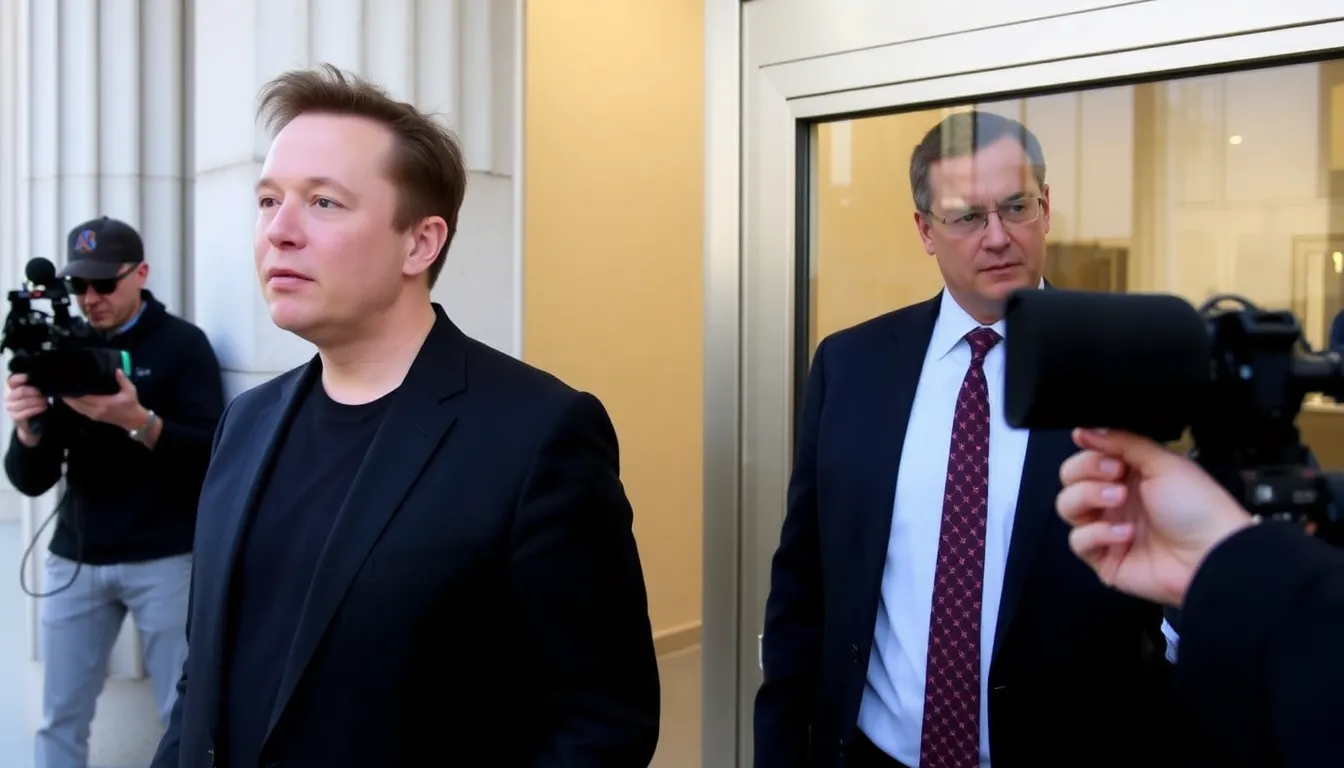
Understanding the background of OpenAI and its leadership
OpenAI was founded in December 2015 with the mission to ensure that artificial general intelligence (AGI) benefits all of humanity. The organization was established by a group of high-profile tech leaders, including Elon Musk and Sam Altman, who aimed to advance digital intelligence in a way that is safe and aligned with human values. Initially structured as a non-profit, OpenAI sought to promote transparency and collaboration in AI research, setting a precedent for responsible AI development.
Over the years, OpenAI has made significant strides in AI technology, producing groundbreaking models such as GPT-2 and GPT-3. These advancements have not only showcased the potential of AI but have also raised ethical and regulatory concerns regarding its impact on society. As the organization grew, the leadership structure evolved, leading to the transformation of OpenAI into a “capped-profit” model in 2019, which allowed it to attract more funding while still adhering to its original mission.
The relationship between Elon Musk and OpenAI has been complex. Musk, who initially supported the organization, later expressed concerns about the potential dangers of AI, suggesting that it could pose existential risks if not properly managed. His departure from the board in 2018 was partly influenced by a desire to avoid conflicts of interest with his other ventures, particularly Tesla’s own AI initiatives. This shift marked a pivotal moment in OpenAI’s leadership dynamics, as it transitioned to a more corporate structure under Sam Altman, who has been instrumental in steering the organization towards its current trajectory.
The Legal Battle and Its Implications
The recent courtroom drama involving Elon Musk’s assertion that control of OpenAI should be handed down to his children has sparked widespread debate about the future direction of the organization. This claim raises questions about governance, accountability, and the ethical responsibilities of AI leaders. As the jury hears testimonies, the implications of this case extend beyond OpenAI, potentially influencing how technology companies navigate leadership and ownership in an era where AI plays a critical role in shaping society, similar to the concerns mentioned in the influence of major tech players like Microsoft.
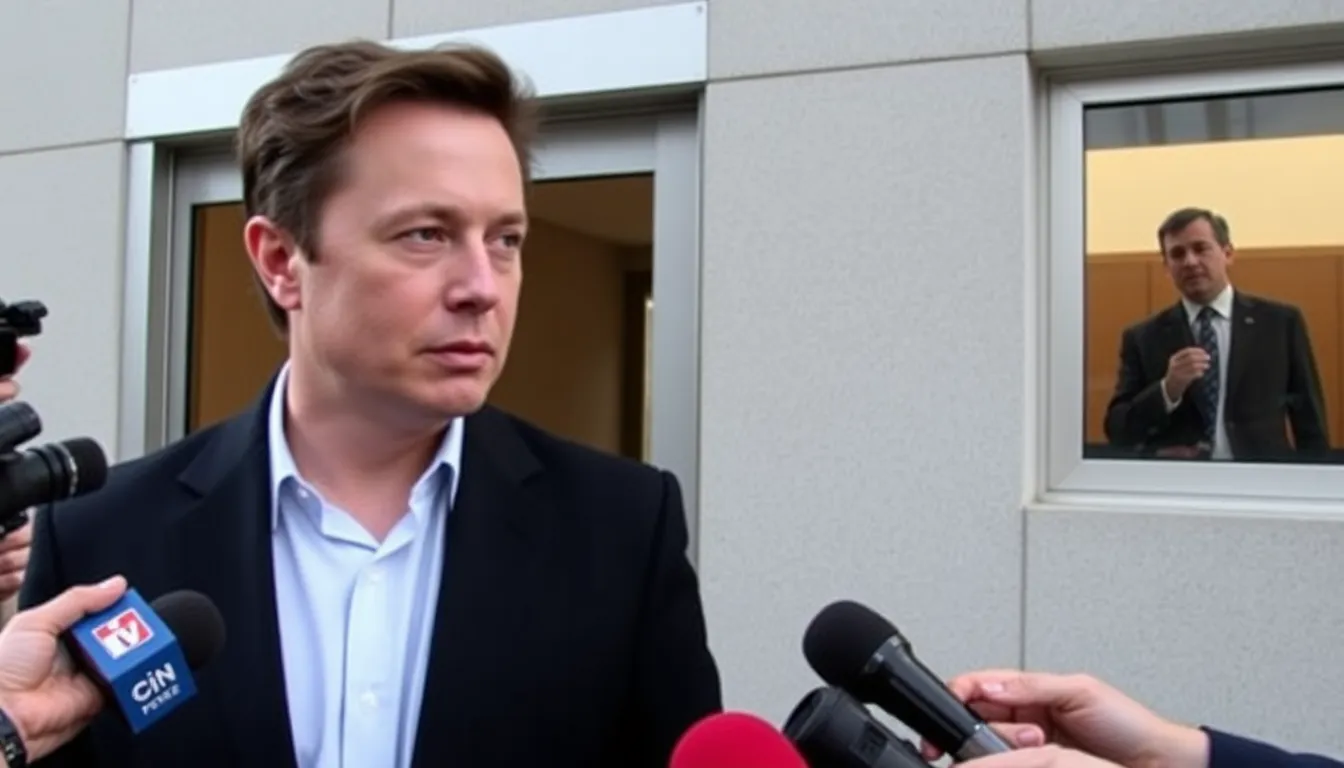
Key stakeholders and issues surrounding OpenAI’s future
The ongoing debate regarding the control of OpenAI has brought several key stakeholders into the spotlight, each with their own interests and concerns. At the forefront is Elon Musk, co-founder of OpenAI, who has recently suggested that the organization’s governance should shift to his children. This statement raises questions about the long-term vision for OpenAI and the implications of familial control over a significant AI entity.
Sam Altman, the current CEO of OpenAI, represents a contrasting perspective. His role in the organization emphasizes a commitment to responsible AI development and transparency. Altman’s defense in court highlights the importance of maintaining a leadership structure that prioritizes ethical considerations and broad stakeholder engagement over personal interests. This conflict of vision underscores a critical tension between personal influence and collective responsibility.
Additionally, investors and technology companies that have stakes in OpenAI’s success are also key players in this narrative. Their interests often revolve around the economic potential of AI technologies and the desire for stable governance that aligns with market expectations. The balance between innovation and ethical implications remains a central concern for these stakeholders.
- Elon Musk: Advocates for a family-oriented governance model, raising questions about accountability.
- Sam Altman: Focuses on ethical AI development and the need for a diverse leadership structure.
- Investors and tech companies: Seek stable governance and a focus on commercial viability.
- Regulatory bodies: May intervene to ensure compliance with ethical standards and societal impacts.
The legal and economic issues surrounding this debate are multifaceted. Potential conflicts could arise from differing visions for AI’s role in society, especially as regulatory frameworks continue to evolve. The outcome of this discussion may set significant precedents for how AI organizations are governed in the future, influencing everything from investment strategies to public trust in technology.
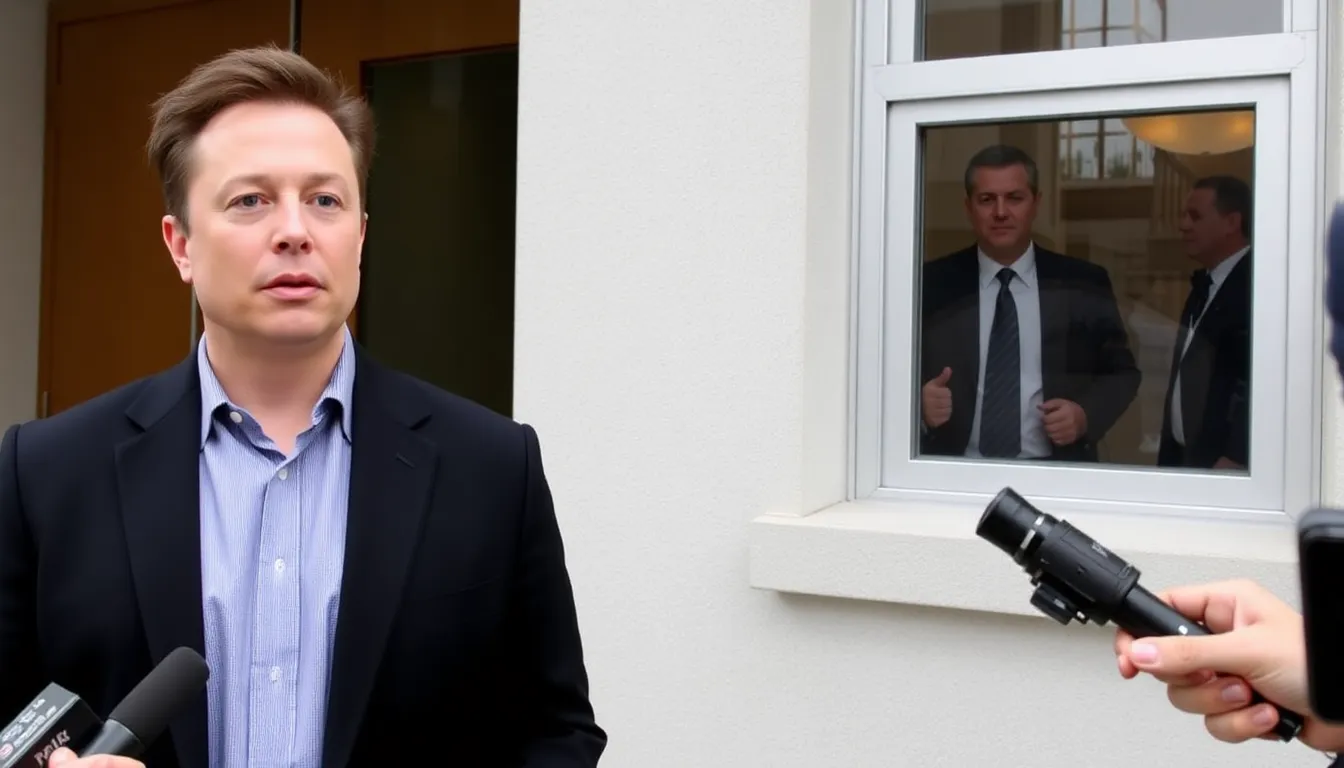
Potential impacts on the AI industry and governance
The recent statement by Elon Musk regarding the control of OpenAI being passed to his children has significant implications for various stakeholders in the AI industry. Key groups affected include technology companies, investors, policymakers, and consumers who rely on AI technologies. The discourse around AI governance and ethical considerations will likely intensify as this narrative unfolds, which resonates with the broader themes discussed in AI’s impact on society.
In the short term, businesses involved in AI development may experience uncertainty as they reassess their strategies in light of Musk’s comments. Companies may need to consider potential shifts in leadership and governance structures, which could impact funding and partnerships. This situation may lead to a temporary slowdown in investment as stakeholders wait to see how control and direction at OpenAI will evolve.
Mid-term impacts could manifest in changes to regulatory policies surrounding AI. Policymakers may feel pressured to establish clearer guidelines on AI governance, especially concerning ownership and ethical use. This could create both risks and opportunities for companies, as new regulations may impose stricter compliance measures but also foster innovation in responsible AI development.
- Risks: Potential instability in AI leadership leading to hesitance in investment.
- Opportunities: Increased dialogue on ethical AI governance may lead to new collaborative frameworks.
- Risks: Heightened scrutiny from regulators and the public on AI practices.
- Opportunities: New markets and services focused on compliance and ethical AI solutions.
Ultimately, the implications of Musk’s comments extend beyond OpenAI, potentially reshaping the landscape of the AI industry and influencing how technology interacts with society at large. Stakeholders across various sectors will need to navigate the evolving dynamics carefully, balancing innovation with ethical considerations.
Frequently asked questions about the OpenAI situation
A: Elon Musk believes that the future of AI should be handled by those he trusts, which includes his children. This statement raises concerns about governance and accountability in AI development.
A: Sam Altman, as the CEO of OpenAI, is currently addressing a jury regarding the organization’s governance. His testimony is crucial in understanding the implications of Musk’s statements.
A: If Musk’s suggestion were to gain traction, it could lead to significant changes in leadership and operational strategies at OpenAI, impacting its projects and partnerships.
A: This situation could set a precedent for how AI organizations are governed, influencing regulations and trust in AI technologies across the industry.
Outlook on the future of OpenAI and its leadership
The recent statements made by Elon Musk regarding the control of OpenAI have sparked significant discussion about the future direction of the organization and its leadership dynamics. With Musk suggesting that the reins should be handed over to his children, it raises questions about the governance and ethical considerations surrounding artificial intelligence development. This scenario indicates a potential shift in how influential figures perceive their role in the stewardship of AI technologies.
As OpenAI continues to navigate its mission in the rapidly evolving tech landscape, the implications of leadership changes, both in terms of vision and operational strategy, will be critical. Stakeholders and observers should remain vigilant as the organization adapts to these discussions, which may influence its policies and partnerships moving forward.
- The governance structure of OpenAI may face scrutiny, prompting a reevaluation of leadership roles and responsibilities.
- Potential changes in leadership could affect OpenAI’s strategic priorities, particularly in terms of ethical AI development.
- Increased public interest in AI governance may lead to more robust discussions about accountability and transparency in the tech industry.
- The involvement of influential figures like Musk could impact OpenAI’s collaborations and funding opportunities.