
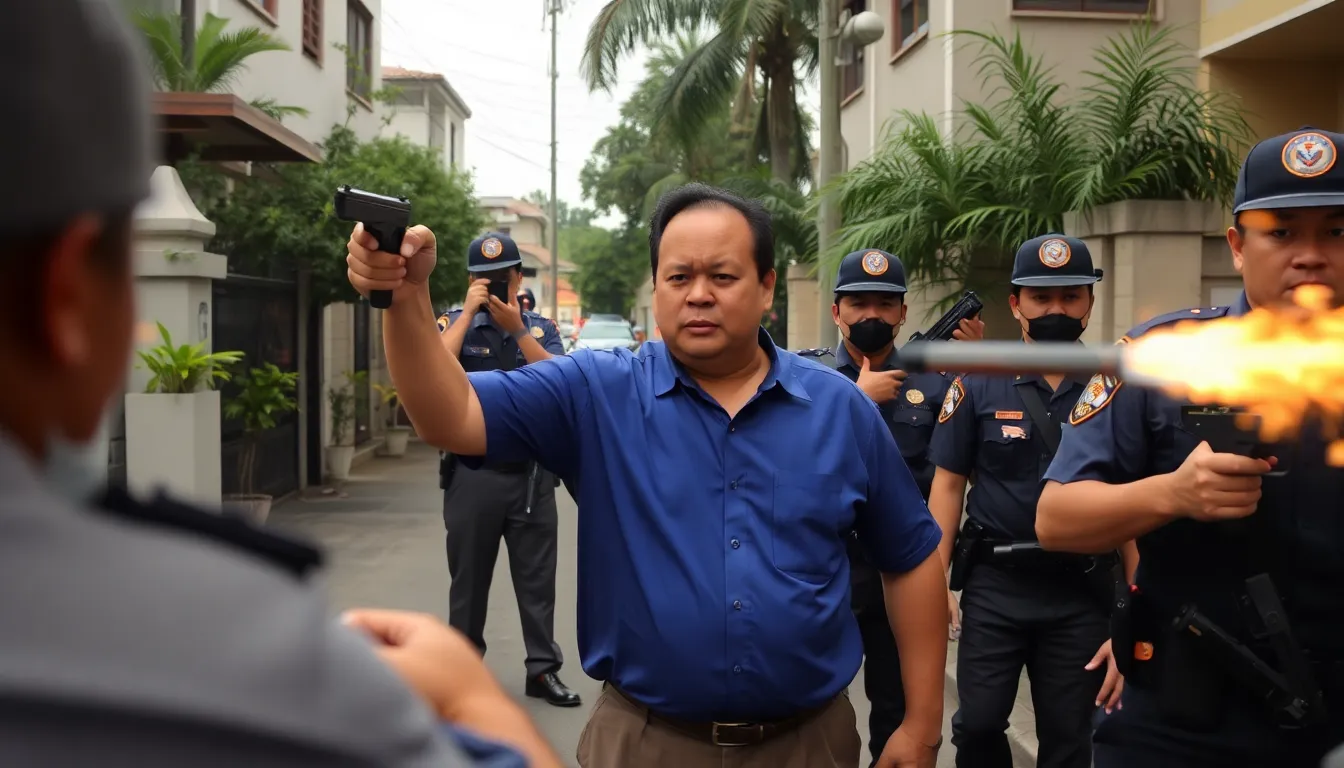
As authorities attempted to execute the arrest, gunfire erupted outside the senator’s residence, leading to a tense standoff. Reports indicate that Dela Rosa and his supporters engaged in a violent confrontation with law enforcement, resulting in several injuries but no fatalities reported as of now. This situation is reminiscent of the chaotic environment surrounding other political failures in the Philippines.
This incident has drawn significant attention both domestically and internationally, highlighting ongoing concerns regarding human rights and the rule of law in the Philippines. The ICC’s investigation into the Duterte administration’s drug war has been a contentious issue, and Dela Rosa’s defiance raises questions about accountability and governance in the country.
Political analysts note that this event may further polarize public opinion in the Philippines, with some viewing Dela Rosa as a defender of national sovereignty while others condemn his actions as an affront to justice. The situation continues to develop, with calls for calm and dialogue emerging from various sectors of society.
Understanding the background of the ICC’s involvement
The International Criminal Court (ICC) was established in 2002 to prosecute individuals for crimes such as genocide, war crimes, and crimes against humanity. Its creation was a response to the atrocities witnessed in the 20th century and aimed to provide a mechanism for holding accountable those who commit egregious violations of human rights. The Philippines, a signatory to the Rome Statute, joined the ICC in 2011, reflecting its commitment to international justice and human rights.
However, the Philippines’ relationship with the ICC has become increasingly strained, particularly under the administration of former President Rodrigo Duterte. His controversial war on drugs, which began in 2016, has been criticized for widespread human rights abuses, including extrajudicial killings. In 2018, Duterte announced the Philippines’ withdrawal from the ICC, arguing that the court was infringing on the country’s sovereignty and that the drug war was a legitimate law enforcement operation.
The ICC launched a preliminary investigation into the drug war in 2018, further heightening tensions between the court and the Philippine government. This investigation has prompted strong backlash from Duterte and his allies, which echoes similar controversies seen in other nations under ICC scrutiny.
Key milestones in the Philippines’ ICC saga
The timeline of events surrounding the Philippines and the ICC is marked by significant milestones. In March 2018, the ICC announced its preliminary examination into the drug war, which set off a chain reaction of political maneuvers. By March 2019, the Philippines officially withdrew from the ICC, yet the court maintained that it still had jurisdiction over crimes committed while the country was a member. The recent gunfire chaos surrounding Dela Rosa’s resistance to arrest is a culmination of these ongoing tensions and highlights the ongoing struggle between accountability and political power in the Philippines.
Key stakeholders and issues surrounding the senator’s arrest
The recent events surrounding the arrest of a Philippine senator have drawn significant attention from various stakeholders, each with their own interests and concerns. The senator, known for his vocal opposition to certain government policies, has become a focal point in a larger narrative involving legal, political, and social dynamics in the Philippines.
At the forefront are the Philippine government and its law enforcement agencies, which are tasked with upholding the law and maintaining order. Their interest lies in enforcing judicial decisions, including those pertaining to international mandates such as those from the International Criminal Court (ICC). The government aims to assert its sovereignty while navigating international pressures regarding human rights and legal accountability.
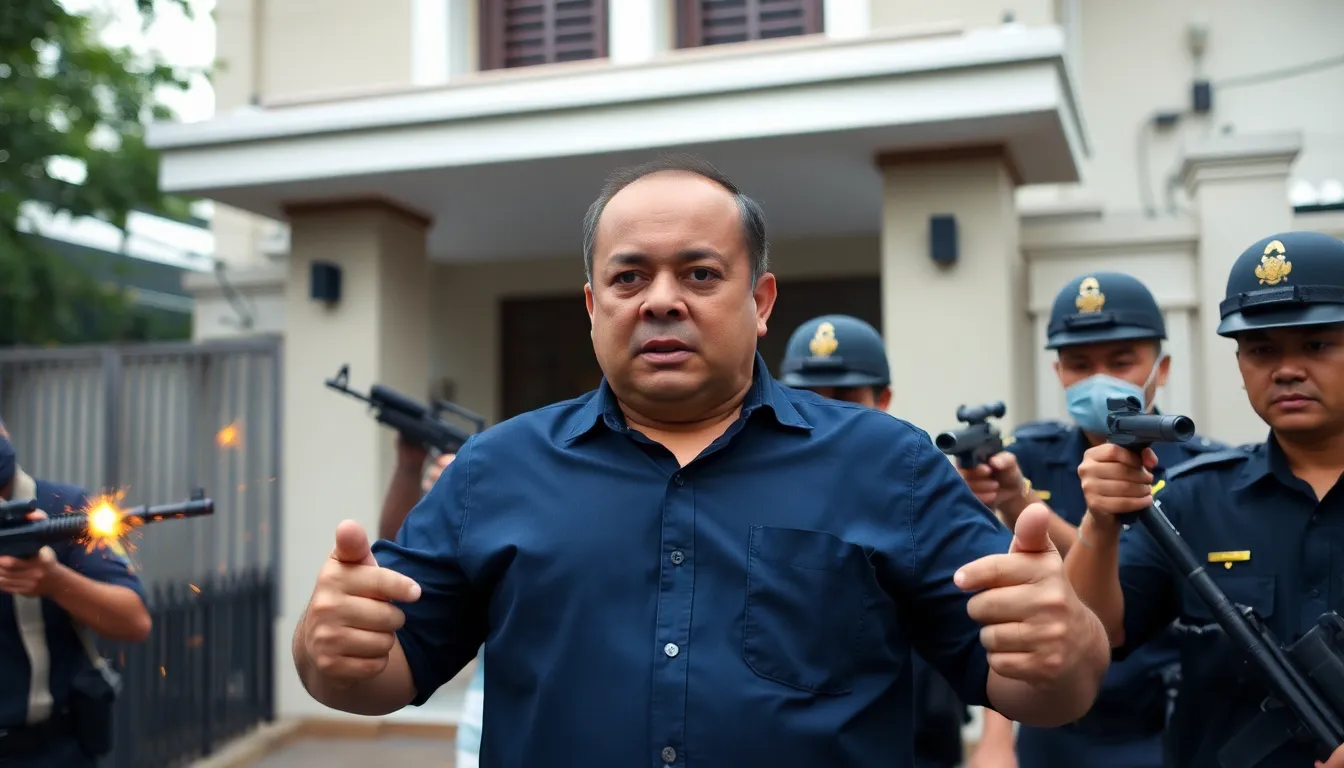
On the other side, the senator and his supporters view the arrest as politically motivated, framing it as an attack on dissent and a violation of democratic principles. This perspective resonates with various civil society groups and human rights organizations, which advocate for the protection of political freedoms and the rule of law. Their involvement highlights the tension between governance and civil liberties in the Philippines.
- Legal Implications: The senator’s resistance to arrest raises questions about the application of international law versus national sovereignty.
- Political Ramifications: The incident could influence upcoming elections and public opinion regarding the current administration’s stance on dissent.
- International Relations: The situation may impact the Philippines’ relations with other countries, particularly those advocating for human rights and legal reforms.
- Public Sentiment: The public’s reaction to the senator’s arrest could lead to increased protests or support, affecting social stability.
- Media Coverage: The portrayal of the events in both local and international media can shape narratives and influence perceptions of justice in the Philippines.
In summary, the complexities surrounding the senator’s arrest involve a myriad of stakeholders and issues that reflect broader themes of governance, human rights, and international law. Each actor’s interests contribute to the evolving narrative, underscoring the intricate balance between legal obligations and political realities in the region.
Potential impacts on the political landscape and public safety
The recent gunfire chaos surrounding the Philippine senator’s resistance to arrest by the International Criminal Court (ICC) has far-reaching implications for various groups, particularly political entities, law enforcement agencies, and the general public. Such heightened tensions often mirror the civil unrest seen during previous governmental conflicts in the region.
In the short term, the disruption caused by the incident could lead to a significant impact on daily life, particularly in urban areas where protests and violence may escalate. Businesses might experience closures or reduced foot traffic due to safety concerns, while local economies could suffer from diminished consumer confidence. Additionally, public services, especially those related to safety and law enforcement, may be stretched thin as they respond to the chaos.
In the mid-term, the political ramifications may shift as public sentiment evolves. There is a risk that this situation could polarize the electorate, leading to increased support for populist movements or alternative political parties. Conversely, it may also galvanize support for law and order policies, prompting stricter regulations and enforcement measures that could affect civil liberties.
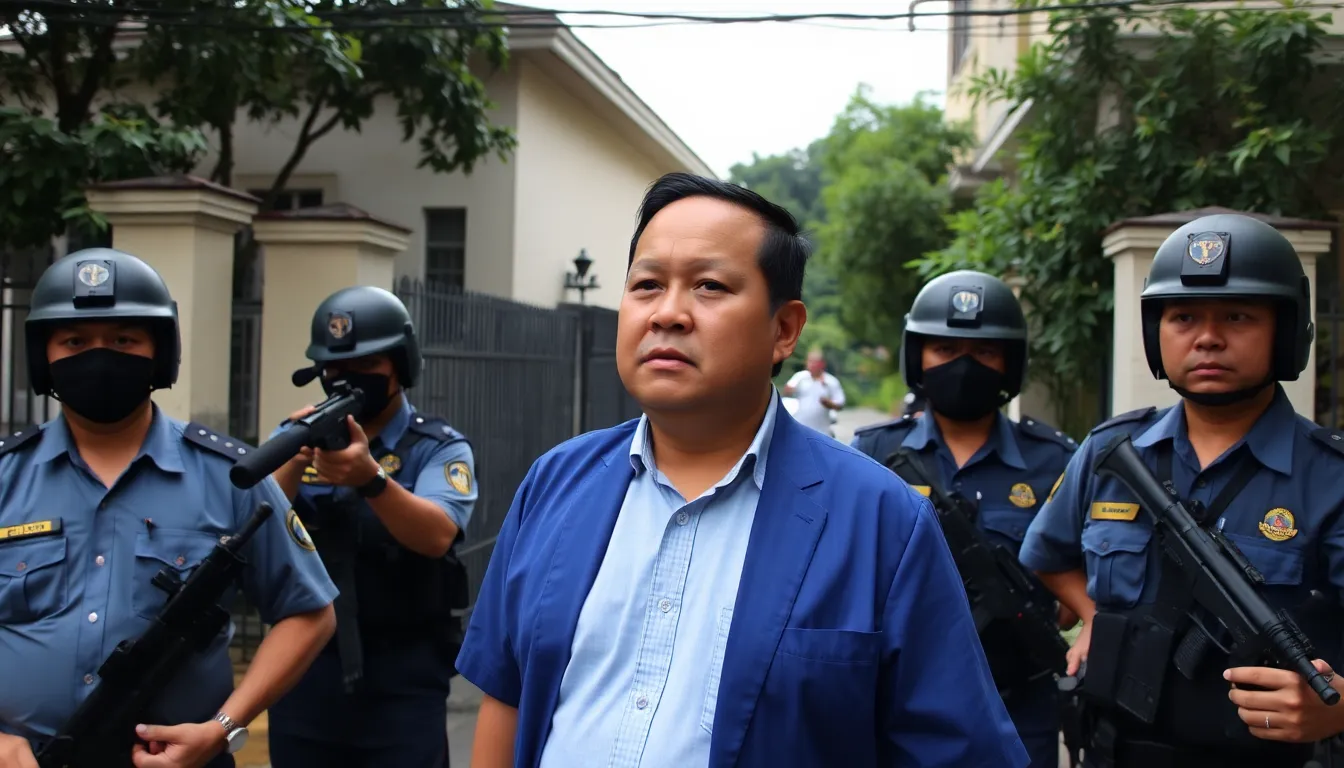
- Increased public safety concerns: Heightened anxiety about personal safety could lead to changes in community policing and emergency response strategies.
- Economic repercussions: Businesses may face disruptions, impacting local economies and employment rates.
- Political polarization: The incident could deepen divisions among political factions, influencing upcoming elections.
- Policy changes: Potential for new legislation aimed at addressing public safety and accountability in law enforcement.
Despite the risks, there may also be opportunities for dialogue and reform. Civil society organizations could gain momentum in advocating for human rights and accountability, potentially leading to positive changes in governance. Furthermore, businesses that prioritize safety and community engagement could emerge as leaders in building trust and resilience in the face of unrest.
A: The incident occurred when law enforcement attempted to arrest the senator under an ICC warrant, leading to chaotic scenes and gunfire. A: The senator faces charges related to human rights violations as part of the ICC’s investigation into the country’s drug war. A: Public reaction has been mixed, with some supporting the senator’s stance against the ICC, while others condemn the violence. A: This incident may exacerbate political tensions and could influence upcoming elections, as it raises questions about governance and accountability. A: Yes, international observers have expressed concern over the violence and the implications for rule of law in the Philippines.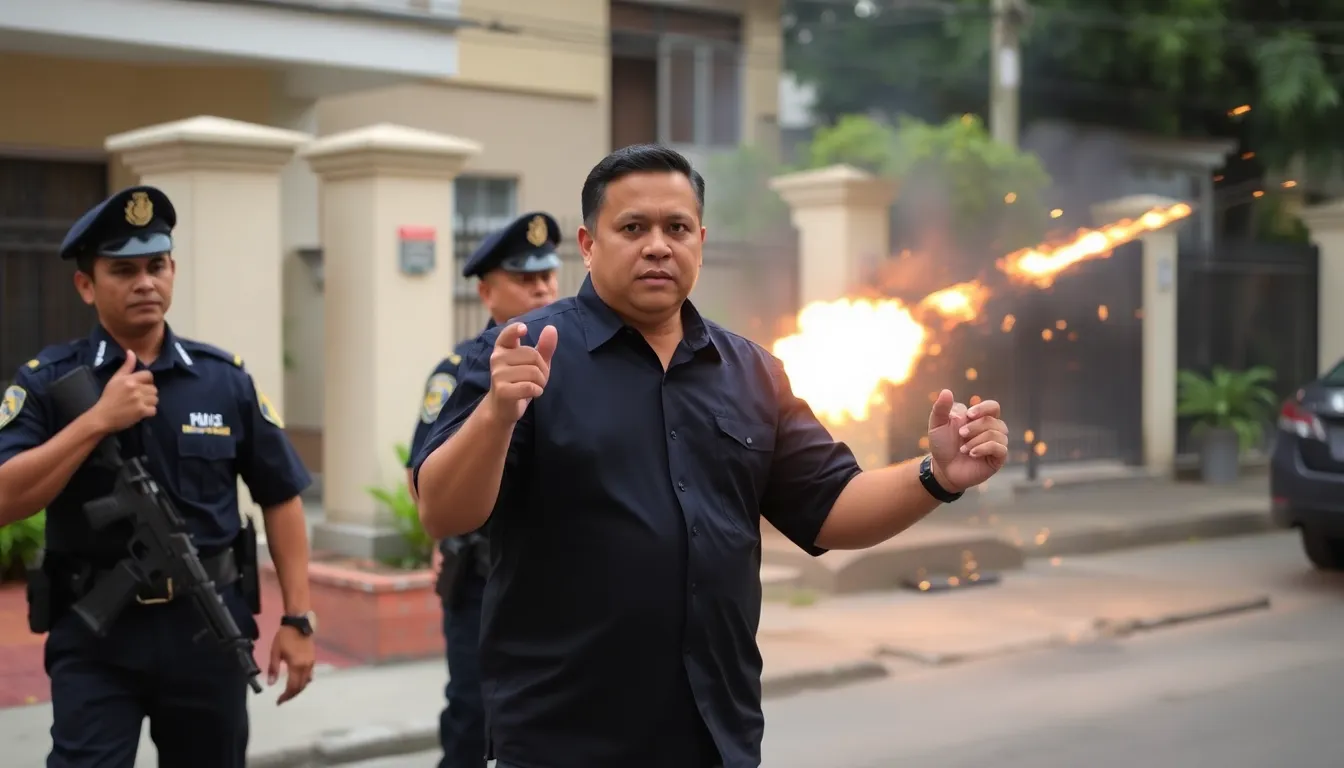
Frequently asked questions about the incident
Key takeaways and future outlook on the situation
The recent events surrounding the attempted arrest of the Philippine senator highlight significant tensions between national sovereignty and international legal obligations. As the senator resists arrest by the International Criminal Court (ICC), the situation raises questions about the implications for the rule of law and the Philippines’ commitment to international treaties. Observers are keenly watching how the government responds to this challenge and what it means for future interactions with international bodies.
Moving forward, the developments in this case could set a precedent for how similar situations are handled in the Philippines and potentially influence the country’s foreign relations. The ongoing unrest may also impact public perception of the judicial system and the government’s stance on human rights issues.
- The government’s response to the senator’s defiance may affect its legitimacy and public support.
- International reactions could lead to diplomatic tensions or sanctions against the Philippines.
- This incident may influence the behavior of other political figures regarding compliance with international law.
- Monitoring the reactions of civil society groups will provide insights into public sentiment and potential mobilization.
- The outcome could reshape the Philippines’ relationship with the ICC and other international organizations.