
The game invites players into a surreal world where traditional solitaire mechanics are infused with unsettling visuals and soundscapes reminiscent of 90s horror films. This nostalgic approach has resonated with a demographic that grew up during that era, creating a compelling connection between gameplay and emotional experience. For more insights on the impact of nostalgic gaming, check out Rediscovering the ZX Spectrum After Decades.
Critical reception has been largely positive, with many reviewers praising its innovative design and atmospheric storytelling. Players have noted that the game’s ability to evoke fear while engaging in a familiar card game format sets it apart from other indie titles currently on the market.
Moreover, the game’s success is reflected in its performance on digital distribution platforms, where it has quickly climbed the charts. As discussions surrounding the intersection of gaming and nostalgia continue to evolve, Forbidden Solitaire serves as a prime example of how developers are tapping into past cultural references to create fresh and engaging experiences, a trend also explored in Exploring the Elements of Great Game Feel.
Understanding the 90s horror influences in gaming
The 1990s marked a significant turning point in the gaming industry, particularly for the horror genre. This decade saw the emergence of titles that not only pushed the boundaries of technology but also explored darker themes that resonated with a growing audience. As the gaming landscape evolved, developers began to experiment with narrative depth, creating immersive experiences that drew players into terrifying worlds, often inspired by contemporary horror films and literature.
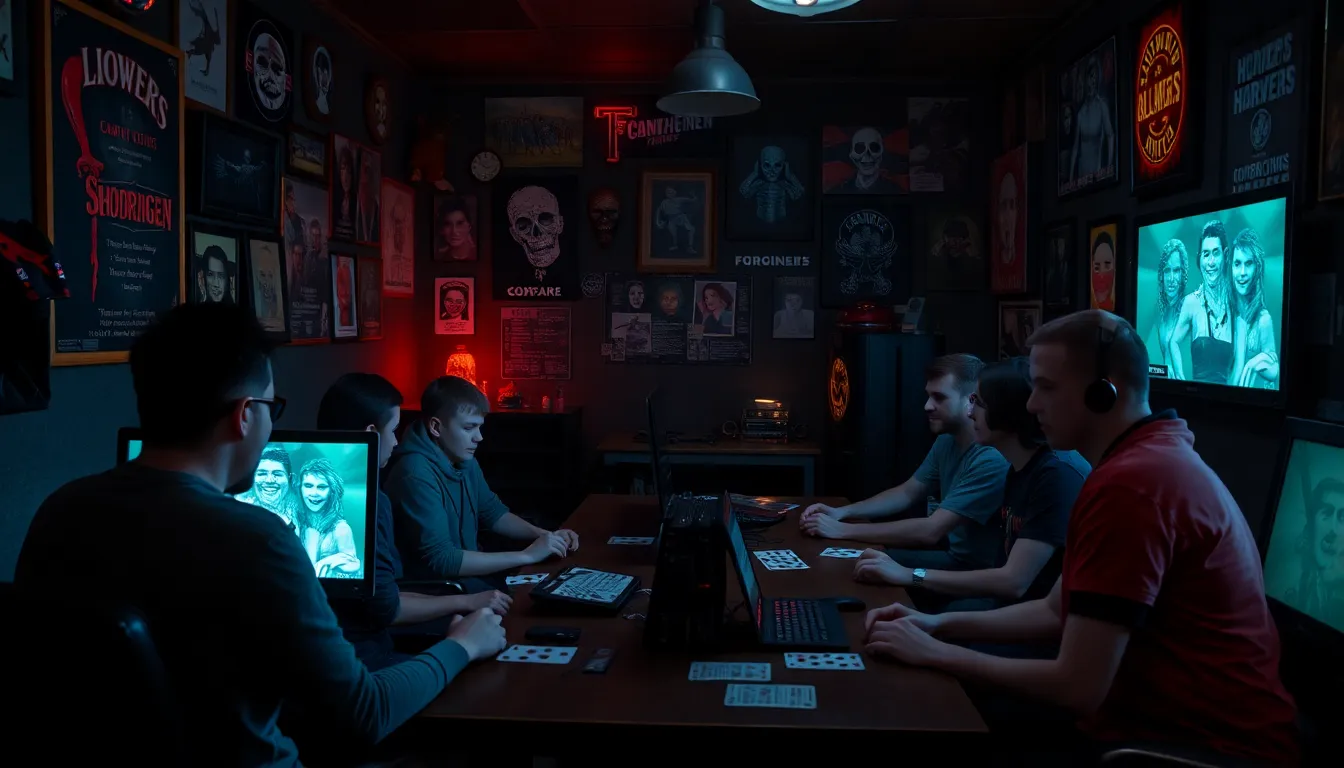
One of the most iconic games of this era was “Resident Evil,” released in 1996. It set the standard for survival horror, combining puzzle-solving with a gripping narrative and atmospheric tension. This game, along with others like “Silent Hill,” showcased how video games could evoke fear and suspense, paralleling the horror films of the time. The success of these titles not only influenced future game design but also reflected the cultural zeitgeist, where audiences were increasingly fascinated by horror narratives.
Economically, the 90s were a prosperous time for the gaming industry, with the rise of home consoles like the PlayStation and Sega Saturn. This accessibility allowed a broader demographic to engage with horror games, making them a staple in the gaming market. As developers sought to capitalize on this trend, they began to incorporate more complex storylines and character development, leading to a more nuanced portrayal of horror that went beyond mere jump scares.
The Legacy of 90s Horror in Modern Gaming
The influence of 90s horror gaming can still be felt today, with many modern titles paying homage to the classics. Games like “Dead Space” and “Amnesia: The Dark Descent” draw heavily from the mechanics and themes established in the 90s, showcasing the lasting impact of that era. As developers continue to explore the intersection of horror and gameplay, the innovations of the past serve as a foundation for new experiences, ensuring that the legacy of 90s horror remains alive and relevant in today’s gaming culture. You can read more about the evolution of sports gaming in Broken bodies everywhere are injuries about to be declared winners of the NBA playoffs.
Key themes and stakeholder perspectives in Forbidden Solitaire
In the realm of indie gaming, “Forbidden Solitaire” emerges as a unique blend of card gameplay and 90s horror aesthetics, drawing interest from various stakeholders. The primary actors include game developers, players, and critics, each with distinct interests that shape the game’s reception and its implications in the broader gaming landscape.
Game developers, particularly the small indie studio behind “Forbidden Solitaire,” seek to innovate within the gaming industry while also capturing the nostalgia of the 90s horror genre. Their interest lies in creating a compelling product that resonates with players, potentially leading to both commercial success and critical acclaim. However, they face challenges such as limited budgets and the need to stand out in a saturated market.
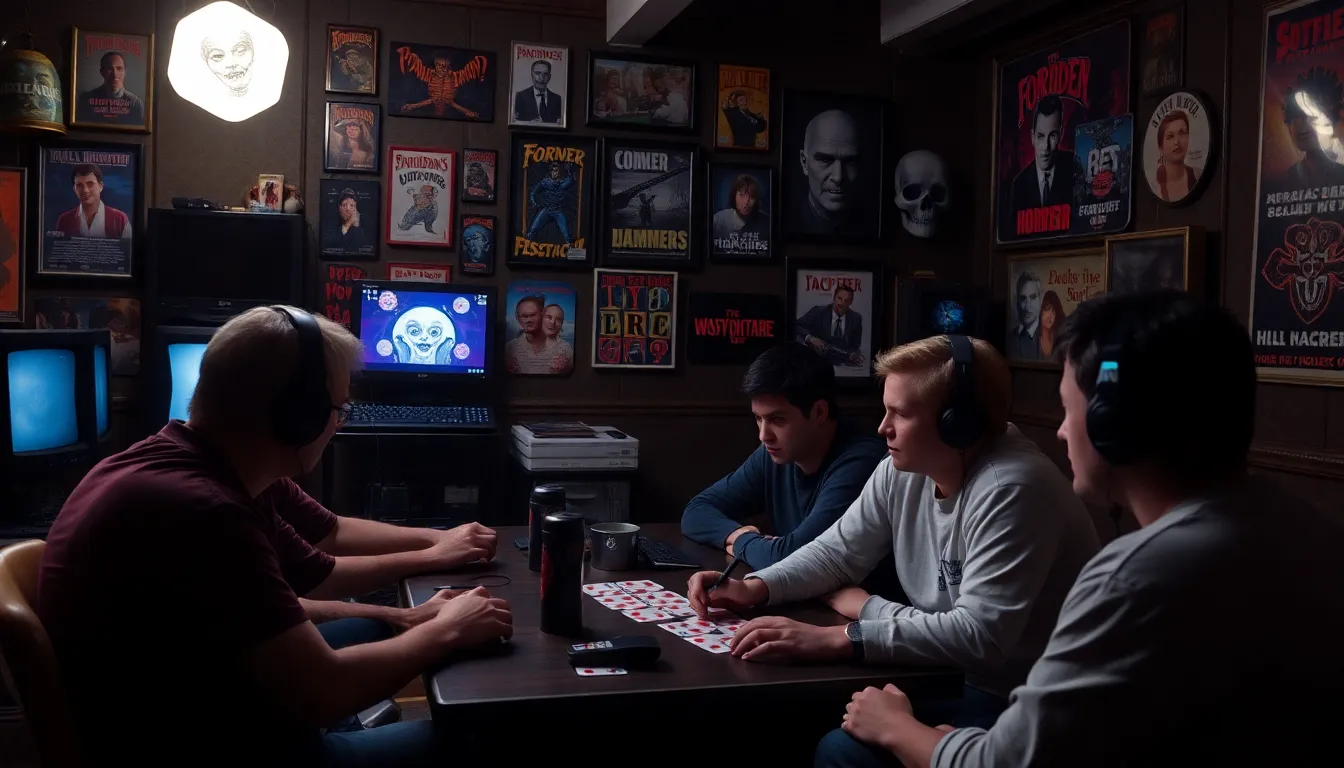
Players, as a significant stakeholder group, have diverse interests ranging from entertainment to the desire for unique and engaging gameplay experiences. Many players are drawn to the nostalgic elements and the horror themes, while others may be concerned about the gameplay mechanics and overall quality. This divergence can lead to conflicts, as some may prioritize innovation over nostalgia, while others may prefer a more traditional approach.
Critics and reviewers play a crucial role in shaping public perception of the game. Their analyses can influence player interest and sales. Key issues for critics include evaluating the balance between nostalgia and innovation, the effectiveness of the horror elements, and the overall gameplay experience. A positive review can significantly boost the game’s visibility, while negative feedback can hinder its success.
- Conflict between innovation and nostalgia: Developers may struggle to balance new ideas with the expectations of nostalgic players.
- Market saturation: The indie gaming market is crowded, making it challenging for new titles to gain attention.
- Player diversity: Different player preferences can lead to mixed reviews and varied levels of engagement.
- Impact of critical reception: Reviews can significantly affect sales and the game’s long-term success.
Who is affected by the rise of Forbidden Solitaire?
The resurgence of Forbidden Solitaire, with its nostalgic nod to 90s horror, impacts various groups including gamers, developers, and the broader entertainment industry. Fans of retro gaming are particularly drawn to its unique blend of classic card mechanics and horror themes, creating a niche market that appeals to both older gamers and a new generation seeking innovative experiences.
In the short term, the game’s popularity may lead to increased sales for developers and publishers, boosting revenue within the gaming sector. Local gaming cafes and online platforms could see a spike in engagement as players flock to experience this new offering. Additionally, merchandise related to the game, including themed accessories and collectibles, may emerge, further stimulating economic activity.
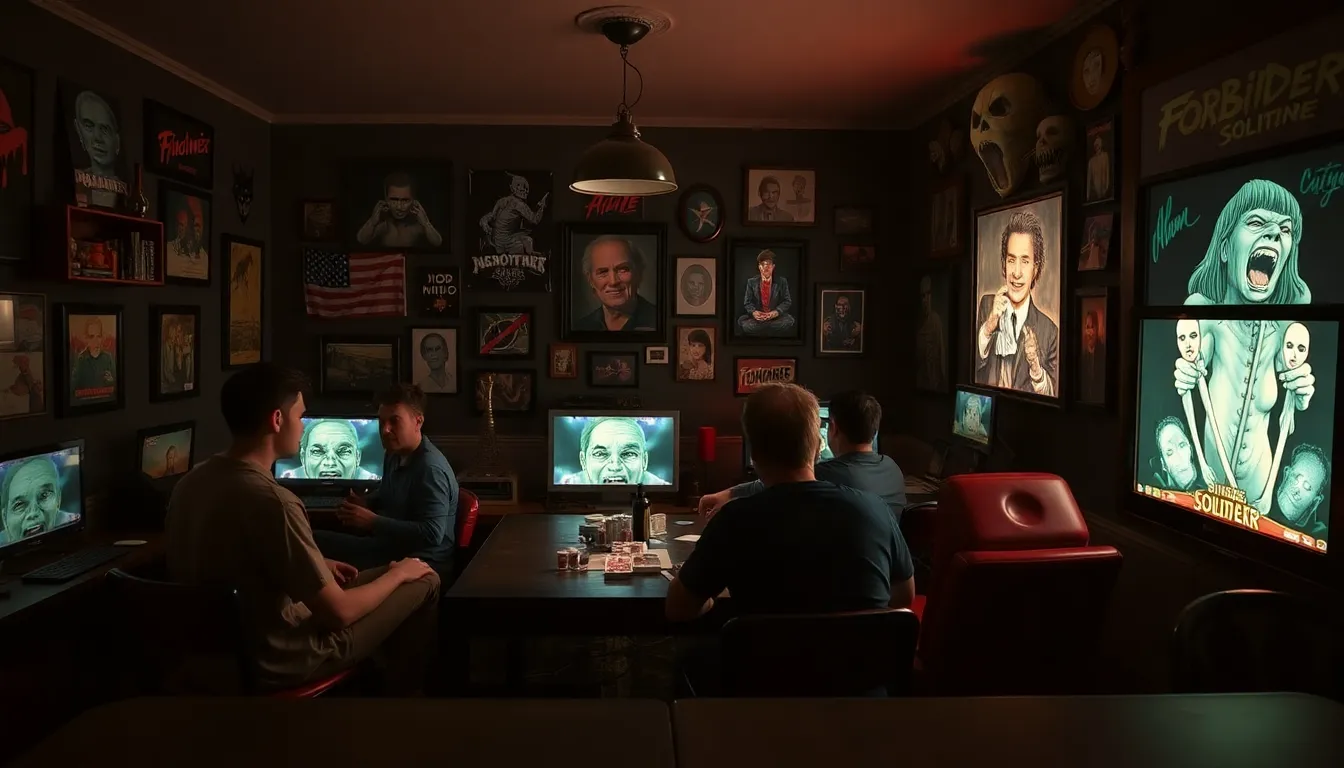
Mid-term impacts could include a shift in gaming trends, as developers might start to explore more retro-inspired themes, leading to a resurgence of similar titles. This trend could encourage investment in indie game development, as smaller studios look to capitalize on the nostalgic appeal. However, there are risks involved, such as market saturation if too many similar games flood the market, potentially diluting their uniqueness and appeal.
- Gamer Engagement: Increased interest in retro-themed games.
- Economic Opportunities: Boost in sales for developers and related merchandise.
- Market Risks: Potential oversaturation of similar games.
Regions with a strong gaming culture, particularly in North America and Europe, are likely to see the most significant impacts. As Forbidden Solitaire garners attention, it may also influence local gaming events and conventions, creating opportunities for community engagement and networking among fans and developers alike.
A: Forbidden Solitaire is a unique card game that combines traditional solitaire mechanics with horror-themed visuals and storytelling inspired by 90s horror films. A: The game features eerie graphics, unsettling sound effects, and narrative elements that evoke the atmosphere of classic horror movies from the 1990s. A: While the gameplay is accessible, the horror themes may not be suitable for younger audiences, so parental discretion is advised. A: Yes, Forbidden Solitaire is available on various platforms, including PC and mobile devices, allowing for a wide range of accessibility. A: Its unique blend of nostalgic horror elements with engaging card mechanics sets it apart, offering a fresh experience for both card game enthusiasts and horror fans.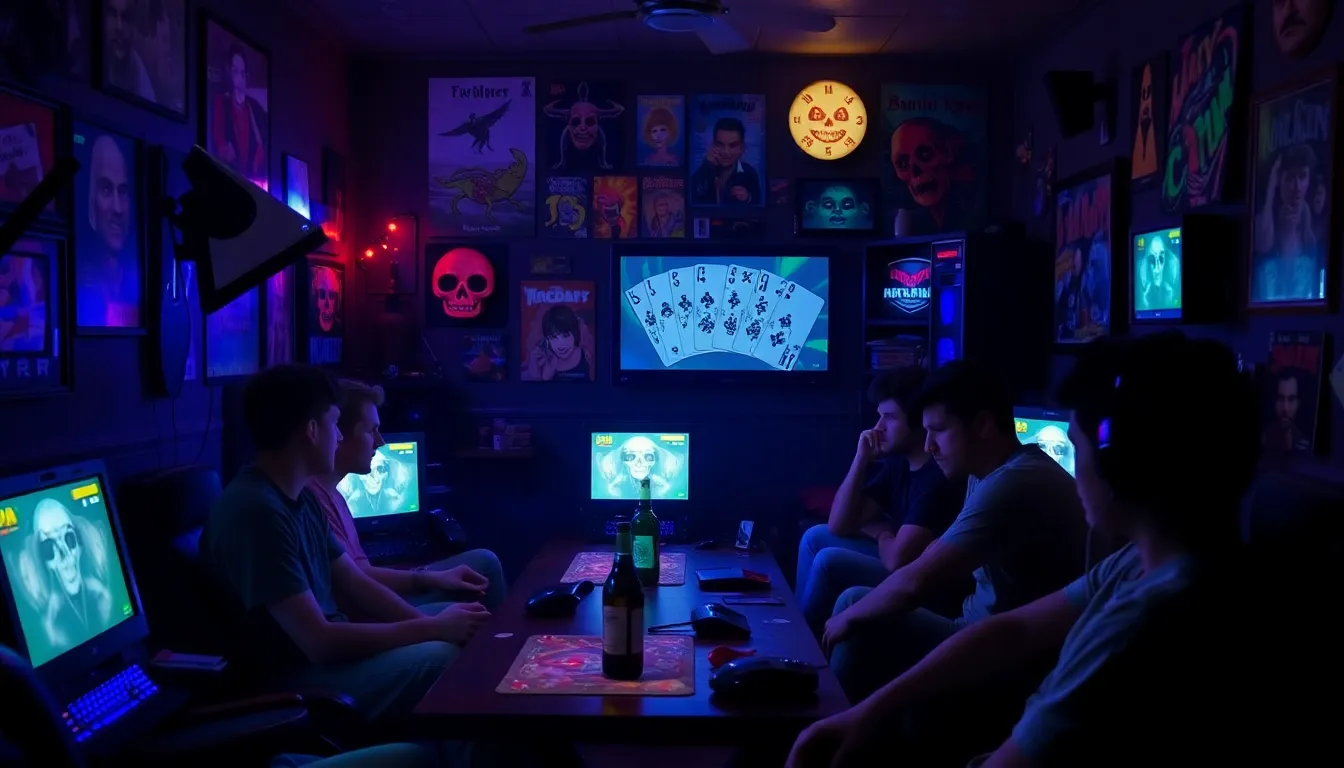
Frequently asked questions about Forbidden Solitaire
Key takeaways and future outlook for Forbidden Solitaire
Forbidden Solitaire not only pays homage to 90s horror aesthetics but also reinvents the card game experience with a unique narrative twist. As players navigate through the eerie atmosphere, the game invites a deeper engagement with its themes, making it more than just a nostalgic trip. The blend of gameplay and storytelling opens avenues for future developments in similar genres, hinting at a potential resurgence of retro-inspired titles that prioritize immersive experiences.
Looking ahead, the success of Forbidden Solitaire could inspire developers to explore unconventional narratives within classic game frameworks. This trend may lead to a re-evaluation of how horror elements can be integrated into various genres, offering players a fresh perspective on familiar mechanics.
- Expect an increase in retro-themed games that blend nostalgia with innovative gameplay.
- Watch for the emergence of narrative-driven card games that prioritize player immersion.
- Consider the potential for cross-genre experimentation, merging horror with other gameplay styles.
- Observe how community feedback shapes future updates and expansions for Forbidden Solitaire.