
Dominik Diamond, a prominent figure in the gaming community, recently shared his experience of reconnecting with the ZX Spectrum after decades. His reflections highlight not only the emotional connection many have with these devices but also the enduring appeal of their unique design and gameplay. As more individuals seek to relive their childhood memories, the ZX Spectrum has emerged as a symbol of a bygone era of gaming.
The current interest in retro devices is also reflected in the market, with various companies producing modern iterations of classic consoles. These new products often incorporate updated technology while maintaining the original aesthetic, appealing to both nostalgic adults and curious newcomers. The ZX Spectrum has inspired a range of merchandise, from mini consoles to software that allows users to emulate the experience on modern devices.
This movement is significant as it not only preserves gaming history but also encourages creativity and innovation within the gaming industry. Developers are increasingly looking to the past for inspiration, blending classic gameplay elements with contemporary design. As a result, the ZX Spectrum and similar devices are not just relics; they are integral to the ongoing evolution of gaming culture.
Understanding the historical significance of the ZX Spectrum
The ZX Spectrum, launched in 1982 by Sinclair Research, marked a pivotal moment in the evolution of personal computing. As one of the first affordable home computers, it democratized access to technology, allowing a generation of users to explore programming, gaming, and digital creativity. The Spectrum’s introduction coincided with a burgeoning interest in home computing in the UK, as it provided an accessible platform for both education and entertainment.
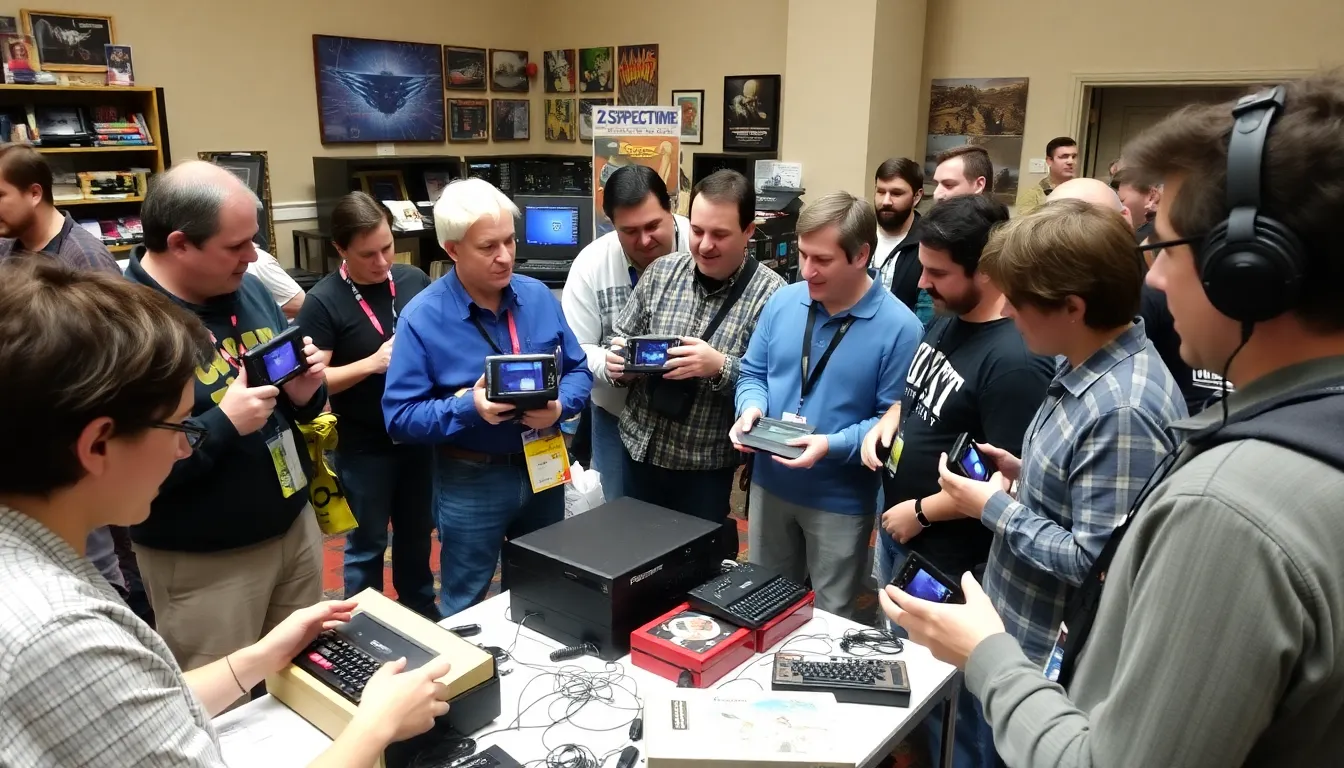
In the early 1980s, the UK was experiencing significant economic changes, including a shift towards technology and innovation. The Spectrum emerged during a time when many households were beginning to embrace personal computers, driven by the desire for educational tools and leisure activities. This cultural shift was further fueled by the rise of the video game industry, with the Spectrum quickly becoming a favorite among gamers due to its vibrant graphics and extensive library of games.
The impact of the ZX Spectrum extended beyond just gaming; it played a crucial role in the development of the British software industry. Many of the early game developers and programmers got their start creating titles for the Spectrum, leading to the establishment of iconic British game studios. This era of innovation not only contributed to the economic landscape of the UK but also laid the groundwork for future advancements in technology and gaming.
The Legacy of the ZX Spectrum
As technology evolved, the ZX Spectrum became a nostalgic symbol of the early computing era. Its significance is not just rooted in its technical specifications but also in the cultural memories it created for those who grew up during its heyday. The resurgence of interest in retro gaming and computing has led to a renewed appreciation for the Spectrum, prompting enthusiasts to revisit its games and software. This revival reflects a broader trend of celebrating technological history and the formative experiences it provided for countless individuals.
Key factors influencing the nostalgia for the ZX Spectrum
The ZX Spectrum, a home computer that became iconic in the 1980s, continues to evoke strong feelings of nostalgia among its users. This sentiment is driven by various stakeholders, including former users, retro gaming communities, and technology enthusiasts. Each group has distinct interests that shape the current landscape surrounding the ZX Spectrum.
Former users, now adults, often seek to reconnect with their childhood memories, which is reflected in the growing market for retro gaming products. This demographic is particularly interested in authenticity and the original experience, which drives demand for original hardware and software. Meanwhile, organizations such as software developers and gaming companies are keen to capitalize on this nostalgia by releasing remastered versions of classic games or creating new titles inspired by the ZX Spectrum.
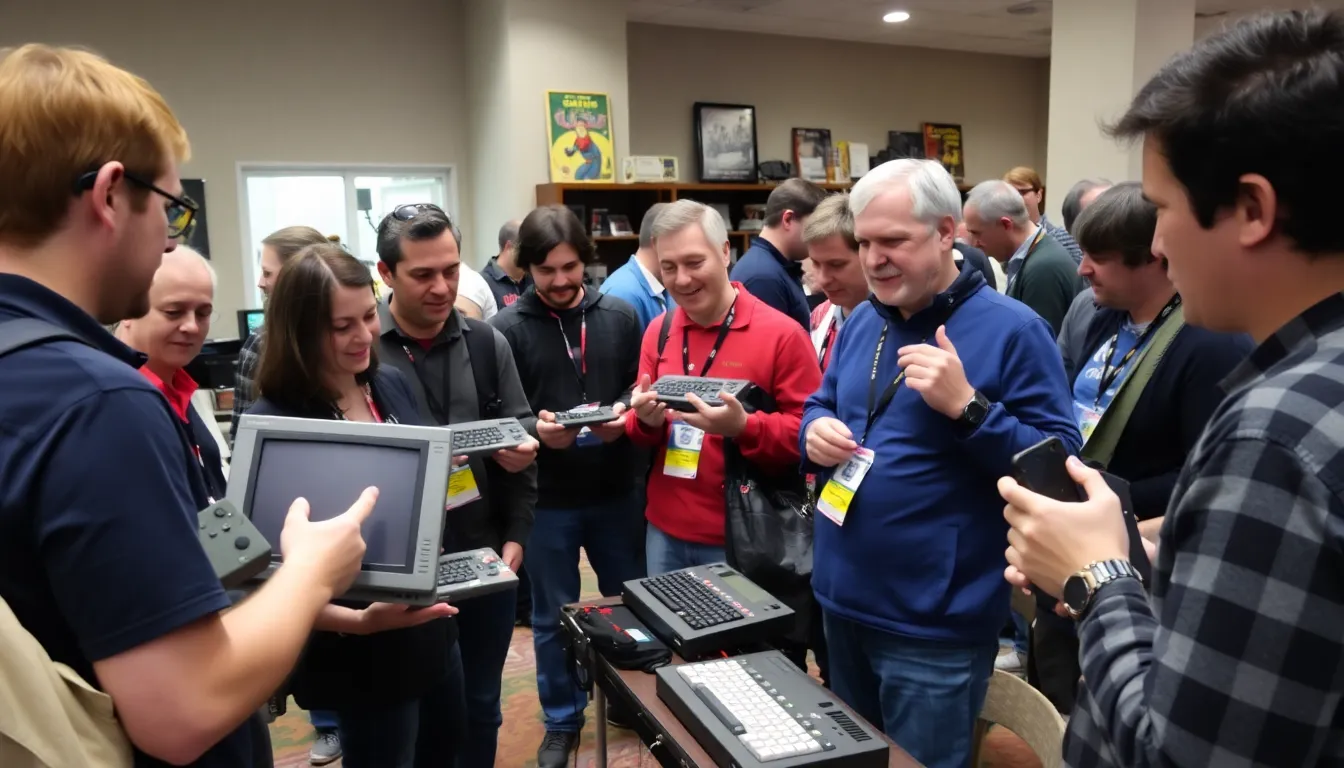
Another key player in this scenario is the retro gaming community, which fosters a culture of sharing and preservation. These enthusiasts often engage in discussions about the historical significance of the ZX Spectrum and its impact on the gaming industry. They advocate for the archiving of old games and hardware, ensuring that future generations can appreciate the cultural heritage associated with the ZX Spectrum.
- Market Demand: The resurgence of interest in retro gaming creates economic opportunities for developers and retailers.
- Preservation Efforts: Communities work towards preserving software and hardware, highlighting the importance of historical context.
- Technological Advancements: Modern technology allows for new ways to experience classic games, such as emulators and mini consoles.
- Intellectual Property Issues: The rights to classic games can lead to legal disputes, impacting availability and distribution.
As nostalgia for the ZX Spectrum grows, it also brings forth conflicts related to intellectual property rights and the commercialization of retro gaming. Companies may face challenges in navigating these legal waters, especially when seeking to remaster or distribute classic titles. Furthermore, the balance between preserving the original experience and modernizing content to attract new audiences remains a critical trade-off.
How the ZX Spectrum experience affects modern gamers
The resurgence of interest in retro gaming, particularly with devices like the ZX Spectrum, has a ripple effect across various groups and industries. Gamers who experienced the ZX Spectrum during its heyday may find themselves rekindling their passion for gaming, while younger generations are introduced to the roots of gaming culture. This phenomenon not only affects individual gamers but also impacts game developers, retailers, and the broader tech industry.
In the short term, the renewed interest in retro gaming can lead to increased sales of vintage consoles, games, and related merchandise. Businesses focused on retro gaming, such as specialty game shops and online marketplaces, may see a surge in demand. Additionally, developers might explore creating new titles or remakes inspired by classic ZX Spectrum games, tapping into nostalgia while attracting new players.
In the mid-term, this trend could influence gaming policy and education. As more people engage with retro gaming, there may be a push for incorporating gaming history into educational curricula, highlighting the evolution of technology and design. Furthermore, local governments might consider supporting retro gaming events and conventions, fostering community engagement and tourism.
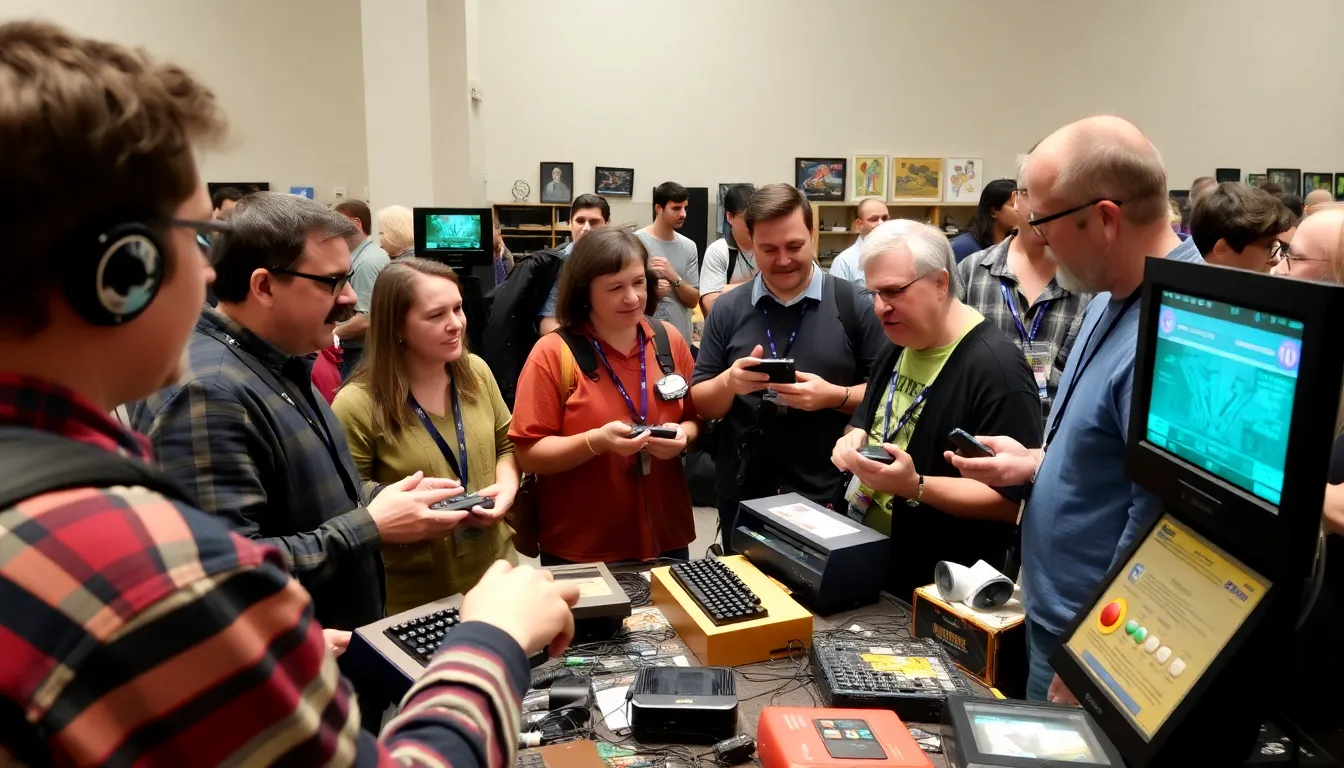
- Increased market demand: A rise in sales for retro consoles and games.
- Job creation: Opportunities for developers and retailers focused on retro gaming.
- Cultural impact: A renewed appreciation for gaming history and its influence on modern games.
- Community building: Enhanced social connections through gaming events and online forums.
However, there are risks associated with this trend. The potential for market saturation exists if too many companies rush to capitalize on retro gaming nostalgia without offering quality products. Additionally, there may be concerns about the preservation of gaming history, as not all classic games are easily accessible or adequately archived. Balancing nostalgia with innovation will be key to ensuring a sustainable future for the retro gaming market.
A: The ZX Spectrum is an 8-bit home computer released in the early 1980s, known for its role in popularizing home computing and gaming. A: Many people are revisiting the ZX Spectrum due to nostalgia, as well as the rise of retro gaming culture and the desire to relive childhood memories. A: While the ZX Spectrum lacks the advanced graphics and processing power of modern consoles, it offers a unique charm and simplicity that appeals to many retro enthusiasts. A: Yes, many ZX Spectrum games are available through emulators and online platforms, allowing new generations to experience these classic titles. A: Dominik Diamond expressed a sense of nostalgia and enjoyment when he revisited the ZX Spectrum, highlighting its impact on his gaming journey.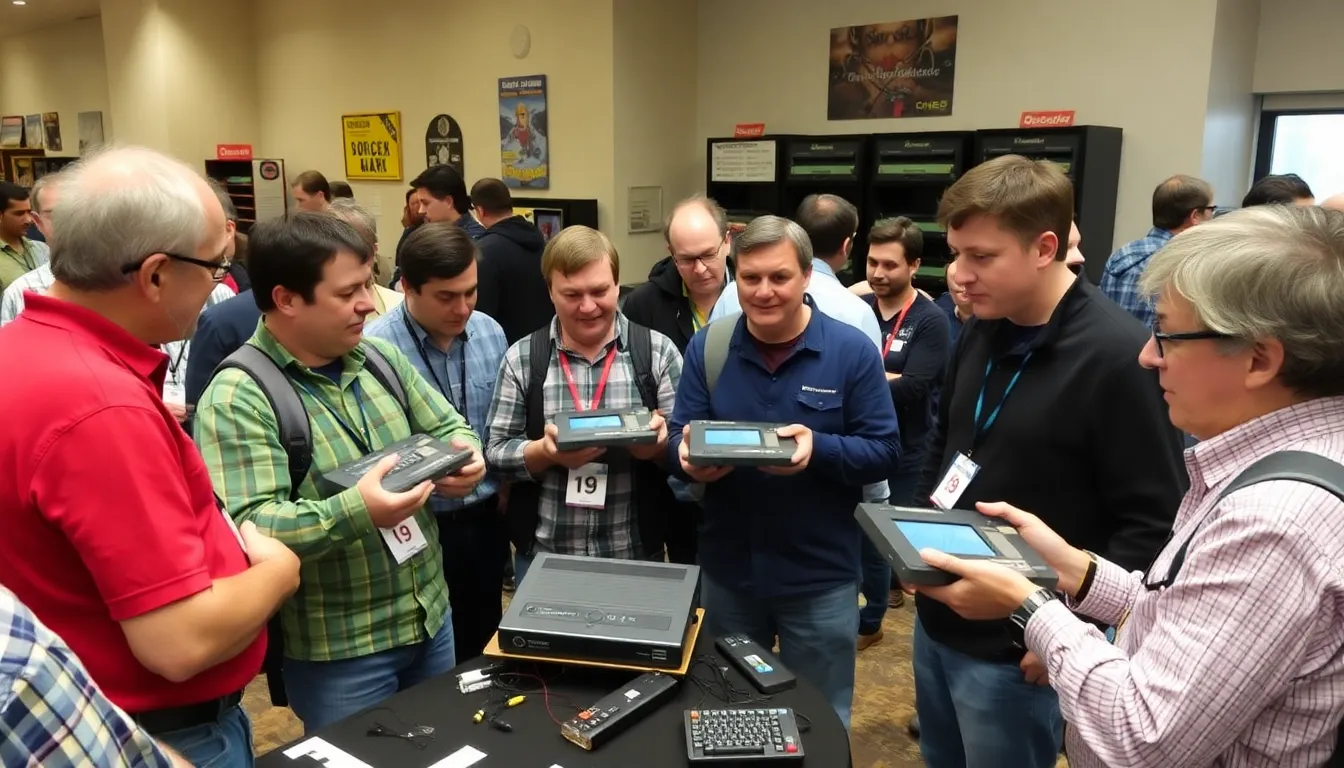
Frequently Asked Questions about the ZX Spectrum
Looking ahead: The future of retro gaming and its community
The resurgence of interest in retro gaming, exemplified by Dominik Diamond’s recent experience with the ZX Spectrum, highlights a growing appreciation for the nostalgia and simplicity of earlier gaming experiences. As technology advances, the retro gaming community continues to thrive, driven by both new enthusiasts and those revisiting their childhood favorites. This revival not only fosters a sense of community but also encourages innovation in how classic games are preserved and enjoyed.
As we look to the future, several trends are emerging that could shape the landscape of retro gaming. The blend of old and new technologies, along with the evolving ways in which gamers engage with these classics, suggests that the retro gaming scene will remain vibrant and relevant.
- Nostalgia as a driving force: The emotional connection to retro games can attract new players and keep long-time fans engaged.
- Community engagement: Online platforms and social media are vital for sharing experiences, tips, and fostering connections among retro gaming enthusiasts.
- Preservation efforts: As interest grows, so does the need for initiatives focused on preserving classic games and hardware for future generations.
- Innovation in retro gaming: The integration of modern technology, such as remakes and virtual reality adaptations, can breathe new life into beloved classics.