
The increase is seen as a symbolic gesture aimed at addressing the pressures from both consumers and major economies, particularly the United States, which have been advocating for lower oil prices. OPEC Plus has faced criticism for its previous production cuts that contributed to higher fuel prices, impacting inflation rates worldwide.
Key players in the alliance, including Saudi Arabia and Russia, have indicated that this move is intended to stabilize the market while balancing the interests of member countries. The production boost is expected to take effect starting November 1, 2023, and could influence global oil prices in the coming months.
Analysts suggest that while this increase may provide temporary relief, the underlying issues of supply chain disruptions and geopolitical tensions remain significant factors in the oil market. The decision reflects OPEC Plus’s ongoing struggle to navigate the complex landscape of energy demands and economic recovery.
Understanding the background of OPEC Plus decisions
The Organization of the Petroleum Exporting Countries (OPEC) was established in 1960 with the aim of coordinating and unifying petroleum policies among member countries to secure fair and stable prices for petroleum producers. Over the years, OPEC expanded its influence and, in 2016, formed a partnership with non-OPEC oil-producing nations, known as OPEC Plus.
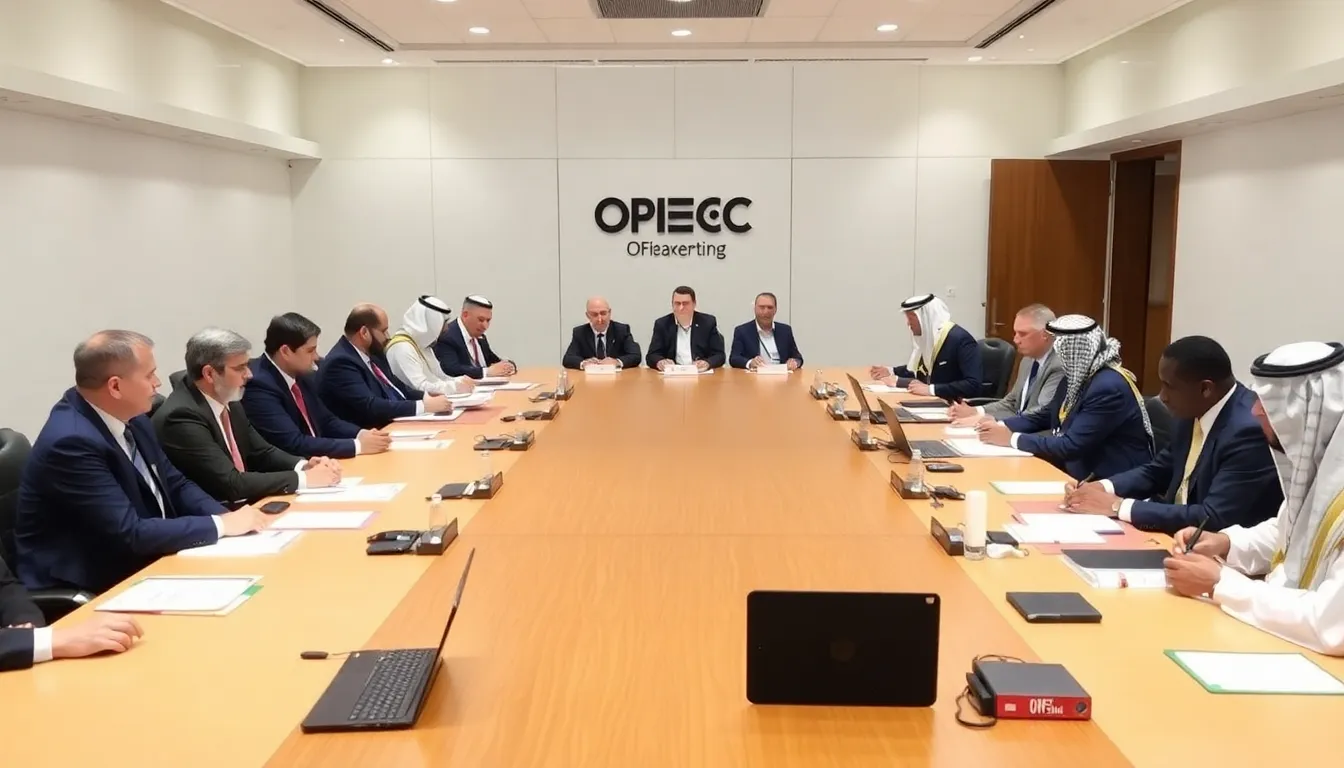
The decision to increase oil production by OPEC Plus is often influenced by a combination of geopolitical tensions, economic recovery, and market demand. For instance, the COVID-19 pandemic led to a dramatic decrease in oil consumption, forcing OPEC Plus to implement historic production cuts in 2020. As global economies began to recover, the demand for oil surged, prompting discussions within the alliance about adjusting production levels to meet this renewed demand.
Key milestones in OPEC Plus history
One of the most significant milestones for OPEC Plus was the 2020 agreement to cut production by nearly 10 million barrels per day, the largest reduction in history. This move was crucial in stabilizing the oil market during an unprecedented crisis. Following the agreement, the group gradually increased production as global demand rebounded. The dynamics of the oil market have continued to evolve, with factors such as the rise of renewable energy and shifts in consumer behavior further complicating OPEC Plus’s decision-making processes.
Additionally, geopolitical factors play a critical role in shaping OPEC Plus’s strategies. Tensions in the Middle East, sanctions on key oil-producing nations, and competition with U.S. shale oil production have all influenced the group’s decisions. As OPEC Plus navigates these complex challenges, its ability to adapt to changing circumstances will be vital for maintaining its relevance in a rapidly transforming energy landscape.
Analyzing the stakeholders and key issues involved
The recent decision by OPEC Plus to increase oil production is a significant move that involves various stakeholders, each with distinct interests and objectives. Key actors in this scenario include OPEC member countries, non-OPEC allies, oil-producing nations outside the organization, and global consumers. Understanding their motivations and the broader implications of this decision is essential for grasping the dynamics of the oil market.
OPEC member countries, such as Saudi Arabia and Iraq, are primarily focused on stabilizing oil prices to ensure their economic sustainability. By increasing production, they aim to balance supply and demand, which is crucial for maintaining revenue levels. However, this decision may conflict with the interests of oil-producing nations outside OPEC, such as the United States, which could see an increase in production as a threat to its market share.
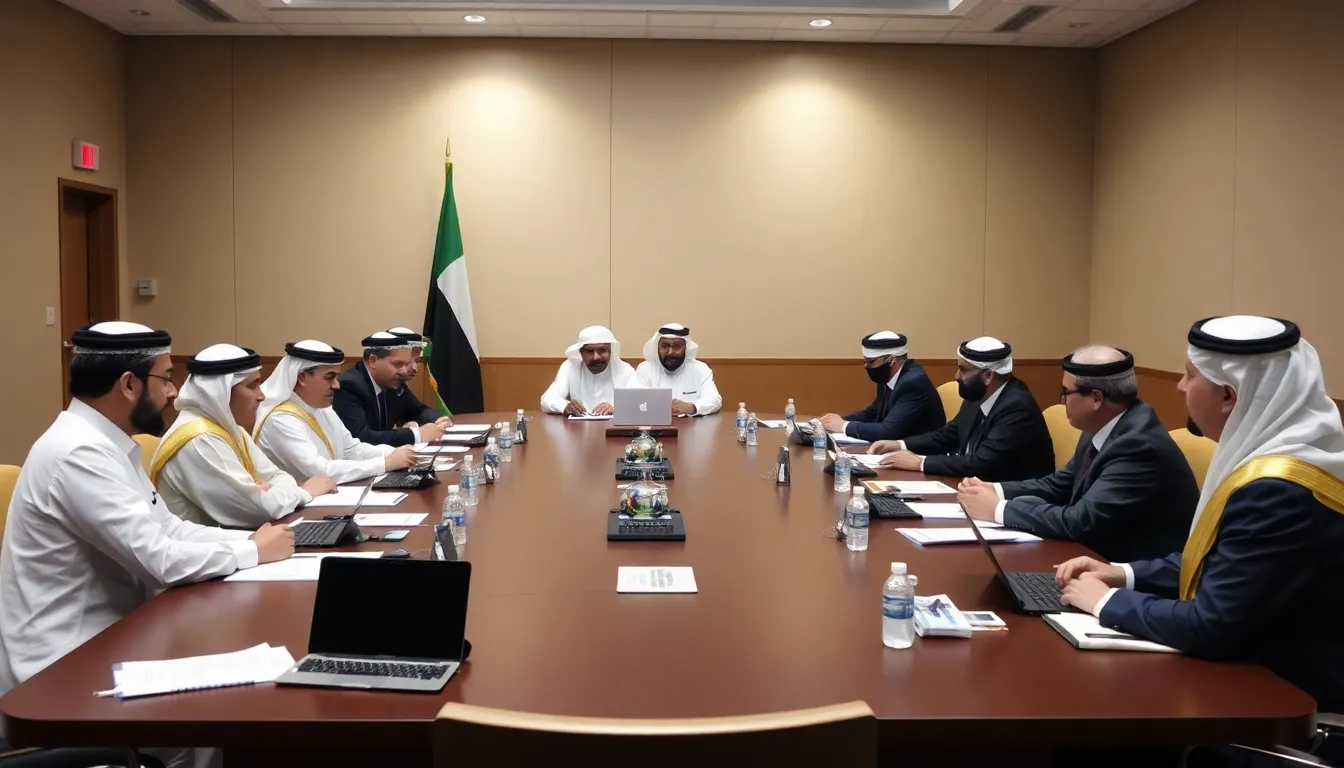
Moreover, the geopolitical landscape plays a significant role in this scenario. Countries like Russia, part of the OPEC Plus alliance, have their own economic considerations, particularly in light of international sanctions and the need to support their domestic economies. This creates a complex web of trade-offs where OPEC Plus must navigate between boosting production and adhering to agreements that prevent oversupply.
- Economic Stability: Oil-producing nations seek to maintain revenue streams amidst fluctuating global oil prices.
- Market Competition: Increased production by OPEC Plus may intensify competition with non-OPEC producers, particularly the U.S.
- Geopolitical Tensions: The decision may exacerbate tensions between oil-producing nations and those reliant on oil imports.
- Environmental Concerns: The push for increased production raises questions about sustainability and climate change commitments.
- Consumer Impact: Global consumers may experience changes in fuel prices, influencing economic conditions worldwide.
Legal and economic issues also come into play, particularly regarding compliance with international agreements and the potential for regulatory scrutiny. As OPEC Plus navigates these challenges, the implications of their decisions extend beyond immediate market reactions, influencing global energy policies and economic strategies for years to come.
Examining the impact on global oil markets and economies
The decision by OPEC Plus to increase oil production is set to affect a wide array of groups, industries, and regions. Primarily, consumers, businesses reliant on oil, and oil-producing nations will feel the immediate effects of this policy shift. As oil prices fluctuate, the impact will resonate through various sectors, from transportation to manufacturing.
In the short term, consumers may experience a slight reduction in fuel prices, leading to increased disposable income and potentially higher spending in other areas. However, this relief could be temporary, as market reactions to changes in supply and demand may lead to volatility. Businesses that depend heavily on oil, such as airlines and logistics companies, might benefit from lower operating costs, which could translate into more competitive pricing for consumers.
Regions heavily reliant on oil exports, particularly in the Middle East and parts of Africa, could see an immediate boost to their economies. Increased production may lead to higher revenues for these countries, fostering investment in infrastructure and social programs. However, this opportunity comes with risks, including potential over-reliance on oil revenues and the challenges of managing economic diversification.
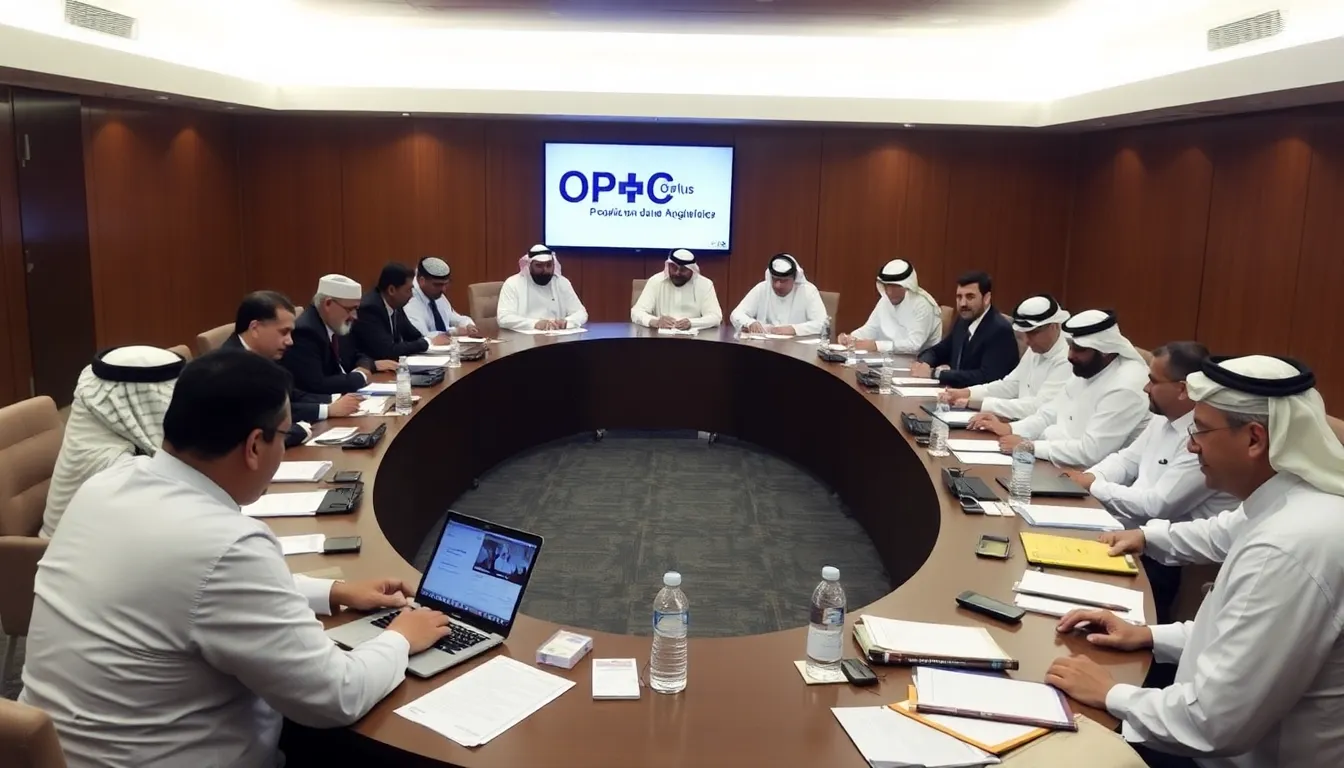
- Short-term impacts: Potential decrease in fuel prices, increased disposable income for consumers, and reduced costs for businesses.
- Mid-term impacts: Economic boosts for oil-exporting nations, but risks of market volatility and dependency on oil revenues.
- Opportunities: Enhanced investment in infrastructure in oil-rich regions and potential for businesses to innovate in response to changing costs.
In the mid-term, the policy could lead to shifts in global energy dynamics, prompting countries to reassess their energy strategies and policies. As the world increasingly focuses on sustainability, this decision may also renew discussions around transitioning to alternative energy sources, creating both challenges and opportunities for innovation within the energy sector.
A: OPEC Plus aims to address rising global energy demands and stabilize oil prices. This decision is also seen as a response to geopolitical tensions affecting supply. A: The exact increase in production has not been specified, but OPEC Plus has indicated a gradual rise to meet market needs. A: An increase in production could lead to lower oil prices if supply outpaces demand, but market reactions can vary based on geopolitical factors. A: The main stakeholders include member countries such as Saudi Arabia, Russia, and the UAE, whose economies heavily rely on oil exports. A: Increased oil production could lead to lower fuel prices for consumers, but other factors like taxes and refining costs also play a role.
Frequently asked questions about OPEC Plus oil production increase
Key insights and future outlook on oil production
The recent decision by OPEC Plus to increase oil production, albeit symbolically, reflects the complex dynamics of the global energy market. This move may serve as a strategic response to both domestic pressures and international demand fluctuations, indicating a balancing act between maintaining price stability and meeting consumption needs. As economies continue to recover from the pandemic, the implications of this decision will be felt across various sectors, influencing everything from fuel prices to inflation rates.
Looking ahead, stakeholders should be mindful of the potential ripple effects this increase may have on global oil prices and geopolitical relations. Monitoring how OPEC Plus navigates future production adjustments will be crucial in understanding the overall stability of the oil market.
- Watch for changes in global oil prices as increased production could lead to a temporary easing of price pressures.
- Keep an eye on how this decision affects OPEC Plus member relations, particularly among those with differing production capabilities and economic needs.
- Consider the impact on alternative energy investments, as fluctuations in oil prices may influence funding and policy decisions in the renewable sector.
- Observe consumer behavior and economic indicators in major oil-importing countries, as changes in fuel costs could affect inflation and spending patterns.