
According to initial reports, at least 15 people have lost their lives, and over 30 others have sustained injuries ranging from minor to critical. Local authorities have confirmed that the collision happened during peak travel hours, raising concerns about passenger safety and the state of railway infrastructure in the country.
The Indonesian government has launched an investigation into the circumstances surrounding the crash, with a focus on potential human error and mechanical failures. The railway operator, PT Kereta Api Indonesia, has expressed its condolences to the victims’ families and pledged full cooperation with the ongoing inquiry.
This incident highlights ongoing issues within Indonesia’s railway system, which has faced criticism for inadequate safety measures and outdated equipment. As the investigation unfolds, there are calls from the public and advocacy groups for immediate reforms to prevent future accidents and ensure the safety of rail travel in the region.
Background on Indonesia’s railway safety and previous incidents
Indonesia’s railway system has a long and complex history, marked by both development and challenges. Established during the Dutch colonial period, the railway network was initially designed to facilitate the transportation of goods and resources. However, post-independence, the focus shifted towards passenger transport, leading to a series of upgrades and expansions. Despite these efforts, safety has remained a persistent issue, exacerbated by a lack of investment and maintenance.
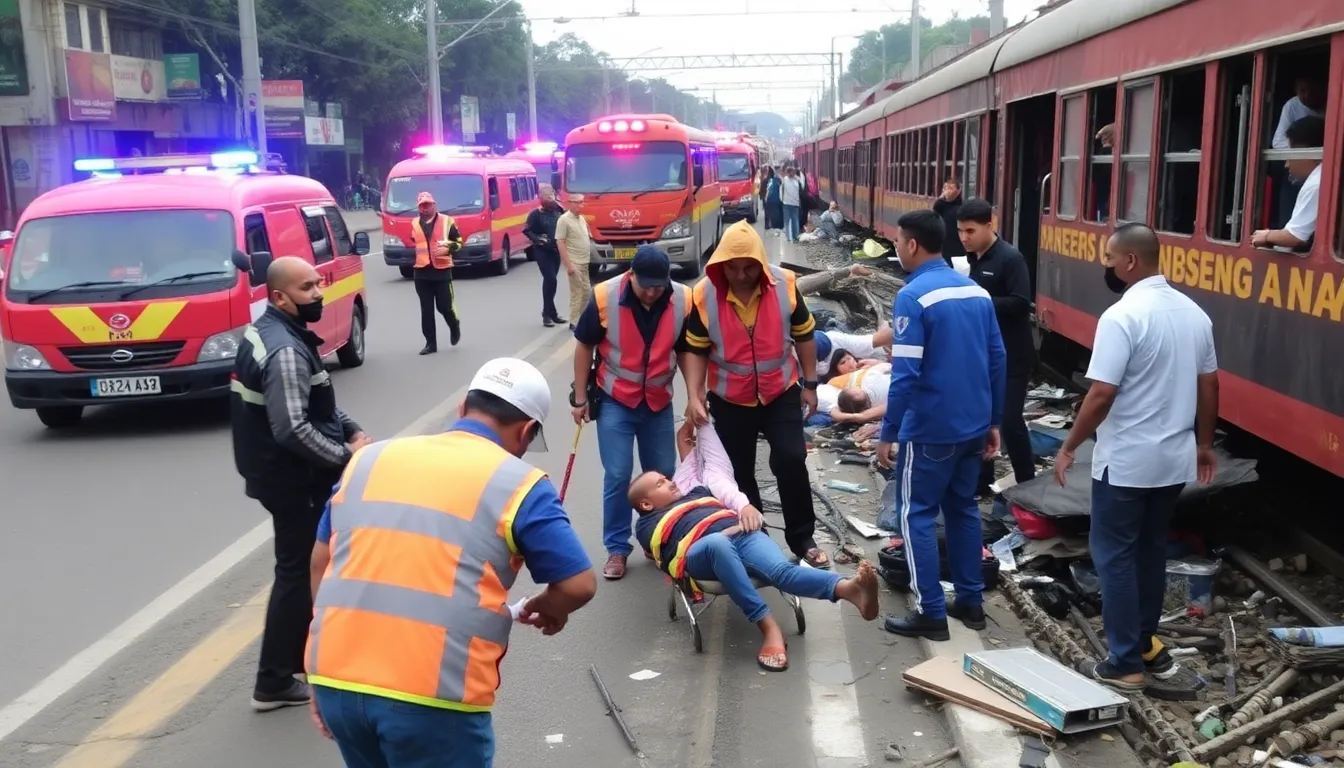
In recent years, the Indonesian government has made strides to improve railway safety, particularly following a series of high-profile accidents. For instance, in 2017, a train derailment in West Java resulted in multiple injuries, prompting calls for enhanced safety measures. The government responded with initiatives aimed at modernizing infrastructure and implementing stricter regulations. Nonetheless, the frequency of incidents suggests that significant challenges remain.
Historical Incidents and Government Response
One of the most notable incidents occurred in 2006 when a train collision in Central Java claimed the lives of over 30 people. This tragedy highlighted the urgent need for improved safety protocols and led to a review of existing practices. In the wake of such incidents, the Indonesian Ministry of Transportation has sought to increase oversight and invest in new technologies, yet the implementation of these measures has often been slow and inconsistent.
Despite ongoing efforts, the railway system continues to face issues such as outdated equipment and inadequate training for staff. The recent fatal train crash serves as a grim reminder of the vulnerabilities within the system, raising questions about the effectiveness of current safety protocols and the government’s commitment to ensuring passenger safety.
Key stakeholders and issues surrounding the crash
The tragic train crash in Indonesia has drawn attention from various stakeholders, each with distinct interests and concerns. These include the Indonesian government, railway companies, victims’ families, and international observers. Understanding their roles and the underlying issues is essential for grasping the full impact of this incident.
The Indonesian government is primarily focused on ensuring public safety and maintaining trust in the country’s transportation infrastructure. Following the crash, officials will likely face pressure to investigate the causes thoroughly and implement necessary reforms to prevent future incidents. This may involve scrutinizing current safety regulations and the enforcement of maintenance protocols for the railway system.

Railway companies, particularly those operating in Indonesia, are also significant stakeholders. Their interests revolve around liability, financial implications, and public relations. A thorough investigation could reveal lapses in safety measures or operational failures, potentially leading to lawsuits and financial losses. Additionally, the reputation of these companies is at stake as they navigate the aftermath of the crash.
Victims’ families and advocacy groups represent another crucial angle in this situation. They seek justice and accountability for their loved ones, which may lead to calls for compensation and legal action against responsible parties. Their demands can significantly influence public sentiment and policy changes, highlighting the human cost of such tragedies.
- Government response: Investigation into safety regulations and potential reforms.
- Railway company interests: Liability concerns and financial implications.
- Victims’ families: Pursuit of justice and accountability.
- Public safety: Ongoing debates about transportation safety standards.
- International scrutiny: Global attention on Indonesia’s infrastructure challenges.
Impact on victims and the local community
The recent train crash in Indonesia has left a profound impact on the victims and the local community. Families of the deceased are grappling with immense grief, while survivors are facing physical and psychological challenges. The immediate aftermath of the tragedy has disrupted the lives of many, affecting not only those directly involved but also the broader community.
In the short term, local businesses are likely to experience a decline in customer traffic as the community mourns and focuses on recovery efforts. Transportation services may also face disruptions, leading to delays and cancellations that affect daily commutes and logistics. Schools and community centers may need to provide support services for those affected, further straining local resources.
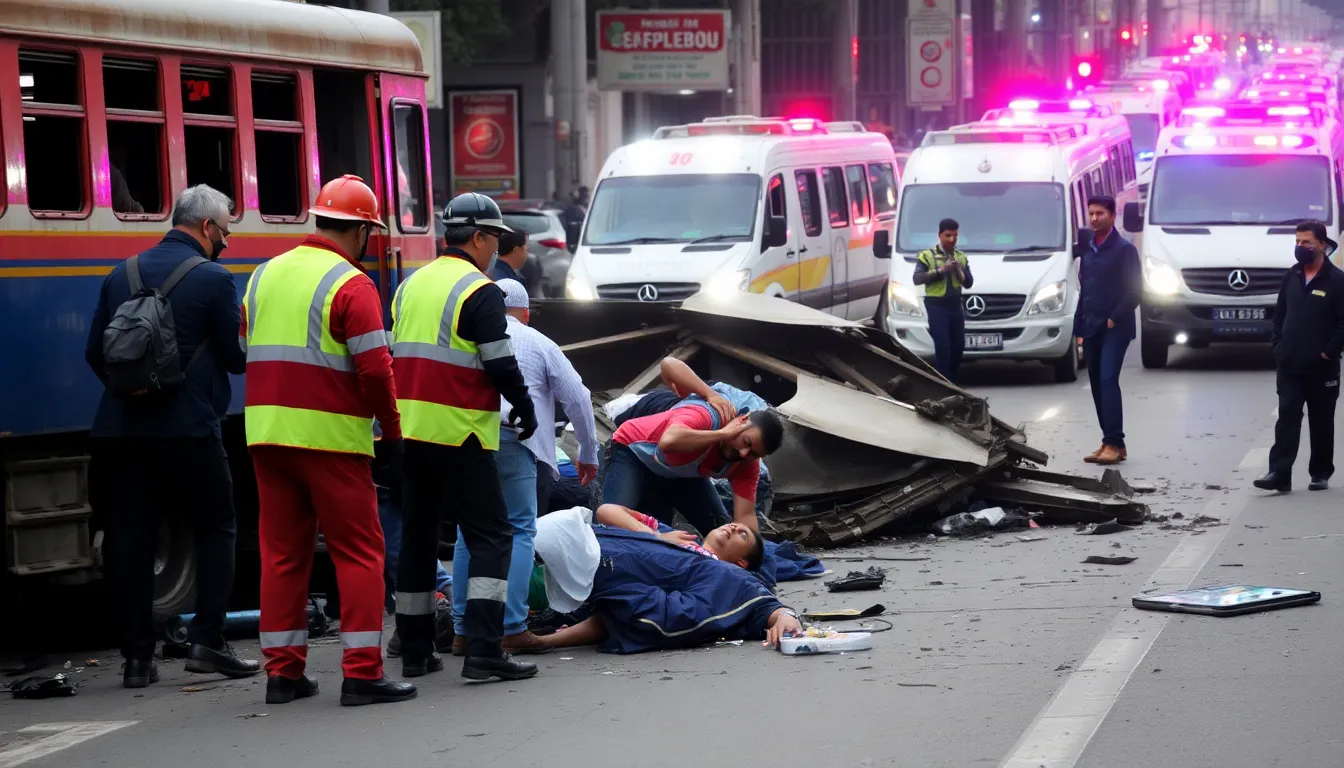
In the mid-term, there may be policy changes regarding safety regulations in the transportation sector. Increased scrutiny on train safety could lead to heightened operational costs for railway companies, impacting their profitability. However, this could also present opportunities for businesses involved in safety technology and infrastructure improvements.
- Victims and families: Direct emotional and financial impact.
- Local businesses: Potential decline in sales and customer engagement.
- Transportation sector: Increased scrutiny and potential regulatory changes.
- Community support services: Increased demand for mental health and recovery services.
- Safety technology firms: Opportunities for growth in safety solutions.
Overall, while the tragic event poses significant risks to the community and various industries, it also opens doors for discussions on safety improvements and community resilience. The focus on recovery and rebuilding may foster a sense of solidarity among residents, potentially leading to long-term positive changes in local policies and practices.
A: The exact cause of the crash is still under investigation, but preliminary reports suggest possible mechanical failure or human error. A: The crash has resulted in multiple fatalities and injuries, with local authorities confirming the number of casualties is still being assessed. A: In response to the crash, the Indonesian government is reviewing safety protocols and may implement stricter regulations for railway operations. A: BBC and other news outlets are providing ongoing coverage, and updates can be found on their respective websites. A: Yes, several eyewitnesses have shared their experiences with the media, describing the chaotic moments following the crash.
Frequently asked questions about the train crash
Key takeaways and future outlook on railway safety
The recent train crash in Indonesia serves as a tragic reminder of the vulnerabilities within rail transport systems. As investigations unfold, it is crucial to assess the broader implications for railway safety protocols and infrastructure investment. The incident highlights the need for enhanced safety measures and rigorous maintenance schedules to prevent future tragedies.
Moreover, this event may prompt a reevaluation of emergency response strategies and public awareness campaigns surrounding railway safety. Stakeholders, including government agencies and rail operators, must prioritize collaboration to implement effective solutions that address both immediate and long-term safety concerns.
- Increased investment in railway infrastructure is essential to enhance safety and reliability.
- Regular maintenance checks and updates to safety protocols can mitigate risks associated with aging rail systems.
- Public awareness campaigns should be developed to educate passengers on safety practices while using rail services.
- Collaboration between government and private sectors can lead to innovative safety technologies and practices.
- Monitoring and evaluation of emergency response procedures will be critical in improving outcomes in future incidents.