
The former leaders are leveraging their political experience and public recognition to form a united front, emphasizing the need for change in Israel’s governance. They have raised concerns over issues such as economic instability, security challenges, and the recent escalation of tensions in the region. By presenting a cohesive alternative, they hope to attract voters disillusioned with Netanyahu’s administration. For a broader perspective on political shifts, you can read about Hungary’s former ruling party’s recent challenges at the polls.
This coalition marks a rare alignment among former rivals in Israeli politics, highlighting the urgency of their mission. With Netanyahu facing multiple corruption charges and declining approval ratings, the former premiers believe that their combined efforts could sway undecided voters and shift the political landscape. The upcoming elections are poised to be critical, as they may determine the future direction of Israel’s leadership.
As the election date approaches, the coalition is ramping up its campaign efforts, including public rallies and media outreach. They aim to communicate their vision for a more stable and inclusive government, contrasting sharply with the current administration’s policies. The outcome of this political contest could have lasting implications for Israel’s domestic and foreign policies.
Understanding the political backdrop of Israel’s electoral landscape
The political landscape of Israel has been marked by a series of tumultuous events that have shaped its governance and electoral processes. Since its establishment in 1948, Israel has experienced a complex interplay of political ideologies, security concerns, and social dynamics. The rise and fall of various political leaders have often reflected broader societal divisions, particularly between secular and religious populations, as well as between Jewish and Arab citizens.
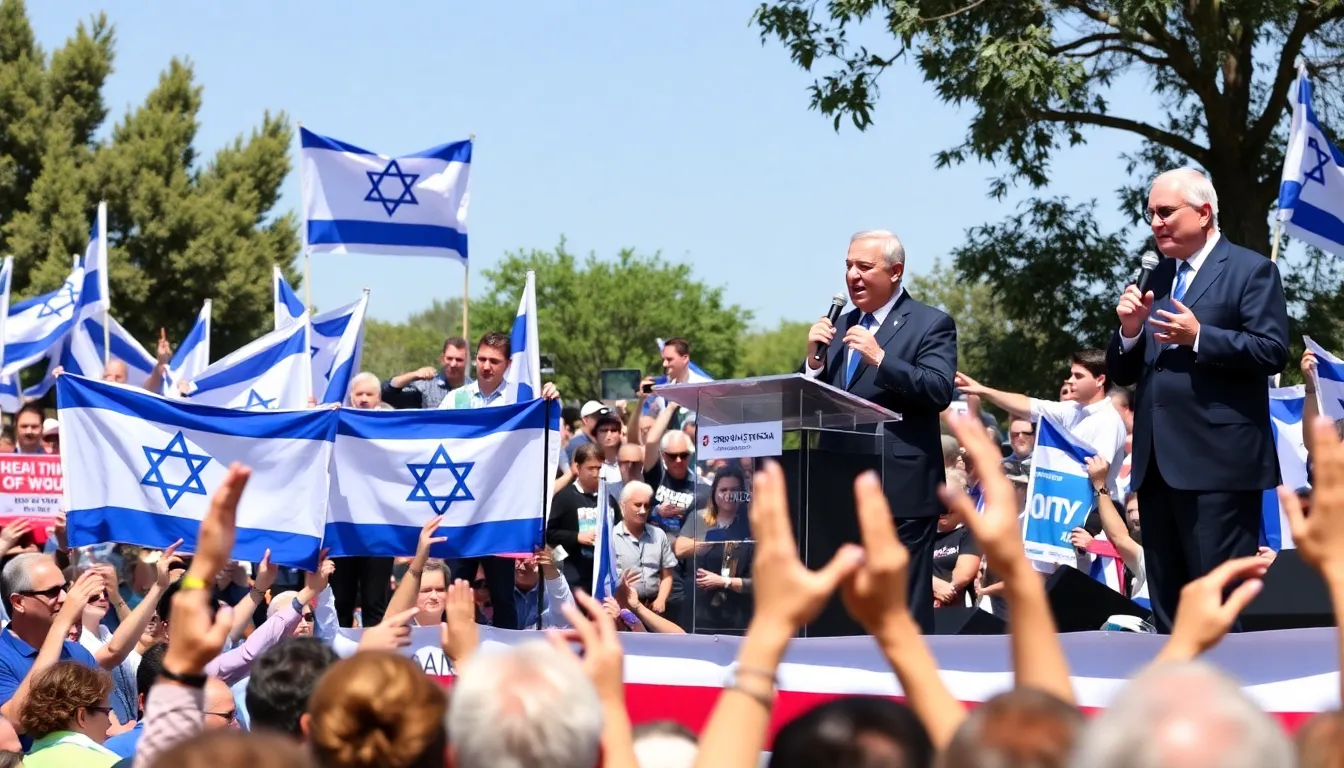
In recent years, Prime Minister Benjamin Netanyahu has been at the center of Israeli politics, serving multiple terms since 2009. His leadership has been characterized by a focus on security and economic growth, but it has also been marred by controversy, including allegations of corruption and political maneuvering. These issues have led to increasing public discontent and calls for change, especially as Netanyahu’s government has faced challenges in addressing pressing social issues such as housing, healthcare, and education.
The emergence of former Israeli premiers joining forces to challenge Netanyahu in upcoming elections signifies a critical moment in the country’s political history. Leaders like Ehud Barak and Ehud Olmert, who have previously held the office, bring with them a wealth of experience and a desire to unify opposition against what they perceive as a deteriorating democratic fabric under Netanyahu’s rule. This coalition reflects a growing sentiment among voters who are seeking alternatives to the current administration, similar to the shifts seen in recent political events like those discussed in Jimmy Kimmel’s defense against White House criticism.
Key Milestones in Israeli Politics
Several key milestones have paved the way for this current political dynamic. The 2019 elections marked the beginning of a political stalemate, leading to multiple elections within a short span. The formation of the “change bloc” in 2021, which united various opposition parties, demonstrated the potential for collaboration among disparate political factions. As public frustration mounts, the willingness of former leaders to step back into the political arena underscores the urgency of the situation and the potential for significant shifts in Israel’s governance.
Key stakeholders and issues surrounding the election challenge
The political landscape in Israel is currently marked by a significant challenge to Prime Minister Benjamin Netanyahu’s leadership, spearheaded by former Israeli premiers. This coalition of past leaders is motivated by a shared interest in reshaping the country’s governance and addressing pressing issues they believe are being neglected under Netanyahu’s administration. Much like the discussions surrounding the impact of oil in contemporary art, these changes could reshape the societal dynamics in Israel.
Among the key stakeholders are former Prime Ministers such as Ehud Olmert, Ehud Barak, and Naftali Bennett, each bringing their own political legacies and perspectives to the table. Their collective goal is to unite various factions of the opposition to present a formidable challenge in the upcoming elections. This coalition aims to appeal to a broad spectrum of voters who are disillusioned with Netanyahu’s policies, particularly regarding security, economic disparities, and social justice.
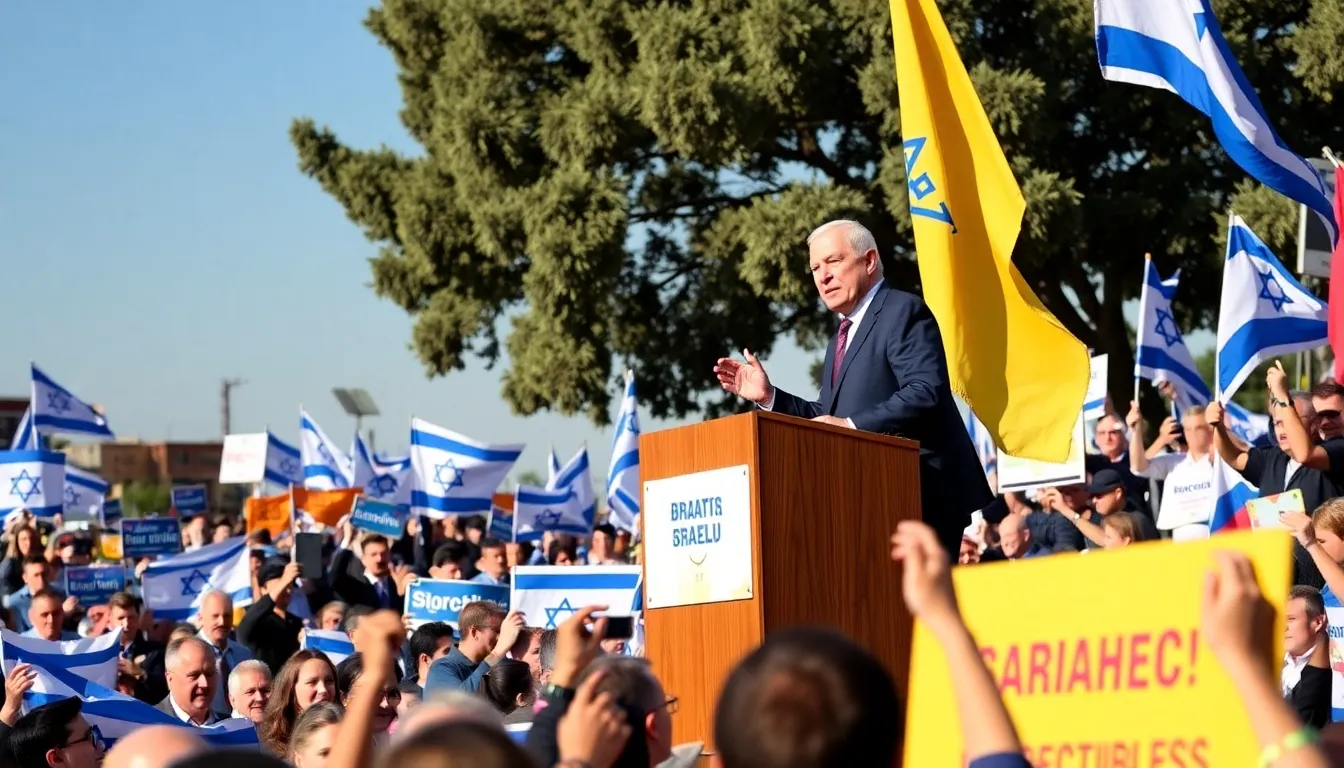
The main issues at stake include:
- Political Legitimacy: The former premiers are questioning Netanyahu’s ability to govern effectively, citing ongoing corruption trials and a perceived decline in democratic norms.
- Economic Policies: The coalition is advocating for reforms to address rising living costs and economic inequality, which have become central concerns for many Israeli citizens.
- Security Concerns: With ongoing tensions in the region, the former leaders emphasize the need for a cohesive security strategy that balances military action with diplomatic efforts.
- Social Issues: The group is also focusing on issues such as minority rights and the treatment of various ethnic groups within Israel, aiming to foster a more inclusive society.
- International Relations: The coalition seeks to reshape Israel’s foreign policy, particularly its relations with the United States and neighboring Arab countries, emphasizing dialogue over confrontation.
This political maneuvering reflects deeper societal divisions within Israel, as various groups vie for influence and representation. The outcome of this election challenge could significantly alter the trajectory of Israeli politics and its approach to both domestic and international challenges.
Potential effects on Israeli society and the political market
The recent coalition of former Israeli premiers aiming to oust Prime Minister Netanyahu could significantly impact various groups within Israeli society, including political parties, voters, and specific industries. The political landscape may shift dramatically, affecting not only the current government but also the broader public sentiment toward governance and leadership.
In the short term, the immediate effects may be felt in urban areas where political rallies and campaigns are likely to ramp up. Voter engagement could increase as citizens mobilize around the opposition, potentially leading to higher voter turnout in upcoming elections. This surge in political activity can also influence local businesses, particularly those in hospitality and retail sectors, as campaign events draw crowds.
Mid-term impacts could see changes in policy direction, especially in areas such as economic reform, security, and social issues. If the opposition succeeds, policies may shift towards more progressive frameworks, which could benefit certain industries, such as technology and renewable energy, while posing risks to traditional sectors that may find themselves under scrutiny or facing regulatory changes.
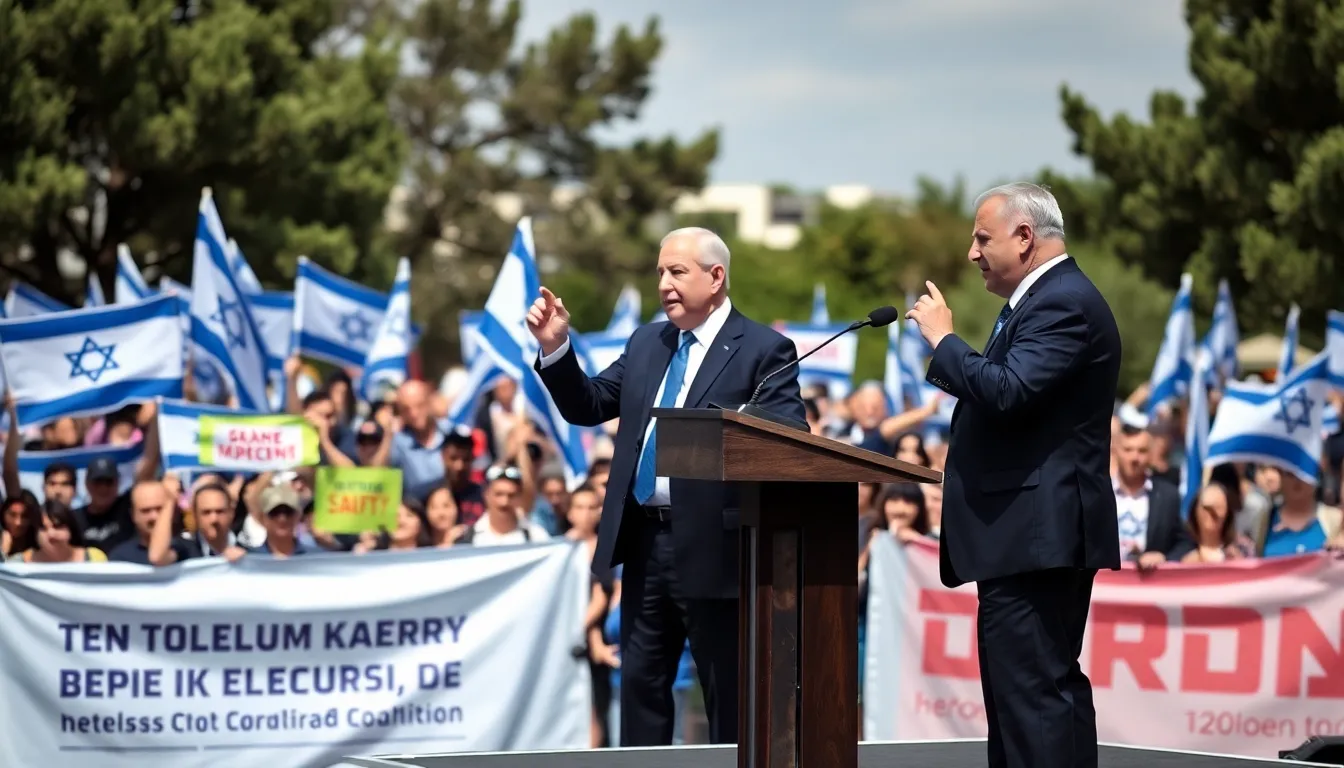
- Political Parties: Increased competition may lead to a more dynamic political environment.
- Voter Engagement: Heightened awareness and participation among the electorate.
- Business Opportunities: Potential growth in sectors aligned with new policies.
- Regulatory Risks: Industries may face challenges due to shifting regulations.
Overall, while the bid to unseat Netanyahu presents risks, particularly for established political norms and industries resistant to change, it also offers opportunities for innovation and reform that could reshape the Israeli landscape for years to come.
A: The coalition includes notable figures such as Ehud Barak, Naftali Bennett, and others who have previously held the office of Prime Minister. A: The coalition aims to present a united front against Netanyahu’s administration, focusing on issues such as governance, security, and social justice. A: They intend to leverage their collective experience and address public concerns by proposing alternative policies that resonate with the electorate. A: The coalition may encounter obstacles such as internal disagreements, voter apathy, and the strong political machinery of Netanyahu’s party. A: The elections are set to occur in the upcoming months, with specific dates yet to be confirmed by the electoral commission.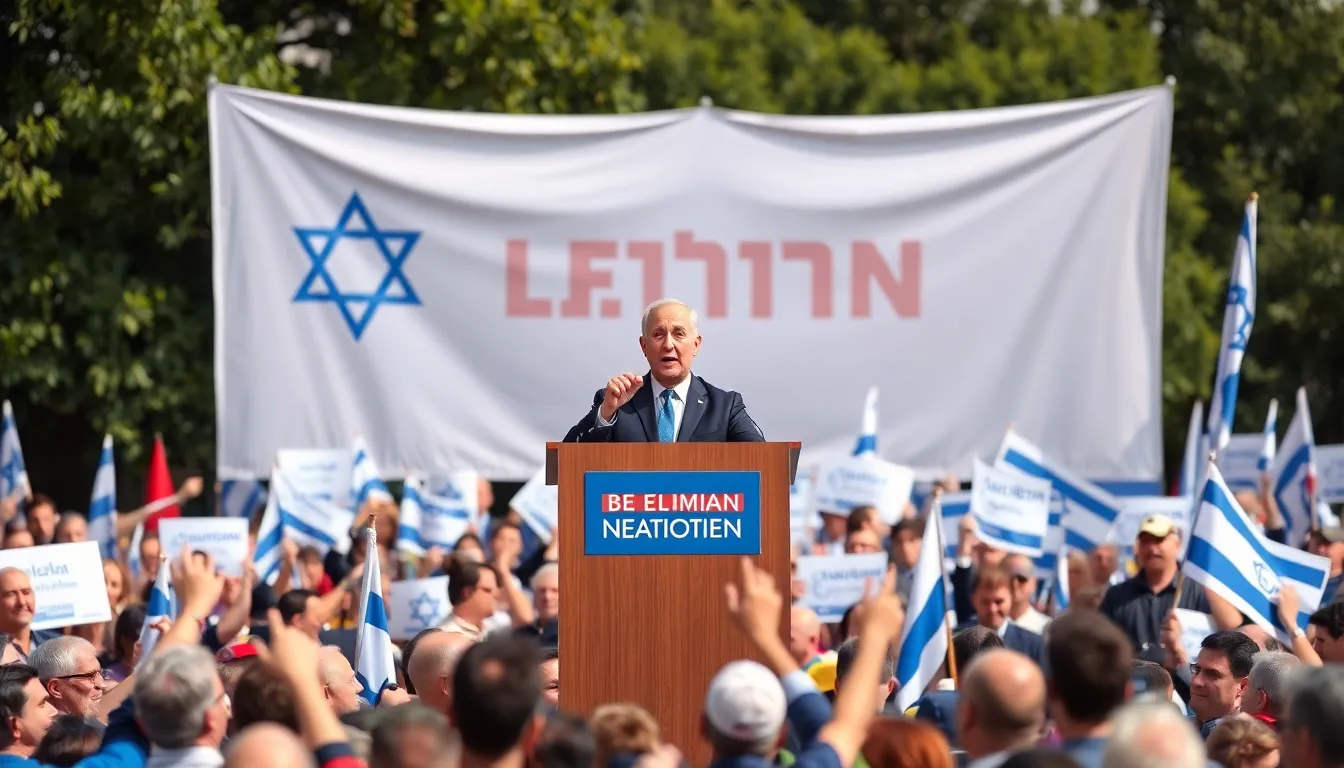
Frequently Asked Questions about the election challenge
Looking ahead: key takeaways and future implications
The political landscape in Israel is undergoing a significant transformation as former Prime Ministers unite in a concerted effort to challenge Benjamin Netanyahu’s longstanding leadership. This coalition not only signifies a shift in political alliances but also highlights the growing discontent among voters regarding current governance. As the elections approach, the dynamics of this coalition and its impact on voter sentiment will be crucial to monitor.
Furthermore, the ability of this group to present a cohesive alternative to Netanyahu will determine their success at the polls. The implications of these elections could reshape not only domestic policies but also Israel’s position on the international stage, as a new leadership could bring different priorities and strategies to foreign relations.
- Watch for shifts in voter sentiment as the coalition presents its platform and policies.
- Monitor how effectively the former premiers can unite their bases and appeal to undecided voters.
- Consider the potential impact on Israel’s international relations, especially regarding key allies.
- Observe the role of grassroots movements and public opinion in influencing the election outcome.
- Evaluate the long-term implications for Netanyahu’s political future, regardless of the election results.