
The act, which was signed into law on September 15, 2023, introduces measures that limit rent increases to a maximum of 3% annually. This cap is designed to provide tenants with greater predictability in their housing costs, an essential factor as inflation continues to affect living expenses. For more insights into how inflation impacts housing, you can read about the impact of recent inflation figures. Additionally, landlords are now required to provide a minimum of 90 days’ notice before any rent increase, giving tenants more time to adjust their budgets.
Another critical aspect of the legislation is the enhanced eviction protections it offers. Under the new law, landlords must provide a valid reason for eviction, such as non-payment of rent or violation of lease terms, rather than being able to terminate leases at will. This shift aims to reduce the number of unjust evictions and provide tenants with a sense of stability in their housing situations. Understanding these changes is crucial for both tenants and landlords alike.
Reactions to the Renters’ Rights Act have been mixed. Tenant advocacy groups have praised the legislation as a step forward in protecting vulnerable renters, while some landlords express concerns about the potential impact on their rental income and property management practices. As both parties navigate these changes, the long-term effects of the act on the rental market remain to be seen.
As the law takes effect, local governments and housing authorities are tasked with enforcing these new regulations. The success of the Renters’ Rights Act will depend on effective implementation and ongoing dialogue between tenants, landlords, and policymakers to ensure that the needs of both parties are met in an evolving housing market.
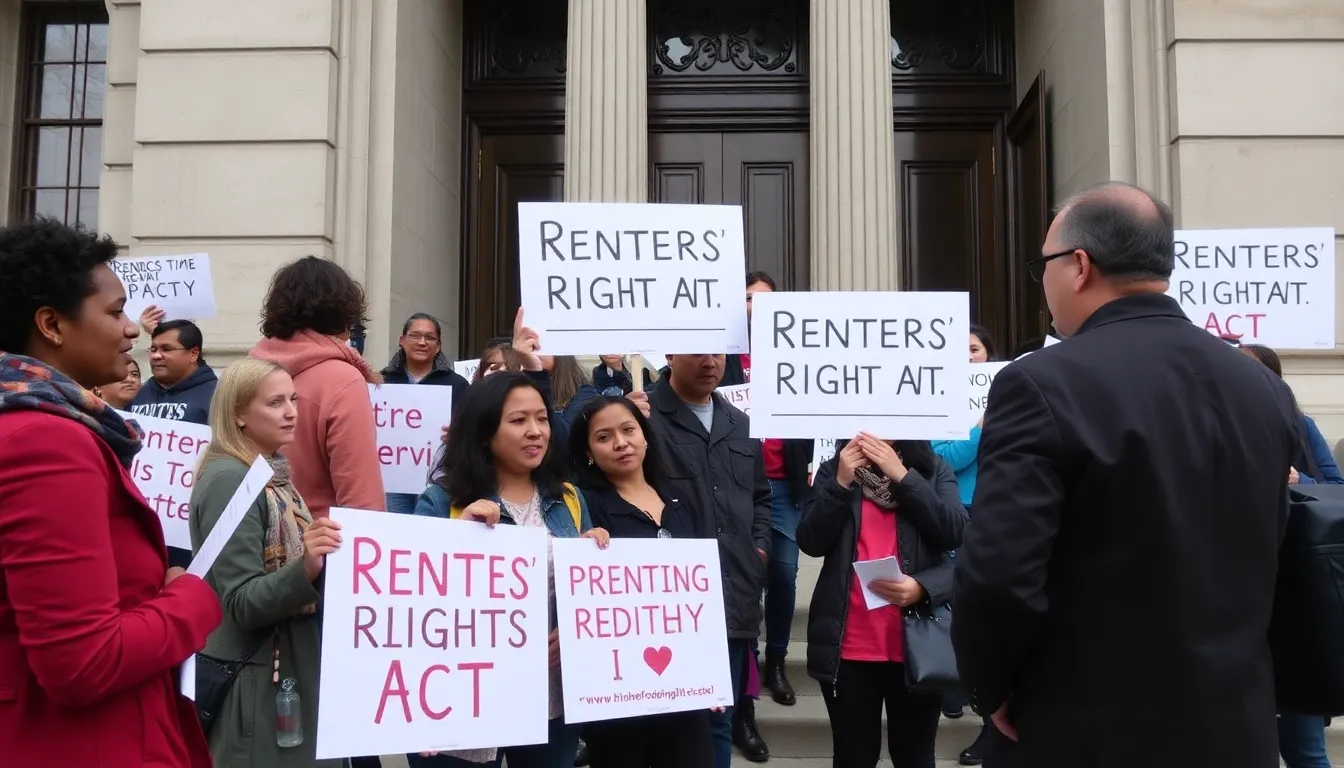
Background on the Development of the Renters’ Rights Act
The Renters’ Rights Act emerged in response to a growing crisis in housing affordability and tenant protections across many urban areas. Over the past few decades, the rental market has faced significant challenges, including rising rents, stagnant wages, and an increase in housing insecurity. As more individuals and families found themselves unable to afford stable housing, advocacy groups began to push for legislative reforms to protect renters’ rights.
Historically, the balance of power in the landlord-tenant relationship has often favored landlords, leaving tenants vulnerable to eviction and exploitation. This imbalance was exacerbated during economic downturns, such as the 2008 financial crisis, which led to widespread foreclosures and an influx of renters into the market. The subsequent demand for rental housing further strained the market, prompting calls for stronger regulations to ensure tenant security and fair treatment.
Key Milestones in Tenant Advocacy
Several key milestones have marked the journey toward the Renters’ Rights Act. In the early 2000s, grassroots movements began to gain traction, highlighting issues like rent control and eviction protections. Landmark cases in various jurisdictions set precedents for tenant rights, with courts increasingly recognizing the need for equitable treatment in rental agreements. The COVID-19 pandemic further amplified these issues, as many tenants faced unprecedented financial hardships, leading to temporary eviction moratoriums and increased public awareness of housing instability.
As public sentiment shifted towards prioritizing housing as a fundamental right, lawmakers began to draft the Renters’ Rights Act, which aimed to address longstanding issues such as rent stabilization, eviction protections, and increased transparency in rental agreements. The Act represents a significant step towards redefining the relationship between tenants and landlords, ensuring that the rights of renters are not only acknowledged but also legally protected. The need for such reforms has been evident as various grassroots movements have advocated for tenant protections and rights.
Key Stakeholders and Issues Surrounding the Act
The Renters’ Rights Act has introduced a range of implications for various stakeholders, including tenants, landlords, housing advocacy groups, and government entities. Each of these actors has distinct interests that shape their perspectives on the legislation.
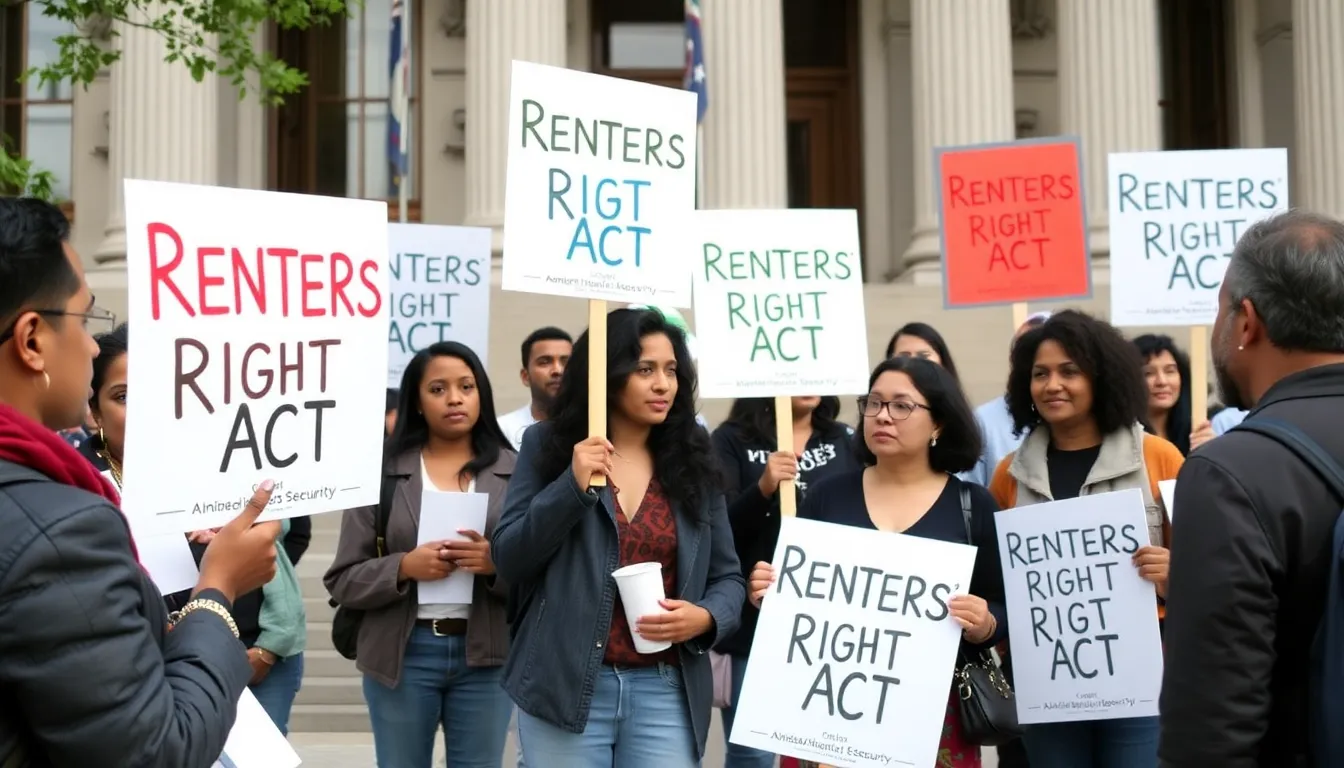
Tenants are primarily concerned with securing their rights to stable and affordable housing. They seek protections against eviction, rent increases, and substandard living conditions. Advocacy groups representing tenants emphasize the need for equitable housing policies that prevent discrimination and ensure access to safe living environments.
On the other hand, landlords face new regulations that may impact their business operations. Many landlords express concerns about the potential for increased costs associated with compliance and the challenge of maintaining profitability in a regulated market. This has led to a tension between the need for tenant protections and the economic realities faced by property owners.
Key issues arising from the Renters’ Rights Act include:
- Eviction Protections: The Act introduces stricter guidelines on eviction processes, which may lead to disputes between landlords and tenants over compliance.
- Rent Control Measures: Limits on rent increases could affect landlords’ revenue streams, prompting debates about the sustainability of rental businesses.
- Maintenance Responsibilities: The Act clarifies the obligations of landlords regarding property maintenance, leading to discussions about the financial burden on property owners.
- Legal Recourse: Enhanced legal protections for tenants mean landlords may face increased litigation risks, influencing their approach to lease agreements.
- Government Oversight: The role of local and state governments in enforcing the Act raises questions about resource allocation and the effectiveness of oversight mechanisms.
As these stakeholders navigate the implications of the Renters’ Rights Act, it is essential to consider the broader economic landscape and the potential for compromise that could benefit both tenants and landlords. Balancing the rights of tenants with the operational needs of landlords will be crucial in shaping the future of housing policy.
Impact on Tenants and Landlords in the Housing Market
The Renters’ Rights Act is poised to significantly affect various groups, including tenants, landlords, real estate professionals, and property management companies. Regions with high rental demand, such as urban centers, are likely to see the most immediate impact. The act aims to enhance tenant protections, which could reshape the dynamics of rental agreements and landlord responsibilities.
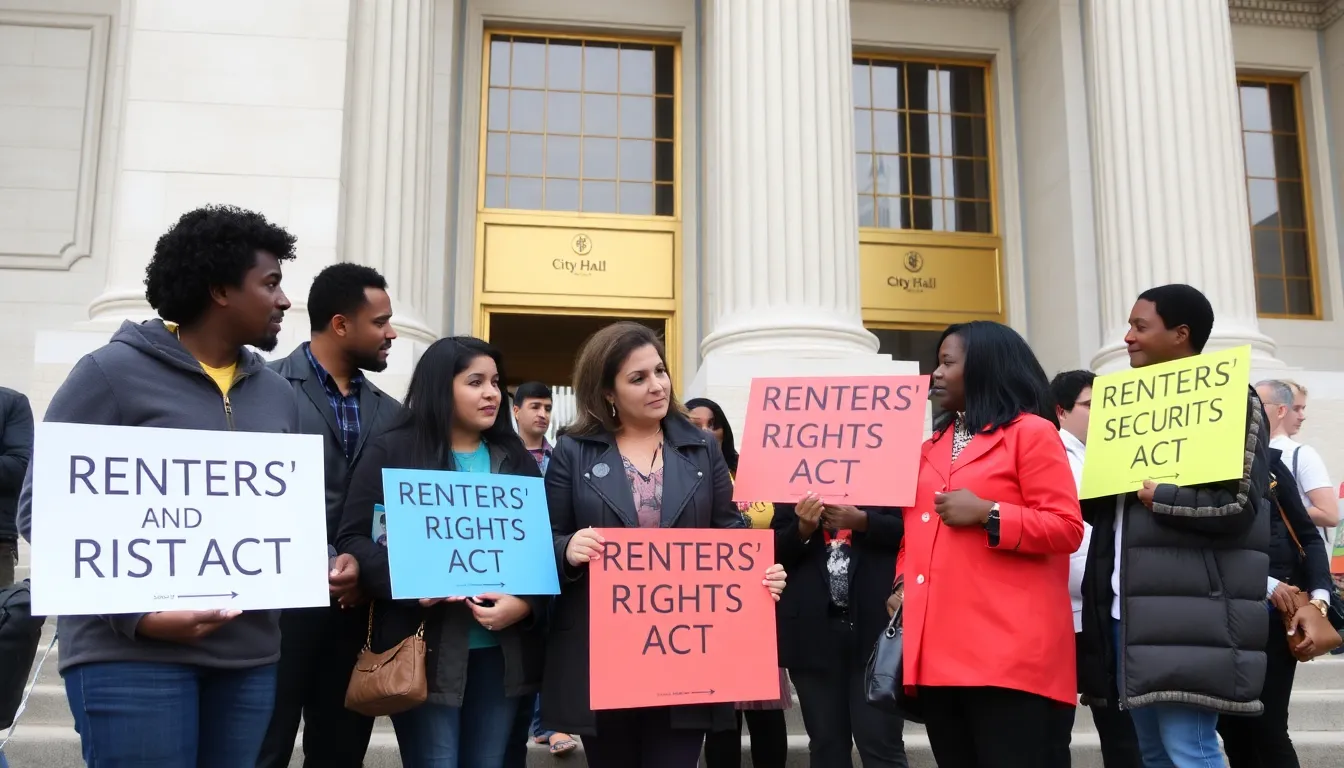
In the short term, tenants may experience increased security and stability in their housing situations. Key provisions of the act, such as limits on rent increases and enhanced eviction protections, could lead to a more favorable living environment for renters. However, landlords may face challenges adjusting to new regulations, which could lead to higher operational costs and potential changes in rental pricing strategies.
In the mid-term, the act may lead to a more balanced housing market. While some landlords may choose to exit the rental market due to increased regulations, others may find opportunities to invest in property improvements to attract quality tenants. The act could also encourage the development of affordable housing projects, benefiting both tenants and local economies.
- Short-term impacts: Increased tenant security, potential rise in operational costs for landlords.
- Mid-term impacts: Possible market exit by some landlords, investment opportunities for others.
- Risks: Potential for reduced rental inventory if landlords withdraw.
- Opportunities: Growth in affordable housing initiatives and tenant-focused services.
Overall, the Renters’ Rights Act has the potential to foster a more equitable housing environment, but it also presents challenges that both tenants and landlords must navigate carefully. The evolving landscape of the rental market will require adaptation from all stakeholders involved.
A: The Renters’ Rights Act introduces several key changes, including enhanced protections for tenants against eviction and improved transparency in rental agreements. A: Landlords will need to adjust their practices to comply with new regulations, which may include providing more detailed lease agreements and adhering to stricter eviction processes. A: Yes, landlords who fail to comply with the Renters’ Rights Act may face penalties, including fines and potential legal action from tenants. A: Tenants should document any violations and seek assistance from local tenant advocacy groups or legal counsel to understand their options. A: While the act aims to protect tenants, its impact on rental prices will depend on how landlords adjust to the new regulations and the overall market conditions.
Frequently Asked Questions About the Renters’ Rights Act
Key Takeaways and Future Outlook on Renters’ Rights
The implementation of the Renters’ Rights Act marks a significant shift in the balance of power between tenants and landlords. By enhancing protections for renters, the Act aims to create a more equitable rental market. As both parties adjust to these new regulations, understanding the implications will be crucial for navigating future rental agreements and disputes.
Landlords may need to reconsider their leasing strategies, while tenants should become more aware of their rights and the resources available to them. This evolving landscape suggests that ongoing dialogue and education will be essential to ensure compliance and foster positive landlord-tenant relationships.
- Increased Security for Tenants: Tenants can expect enhanced protections against unjust evictions and rent hikes, promoting stability in their housing situations.
- Landlord Adaptation: Landlords may need to invest in property management training to comply with new regulations and maintain positive relationships with tenants.
- Rising Demand for Rental Assistance: As awareness of tenant rights grows, there may be an uptick in demand for legal and financial assistance services for renters.
- Potential for Policy Adjustments: Ongoing evaluation of the Act may lead to future amendments based on its effectiveness and feedback from both tenants and landlords.
- Community Engagement: Local organizations may play a vital role in educating both tenants and landlords about their rights and responsibilities under the new law.