
The findings raise serious concerns about public safety and the potential normalization of drug culture in everyday retail environments. Mini-marts, typically viewed as convenient local shops, are now implicated in facilitating illegal drug transactions, which could have far-reaching implications for community health and crime rates. For insights into unrelated criminal activities, check out the article on South Korea police arrest man for posting AI photo of runaway wolf.
According to the investigation, several mini-mart employees were caught on camera openly discussing drug sales and even providing information on how to obtain various substances. This behavior highlights a troubling trend where illicit drug sales are becoming more accessible, particularly to younger individuals who frequent these shops.
The issue has prompted calls for immediate action from local authorities and law enforcement agencies. Stakeholders are urging for stricter regulations and increased monitoring of mini-marts to combat the rising tide of drug-related activities in these spaces, emphasizing the need for community awareness and intervention.
Understanding the rise of mini-marts and drug trade
The proliferation of mini-marts in urban areas can be traced back to the late 20th century, when convenience shopping began to gain popularity. These small retail outlets have become staples in many communities, providing easy access to groceries and household essentials. However, their growth has also created opportunities for illicit activities, particularly in neighborhoods where economic challenges prevail.

Historically, areas with high unemployment rates and limited access to legitimate job opportunities have seen a rise in underground economies. As mini-marts often operate with less oversight compared to larger retailers, they can become hotspots for the sale of illegal substances. The combination of economic desperation and the availability of quick cash has made these establishments attractive to individuals involved in the drug trade.
The impact of legislation and enforcement
The legal landscape surrounding drug use and distribution has evolved significantly over the past few decades. While some regions have moved towards decriminalization and harm reduction strategies, others maintain strict enforcement policies. This inconsistency can lead to a situation where mini-marts exploit legal loopholes to operate outside the law, contributing to the ongoing drug crisis in many urban areas.
Moreover, the COVID-19 pandemic exacerbated existing vulnerabilities, as many individuals turned to alternative sources of income amidst job losses. This has further blurred the lines between legitimate business and illegal activity, allowing mini-marts to become conduits for the distribution of drugs such as cocaine, cannabis, and prescription medications. The recent BBC investigation highlights the urgent need for comprehensive policy reform and community engagement to address these intertwined issues.
In summary, the rise of mini-marts as centers for drug trade is a multifaceted issue rooted in historical, economic, and legislative contexts. Understanding these factors is crucial for developing effective responses to combat the illegal drug market that continues to thrive in many communities.
Key stakeholders and issues surrounding drug sales
The recent revelations about High Street mini-marts selling illicit substances such as cocaine, cannabis, and prescription drugs have raised significant concerns among various stakeholders. These include local communities, law enforcement agencies, government bodies, and the retailers themselves. Each of these actors has distinct interests that shape their responses to the issue, highlighting the need for a balanced approach similar to the considerations discussed in the piece on Exploring the Impact of BBC Inside Science.
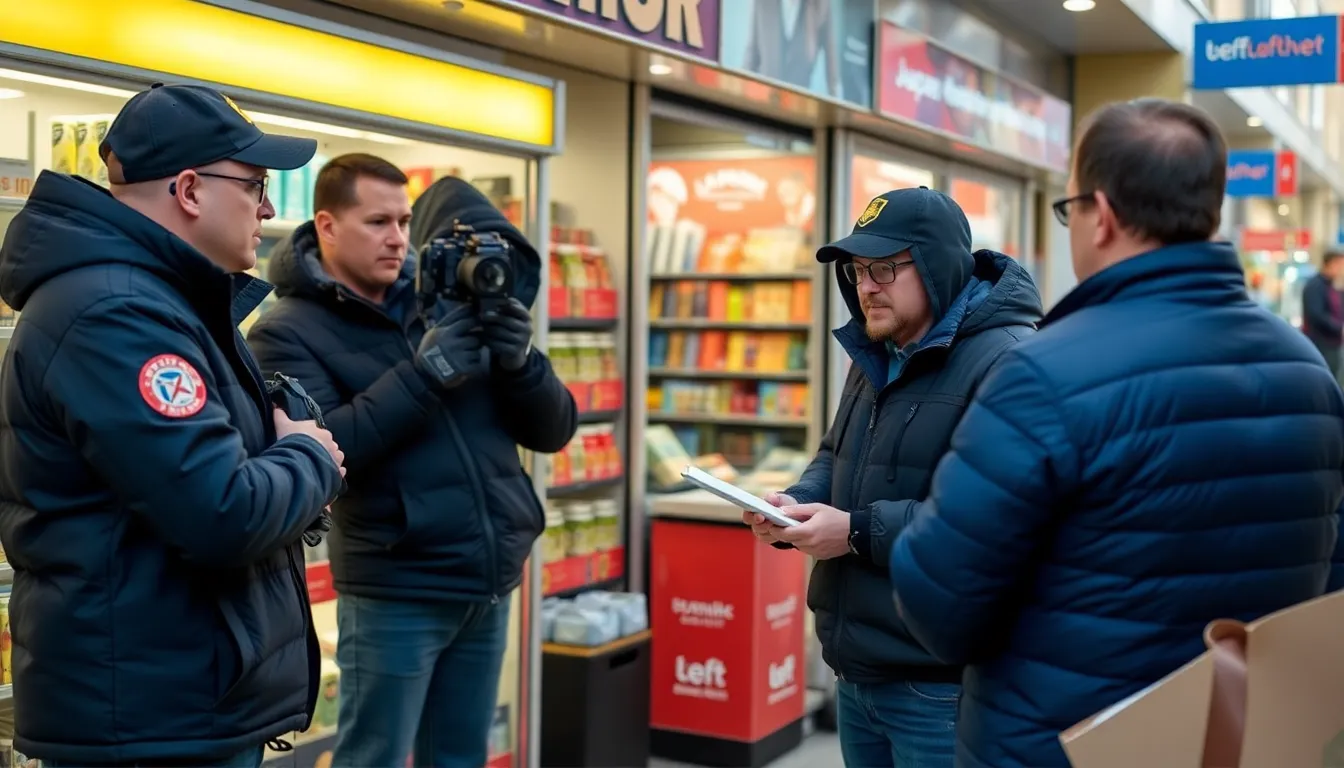
Local communities are primarily concerned about the impact of drug sales on public safety and health. The presence of drugs in mini-marts may lead to increased crime rates, addiction issues, and a general decline in neighborhood quality. Residents may feel unsafe, prompting calls for stricter regulations and enforcement actions from local authorities.
Law enforcement agencies face the challenge of balancing the enforcement of drug laws with community relations. Increased policing in these areas may lead to tensions between officers and residents, especially if perceived as heavy-handed. Additionally, the allocation of resources to combat drug sales can strain budgets and divert attention from other pressing community issues.
Government bodies, including local councils and health departments, are tasked with addressing the public health implications of drug availability. This includes potential trade-offs between enforcement and harm reduction strategies. For instance, while cracking down on illegal sales may reduce access to drugs, it could also push users to more dangerous alternatives.
- Public Safety: Concerns over increased crime and addiction in local communities.
- Law Enforcement Challenges: Balancing effective policing with community relations.
- Regulatory Responses: Government strategies to manage drug sales and public health.
- Economic Considerations: Impact on local businesses and the economy due to enforcement actions.
- Community Engagement: The need for dialogue between residents, law enforcement, and government to address the issue.
Impact on communities and public health
The revelation of High Street mini-marts selling illegal substances such as cocaine, cannabis, and prescription drugs has far-reaching implications for various groups, including local residents, law enforcement, health services, and the retail industry. Communities already grappling with substance abuse issues may find these activities exacerbating existing problems, leading to increased crime rates and public health concerns.

In the short term, the availability of these drugs in easily accessible locations can lead to a spike in local drug use, particularly among vulnerable populations such as teenagers and those with pre-existing addiction issues. This immediate impact may strain local health services as they deal with increased cases of overdose and substance-related health complications.
Mid-term effects may include a shift in community dynamics, where trust in local businesses erodes as residents become wary of their surroundings. This could lead to a decline in foot traffic for legitimate businesses, ultimately affecting the local economy. Additionally, local law enforcement may face the challenge of addressing this new wave of drug distribution, potentially leading to increased policing and legal actions against these establishments.
- Health Risks: Increased substance abuse and related health crises.
- Economic Impact: Decline in legitimate business revenue and local economy.
- Community Trust: Erosion of trust in local businesses and public spaces.
- Policy Changes: Potential for stricter regulations on retail establishments.
On the flip side, this situation may present opportunities for community engagement and policy reform. Local governments and health organizations might be prompted to implement educational campaigns about the dangers of drug use and the importance of mental health resources. Furthermore, there could be a push for stricter regulations on retail sales, which may lead to a cleaner and safer environment in the long run.
A: The investigation was prompted by rising concerns from the community about drug availability in local shops. Reports of suspicious activities led to undercover filming to uncover the truth. A: The investigation revealed that mini-marts are selling a range of illegal substances, including cocaine, cannabis, and prescription medications without proper authorization. A: Local authorities are currently reviewing the findings and are expected to increase inspections and enforcement actions against these establishments to curb illegal activities. A: Owners found selling illegal drugs could face severe legal repercussions, including fines and imprisonment, depending on the extent of their involvement in drug trafficking. A: The presence of drug sales in mini-marts can lead to increased crime rates, public health issues, and a general decline in community safety and trust.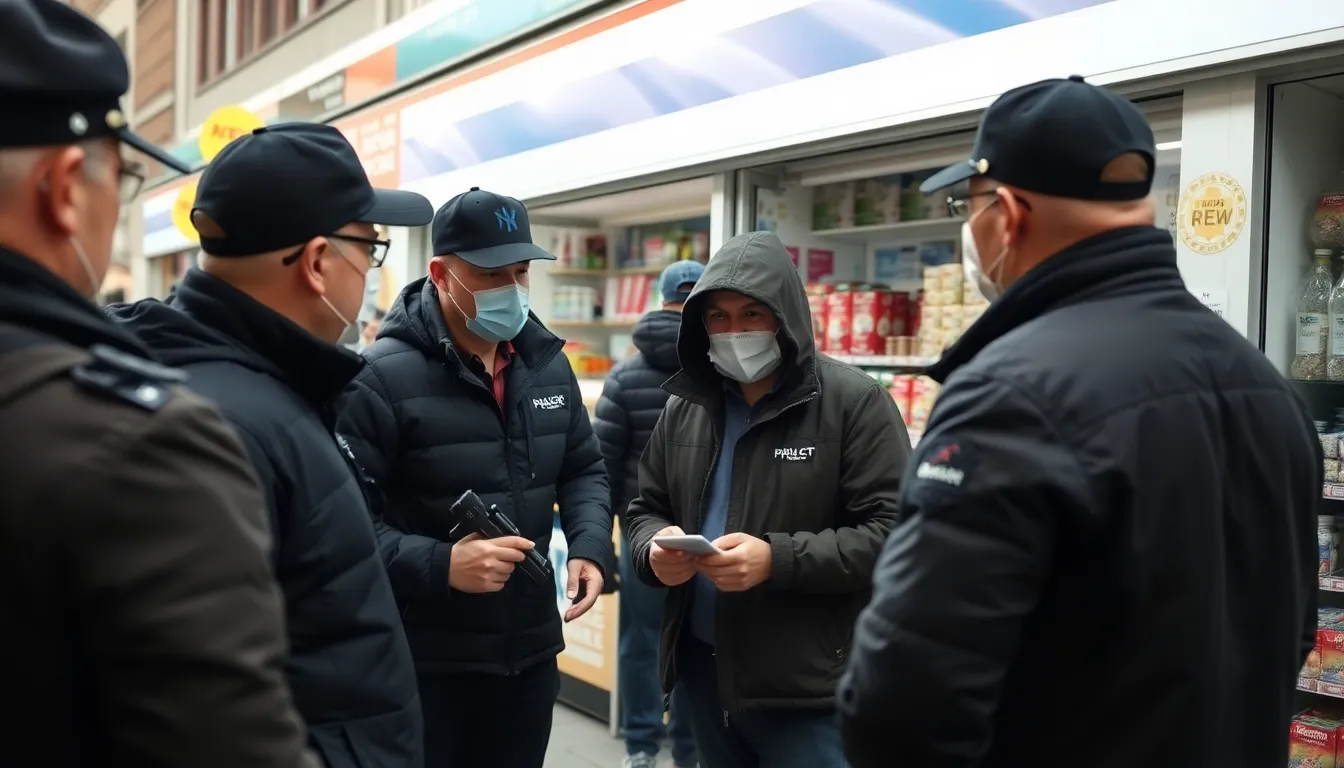
Frequently asked questions about drug sales in mini-marts
Outlook on the future of drug regulation and mini-marts
The recent revelations regarding high street mini-marts engaging in the sale of illegal substances highlight a significant gap in current drug regulation and enforcement. These establishments, often perceived as convenient local shops, have become unexpected hubs for the distribution of cocaine, cannabis, and prescription medications, raising urgent questions about public safety and the effectiveness of existing laws.
As authorities grapple with the implications of these findings, it is crucial to consider the potential for legislative reforms and enhanced oversight. The situation calls for a comprehensive approach that not only addresses the immediate issues but also anticipates future challenges in drug regulation.
- Increased Regulation: Expect calls for stricter regulations governing mini-marts, potentially leading to more robust licensing requirements and regular inspections.
- Community Engagement: Local communities may become more involved in advocating for safer retail environments, influencing policy changes at the municipal level.
- Public Health Initiatives: The rise in drug availability may prompt public health campaigns aimed at educating citizens about the risks associated with substance use.
- Law Enforcement Strategies: Law enforcement agencies may need to adapt their strategies to effectively address the evolving landscape of drug distribution in retail settings.