
According to a survey conducted by the National Association of Theatre Owners in 2023, nearly 70% of respondents noted that they have encountered disruptive patrons during their visits. This statistic highlights a growing concern within the industry as cinemas strive to provide a comfortable environment for viewers. The impact of such behaviors extends beyond individual experiences, potentially affecting box office sales and audience turnout. For more on societal impacts, check out the article on climate protesters.
Several high-profile incidents have further fueled the conversation around cinema etiquette. For instance, a viral video in early 2023 showcased a heated exchange between patrons over phone usage during a screening, drawing widespread attention on social media platforms. Such events underline the urgent need for cinemas to address these issues through clearer policies and enhanced staff training.
As the film industry continues to recover from the effects of the pandemic, maintaining a respectful atmosphere in theaters is crucial for attracting audiences back. Many cinemas are now exploring solutions such as designated “quiet screenings” or implementing stricter rules regarding phone usage. These measures aim to enhance the overall movie-going experience and restore the communal enjoyment of films.
Understanding the cinema experience and its challenges
The cinema has long been a cherished space for storytelling, offering audiences an escape into different worlds through film. Since the early 20th century, the experience of watching a movie has evolved significantly, from silent films in small theaters to the grand multiplexes of today. However, with this evolution has come a range of challenges that can detract from the enjoyment of the cinematic experience, particularly the disruptive behavior of fellow patrons.
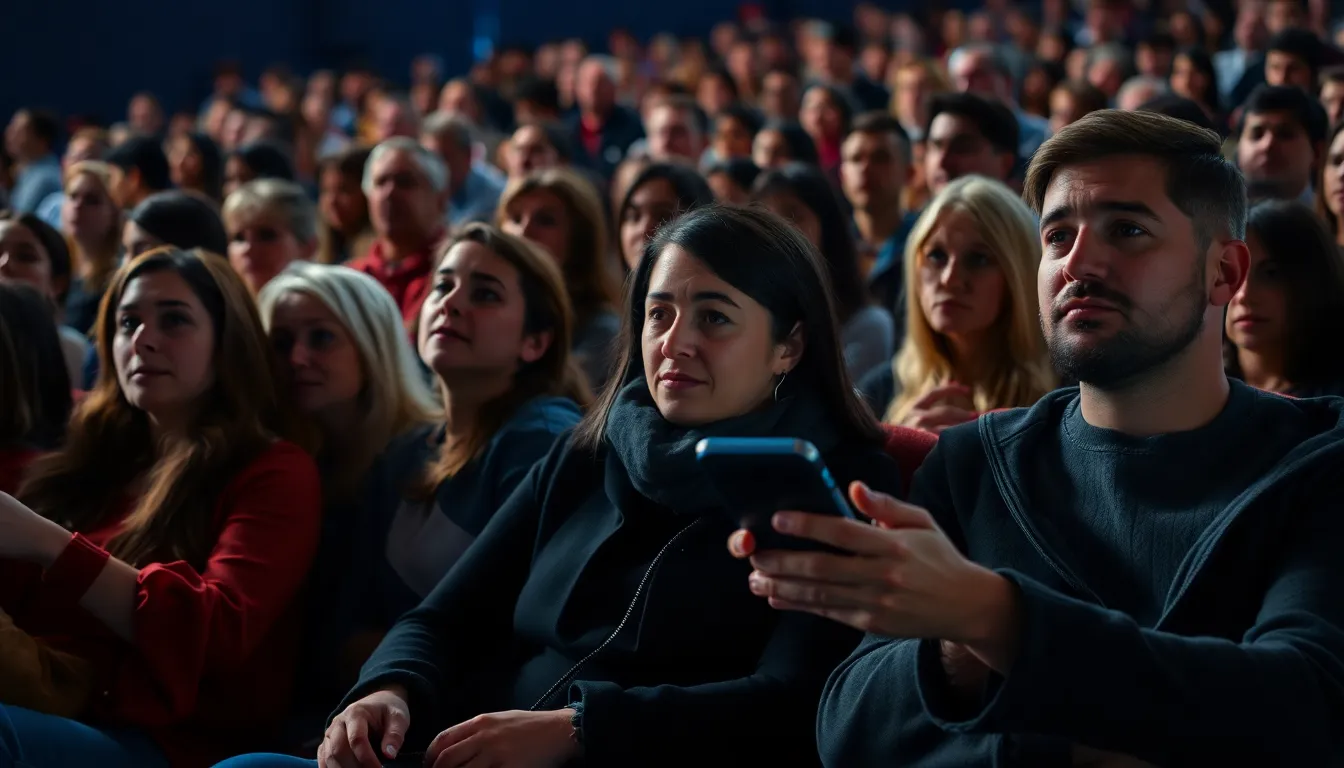
One of the most notable issues faced in modern cinemas is the rise of distractions, particularly from mobile phones. The introduction of smartphones in the late 2000s revolutionized communication but also brought about a new set of etiquette challenges. Patrons often find themselves battling the glow of screens and the sounds of notifications, which can interrupt the immersive experience that cinema aims to provide.
Additionally, loud eaters have become a common grievance among moviegoers. The combination of crinkling wrappers, crunching popcorn, and slurping drinks can create an atmosphere that is less than conducive to enjoying a film. This phenomenon can be traced back to the commercialization of the cinema experience, where concessions have become a significant revenue stream for theaters, often at the expense of the audience’s comfort. You can read more about the evolving challenges in public spaces in the article about artificial grass.
The shift in audience behavior
As cinema culture has shifted, so too has audience behavior. The rise of social media has encouraged a trend where individuals feel compelled to document their experiences in real-time, often leading to distractions for themselves and those around them. This shift has raised questions about the collective responsibility of audiences to maintain a respectful environment, as well as the role of cinema operators in enforcing etiquette standards.
These challenges are not just isolated incidents; they reflect broader societal changes in how we interact with one another in shared spaces. As cinemas continue to adapt to these evolving dynamics, the struggle to preserve the sanctity of the movie-watching experience remains a significant concern for both audiences and theater owners alike.
Examining the impact of noise and distractions on movie enjoyment
The cinema experience is often regarded as a communal activity, where audiences come together to immerse themselves in storytelling. However, recent reports indicate that loud eaters and mobile phone usage during screenings have become significant distractions, detracting from this shared experience. This situation involves various stakeholders, including moviegoers, cinema operators, and content creators.
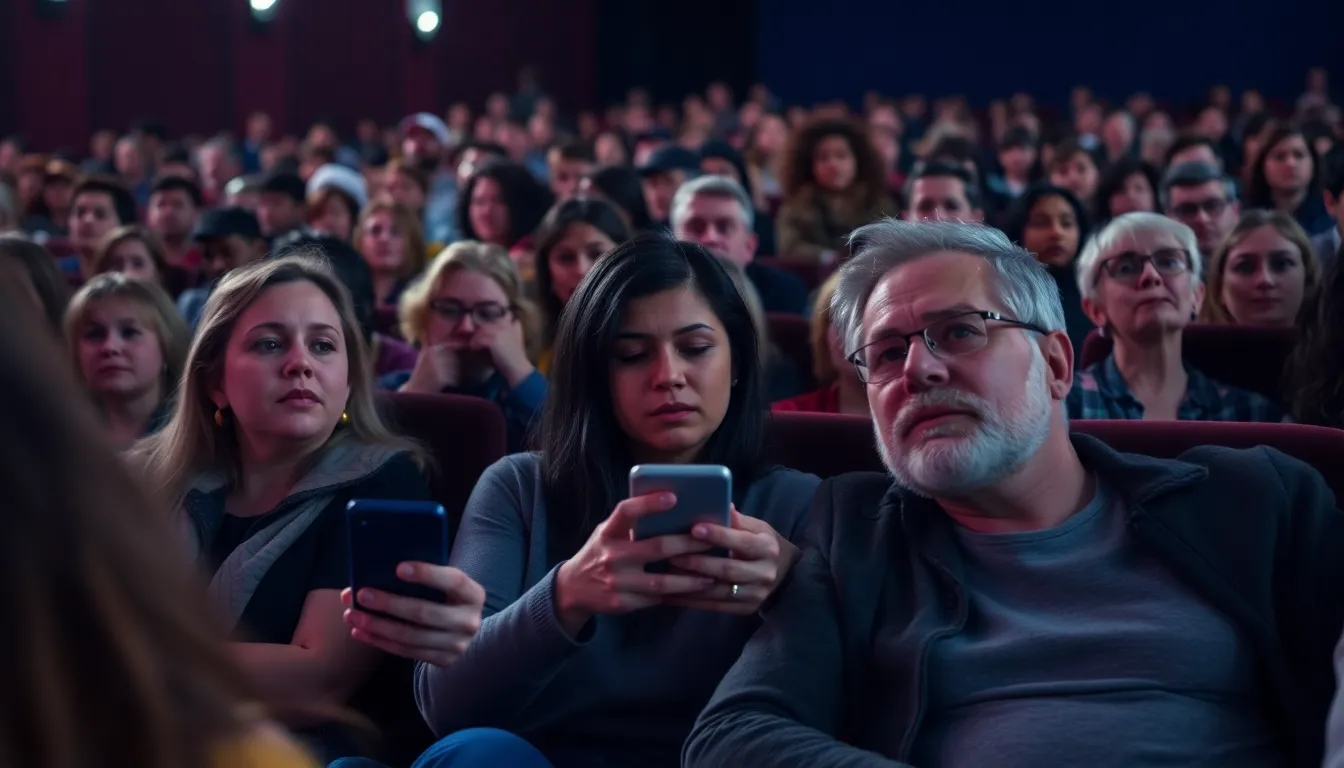
Moviegoers, who primarily seek entertainment and an escape from reality, have a vested interest in maintaining a quiet and respectful environment. They often express frustration over disruptive behaviors, which can lead to a diminished viewing experience. Cinema operators, on the other hand, face the challenge of balancing customer satisfaction with operational policies that may not effectively address noise complaints.
Key issues arise from the divergent interests of these stakeholders. For instance, while some patrons may feel empowered to voice their concerns about disruptive behaviors, others might hesitate to speak up due to fear of confrontation. This can create a cycle of discomfort and dissatisfaction. Additionally, the rise of smartphones has introduced a new layer of complexity, as the blue light from screens and the sounds of notifications can be particularly distracting.
- Conflicting Interests: Moviegoers desire a peaceful environment, while others may prioritize their personal enjoyment over communal norms.
- Economic Considerations: Cinemas rely on ticket sales and concessions, which may lead them to overlook minor disturbances to avoid alienating customers.
- Legal Issues: The enforcement of policies regarding noise and phone usage may raise questions about patrons’ rights and the cinema’s responsibility to ensure a pleasant atmosphere.
- Social Dynamics: The social etiquette of addressing disruptive behaviors varies among different audiences, complicating the resolution of conflicts.
Ultimately, the interplay of these factors highlights the need for a broader dialogue about cinema etiquette and the responsibilities of both patrons and operators in fostering an enjoyable viewing experience. As the industry evolves, addressing these distractions may become increasingly important for maintaining audience engagement and satisfaction. For insights into creative expressions that can enhance experiences, consider reading the review on Anohni’s songbook reinventions.
Who is affected by these disturbances in theaters
The disturbances caused by loud eaters and phone usage during cinema screenings have a wide-ranging impact on various groups, including moviegoers, cinema operators, and even film producers. The experience of watching a film is compromised for audiences, leading to frustration and dissatisfaction.
In the short term, audiences may choose to avoid theaters altogether, opting for at-home streaming services instead. This shift can significantly affect the cinema industry’s revenue, particularly for independent theaters that rely on ticket sales for survival. The immediate response from consumers may lead to a decline in attendance, impacting jobs and local economies that depend on cinema-related activities.
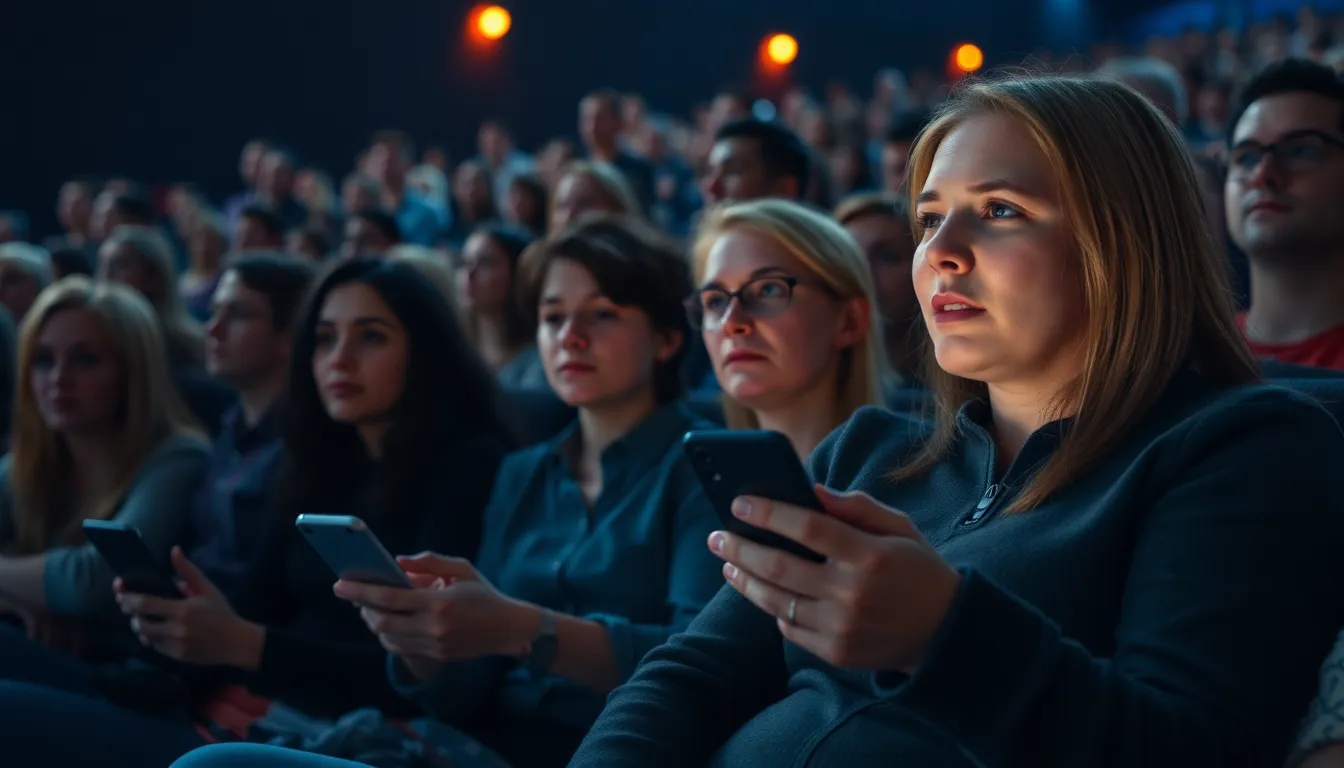
In the mid-term, the industry may face increased pressure to implement policies that enhance the viewing experience. This could include stricter regulations on phone usage and clearer guidelines on acceptable behavior during screenings. While this may create operational challenges, it also presents an opportunity for cinemas to differentiate themselves by promoting a more respectful viewing environment.
- Increased consumer dissatisfaction and potential loss of audience.
- Revenue decline for theaters, especially independent ones.
- Opportunity for cinemas to innovate and improve customer experience.
- Potential policy changes to regulate behavior in theaters.
Moreover, the conversation around these disturbances may lead to broader discussions about etiquette in public spaces. As more people voice their concerns, there is potential for community-driven initiatives aimed at fostering a more respectful cinema culture, benefiting all stakeholders involved.
A: Loud eaters may not realize their eating habits are disruptive. Some might be unaware of the noise they create while enjoying snacks. A: Cinemas can implement stricter policies on phone usage, including reminders before the film starts and staff monitoring during screenings. A: Yes, several studies indicate that noise levels can significantly detract from the viewing experience, leading to dissatisfaction among audiences. A: It’s advisable to speak to a staff member, who can address the situation discreetly without escalating the issue. A: Yes, many moviegoers report similar experiences, highlighting a growing concern about cinema etiquette.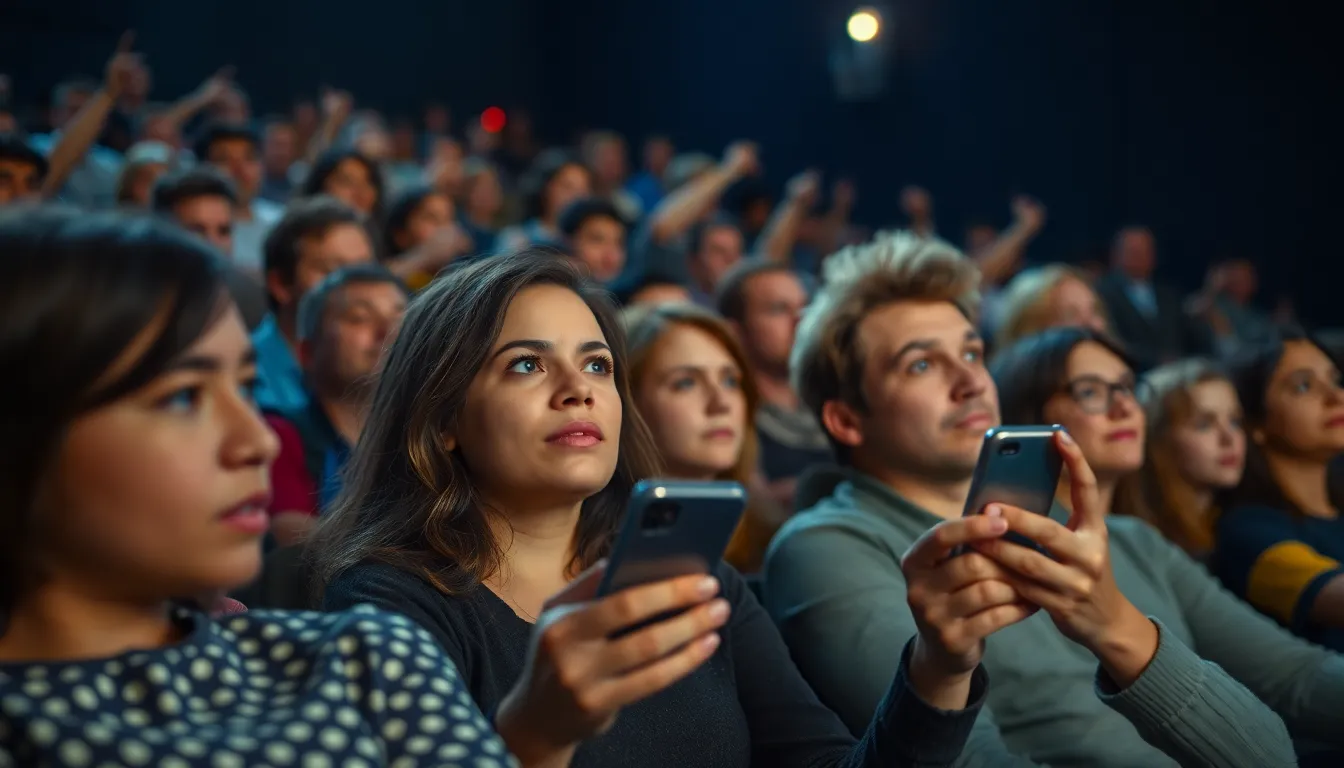
Common questions about cinema disruptions
Key takeaways and future outlook on cinema etiquette
As cinema-goers continue to navigate the shared experience of watching films, the challenges posed by disruptive behaviors like loud eating and phone usage have become increasingly apparent. These factors not only detract from individual enjoyment but may also influence overall attendance and the communal atmosphere that cinemas strive to maintain.
Moving forward, it is essential for both audiences and cinema operators to address these issues proactively. By fostering a culture of respect and awareness, the cinema experience can be preserved for everyone, ensuring that films remain a cherished form of entertainment.
- Encourage Communication: Cinema operators should consider campaigns that remind patrons of the importance of maintaining a respectful environment.
- Implement Policies: Establishing clear policies regarding phone usage and disruptive eating could help set expectations for behavior during screenings.
- Promote Mindful Viewing: Audiences can benefit from being more conscious of their own behaviors, understanding how they impact fellow viewers.
- Enhance Cinema Design: Innovations in cinema design, such as soundproofing and seating arrangements, could minimize disturbances and improve the overall experience.
- Feedback Mechanisms: Providing a platform for audience feedback can help cinemas identify and address common issues related to etiquette.