
The release of this footage comes as NASA continues to analyze the data collected during the mission, which aimed to test the spacecraft’s systems and performance under space conditions. The Orion capsule traveled over 1.4 million miles, providing valuable insights into how it can support astronauts on upcoming lunar expeditions. This successful test flight lays the groundwork for the planned Artemis II mission, which aims to carry astronauts around the Moon in the near future.
The hatch opening was executed by recovery teams who worked swiftly to ensure the safety of the capsule and its systems. This operation involved coordination between multiple agencies and personnel, highlighting the collaborative efforts required in space exploration. As the footage circulates, it serves to inspire public interest and support for NASA’s ongoing endeavors in human spaceflight.
This moment not only represents a technological achievement but also reinforces the commitment to returning humans to the Moon and eventually to Mars. The Artemis program aims to establish a sustainable human presence on the lunar surface, paving the way for future exploration beyond Earth. The successful retrieval and assessment of the Orion capsule will play a significant role in shaping the future of space travel.
Understanding the significance of the Orion capsule mission
The Orion capsule mission represents a pivotal moment in the history of space exploration, marking humanity’s return to deep space after decades of focusing primarily on low Earth orbit. Developed by NASA, the Orion spacecraft is designed to carry astronauts beyond the International Space Station, with aspirations of reaching Mars and other celestial bodies. This mission is not just a technological endeavor; it is a testament to international collaboration and the enduring human spirit of discovery.
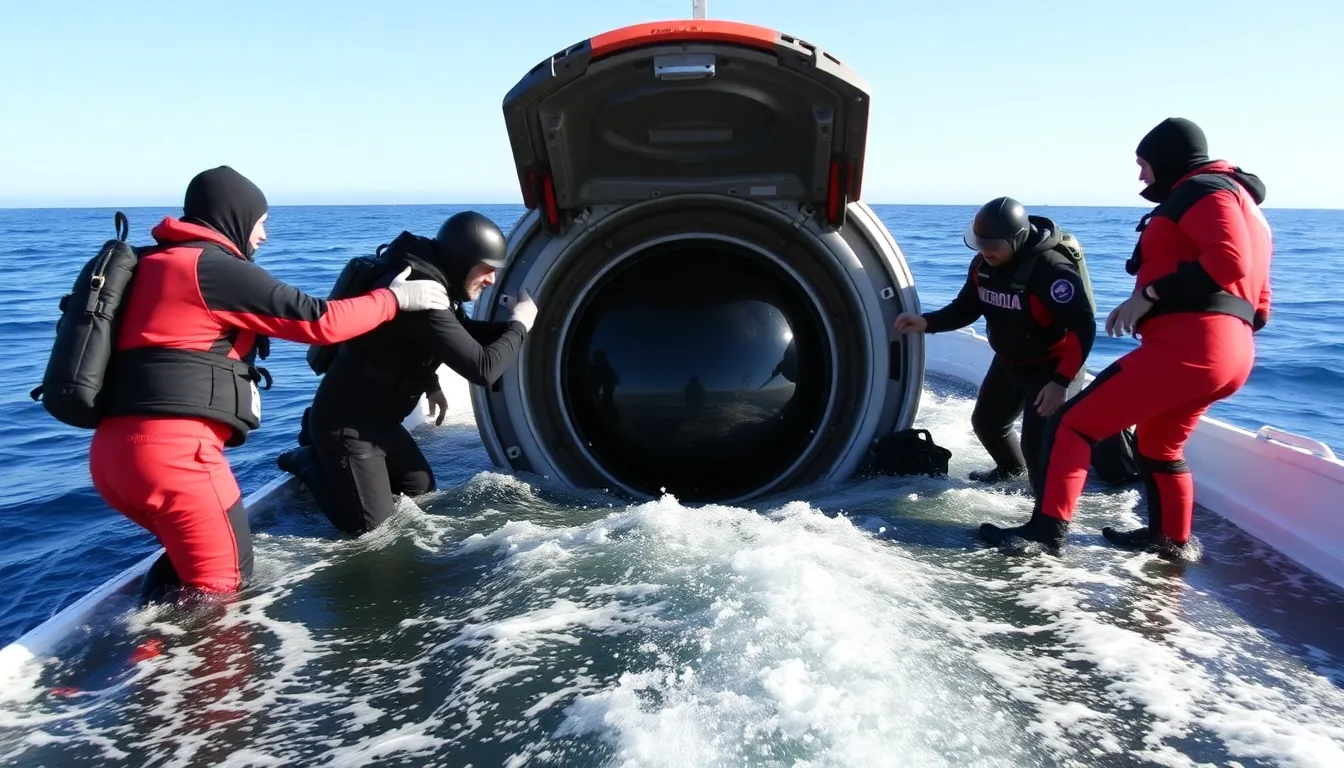
Historically, the Orion program was initiated in the early 2000s, following the retirement of the Space Shuttle program. The goal was to create a new generation of spacecraft capable of supporting long-duration missions. Over the years, Orion has undergone significant developments, including rigorous testing and multiple unmanned flights, which have paved the way for its eventual crewed missions. The recent footage of the hatch opening at sea symbolizes not only a successful mission but also a return to a new era of exploration, much like the upcoming Artemis II lunar flyby.
Key milestones in Orion’s journey
Several key milestones have defined the Orion program’s journey. The first successful test flight, Exploration Flight Test-1 (EFT-1), took place in December 2014, demonstrating the spacecraft’s capabilities in a low Earth orbit. Following that, the Artemis program was announced, aiming to land the first woman and the next man on the Moon by the mid-2020s, with Orion as a central component. Each of these milestones has contributed to refining the technology and expanding the mission’s goals, further solidifying its importance in the broader context of space exploration.
As the world watches the opening of the Orion capsule hatch at sea, it serves as a reminder of the collaborative efforts between various nations and private sectors in advancing space technology. The mission not only holds scientific promise but also economic potential, as advancements in space exploration often lead to innovations that benefit life on Earth. The significance of this moment extends beyond the capsule itself; it embodies humanity’s quest for knowledge and the desire to explore the unknown.
Key stakeholders and implications of the Orion capsule’s return
The return of the Orion capsule, particularly the moment its hatch was opened at sea, involves several key stakeholders with diverse interests. These stakeholders include NASA, private aerospace companies, international space agencies, and the general public. Each entity has a unique perspective on the implications of this event, which is crucial for future space exploration missions.
NASA, as the primary organization behind the Orion program, is focused on advancing human spaceflight capabilities and ensuring the safety and success of future missions to the Moon and Mars. The successful recovery of the Orion capsule not only demonstrates their technological prowess but also reinforces public trust in government-led space initiatives, similar to the milestones achieved by the Artemis II crew.
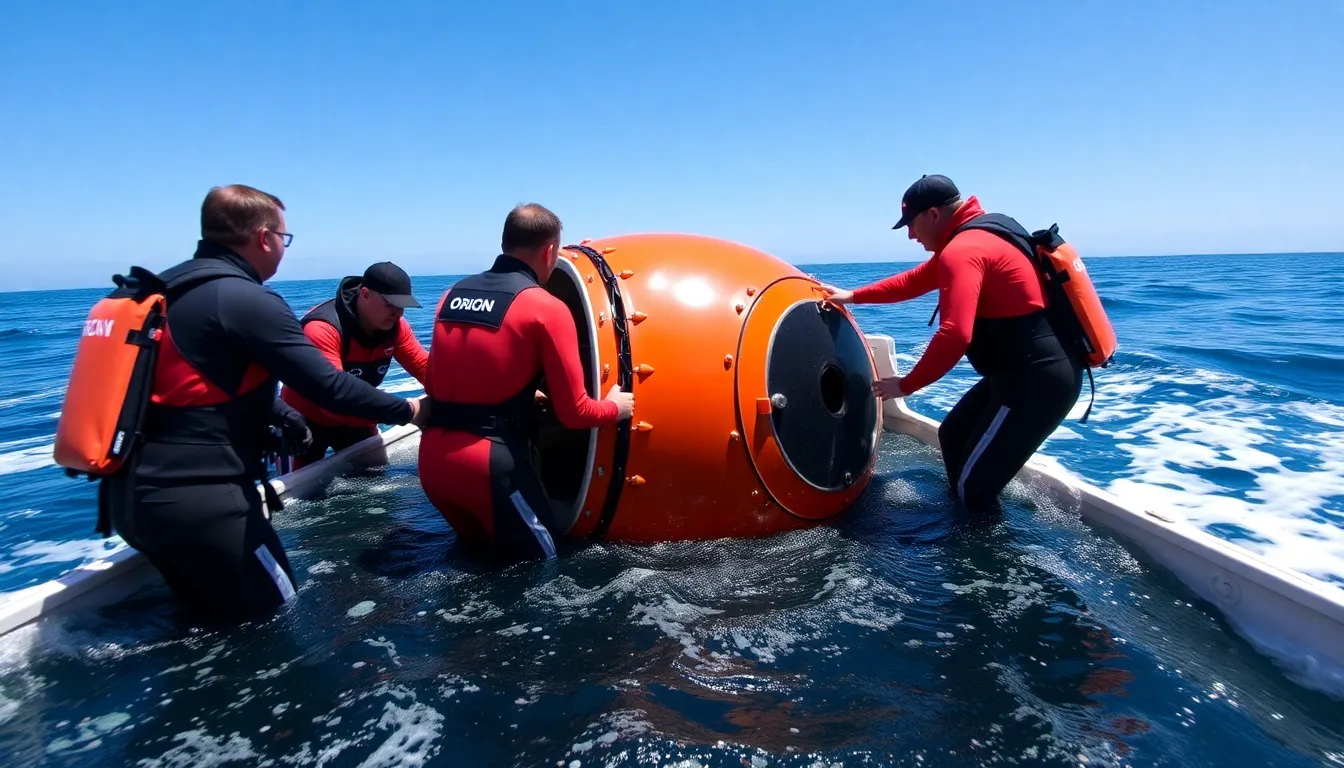
Private aerospace companies, such as SpaceX and Boeing, have a vested interest in the outcomes of NASA’s missions. They seek to position themselves as key players in the burgeoning commercial space industry. The data and insights gained from the Orion capsule’s return can inform their own spacecraft designs and recovery systems, leading to potential collaborations or competition in upcoming projects.
International space agencies, like the European Space Agency (ESA) and the Japan Aerospace Exploration Agency (JAXA), are also stakeholders in this event. Their interests lie in the collaborative aspects of space exploration, as partnerships can enhance technological exchange and shared resources for future missions. However, differing national priorities may lead to conflicts over project funding and mission objectives.
- Technological advancements: The recovery process may yield new technologies that can be applied to future space missions.
- Economic implications: The success of the Orion program can influence government budgets and funding allocations for space exploration.
- Public perception: Successful missions can bolster public support for space initiatives, while failures can lead to skepticism.
- International collaboration: The event may open doors for new partnerships or exacerbate tensions between nations regarding space exploration priorities.
- Environmental concerns: The recovery process raises questions about the environmental impact of space missions and how to mitigate potential issues.
Impact of the Orion capsule’s successful hatch opening on future missions
The recent footage showcasing the moment the Orion capsule hatch was opened at sea has significant implications for various groups and industries. Primarily, the aerospace sector, including companies involved in space exploration and technology, stands to benefit from the advancements demonstrated by this mission. Additionally, government agencies such as NASA and private space firms are directly impacted as they assess the success of the Orion program for future missions.
In the short term, the successful hatch opening could lead to increased public interest and investment in space exploration initiatives. Educational institutions may also experience a surge in student enrollment in aerospace engineering and related fields as the excitement around space missions grows. The media coverage surrounding this event may influence public perception of space travel, potentially leading to greater support for funding and policy-making in favor of space exploration.
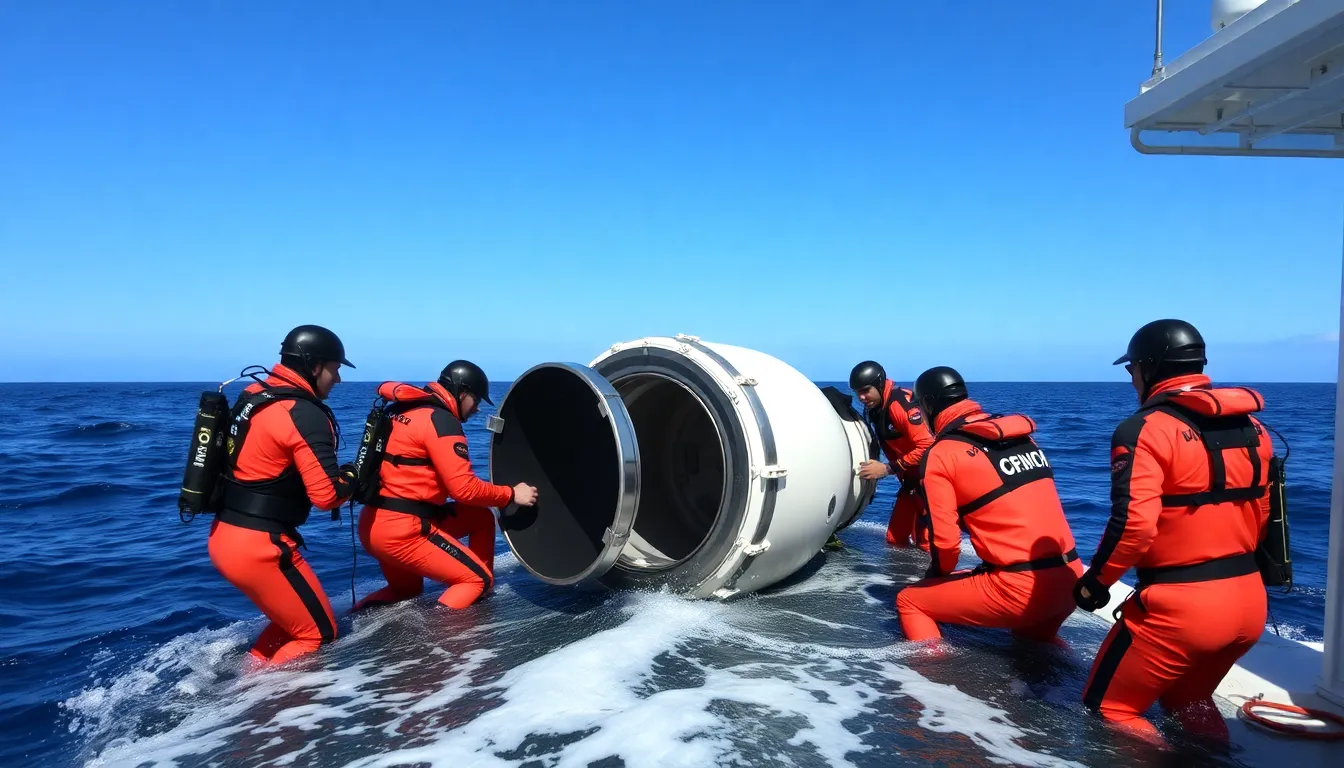
In the mid-term, businesses involved in satellite technology, space tourism, and research may find new opportunities as partnerships and collaborations emerge from the success of the Orion mission. The event may also prompt policymakers to prioritize space-related legislation, which could lead to enhanced funding for research and development in aerospace technologies.
- Increased investment in aerospace and technology sectors.
- Growth in educational programs related to space and engineering.
- Potential for new partnerships among private and public space entities.
- Enhanced policy support for space exploration initiatives.
However, there are also risks associated with this progress. The heightened expectations for future missions could lead to increased scrutiny and pressure on space agencies and private companies to deliver results. Additionally, any setbacks or failures in upcoming missions could dampen public enthusiasm and investment, creating a challenging environment for ongoing and future projects.
A: The Orion capsule is a spacecraft designed by NASA for deep space missions, including crewed flights to the Moon and beyond. A: The hatch opening signifies a successful recovery operation and demonstrates the capsule’s readiness for future missions. A: The footage was captured by onboard cameras during the recovery process after the capsule’s return from space. A: The next steps include analyzing data from the mission and preparing for upcoming Artemis missions aimed at lunar exploration. A: Key players include NASA, Lockheed Martin, and various contractors who contribute to the design and operation of the spacecraft.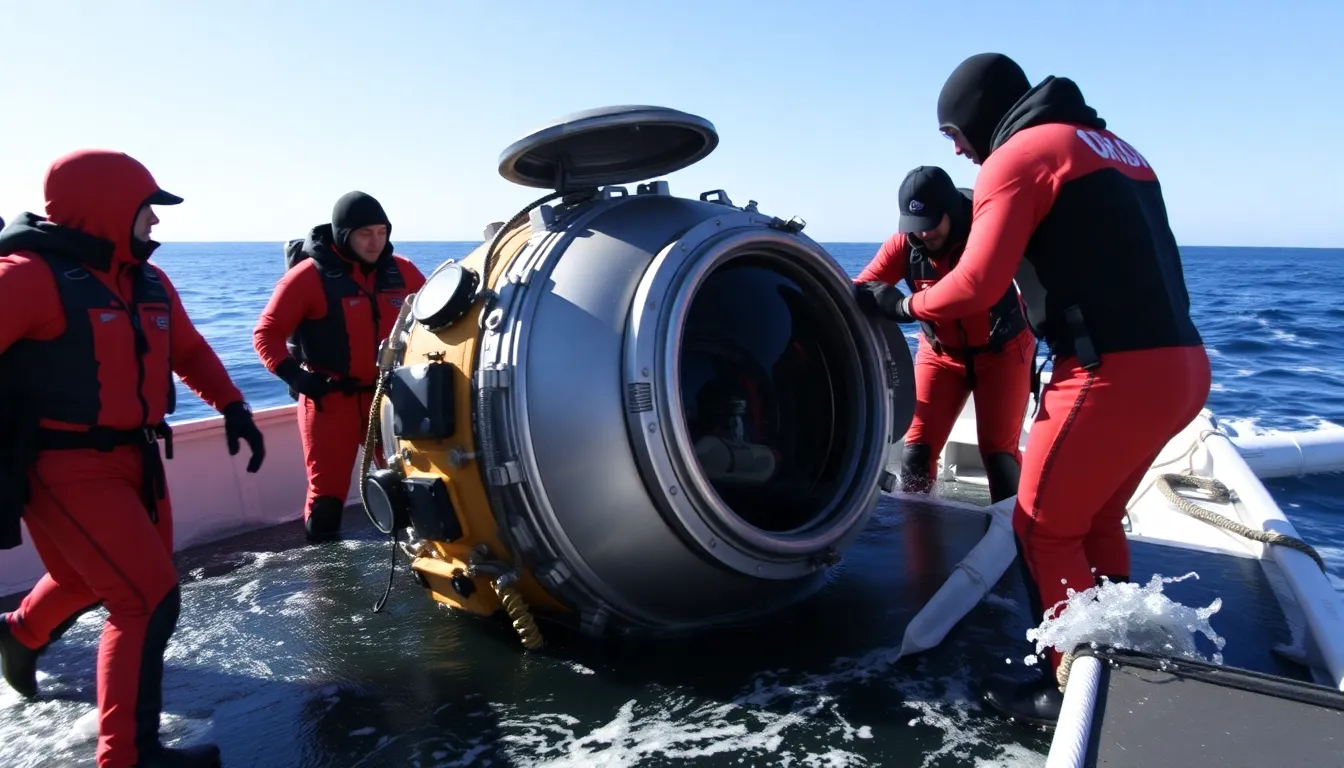
Frequently asked questions about the Orion capsule hatch opening
Insights on the future of space exploration following the Orion capsule event
The recent footage revealing the moment the Orion capsule hatch was opened at sea marks a significant milestone in space exploration. This event not only highlights the successful recovery of the capsule but also underscores the advancements made in technology and safety protocols for future missions. As we reflect on this achievement, it becomes clear that the implications extend beyond this single event and into the broader landscape of human spaceflight.
Looking ahead, the Orion capsule’s successful deployment and recovery can serve as a catalyst for future missions, including potential crewed missions to the Moon and Mars. The lessons learned from this operation will influence the design and execution of upcoming space exploration initiatives, paving the way for more ambitious endeavors in the coming years.
- Enhanced safety measures will likely be a priority, ensuring that future missions can operate with increased confidence.
- The successful recovery process may lead to more efficient designs for spacecraft, optimizing both functionality and safety.
- International collaboration in space exploration could be strengthened as nations recognize the value of shared knowledge and resources.
- Public interest in space missions is expected to grow, potentially increasing funding and support for future projects.
- Future missions may incorporate lessons from the Orion event to refine protocols for recovery and analysis of spacecraft post-mission.