
The data gathered during this mission will inform the design and execution of subsequent missions, including Artemis III, which aims to land the first woman and the next man on the lunar surface.
As NASA prepares for the next phases of the Artemis program, the focus now shifts to addressing the challenges that lie ahead. This includes developing the technology needed for lunar landings and ensuring the safety and effectiveness of the spacecraft for extended missions. The success of Artemis II has generated excitement but also underscores the complexities involved in returning humans to the Moon and eventually to Mars.
The Artemis program is not just a U.S. initiative; it involves international partnerships that aim to foster collaboration in space exploration, much like the cooperation highlighted in previous missions.
Understanding the significance of the Artemis program
The Artemis program, initiated by NASA, represents a pivotal moment in space exploration, aiming to return humans to the Moon and establish a sustainable presence there by the end of the decade. This ambitious initiative is not only a continuation of the legacy of the Apollo missions but also a response to the evolving geopolitical landscape of space exploration, where nations are increasingly competing for leadership and technological supremacy.
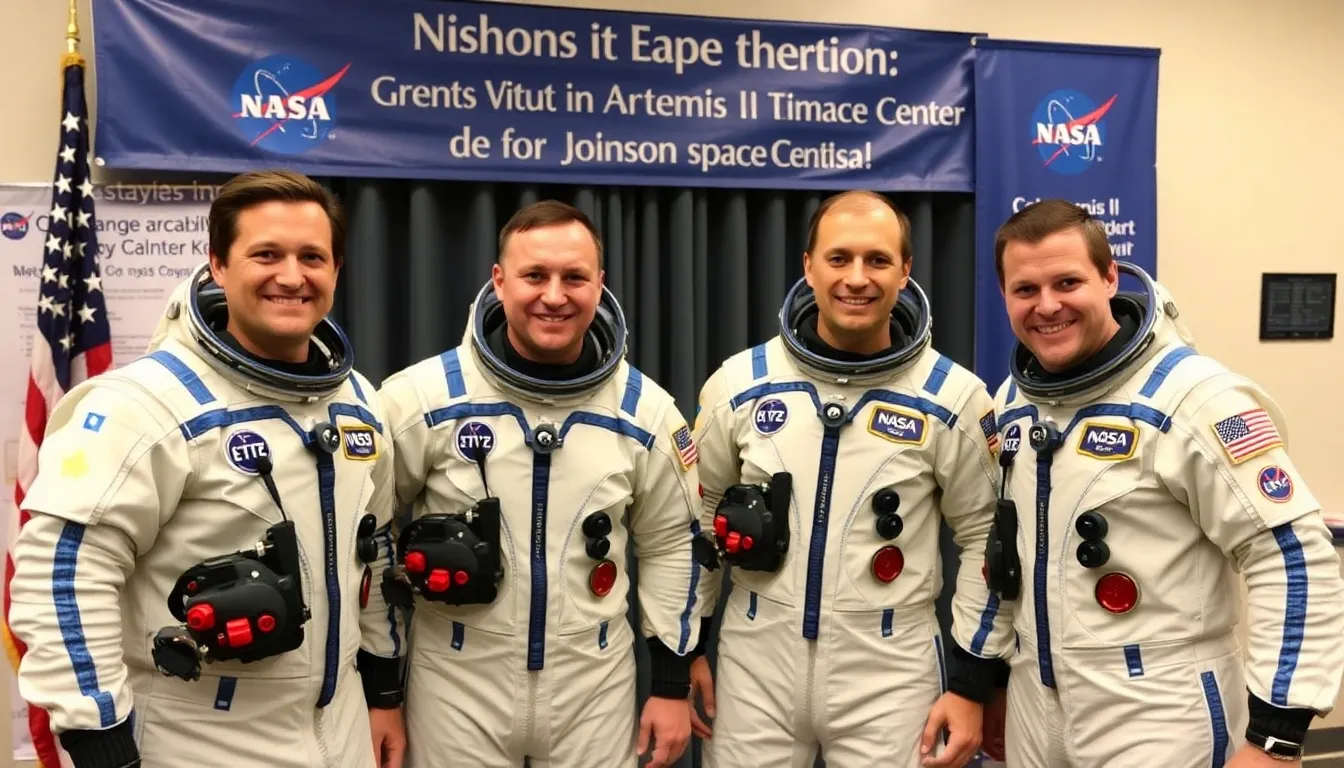
Historically, the Apollo program of the 1960s and early 1970s marked the United States’ first successful crewed missions to the Moon, culminating in the iconic Apollo 11 landing in 1969. This era not only showcased American ingenuity and determination but also served as a crucial battleground in the Cold War, where space achievements were seen as a demonstration of technological and ideological superiority over the Soviet Union. The Artemis program seeks to reignite this spirit of exploration while fostering international collaboration and partnerships in space.
The Evolution of Space Policy
This evolution has prompted NASA to rethink its strategies and objectives, emphasizing not only lunar exploration but also the development of technologies that can support future missions to Mars and beyond.
Economically, the Artemis program is expected to stimulate growth in the aerospace sector, creating jobs and driving innovation. The investment in lunar exploration is also seen as a way to secure vital resources, such as water and minerals, that could be crucial for long-term human habitation and fuel production in space. As nations and private enterprises race to establish a foothold on the Moon, the economic implications of these endeavors are becoming increasingly significant.
As the Artemis II mission successfully demonstrated NASA’s capabilities with its recent crewed flight test, the focus now shifts to the challenges ahead. These include ensuring the safety of astronauts, developing sustainable technologies, and addressing the logistical complexities of establishing a lunar base. The success of Artemis II is just the beginning, as the program aims to pave the way for a new era of human space exploration that could eventually lead to Mars and beyond.
Key stakeholders and challenges in the Artemis II mission
The Artemis II mission, heralded as a significant achievement for NASA and space exploration, involves a complex web of stakeholders, each with their own interests and priorities. Key players include NASA, international space agencies, private aerospace companies, and various governmental bodies. Understanding these stakeholders is essential to grasp the broader implications of the mission.
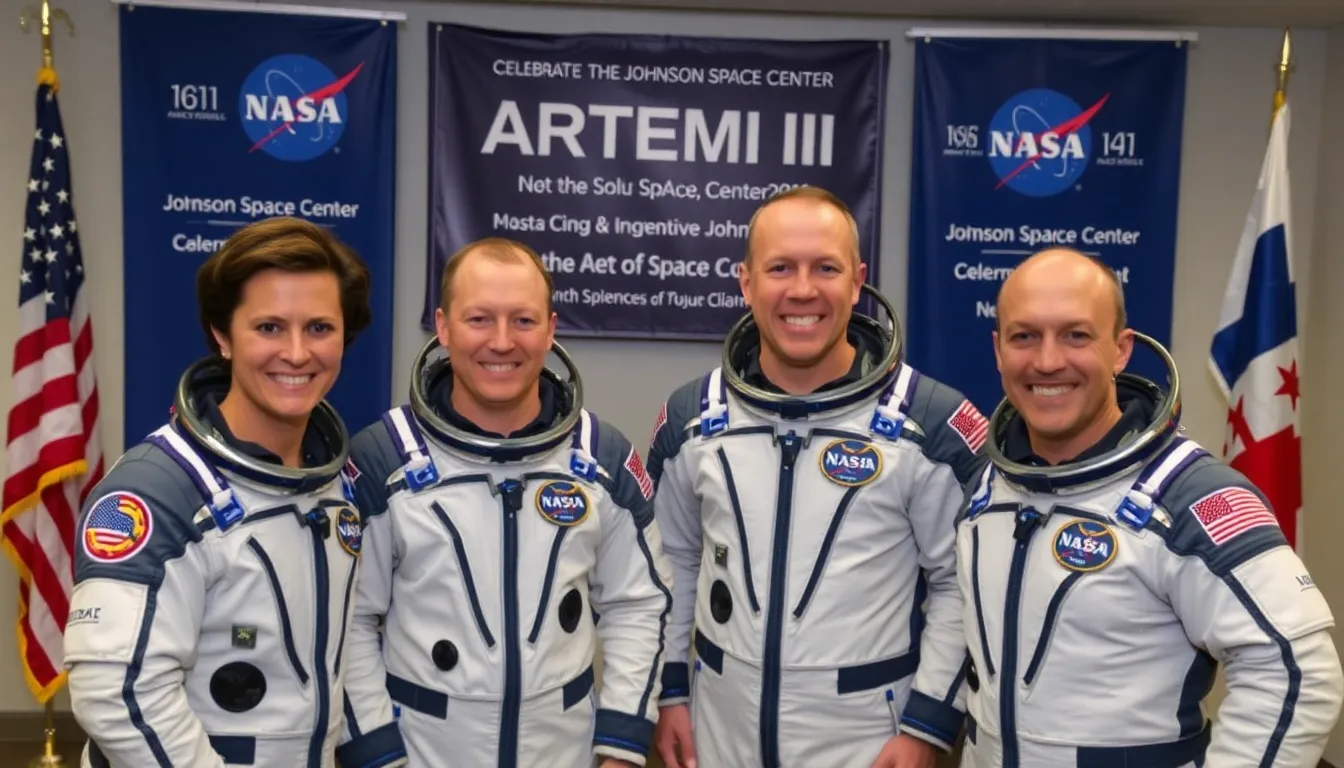
Nasa, as the lead agency, aims to demonstrate its capabilities for deep-space missions and to pave the way for future lunar exploration. Their interest lies not only in scientific discovery but also in maintaining leadership in space exploration amidst growing competition from other countries and commercial entities. International partners, such as the European Space Agency (ESA) and the Canadian Space Agency (CSA), have vested interests in collaboration, technology sharing, and enhancing their own space programs through participation in Artemis missions.
Private aerospace companies, including SpaceX and Boeing, play a crucial role in providing launch services and spacecraft technology. Their involvement reflects a broader trend towards public-private partnerships in space exploration, where economic interests align with national objectives. However, this relationship can lead to conflicts over funding, technological capabilities, and the distribution of responsibilities.
- The balance of power between government agencies and private companies can create tension regarding contract awards and project timelines.
- Legal issues surrounding intellectual property rights and technology transfer may arise, particularly in collaborations involving multiple international partners.
- Economic considerations, such as budget constraints and funding allocations, will impact the long-term sustainability of the Artemis program.
- Geopolitical factors, including the space race dynamics with nations like China and Russia, could influence international cooperation and competition.
- Public interest and support for space exploration, which can fluctuate based on economic conditions and societal priorities, may affect future funding and policy decisions.
As the Artemis II mission progresses, the interplay of these stakeholders and the challenges they face will significantly shape the future of lunar exploration and the broader landscape of space activities. Understanding these dynamics is crucial for anticipating the potential outcomes and implications of ongoing missions.
Who will be affected by the Artemis II mission outcomes
The Artemis II mission stands as a pivotal moment for various groups, industries, and regions, marking a significant leap in space exploration. The outcomes of this mission will resonate across multiple sectors, including aerospace, technology, education, and even international relations. As humanity inches closer to returning to the Moon, the implications for those involved are profound.
In the short term, businesses in the aerospace sector, particularly those involved in manufacturing and technology development, will experience heightened demand for innovation and production. Companies that supply components for spacecraft and launch vehicles are likely to see increased orders and investment opportunities. Additionally, educational institutions may ramp up programs related to STEM (science, technology, engineering, and mathematics) to prepare a new generation of engineers and scientists inspired by the mission.
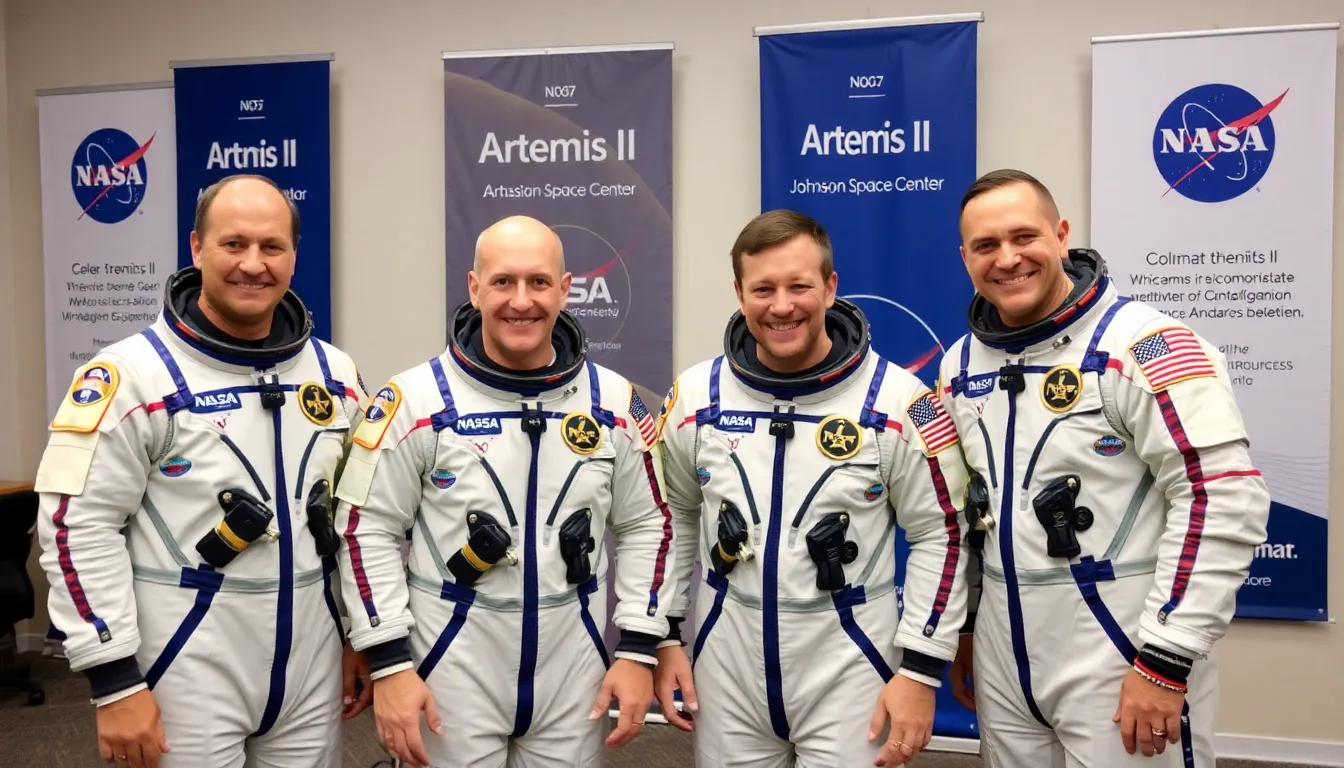
In the mid-term, the Artemis II mission could lead to policy shifts, particularly in space exploration and international collaboration. Governments may prioritize funding for space initiatives, fostering partnerships between public and private sectors. This could create a ripple effect, attracting more talent and investment into the space industry, while also enhancing national pride and interest in scientific endeavors.
- Increased investment in aerospace technologies and infrastructure.
- Boosted educational programs focused on STEM fields.
- Potential for new international collaborations in space exploration.
- Heightened public interest in space science and exploration.
However, there are risks associated with the ambitious goals of the Artemis II mission. The potential for delays or technical failures could dampen enthusiasm and lead to financial losses for stakeholders. Furthermore, the environmental impact of increased rocket launches may become a point of contention, necessitating careful consideration of sustainability practices within the industry.
Ultimately, while the Artemis II mission presents significant challenges, it also opens doors for new opportunities in various sectors, shaping the future of space exploration and its impact on daily life and business practices around the globe.
A: The primary goal of the Artemis II mission was to test the Orion spacecraft’s systems and capabilities in preparation for future lunar missions, including landing astronauts on the Moon. A: Artemis II builds on the success of Artemis I by incorporating lessons learned and advancing technology to ensure a safe crewed mission to the Moon. A: The main challenges include developing sustainable lunar operations, ensuring crew safety, and securing funding and international partnerships for future missions. A: The Artemis II mission is currently scheduled for launch in the coming years, with specific dates dependent on technological readiness and safety assessments. A: The success of Artemis II is expected to pave the way for further lunar exploration and eventually missions to Mars, enhancing our understanding of space.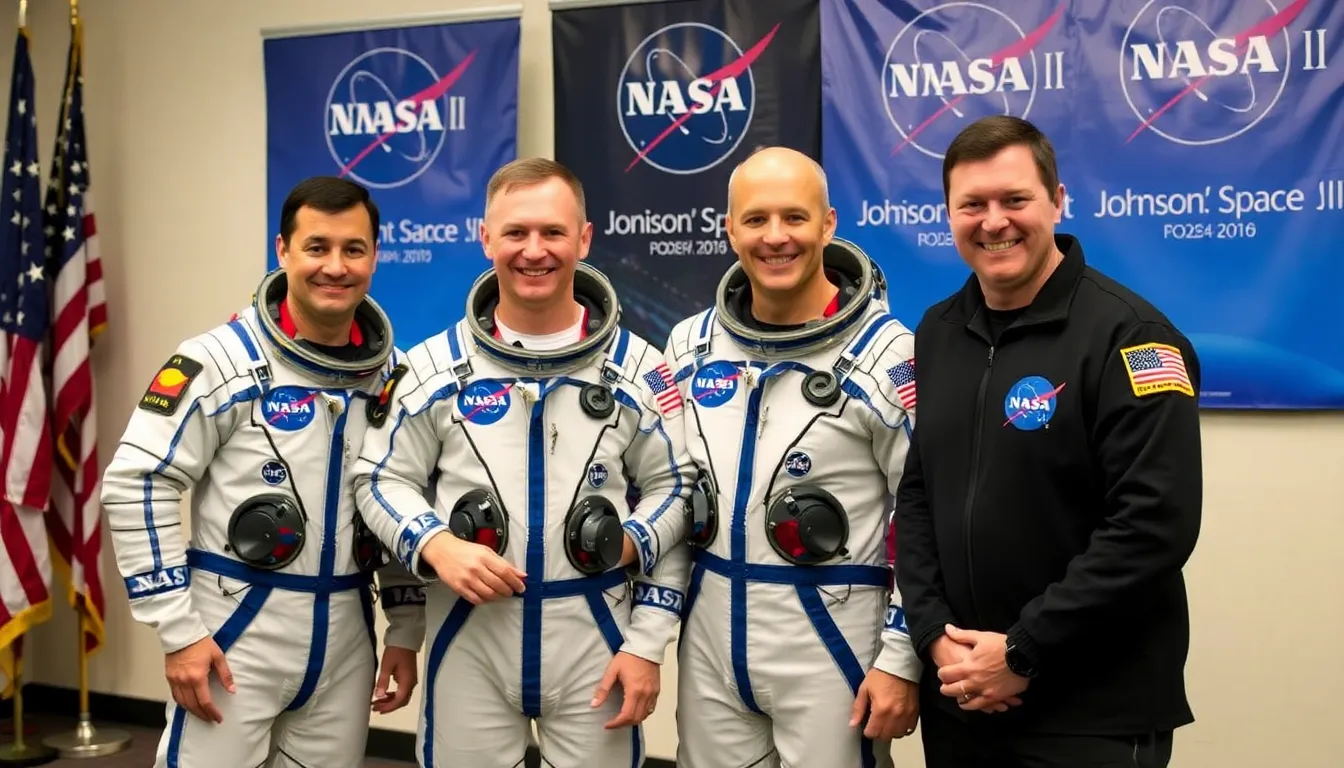
Frequently asked questions about Artemis II
Looking ahead: key takeaways from Artemis II
The successful Artemis II mission marks a significant step forward in human space exploration, showcasing advancements in technology and international collaboration. As we reflect on this achievement, it is essential to recognize the challenges that lie ahead in the journey to establish a sustainable presence on the Moon and beyond.
Moving forward, stakeholders will need to focus on the lessons learned from Artemis II to ensure the next phases of the program are executed efficiently and effectively. The integration of scientific research, technological innovation, and public engagement will be crucial as we transition from testing to operational missions.
- Technological advancements: Continued investment in technology will be necessary to address the complexities of lunar exploration and prepare for future Mars missions.
- International collaboration: Strengthening partnerships with other space agencies and private entities can enhance resource sharing and innovation, paving the way for more ambitious projects.
- Public engagement: Fostering public interest and support for space exploration will be vital for securing funding and inspiring the next generation of scientists and engineers.
- Mission sustainability: Developing sustainable practices for lunar operations will be essential for long-term human presence, including resource utilization and environmental considerations.
- Focus on scientific research: Prioritizing scientific objectives in future missions will ensure that exploration efforts yield valuable insights into the Moon’s geology and potential for life beyond Earth.