
This mission is particularly significant as it serves as a precursor to Artemis III, which aims to land astronauts on the lunar surface in the coming years.
The crewed mission included a diverse team of astronauts, showcasing NASA’s commitment to inclusivity in space exploration. With this successful flyby, the agency not only demonstrates its technological capabilities but also inspires a new generation of scientists and explorers.
As Artemis II continues its journey, the data collected will contribute to the understanding of lunar geology and help refine the technology needed for long-duration missions. This milestone reinforces the importance of international collaboration in space exploration, as NASA partners with various organizations and countries to achieve its goals.
Understanding the significance of the Artemis program
The renewed interest in lunar exploration is not only a quest for scientific discovery but also a strategic move in the realm of international space politics and economic competition.
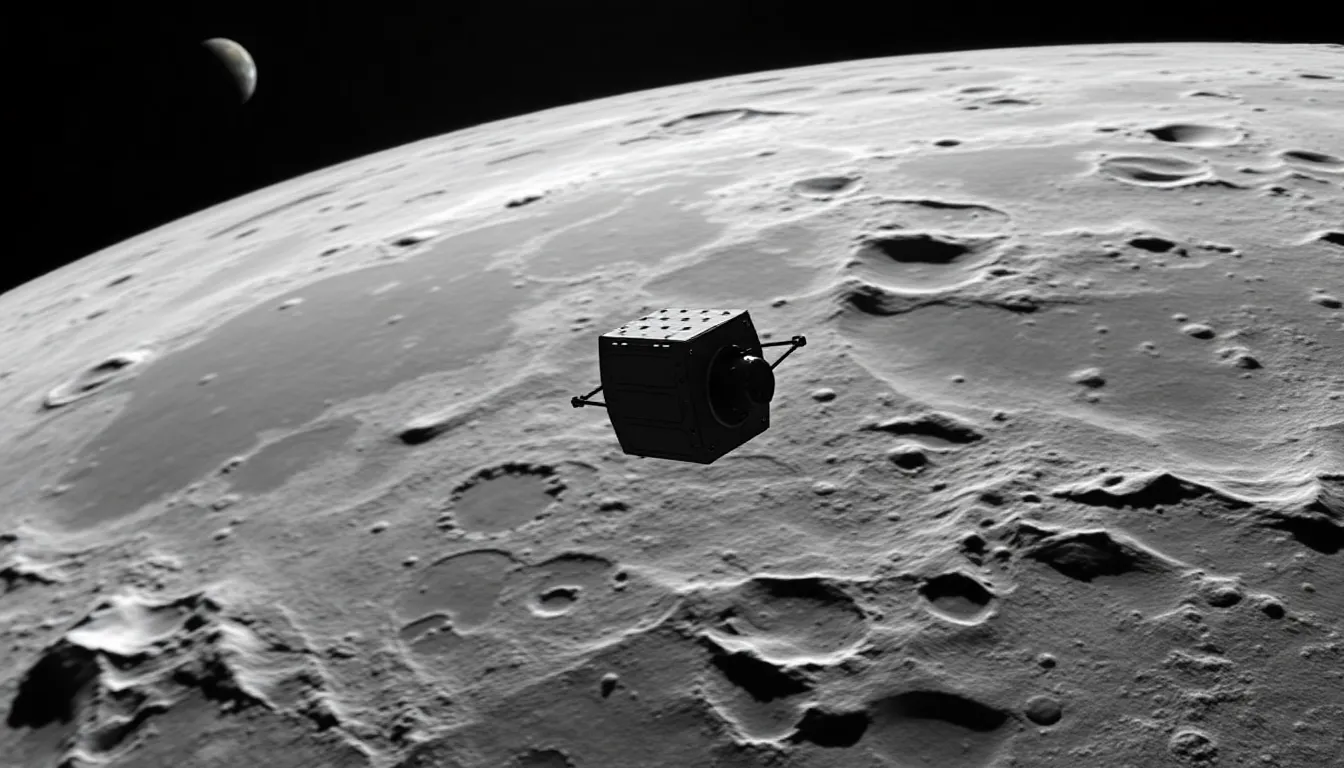
Historically, the space race of the 20th century laid the groundwork for current lunar ambitions. The Apollo 11 mission marked a significant achievement for the United States, but it also spurred other nations to develop their own space programs. Today, countries like China and India have made substantial advancements in space technology, prompting the U.S. to regain its leadership role through the Artemis program. This competition is not merely about national pride; it involves securing technological supremacy and potential access to lunar resources.
Key milestones in lunar exploration
The Artemis I mission, an uncrewed test flight launched in late 2021, successfully demonstrated the Space Launch System (SLS) and the Orion spacecraft, setting the stage for Artemis II’s historic lunar flyby.
As the Artemis program progresses, it aims to establish the Lunar Gateway, a space station orbiting the Moon that will serve as a staging point for lunar landings and future missions to Mars. This initiative reflects a broader vision of sustainable exploration, where international partnerships and commercial collaborations play a vital role in expanding human presence beyond Earth. The success of Artemis II not only marks a technological achievement but also reinforces the importance of international cooperation in the era of space exploration.
Key stakeholders and challenges in lunar exploration
The Artemis II mission marks a significant step in lunar exploration, involving various stakeholders with distinct interests. Key actors include NASA, international space agencies, private aerospace companies, and governments worldwide. Each stakeholder plays a crucial role in shaping the mission’s objectives and outcomes.
NASA, as the primary agency behind the Artemis program, aims to advance human exploration of the Moon and establish a sustainable presence there. This aligns with broader goals of scientific research, technological advancement, and international collaboration. In contrast, private companies, such as SpaceX and Blue Origin, are motivated by commercial opportunities in space travel and lunar resource utilization.

International partnerships also play a vital role in the Artemis II mission. Countries like Canada, Japan, and members of the European Space Agency contribute expertise and resources, reflecting a shared interest in the benefits of lunar exploration. However, differing national priorities can lead to conflicts over resource allocation and mission objectives.
- Funding and Budget Constraints: Competing interests among stakeholders can lead to challenges in securing adequate funding for the mission.
- Technological Development: The race to develop advanced technologies for lunar exploration may create tensions between private and public sectors.
- Legal Frameworks: The absence of a comprehensive international legal framework for lunar resource extraction raises concerns about ownership and usage rights.
- Environmental Considerations: The impact of lunar missions on the Moon’s environment is a growing concern that may lead to regulatory challenges.
As the Artemis II mission progresses, these stakeholders must navigate complex trade-offs and conflicts to achieve their objectives while fostering collaboration and innovation in lunar exploration.
The implications of the lunar flyby for future missions
The successful lunar flyby of Artemis II has significant implications for various groups, industries, and regions. Space agencies, aerospace manufacturers, and research institutions are among the primary stakeholders who will feel the impact of this mission. As humanity inches closer to returning to the Moon, these groups are poised to benefit from increased funding, collaboration opportunities, and technological advancements.
In the short term, the Artemis II mission is likely to boost the aerospace industry, leading to a surge in job creation and investment in related sectors. Companies involved in rocket manufacturing, satellite technology, and space exploration services may see an uptick in contracts and partnerships. This could lead to enhanced innovation and a competitive edge in the global market.
Mid-term impacts could include changes in policy and funding allocations for space exploration. Governments may prioritize space initiatives, increasing budgets for NASA and other space agencies. This shift could also encourage international collaborations, as nations recognize the importance of joint efforts in space exploration.

- Increased investment in aerospace and technology sectors.
- Job creation in engineering, manufacturing, and research.
- Potential for new educational programs focused on STEM fields.
- International collaborations in space research and exploration.
However, there are risks associated with this progress. The high costs of space missions may lead to budget cuts in other areas, potentially affecting education and social programs. Additionally, the environmental impact of increased rocket launches and space debris remains a concern, prompting discussions on sustainable practices in the aerospace industry.
Overall, the Artemis II lunar flyby represents a pivotal moment in space exploration, with far-reaching implications for various stakeholders, industries, and the future of lunar missions.
A: The Artemis II mission aims to demonstrate the capabilities of NASA’s Orion spacecraft and pave the way for future lunar exploration, including crewed missions to the Moon. A: During the lunar flyby, the spacecraft uses the Moon’s gravity to gain speed and alter its trajectory, which is essential for deep space missions. A: The mission is expected to provide valuable data on spacecraft performance and human factors in space travel, which will inform future missions. A: The next mission, Artemis III, is planned for the mid-2020s and aims to land astronauts on the lunar surface. A: NASA will release images and updates through its official website and social media channels, allowing the public to follow the mission closely.
Frequently asked questions about Artemis II
Looking ahead: the future of lunar exploration
The successful lunar flyby of Artemis II marks a significant milestone in NASA’s ambitious plans for deep space exploration. This mission not only demonstrates the capabilities of the Orion spacecraft but also sets the stage for future lunar missions, including the establishment of a sustainable human presence on the Moon. As we reflect on this achievement, it becomes clear that the implications extend far beyond the immediate mission, influencing international collaboration, technological advancements, and the broader goals of space exploration.
Key areas to observe include the potential for international partnerships in lunar exploration, the development of new technologies for long-duration space travel, and the implications for future Mars missions. As Artemis II paves the way for subsequent missions, the focus will increasingly shift to how these endeavors can benefit humanity and inspire the next generation of explorers.
- International Collaboration: Watch for partnerships between NASA and other space agencies as they work together on lunar projects.
- Technological Innovations: Advancements in spacecraft technology will likely emerge, enhancing safety and efficiency for future missions.
- Sustainable Lunar Presence: The establishment of lunar bases could provide valuable insights into living and working on other celestial bodies.
- Public Engagement: Increased public interest and investment in space exploration may lead to more educational initiatives and outreach programs.
- Pathway to Mars: The lessons learned from lunar exploration will inform strategies for future human missions to Mars and beyond.