
The performance, held on October 15, 2023, at the renowned Arts Theatre, drew attention not only for its artistic merit but also for its message of resilience and adaptability. The dancer, who has faced significant physical challenges due to MND, collaborated with a team of digital artists and technologists to create a virtual representation that captures their movements and emotions, showcasing how innovative technology can enhance artistic expression.
This event highlights a significant shift in the performing arts, where technology plays an increasingly vital role in inclusivity. As the arts community embraces digital solutions, it opens doors for performers with disabilities to share their talents and stories on stage, fostering a more diverse cultural landscape.
The use of a digital avatar not only allows the dancer to overcome physical limitations but also serves as an inspiration to others facing similar challenges. By merging art and technology, this performance stands as a testament to the power of innovation in transforming lives and redefining the boundaries of artistic expression.
Understanding MND and its impact on performers
Motor Neurone Disease (MND) is a progressive neurological condition that affects the motor neurons in the brain and spinal cord, leading to muscle weakness and atrophy. This debilitating disease poses significant challenges for individuals, particularly those in physically demanding professions such as dance, illustrating the importance of support and advocacy for affected artists.
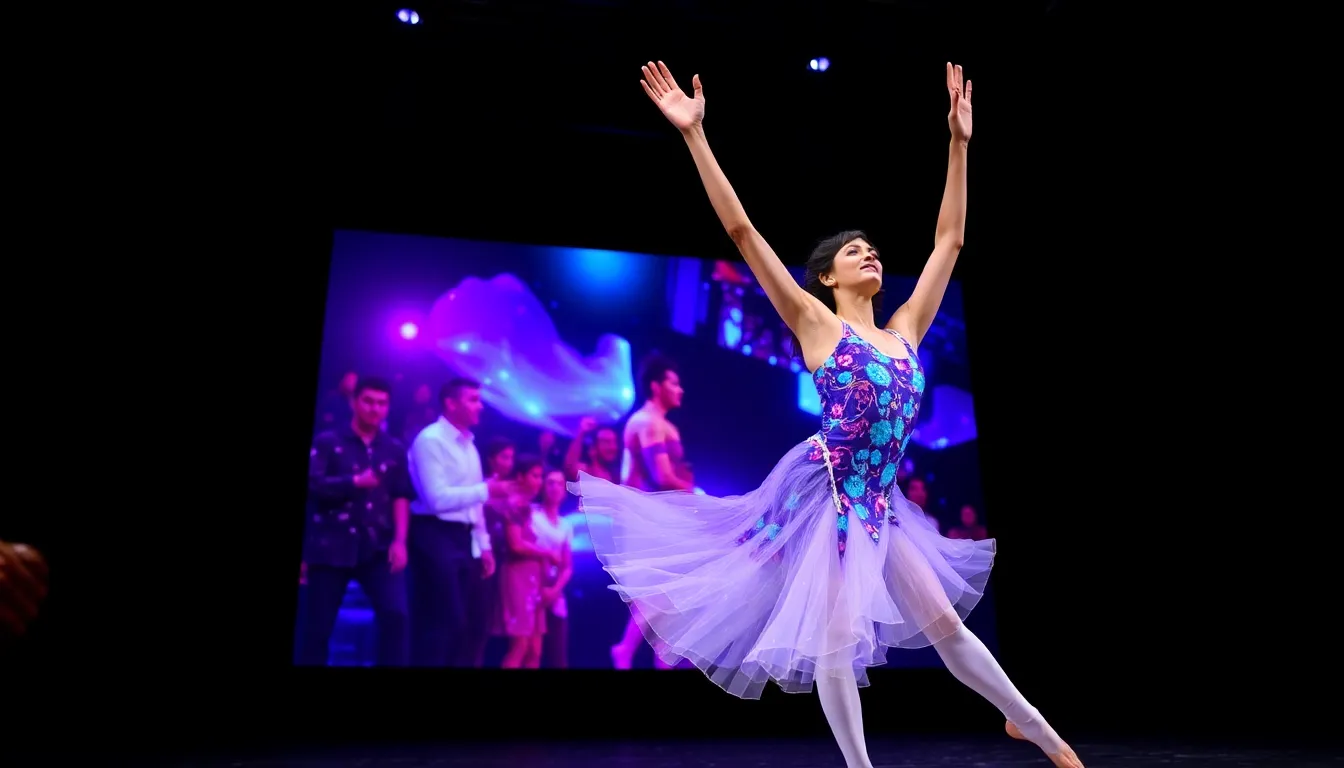
Historically, the arts have been a reflection of societal values and challenges. The intersection of disability and performance art has evolved, with increasing awareness and advocacy for inclusivity. In recent years, advancements in technology have provided new avenues for creative expression, allowing performers with disabilities to engage with their audiences in innovative ways. The emergence of digital avatars and virtual performances has opened doors for those who might otherwise be sidelined by physical limitations.
The Role of Technology in Performance
Digital technology has transformed the landscape of performing arts, enabling artists to explore new forms of expression. For dancers with MND, the use of digital avatars allows them to maintain a connection to their craft, even when physical movement becomes challenging. This technological shift not only empowers performers but also challenges traditional notions of dance and performance, prompting audiences to rethink what it means to be an artist.
Key milestones in this journey include the development of motion capture technology and virtual reality platforms that facilitate remote performances. Initiatives and collaborations between technologists and artists have resulted in groundbreaking projects that showcase the capabilities of digital mediums. As these innovations continue to evolve, they promise to redefine accessibility in the performing arts, ensuring that artists with disabilities can share their stories and talents with the world.
The story of the dancer with MND who performs through a digital avatar is emblematic of this broader movement towards inclusivity and innovation. It highlights not only the resilience of the human spirit but also the potential for technology to bridge gaps and create new opportunities for expression in the arts.
Exploring the implications of digital avatars in dance
The emergence of digital avatars in performance arts has sparked a range of reactions among stakeholders, including dancers, technology companies, arts organizations, and audiences. Each group has distinct interests and concerns that shape their engagement with this innovative medium, emphasizing the need for broader participation in the arts.
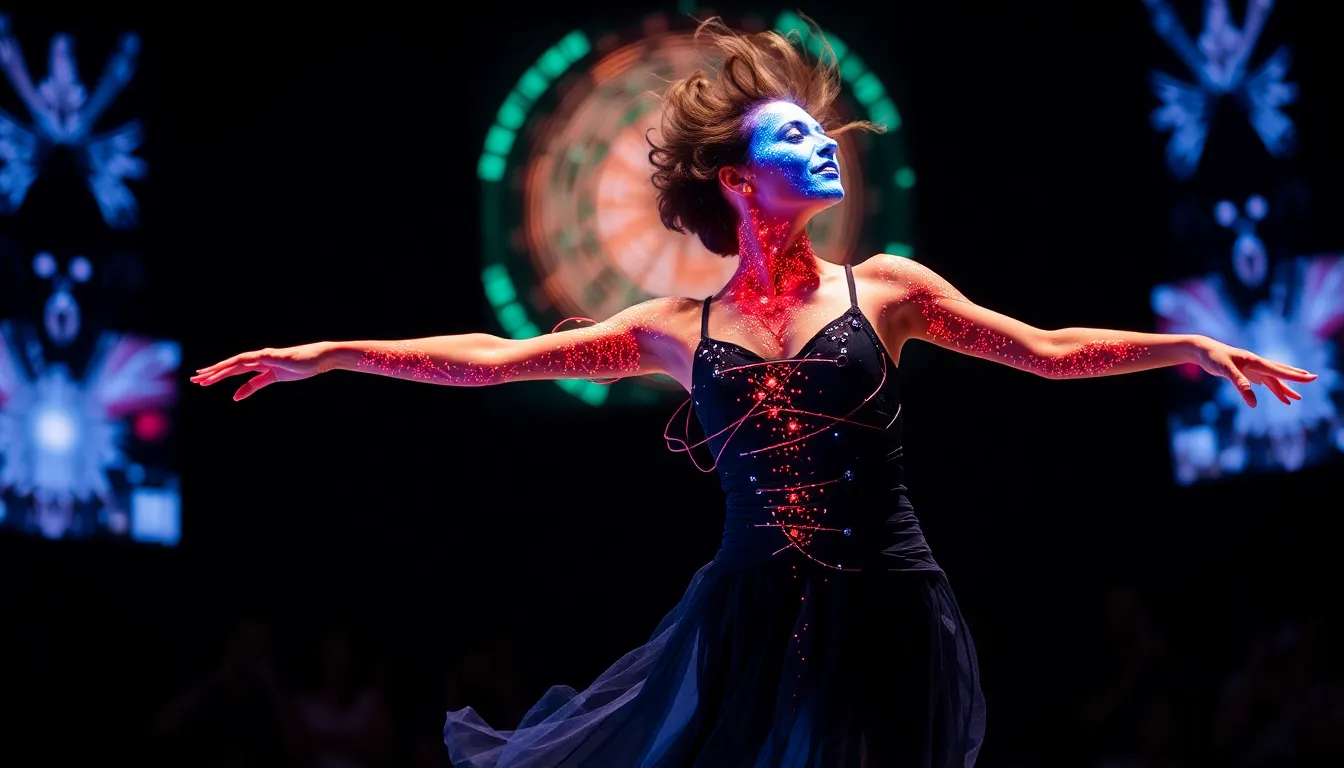
Organizations that support artists with disabilities, such as disability advocacy groups and arts foundations, are particularly invested in this development. They see the use of digital avatars as a means to promote inclusivity and broaden participation in the arts. However, these organizations face the challenge of ensuring that such technologies are accessible and do not inadvertently create new barriers for artists with disabilities.
On the other hand, technology companies involved in creating digital avatars have economic interests tied to the commercialization of this technology. They aim to expand their market reach by partnering with artists and organizations to showcase the potential of digital performance. However, this raises questions about the ownership of digital content and the rights of artists to their virtual representations.
- Conflict of interest: The balance between artistic expression and commercial viability can lead to conflicts over how digital avatars are used and who profits from them.
- Legal considerations: Issues of copyright and intellectual property rights are increasingly relevant as artists navigate the digital landscape.
- Economic implications: The cost of developing and maintaining digital avatars may limit access for some artists, creating disparities within the dance community.
- Audience engagement: The introduction of digital avatars may alter audience perceptions and expectations of live performances, prompting discussions on authenticity.
- Technological accessibility: Ensuring that the technology used for digital avatars is accessible to all artists remains a key challenge.
As this phenomenon evolves, it is crucial for all stakeholders to engage in dialogue that addresses these issues while fostering an environment that embraces innovation in the arts. The intersection of technology and performance art not only has the potential to transform individual careers but also to redefine the cultural landscape of dance as a whole.
The effect of digital performance on audiences and the arts community
The emergence of digital avatars in performance art has profound implications for various groups, particularly artists with disabilities, the performing arts industry, and audiences. Dancers like the one with MND (Motor Neuron Disease) exemplify how technology can bridge physical limitations, allowing them to express their artistry in innovative ways. This shift affects not only the artists but also the audiences who experience performances in a new, immersive format.
In the short term, the ability to perform through a digital avatar can enhance the visibility of artists with disabilities, fostering greater inclusion within the arts community. This newfound representation can inspire other artists facing similar challenges and encourage them to explore digital avenues. However, there are risks associated with this transition, including the potential for traditional performance venues to see a decline in attendance as audiences become more accustomed to virtual experiences.
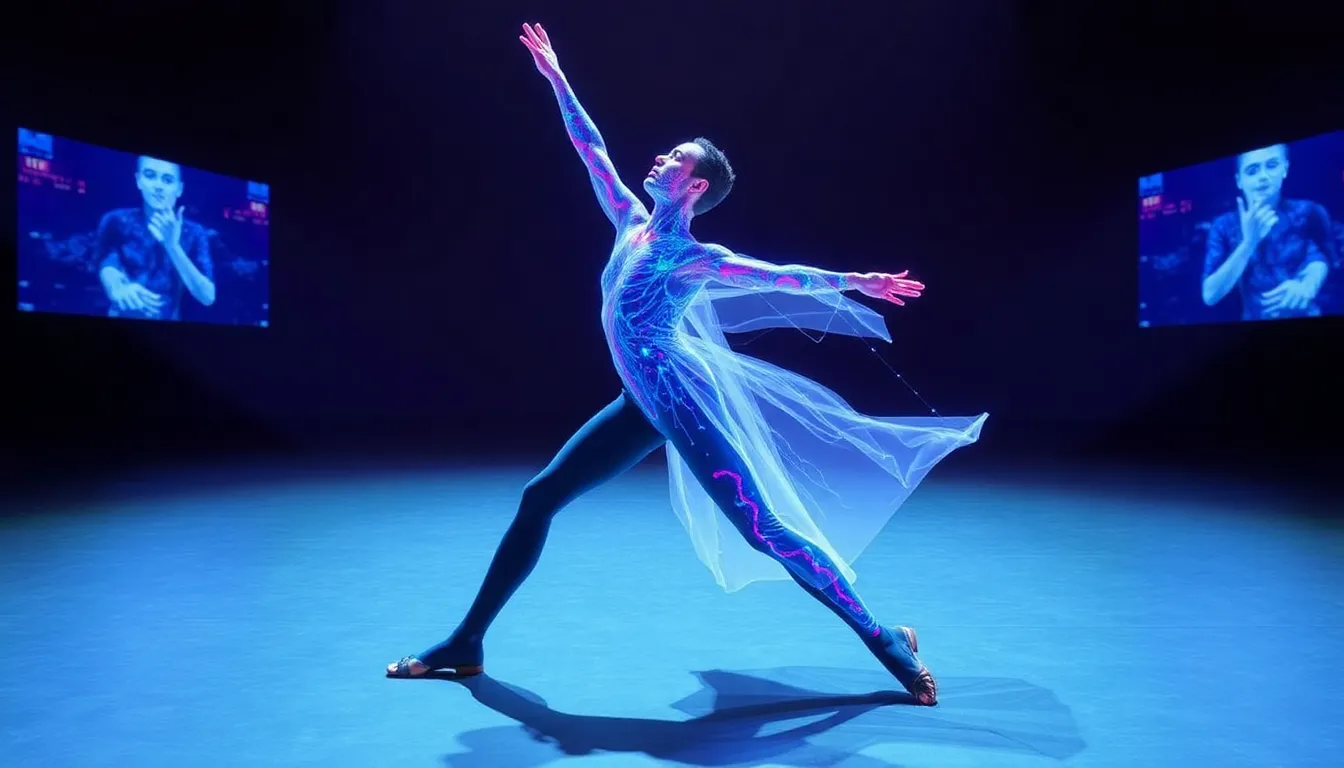
Mid-term impacts may include a transformation in the business models of performing arts organizations. As digital performances gain traction, companies may need to adapt their strategies to incorporate hybrid models that blend live and virtual experiences. This could lead to cost savings on physical venues but may also require significant investment in technology and training. Furthermore, policy adjustments may be necessary to ensure equitable access to digital performance platforms for all artists.
- Short-term: Increased visibility and representation for disabled artists.
- Mid-term: Shift in business models and potential decline in traditional venue attendance.
- Opportunities: New technology investments and training for artists and organizations.
- Risks: Potential marginalization of live performances.
Ultimately, the integration of digital avatars in performing arts presents both challenges and opportunities. While it can enhance accessibility and inclusivity, it also necessitates a reevaluation of how audiences engage with live performances and how arts organizations operate in an increasingly digital landscape.
A: The digital avatar is created using motion capture technology, allowing the dancer to perform through a virtual representation. This technology translates her movements into a digital format that can be displayed on stage. A: MND, or Motor Neurone Disease, is a progressive neurological condition that affects muscle control. For dancers, this can severely limit their physical abilities, making traditional performance challenging. A: Yes, many artists across various disciplines are exploring digital avatars to overcome physical limitations or to enhance their performances. This trend is gaining traction in the performing arts. A: Audience reactions have been overwhelmingly positive, with many expressing admiration for the dancer’s creativity and resilience. The use of digital technology has also sparked discussions about accessibility in the arts. A: Digital technology can provide new avenues for expression and accessibility, allowing performers with disabilities to showcase their talents. It also opens up possibilities for innovative choreography and audience engagement.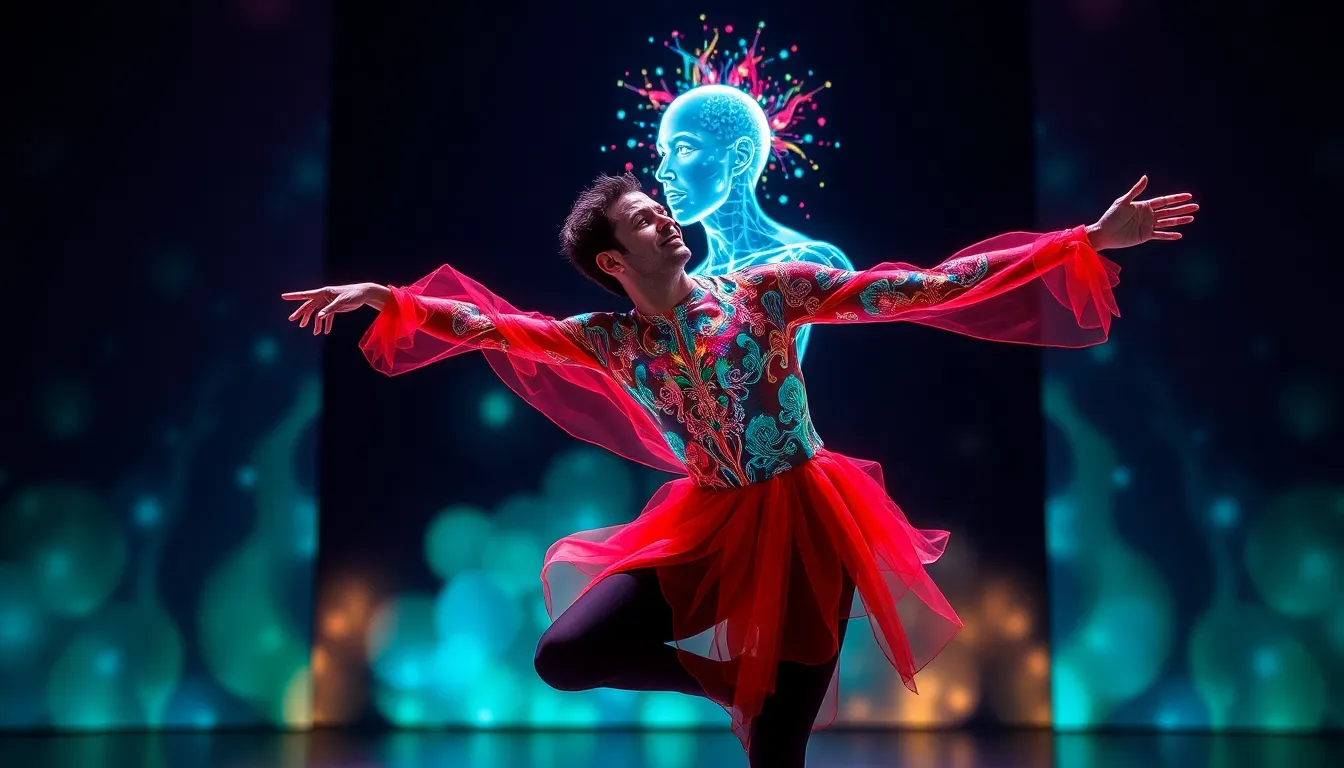
Frequently asked questions about the digital performance
Looking ahead: the future of dance with technology
The recent performance of a dancer with MND using a digital avatar highlights the transformative potential of technology in the arts. This development not only showcases the resilience of artists facing physical challenges but also opens new avenues for creativity and expression. As digital tools become increasingly accessible, the dance community may experience a shift in how performances are conceptualized, created, and experienced by audiences.
Furthermore, this intersection of technology and dance raises important questions about inclusivity, representation, and the evolving nature of artistic expression. As we look to the future, it is essential to consider how these advancements can be harnessed to enhance the artistic landscape for both performers and spectators alike.
- Advancements in digital technology may enable more artists with physical limitations to participate in performances, broadening the definition of what it means to be a dancer.
- Collaborations between technologists and artists could lead to innovative forms of expression, creating unique experiences that blend live performance with virtual elements.
- As audiences become accustomed to digital performances, there may be a growing demand for hybrid experiences that combine traditional dance with technological enhancements.
- Continued exploration of digital avatars and motion capture technology could lead to new storytelling methods within dance, allowing for more diverse narratives.
- The success of such performances may encourage funding and support for projects that integrate technology into the arts, fostering a more inclusive and innovative creative environment.