
The program, organized in collaboration with the hospice staff, encourages students to engage with patients in a relaxed environment. Each week, a new group of students from nearby schools arrives to facilitate activities such as painting, drawing, and crafting, allowing patients to explore their creativity and share stories. This initiative has become a significant trend in art therapy.
This initiative not only enriches the lives of the patients but also helps the students develop empathy and understanding of the hospice environment. By interacting with individuals from different walks of life, the pupils gain valuable insights into the importance of compassion and support during difficult times.
Feedback from both patients and staff has been overwhelmingly positive, highlighting the emotional uplift these sessions provide. As the program continues to grow, there are plans to expand the offerings, incorporating more diverse artistic mediums and inviting local artists to contribute their skills, which can enhance the quality of life for patients.
Understanding the role of art in hospice care
Art has long been recognized as a powerful medium for expression, offering therapeutic benefits that extend beyond traditional medical care. In hospice settings, where the focus shifts from curative treatment to comfort and quality of life, art plays a vital role in enhancing emotional well-being and providing a sense of joy and connection for patients and their families.
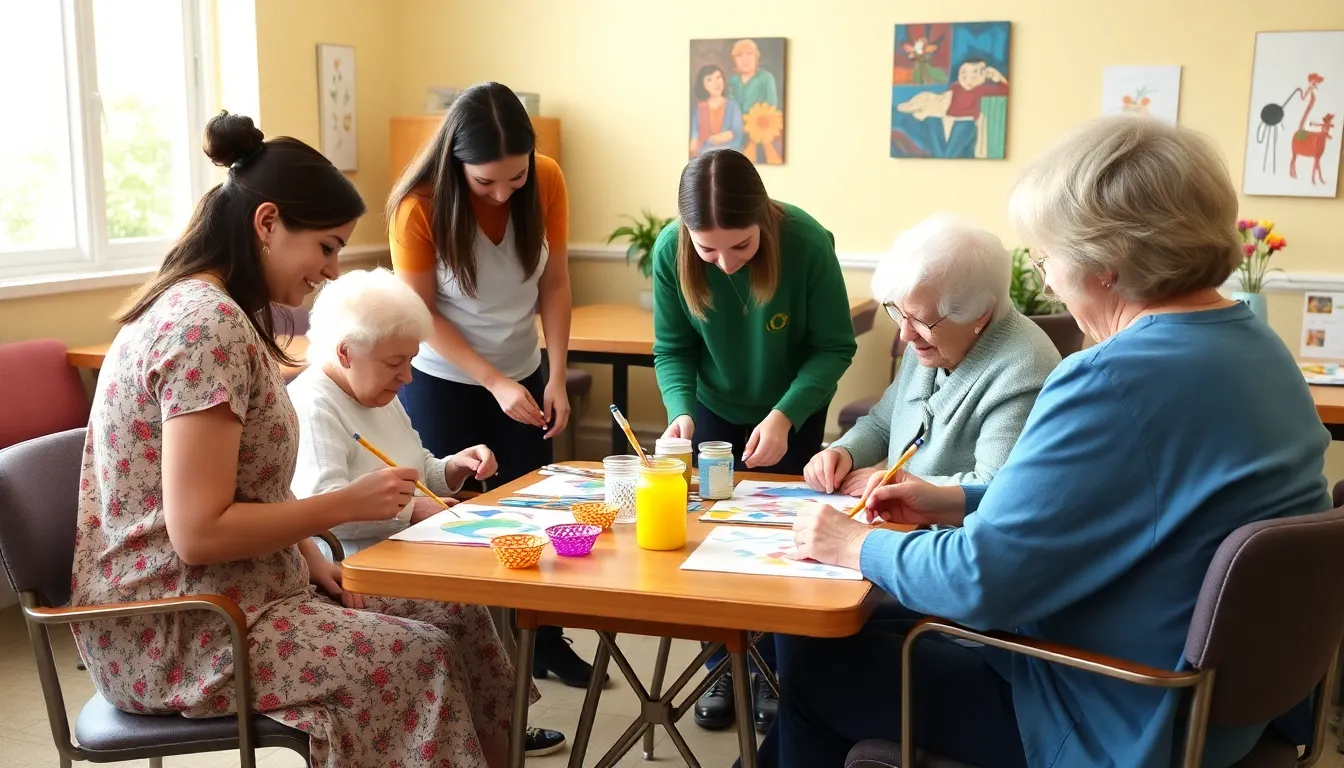
The integration of art into hospice care can be traced back to the early days of the hospice movement in the 1960s, pioneered by figures such as Dame Cicely Saunders. She emphasized the importance of holistic care, which encompasses not only physical needs but also emotional and spiritual support. As hospice care evolved, the inclusion of creative therapies, including visual arts, music, and writing, became increasingly recognized for their ability to foster communication and self-expression among patients facing terminal illnesses.
In recent years, the collaboration between local schools and hospices has emerged as a significant trend, allowing students to engage with patients through art sessions. These initiatives not only bring joy to hospice residents but also provide students with invaluable lessons in empathy, compassion, and the realities of life and death, much like the insights shared in Charles Rivkin’s discussion on storytelling and engagement.
The impact of community involvement
Community involvement in hospice art programs has seen a marked increase, driven by a growing awareness of the importance of emotional support in end-of-life care. Local artists and volunteers often contribute their time and skills to facilitate art sessions, making the experience more enriching for patients. This collaborative approach not only enhances the quality of life for those in hospice but also fosters a sense of community, bridging the gap between different age groups and backgrounds.
Exploring the benefits for patients and pupils
The initiative of conducting pupil art sessions at hospices has brought together various stakeholders, each with distinct interests and motivations. The primary actors include the hospice staff, participating students and their schools, local art organizations, and the patients themselves. Each group plays a vital role in facilitating and benefiting from these sessions.
Hospice staff are primarily focused on enhancing the quality of life for their patients. They aim to provide therapeutic activities that can alleviate feelings of isolation and depression often experienced by individuals in palliative care. The integration of art sessions not only supports emotional well-being but also fosters a sense of community within the hospice.
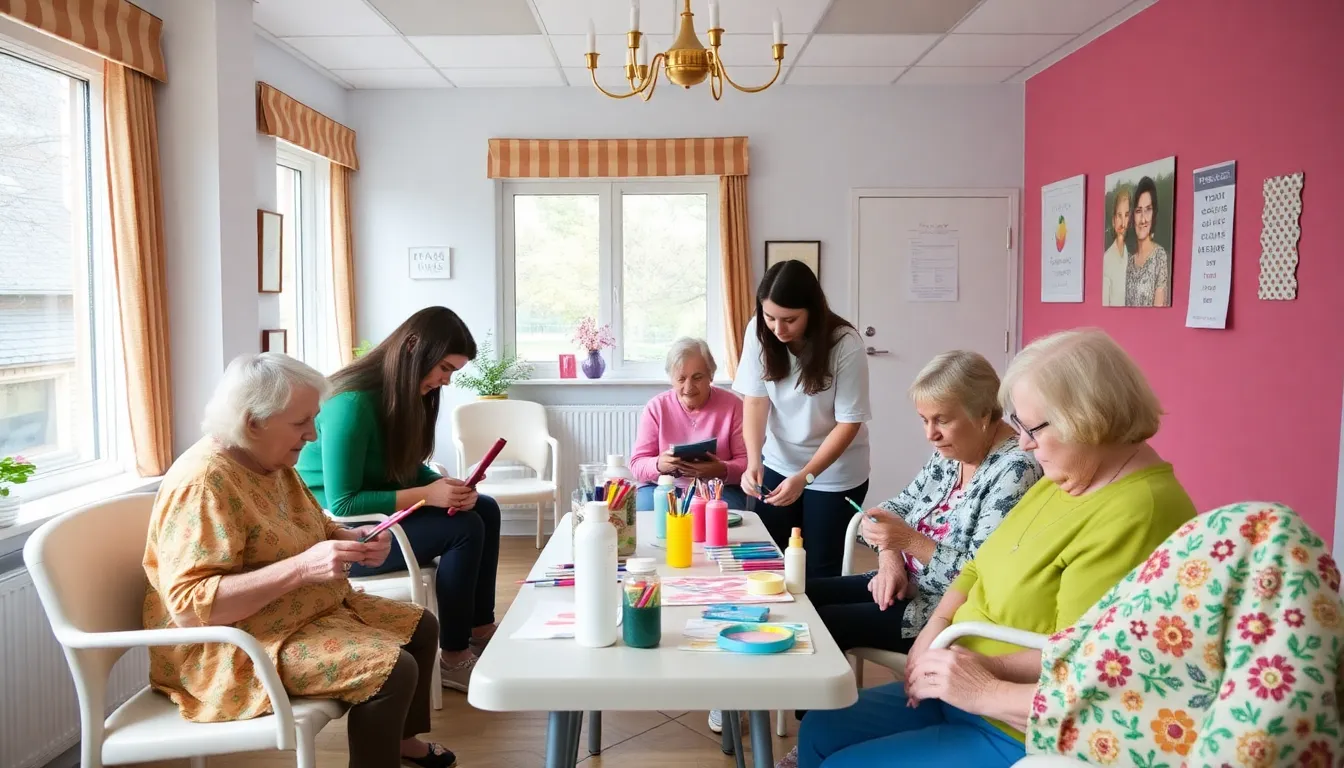
Students and their schools are motivated by the opportunity to engage in meaningful community service. Participating in art sessions allows students to develop empathy and social skills while also enriching their understanding of the challenges faced by individuals in hospice care. This experience can be transformative, encouraging a lifelong commitment to volunteerism and social responsibility.
Local art organizations may see this initiative as a chance to promote art as a healing tool. Their involvement can help provide resources, trained facilitators, and materials necessary for the sessions. However, these organizations must navigate funding and resource allocation challenges to sustain such programs.
- Emotional benefits: Art sessions promote joy and connection for hospice patients.
- Educational impact: Students gain valuable life lessons and skills through their participation.
- Resource allocation: Local organizations must balance funding and support for art programs.
- Community engagement: The initiative fosters a sense of belonging and support among diverse groups.
- Legal considerations: Ensuring patient consent and safeguarding policies are adhered to during sessions.
The positive effects on patient well-being and community engagement
The initiative of incorporating pupil art sessions in hospice care primarily affects patients, their families, and the local community. Patients, often dealing with terminal illnesses, benefit significantly from creative expression, which can enhance their emotional and psychological well-being. Families of these patients also experience relief and joy as they witness their loved ones engaging in uplifting activities.
Furthermore, local schools and art programs are impacted as they foster partnerships with hospices, promoting a sense of community involvement. This collaboration not only enriches the educational experience for students but also encourages a culture of empathy and social responsibility among young people.
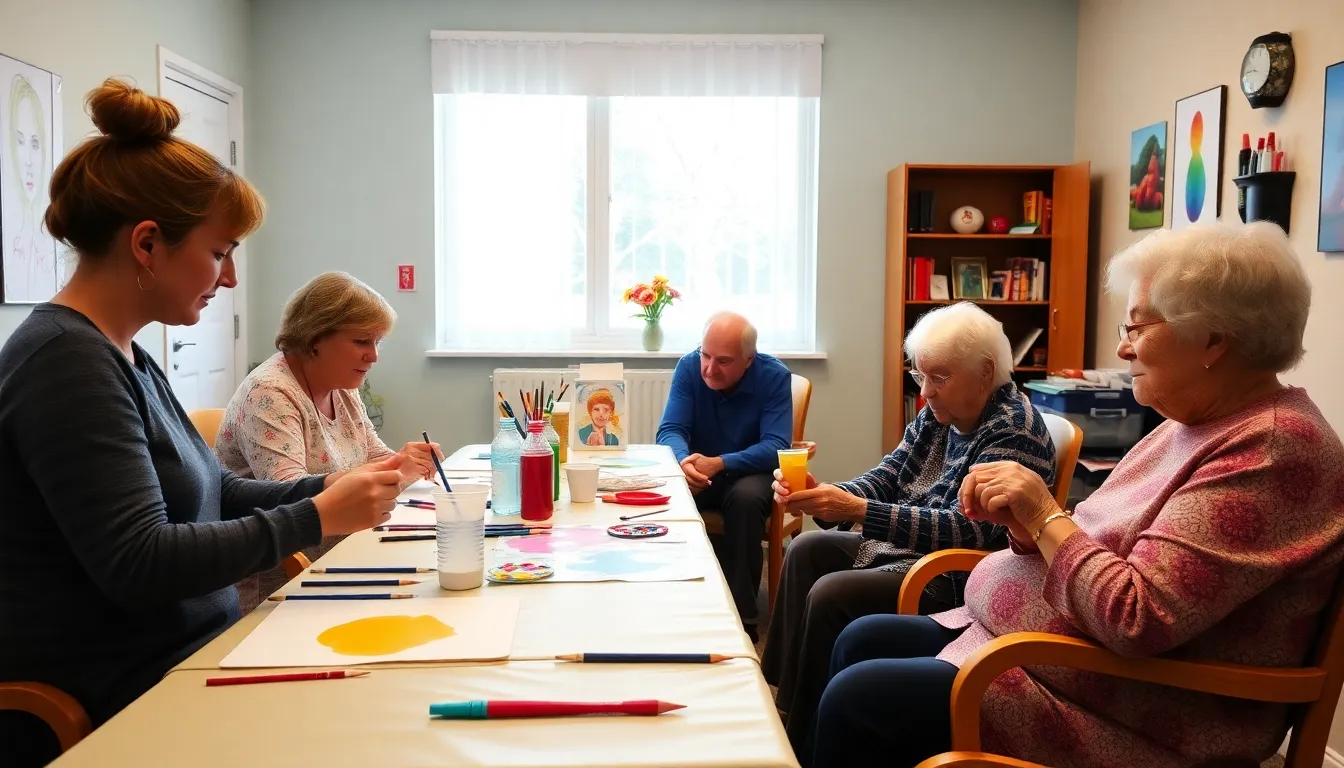
In the short term, these art sessions can lead to immediate improvements in patient mood and social interaction, creating a more vibrant atmosphere within the hospice. Mid-term effects may include increased community support for hospice initiatives, leading to potential funding opportunities and volunteer engagement, which can enhance the overall quality of care provided.
- Enhanced patient morale: Engaging in art can provide patients with a sense of purpose and joy.
- Community bonding: Collaborative projects foster stronger ties between schools and hospices.
- Potential funding opportunities: Increased visibility of hospice needs may attract donations and grants.
- Volunteerism: More community members may become involved, enriching the hospice environment.
However, there are risks to consider as well. The sustainability of such programs may depend on continuous funding and volunteer support. If these resources dwindle, the positive impacts could diminish, leaving patients without vital creative outlets. Additionally, there may be challenges in integrating art sessions into the existing care routines, which could create stress for staff if not managed effectively.
A: The sessions include painting, drawing, and crafting activities that allow patients to express themselves creatively. A: These sessions are held weekly, providing regular opportunities for patients to engage with the pupils. A: Local schools collaborate with the hospice to coordinate and facilitate the art sessions. A: The sessions are designed for all ages, allowing both young patients and older adults to participate. A: Many patients report feeling happier and more connected after participating, highlighting the emotional benefits of art.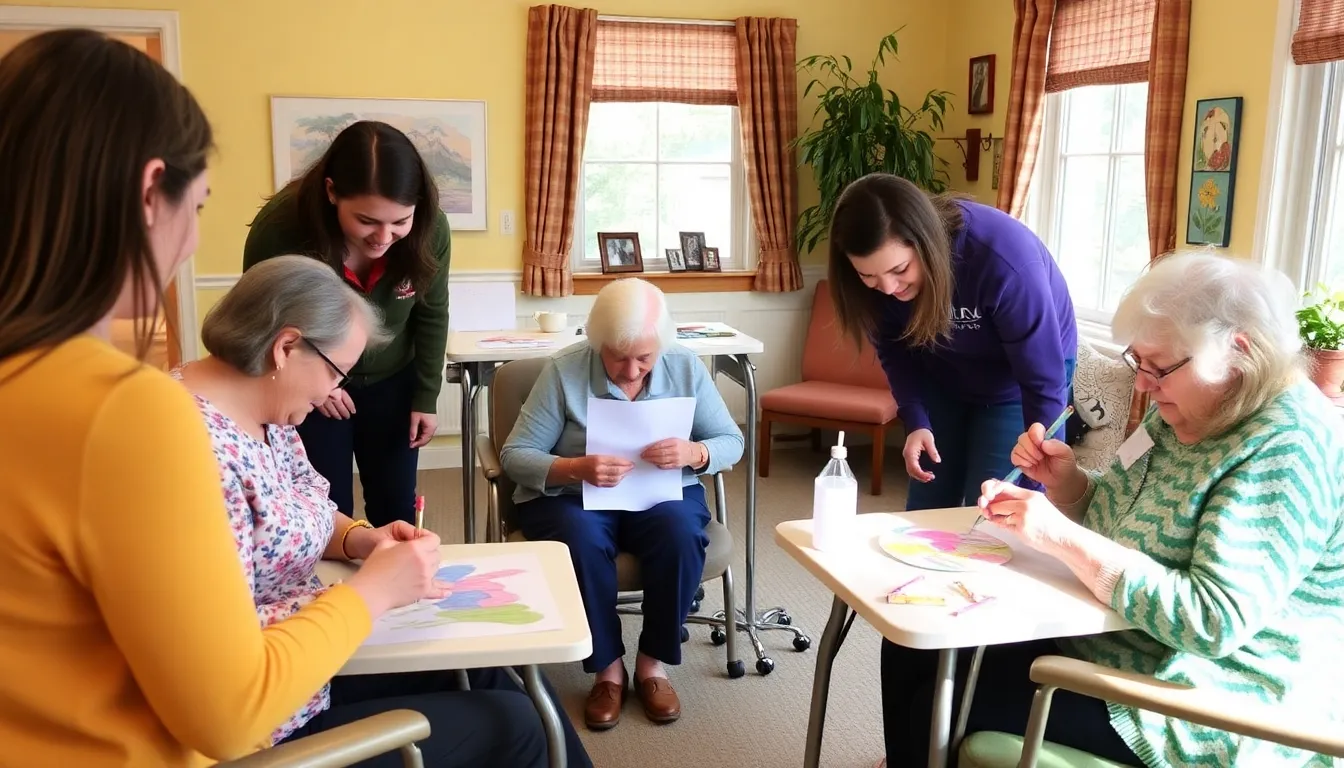
Frequently asked questions about the art sessions
Looking ahead at the future of art in hospice care
The integration of pupil-led art sessions into hospice environments highlights the profound impact that creative expression can have on both patients and caregivers. These initiatives not only provide a source of joy and connection but also foster a sense of community and purpose. As we look to the future, the potential for similar programs to enhance the quality of life for those in hospice care becomes increasingly evident.
Continued collaboration between educational institutions and healthcare facilities can pave the way for innovative approaches to emotional and psychological support. The success of these art sessions serves as a model for other therapeutic activities, suggesting that engaging with the arts can play a crucial role in holistic care practices.
- Encouraging more partnerships between schools and hospices can lead to a wider variety of creative programs.
- Art therapy may become an essential component of hospice care, promoting emotional well-being among patients and families.
- Documenting the outcomes of these sessions can provide valuable insights for future healthcare practices and funding opportunities.
- Expanding the reach of such initiatives could enhance community involvement and awareness of hospice care needs.
- Training volunteers and staff in art facilitation could further enrich the experience for patients and improve overall care.