
The Artemis II mission, slated for launch in 2024, aims to return humans to the Moon as part of a broader initiative to establish a sustainable presence there. Trump’s remarks came during a ceremonial event, where he emphasized the importance of U.S. leadership in space exploration, despite his earlier efforts that could have undermined NASA’s budget. For more on the astronauts preparing for this historic journey, visit this article.
In 2018, Trump proposed a budget that included cuts to various NASA programs, which raised concerns about the future of space exploration. Critics argue that his recent comments are contradictory and highlight a disconnect between his administration’s actions and the current goals of the agency. This duality is especially evident when discussing the successes of the Artemis program, which he frequently touts.
The Artemis program represents a significant investment in space exploration, with the potential to advance scientific knowledge and foster international partnerships. As the mission progresses, the dialogue surrounding funding and political support for NASA continues to be a critical issue for its future endeavors.
Understanding the historical budget debates surrounding NASA
NASA, the United States government agency responsible for the nation’s civilian space program and for aeronautics and aerospace research, has faced ongoing budgetary challenges since its inception in 1958. Over the decades, the agency has been at the center of political debates regarding funding priorities, especially during periods of economic downturn or shifting political landscapes. The tension between ambitious space exploration goals and budget constraints has often led to contentious discussions in Congress.
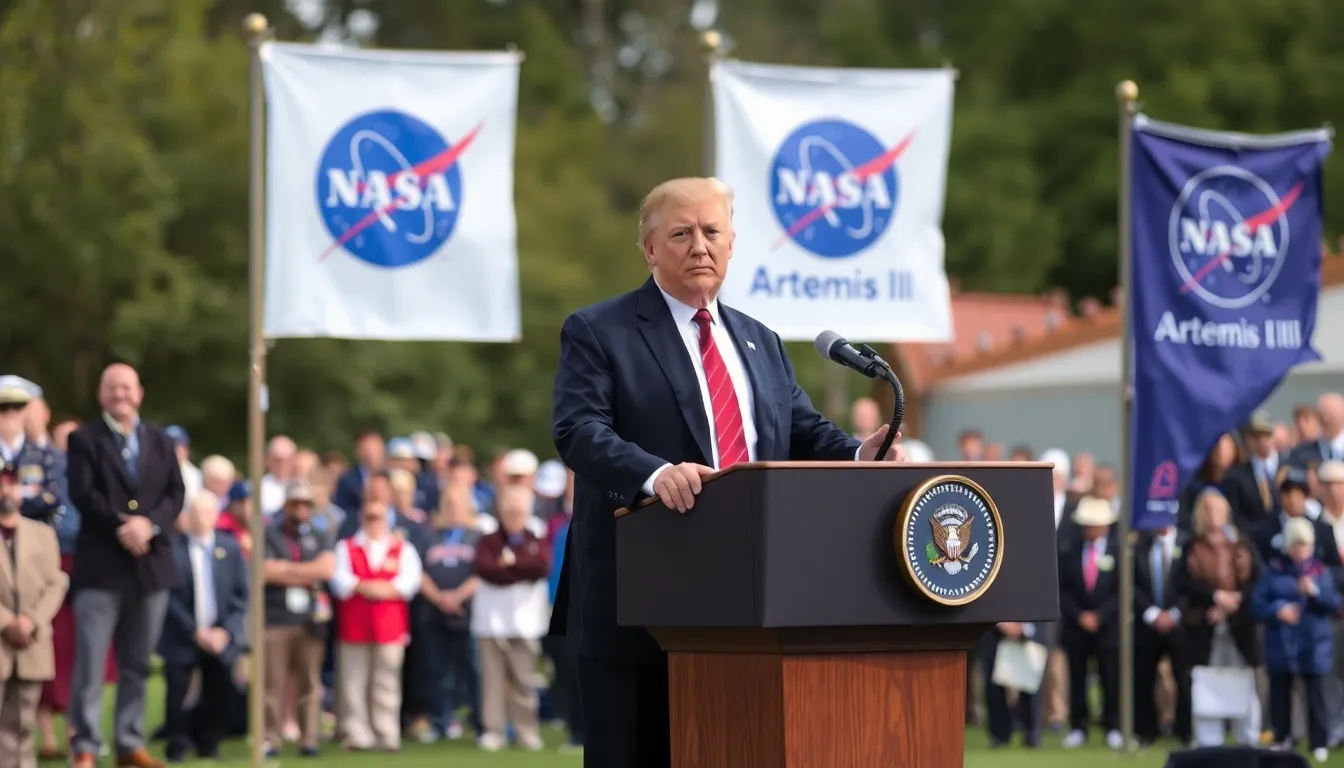
One significant milestone in NASA’s budget history occurred during the 1970s when the agency’s focus shifted from the Apollo program to a more sustainable approach with the Space Shuttle program. This transition was marked by a series of budget cuts that aimed to redirect funds towards other pressing national priorities, reflecting a broader skepticism about the value of space exploration among lawmakers. Such budgetary constraints have historically compelled NASA to adapt its missions and objectives, often leading to compromises that have affected its long-term strategic vision.
The Trump Administration’s Budget Proposals
During Donald Trump’s presidency, NASA’s budget became a focal point of debate. In his proposed budgets, Trump sought significant cuts to the agency, arguing that the funds could be better utilized elsewhere. However, these proposals were met with bipartisan resistance in Congress, where many lawmakers recognized the strategic importance of maintaining robust funding for NASA. This pushback highlighted a growing consensus on the necessity of space exploration for both national security and technological innovation.
Despite his attempts to slash NASA’s budget, Trump has frequently taken credit for the agency’s successes, particularly in relation to the Artemis program, which aims to return humans to the Moon by the mid-2020s. His narrative suggests a paradox where, despite advocating for cuts, he positioned himself as a champion of NASA’s initiatives, reflecting the complex interplay between political rhetoric and the realities of agency funding. Notably, during this mission, the crew is set to witness a solar eclipse on the Moon’s far side, as detailed in this insightful article.
The ongoing debates surrounding NASA’s budget underscore a broader conversation about the role of government in scientific advancement and exploration. As political leaders grapple with competing priorities, the future of NASA remains a critical issue that will shape the landscape of space exploration for years to come.
The implications of Trump’s statements on NASA’s future
Former President Donald Trump’s recent remarks to the Artemis II crew, claiming he “saved” NASA despite his previous attempts to cut the agency’s budget, highlight a complex interplay of interests among various stakeholders in the space exploration sector. Key actors include NASA, the federal government, and private aerospace companies, each with distinct motivations and concerns regarding funding and policy direction.
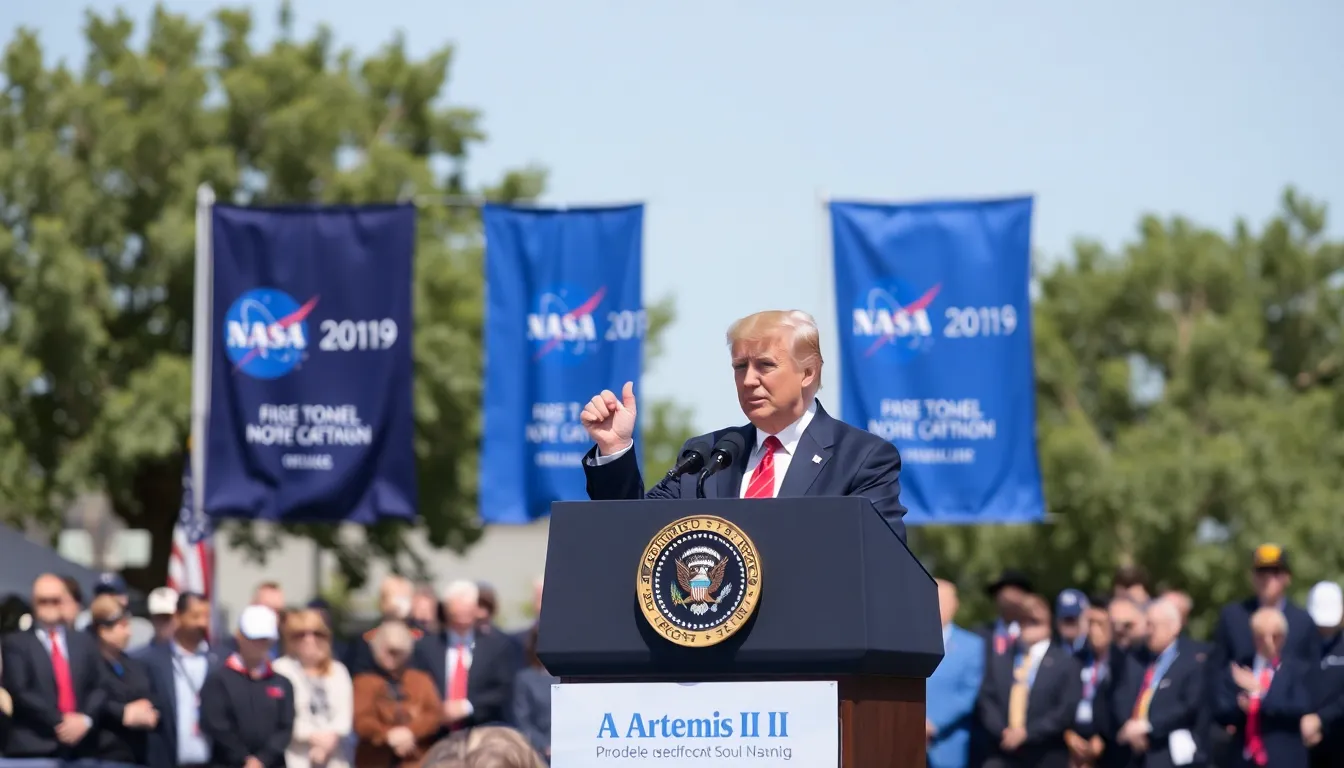
Nasa, as the primary agency responsible for the United States’ civilian space program, has a vested interest in securing stable funding to continue its ambitious projects, including the Artemis program aimed at returning humans to the Moon. The agency’s leadership must navigate political pressures while advocating for the necessary resources to achieve its scientific and exploratory goals.
The federal government, particularly Congress, plays a crucial role in determining NASA’s budget. Conflicts arise when different political factions prioritize various aspects of space exploration, such as human spaceflight versus robotic missions, or when budget cuts are proposed. Trump’s contradictory stance raises questions about the reliability of funding commitments and the potential impact on long-term projects.
- Budget Cuts vs. Funding Increases: The tension between proposed budget cuts during Trump’s administration and subsequent funding increases under different leadership could create uncertainty for NASA’s planning.
- Public-Private Partnerships: The involvement of private aerospace companies introduces additional dynamics, as these entities seek government contracts and support while navigating the shifting political landscape.
- International Collaboration: As NASA engages in partnerships with other nations for lunar exploration, conflicting U.S. policies could affect international relations and collaborative efforts.
Ultimately, Trump’s statements reflect a broader narrative about the future of space exploration in the U.S., where political rhetoric can significantly influence public perception and funding strategies. Stakeholders must remain vigilant in addressing the potential discrepancies between political promises and the realities of budgetary constraints.
Who is affected by NASA’s budget and Trump’s claims
The ongoing discourse surrounding NASA’s budget and Trump’s assertions about his role in its preservation has significant implications for various groups, industries, and regions. The primary stakeholders include NASA employees, the aerospace industry, educational institutions, and local economies surrounding space centers.
In the short term, NASA employees may experience a sense of job security due to the perceived stabilization of funding, which could lead to increased morale and productivity. However, the uncertainty surrounding future budgets can create anxiety among staff, impacting their daily work environment. The aerospace industry, which relies heavily on NASA contracts, may also feel immediate effects as companies assess their project pipelines and workforce needs in light of funding announcements.
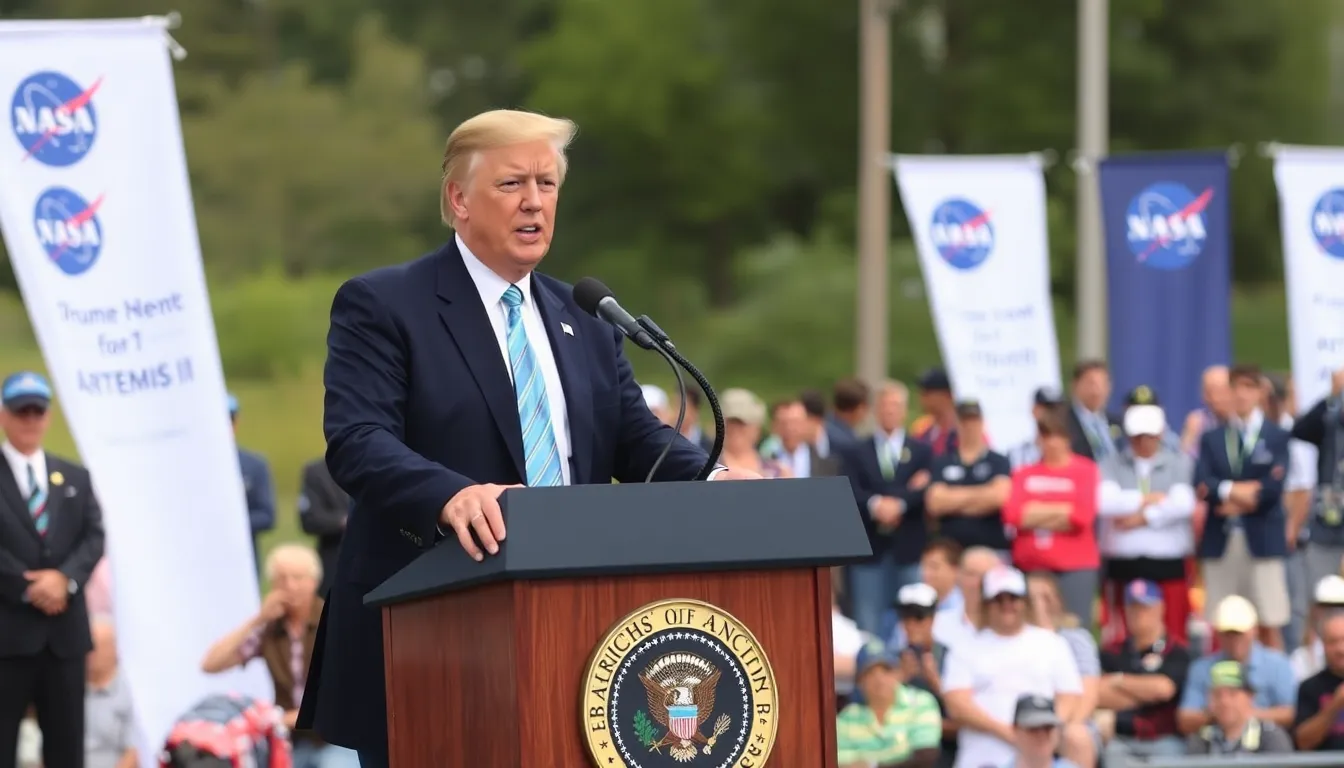
Mid-term impacts could manifest in regional economies, particularly in areas with significant aerospace operations, such as Florida and Texas. These regions may see a boost in employment and business opportunities as NASA continues its projects, including Artemis II. However, if funding cuts materialize in the future, local economies could face downturns, affecting jobs and local businesses that depend on NASA contracts.
- Short-term Job Security: Increased morale among NASA employees.
- Aerospace Industry Stability: Potential growth in contracts and projects.
- Regional Economic Boost: Jobs and business opportunities in aerospace hubs.
- Future Uncertainty: Risks of budget cuts affecting long-term planning.
While risks are evident, there are also opportunities for innovation and collaboration within the aerospace sector. Companies may seek to diversify their portfolios or partner with educational institutions to foster a new generation of engineers and scientists, potentially leading to advancements in technology and exploration initiatives.
A: Trump claimed that he saved NASA despite his efforts to cut its budget, suggesting that his administration played a crucial role in supporting the agency. A: NASA’s budgets have fluctuated significantly, often depending on the political climate and priorities of the sitting administration. A: The Artemis II mission is vital as it aims to return humans to the Moon, marking a significant step in NASA’s efforts for future Mars exploration. A: Budget cuts can lead to delays, cancellations, or scaling back of important projects, affecting research and development in space exploration. A: Reactions have been mixed, with some praising the support for NASA while others criticize the inconsistency of budgetary actions.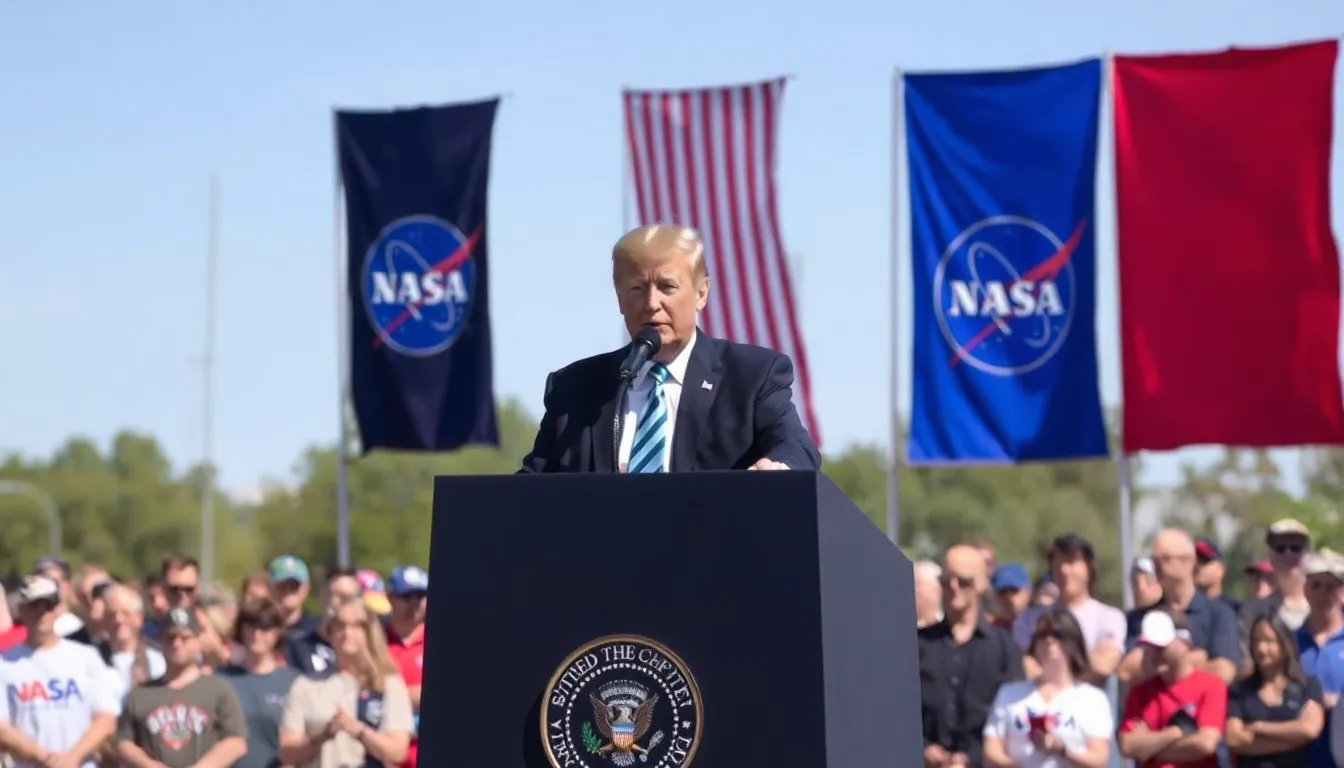
Frequently asked questions about Trump’s comments on NASA
Key takeaways and future outlook on NASA funding
The recent remarks by former President Trump to the Artemis II crew highlight a complex relationship between political leadership and NASA’s funding landscape. Despite his previous attempts to cut the agency’s budget, Trump now claims credit for its current trajectory, suggesting a shift in narrative that may influence public perception and future funding debates. As NASA gears up for ambitious missions, the interplay between political support and fiscal realities will be critical in shaping its initiatives.
Looking ahead, stakeholders must remain vigilant about the implications of political rhetoric on NASA’s operational capabilities and long-term goals. The agency’s funding will likely remain a contentious issue, with potential impacts on international collaborations and technological advancements in space exploration.
- Funding Stability: Watch for fluctuations in budget proposals that could affect NASA’s long-term projects and mission timelines.
- Political Influence: Monitor how upcoming elections may impact support for NASA and space exploration initiatives.
- Public Perception: Consider how statements from political figures shape public support for NASA, which can influence funding decisions.
- International Collaboration: Keep an eye on how budget discussions might affect partnerships with other countries in space exploration efforts.
- Technological Advancements: Assess how funding changes could impact NASA’s ability to innovate and develop new technologies for future missions.