
Local volunteers and staff have organized various festivities, including music, dance, and art activities, aimed at engaging residents and encouraging social interaction. These celebrations not only provide entertainment but also promote mental well-being, which is crucial for the elderly population, especially during winter months.
János Bődey, a renowned Hungarian photographer, captured these moments beautifully, highlighting the laughter and camaraderie among residents. His photographs serve as a reminder of the importance of community and joy in the lives of senior citizens, emphasizing that age should not diminish one’s ability to celebrate life.
By showcasing these joyful moments, the event underscores the significance of creating inclusive spaces that foster connection and happiness among older adults, much like the vibrant atmosphere at community events.
Understanding the significance of Carnival in Hungarian culture
Carnival, traditionally celebrated before Lent, holds a special place in Hungarian culture, marked by vibrant festivities and communal gatherings. This period is characterized by joy, revelry, and a temporary suspension of social norms, allowing individuals to express themselves freely through costumes, music, and dance. The roots of Carnival in Hungary can be traced back to both pagan traditions and Christian influences, creating a rich tapestry of customs that reflect the nation’s diverse heritage.
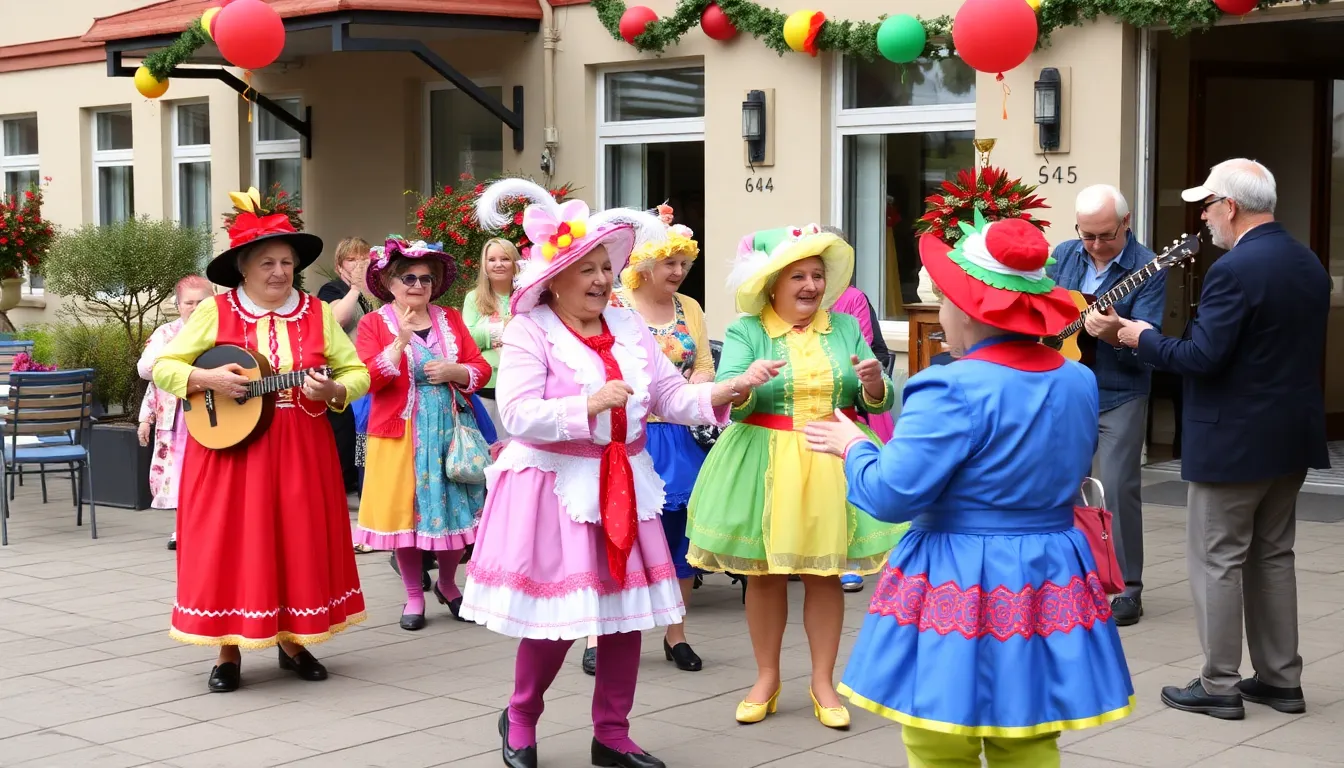
Historically, Carnival celebrations in Hungary have served as a means of social cohesion, particularly in rural communities. Events often feature local folk traditions, with participants donning elaborate masks and costumes that symbolize various characters from folklore. These celebrations not only provide entertainment but also foster a sense of belonging among participants, reinforcing community ties and cultural identity.
In the context of modern society, the significance of Carnival has evolved, especially in urban areas where the celebrations have adapted to contemporary tastes. However, the essence of Carnival as a time for unity and joy remains intact. The celebrations at retirement homes, such as the one captured in János Bődey’s photograph, highlight the importance of inclusivity and the need for older generations to engage in cultural practices that promote happiness and connection.
The Role of Retirement Homes in Cultural Preservation
These institutions play a crucial role in preserving cultural heritage by organizing activities that allow seniors to relive their memories and share their experiences with younger generations, echoing the spirit of celebratory competitions that enrich community ties.
Examining the role of photography in documenting community events
The celebration of Carnival at a Hungarian retirement home, captured through the lens of photographer János Bődey, serves as a poignant reminder of the importance of community engagement for elderly residents. This event highlights the interplay between various stakeholders, including the retirement home management, residents, families, and local organizations. Each actor has unique interests that shape the dynamics of the celebration.
For the retirement home management, facilitating such events is crucial for promoting a vibrant community atmosphere and enhancing the quality of life for residents. They aim to foster social connections among residents, which can lead to improved mental health and emotional well-being. On the other hand, residents may have varying degrees of interest in participating, with some embracing the festivities while others may feel overwhelmed or disengaged.
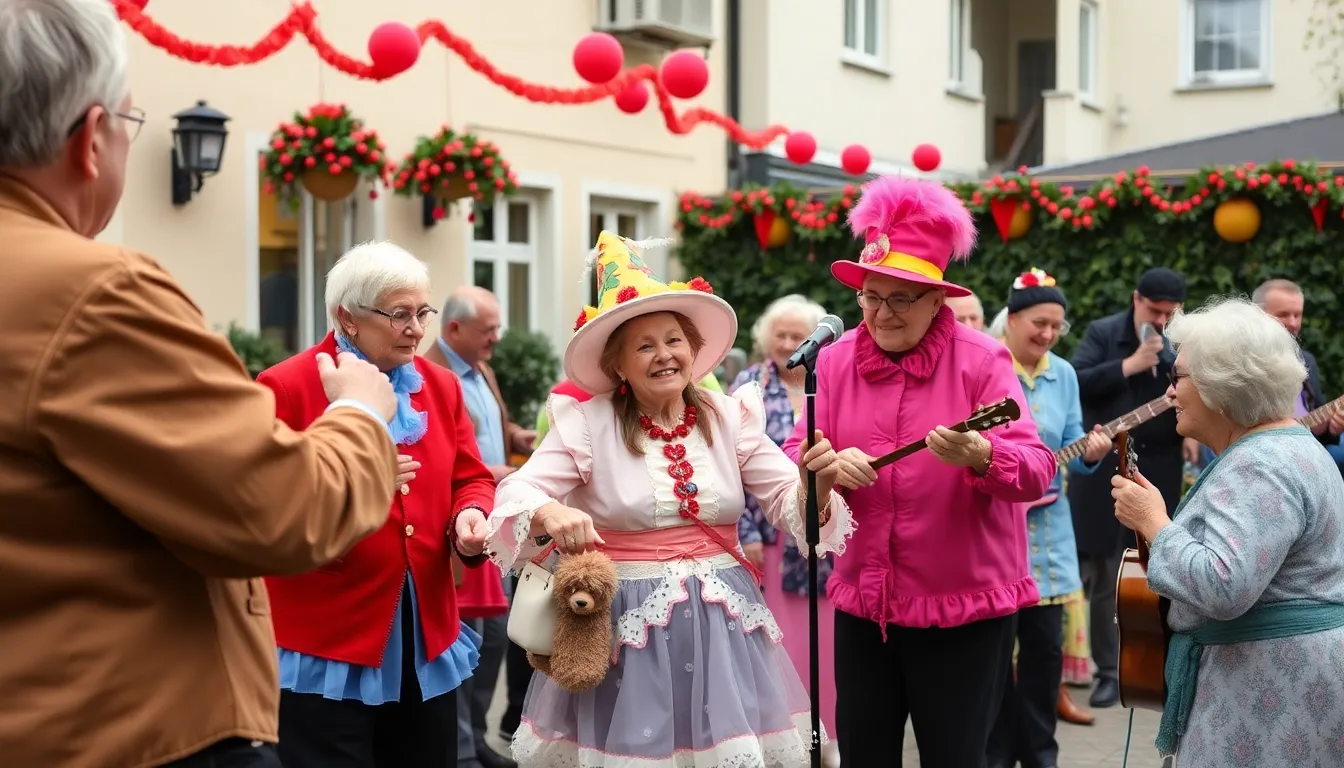
Families of the residents also play a significant role, as they often seek opportunities to engage with their loved ones in meaningful ways. Their participation can strengthen familial bonds and provide reassurance about the care and activities available to their relatives. Local organizations, such as cultural groups or volunteer organizations, may also be involved, seeking to enrich the lives of the elderly through community service and cultural exchange.
- Conflicts: There may be disagreements between management and residents regarding the types of activities offered, with some residents preferring quieter events.
- Trade-offs: Balancing the interests of residents who wish for more traditional celebrations against those who favor modern, lively festivities can be challenging.
- Legal issues: Ensuring that all activities comply with health and safety regulations is vital, especially in a setting with vulnerable populations.
- Economic considerations: Funding for events often comes from limited budgets, requiring careful planning and resource allocation to maximize participation.
Ultimately, the Carnival celebration at the retirement home, as documented by Bődey, encapsulates the complex interactions among these stakeholders. It reflects broader societal trends regarding aging, community involvement, and the role of photography in preserving and promoting cultural heritage.
The positive effects of celebrations on residents’ well-being
The event has resonated with various groups, including families of residents, staff members, and local businesses that cater to the needs of the retirement home, reminding us of the importance of support systems similar to those highlighted in the case of celebrity tribulations.
In the short term, the celebrations have significantly enhanced the daily lives of the residents. Engaging in festive activities can lead to improved mental health, reducing feelings of loneliness and depression. Families visiting during the celebrations have also experienced a renewed connection with their loved ones, creating memorable moments that strengthen familial bonds.
From a business perspective, local vendors and service providers have benefited from the influx of visitors to the retirement home. Catering services, entertainment providers, and local artisans have seen increased demand, showcasing the potential for economic opportunities surrounding community events. This ripple effect can lead to a more vibrant local economy and a strengthened sense of community.
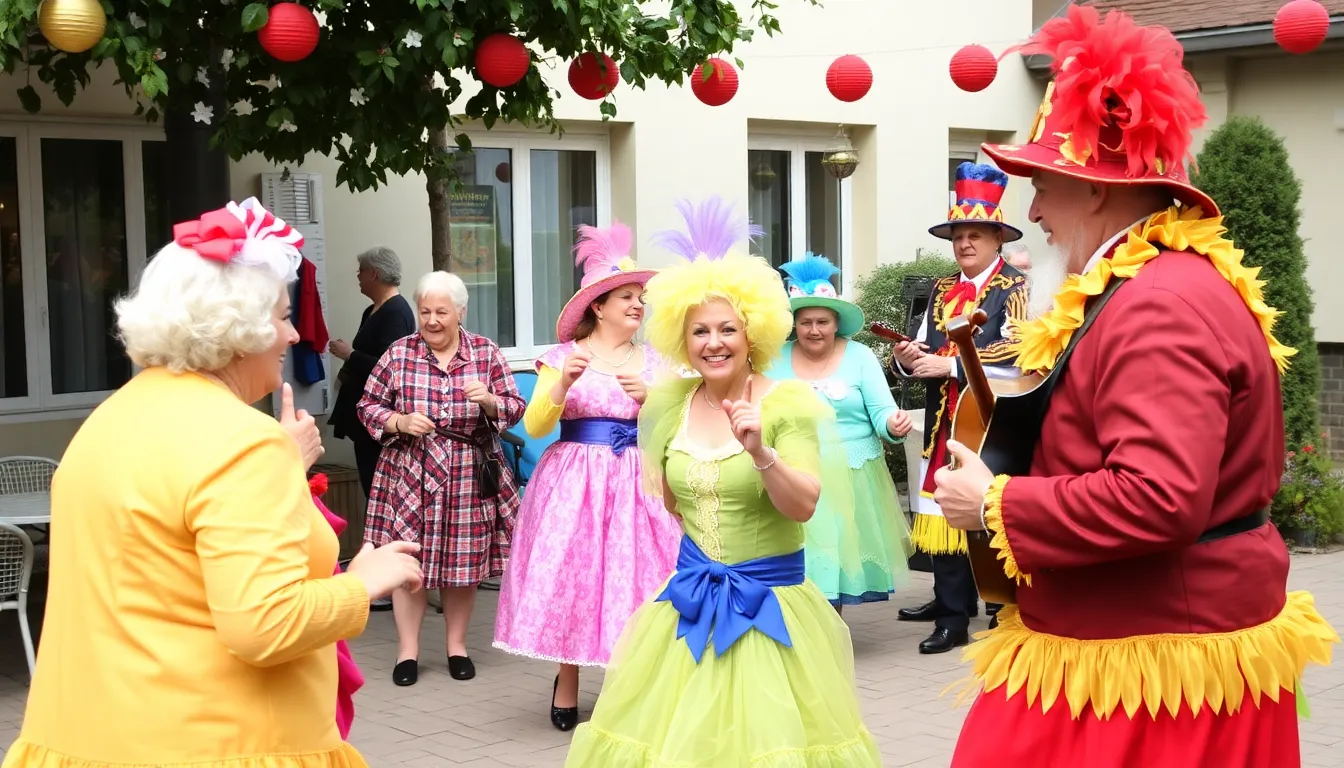
- Short-term impacts: Enhanced resident well-being, increased family engagement, and boosted local businesses.
- Mid-term impacts: Potential policy changes favoring community events in retirement homes and increased funding for similar initiatives.
- Risks: Possible burnout among staff due to the demands of organizing such events and the challenge of sustaining engagement over time.
- Opportunities: Establishing regular community events that can attract attention and resources, fostering a culture of inclusivity and celebration.
As these celebrations continue to evolve, they hold the potential to influence policies regarding elderly care and community engagement, promoting a model that prioritizes the well-being and happiness of senior residents. This could lead to a greater emphasis on similar initiatives across the country, enhancing the overall quality of life for the elderly population.
A: Carnival celebrations in Hungary are rooted in tradition and symbolize joy and community spirit. They often involve music, dance, and colorful costumes, bringing together people of all ages. A: János Bődey’s photography highlights the emotions and interactions among residents during the Carnival. His ability to capture candid moments adds depth to the narrative of the celebration. A: Residents of the retirement home, staff members, and local community volunteers all participated in the Carnival celebrations, fostering a sense of togetherness and joy. A: The celebrations featured music performances, dance, costume parades, and various games, allowing residents to engage actively and enjoy the festivities. A: Events like Carnival celebrations can significantly boost the mental health of residents by reducing feelings of isolation, enhancing social interaction, and promoting a positive atmosphere.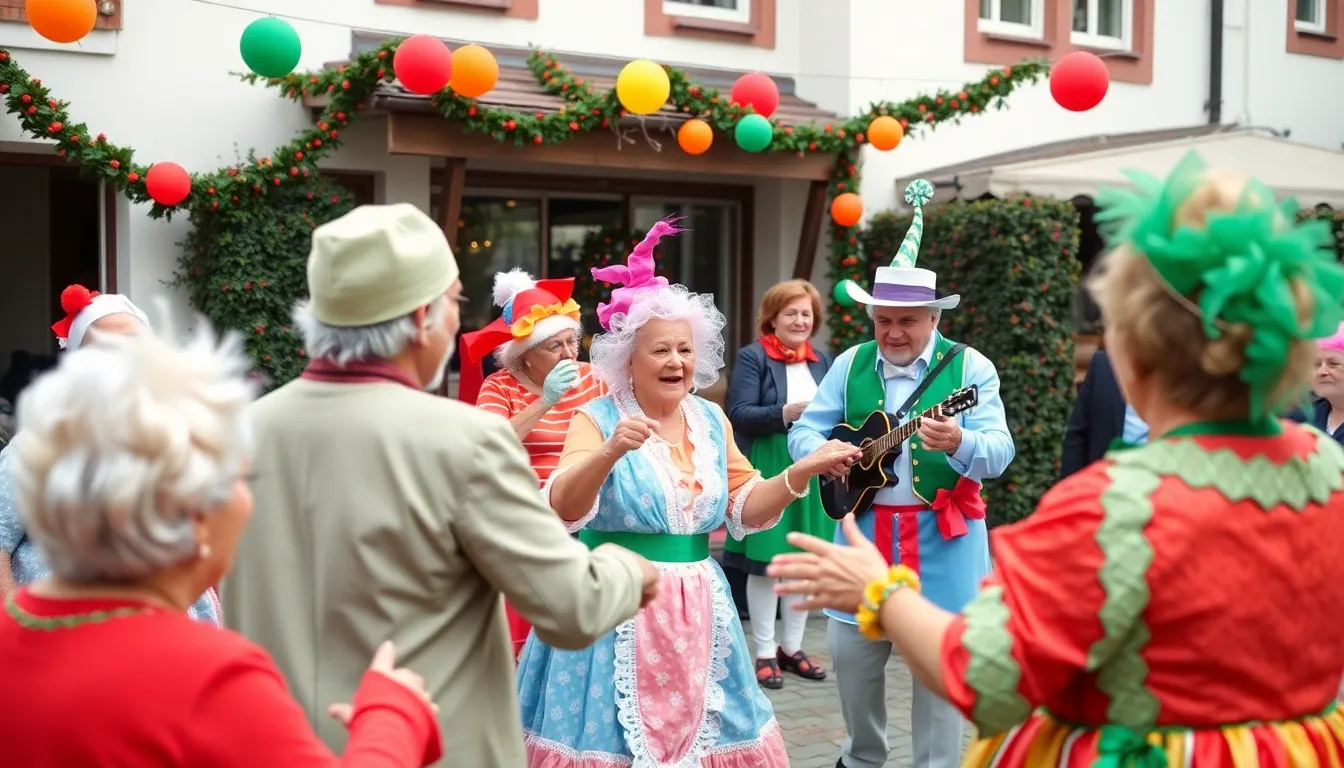
Frequently asked questions about the Carnival event
Key takeaways from the Carnival celebrations and their future
The Carnival celebrations at the Hungarian retirement home, captured beautifully by János Bődey, highlight the importance of community and joy in the lives of the elderly. These events not only provide entertainment but also foster a sense of belonging and connection among residents, which is crucial for their emotional well-being. As society continues to age, the insights gained from these celebrations can inform future initiatives aimed at enhancing the quality of life for senior citizens.
Looking ahead, there are opportunities to expand such communal activities, ensuring they are inclusive and cater to diverse interests. The success of this event indicates a growing recognition of the value of social interaction in retirement homes, potentially influencing policies and funding for similar programs across the country.
- Emphasizing the role of community events in improving mental health among seniors.
- Exploring partnerships with local organizations to enrich the variety of activities offered.
- Encouraging families to participate in events, strengthening intergenerational bonds.
- Advocating for increased funding and resources to support ongoing cultural celebrations in retirement settings.
- Monitoring the long-term impacts of such events on residents’ overall well-being and social engagement.