
This specific phase of the mission will allow scientists and astronauts to observe the solar eclipse without the interference of Earth’s light, offering a unique opportunity to study the sun’s corona and solar activity in greater detail, as highlighted in this related article.
As the crew orbits the moon, they will be in a position to capture high-resolution images and data during the eclipse, contributing to our understanding of solar phenomena. This mission underscores the significant advancements in space exploration and the potential for future research opportunities beyond Earth.
With only a few months remaining until the eclipse, preparations are underway to ensure the crew is equipped for this remarkable experience. The event not only highlights the mission’s scientific objectives but also serves to inspire public interest in space exploration and the wonders of our solar system.
Understanding the significance of solar eclipses in space exploration
Solar eclipses have long captivated humanity, serving as both astronomical phenomena and cultural milestones. Historically, eclipses have been seen as omens or significant events, influencing ancient civilizations’ beliefs and practices. In the context of space exploration, solar eclipses provide unique opportunities for scientific observation and experimentation, particularly when viewed from extraordinary vantage points such as the far side of the moon.
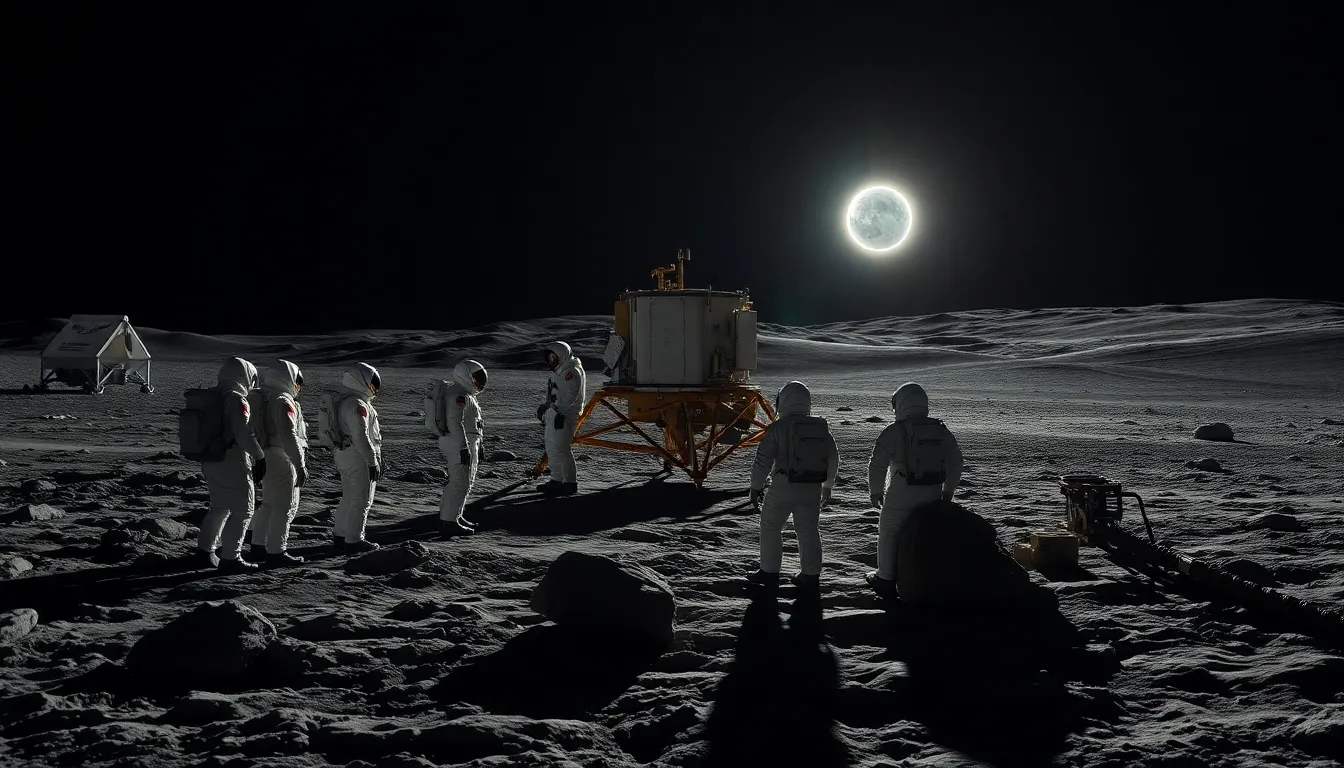
The upcoming solar eclipse will allow astronauts to experience this rare event from a location that offers an unobstructed view of the sun’s corona, providing invaluable data for scientists studying solar phenomena, akin to the important observations detailed in previous missions.
The role of international collaboration in lunar exploration
The significance of this event is further underscored by the collaborative efforts of various space agencies around the world. The Artemis program, led by NASA, aims to return humans to the moon and establish a sustainable presence there. This mission not only seeks to advance scientific knowledge but also to foster international partnerships in space exploration. The solar eclipse witnessed by the crew will symbolize the culmination of decades of advancements in technology and international cooperation in exploring our solar system.
Moreover, the economic implications of lunar exploration cannot be overlooked. As nations invest in space technology and infrastructure, the potential for resource extraction from the moon becomes increasingly viable. The upcoming solar eclipse serves as a reminder of the moon’s strategic importance, not just for scientific discovery but also for future economic opportunities that may arise from lunar exploration.
This event is a testament to humanity’s enduring quest for knowledge and the collaborative spirit that drives space exploration forward, similar to the historical contexts explored in recent lunar missions.
Exploring the implications for science and technology
The upcoming solar eclipse visible to the crew on the far side of the moon presents a unique opportunity for various stakeholders, including space agencies, scientists, and private aerospace companies. Each of these actors has distinct interests that could shape the outcomes of this event. NASA, for instance, aims to gather data that could enhance our understanding of solar phenomena and their effects on space weather.
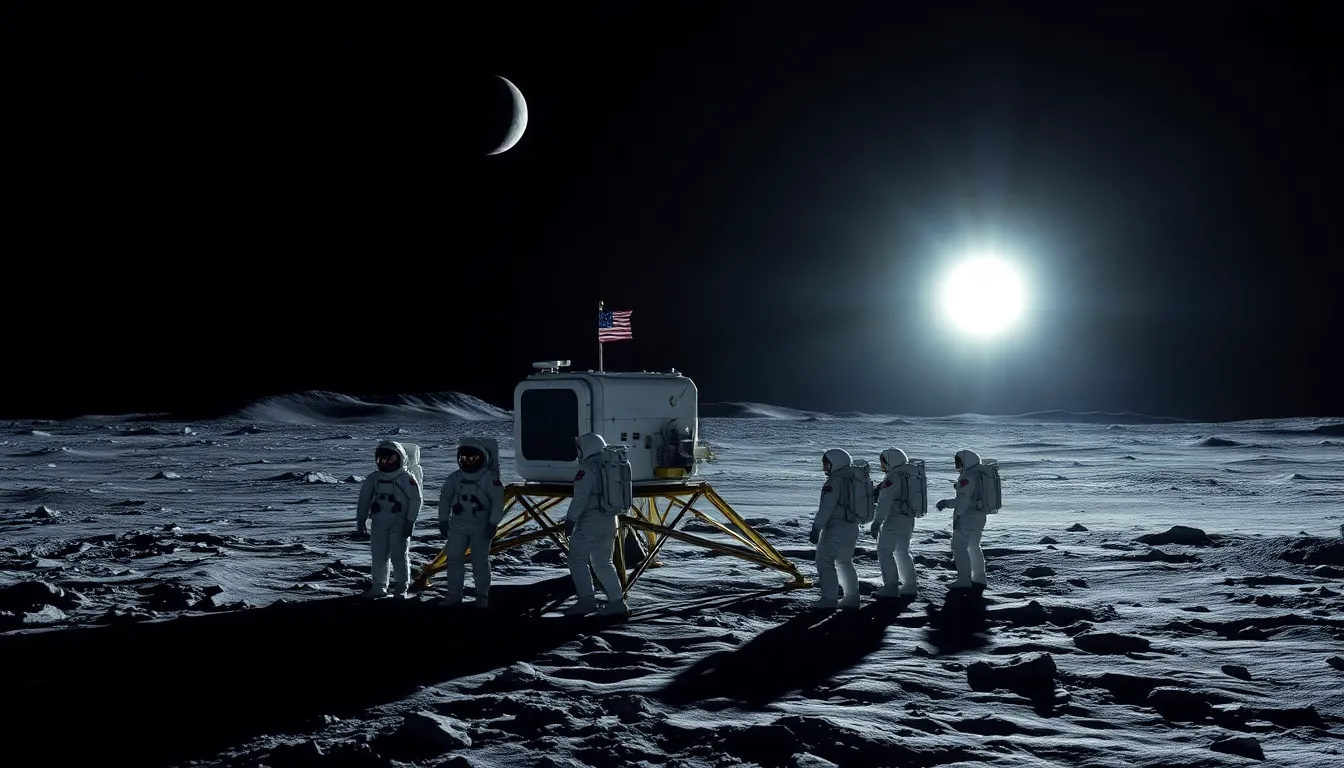
Moreover, international space organizations, such as the European Space Agency (ESA) and the Indian Space Research Organisation (ISRO), are likely to collaborate or observe the event closely. Their interests lie in advancing lunar exploration technologies and fostering global partnerships in space science. This collaboration could lead to shared research findings that benefit all parties involved.
However, the event is not without its conflicts and trade-offs. For example, the limited window for observation may lead to competition among different entities for data collection. The economic implications of such competition could drive innovation but also create tensions over intellectual property rights and data sharing agreements.
- Scientific Collaboration: Potential for joint missions and shared research between nations.
- Technological Advancements: Development of new instruments to observe the eclipse.
- Economic Interests: Private companies may seek to monetize data or technology derived from the event.
- Legal Considerations: Issues surrounding space law and ownership of lunar resources may arise.
- Public Engagement: Opportunities for educational outreach and public interest in space exploration.
In addition to these factors, the event raises questions about the ethical implications of space exploration. As stakeholders navigate the complexities of collaboration and competition, they must also consider the broader impacts of their activities on future lunar missions and the sustainability of space exploration efforts.
How this event will affect scientific research and public interest
The upcoming solar eclipse, visible to the crew on the far side of the moon, will have significant implications for various groups and industries, particularly in the fields of astronomy, space exploration, and education. Scientists and researchers are poised to gain unique insights into solar phenomena, enhancing our understanding of the sun’s behavior and its effects on space weather.
In the short term, the event is expected to generate heightened public interest in space exploration and astronomy. Educational institutions may leverage this opportunity to engage students through special programs and viewing events, potentially increasing enrollment in science-related fields. The excitement surrounding the eclipse could also lead to a surge in tourism for space-related events and exhibitions.
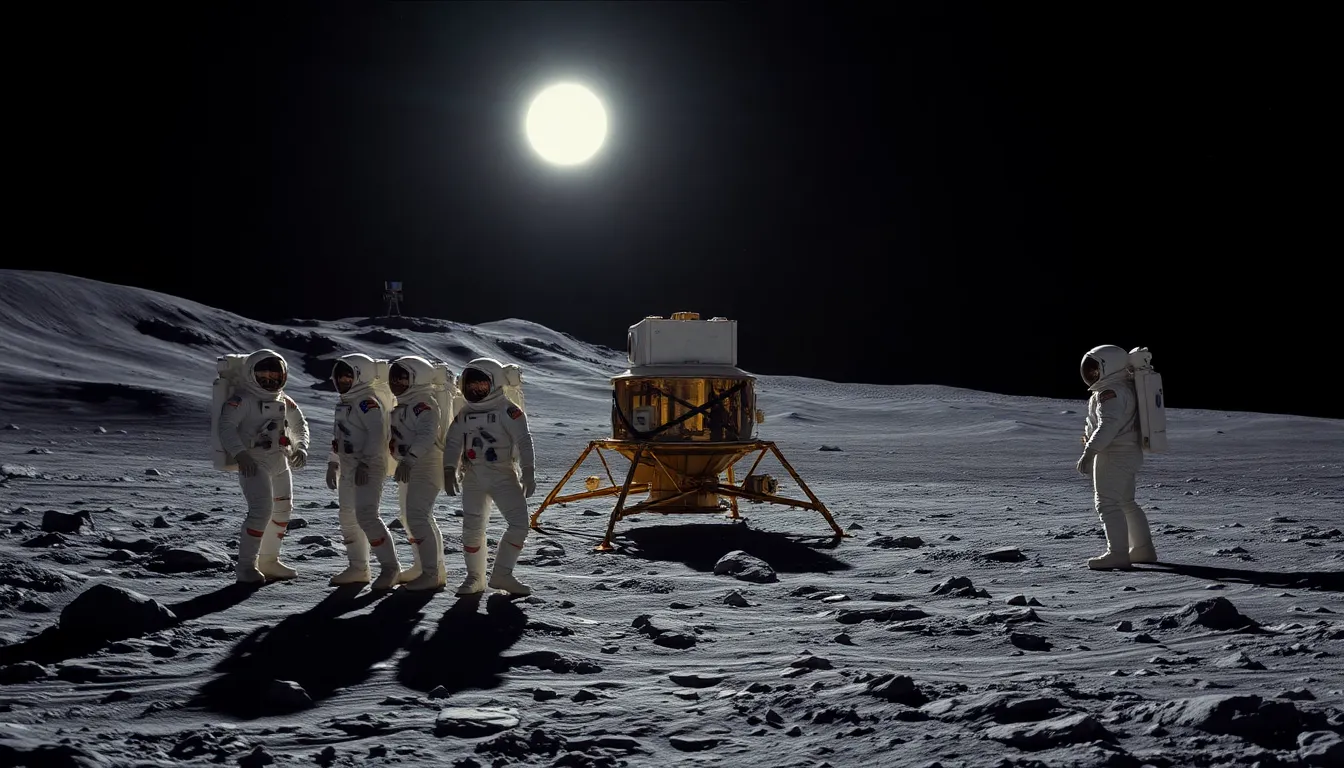
In the mid-term, businesses related to space technology and research could see increased investment and funding as the significance of this event is recognized. Companies involved in satellite technology, data analysis, and space tourism might experience growth as public and private sectors look to capitalize on the scientific data generated from this unique occurrence.
- Scientific Research: Enhanced understanding of solar dynamics and space weather.
- Public Engagement: Increased interest in astronomy and science education.
- Economic Opportunities: Growth in space-related industries and tourism.
However, there are risks associated with this event as well. Potential challenges include the need for robust communication and coordination among international space agencies to ensure the safe and effective observation of the eclipse. Additionally, any technical failures during the mission could lead to setbacks in ongoing research and public trust in space exploration initiatives.
A: The solar eclipse is expected to occur on the third day of the mission, providing a stunning view for the crew as they orbit the moon. A: This solar eclipse is unique because the crew will be on the far side of the moon, where they will experience a complete blockage of sunlight by the earth. A: The crew will use specialized equipment to safely observe the solar eclipse, ensuring they can capture valuable data and images. A: Observing a solar eclipse from the moon allows scientists to study the sun’s corona and other solar phenomena without the interference of Earth’s atmosphere. A: No, this particular solar eclipse will not be visible from Earth as it will occur on the far side of the moon.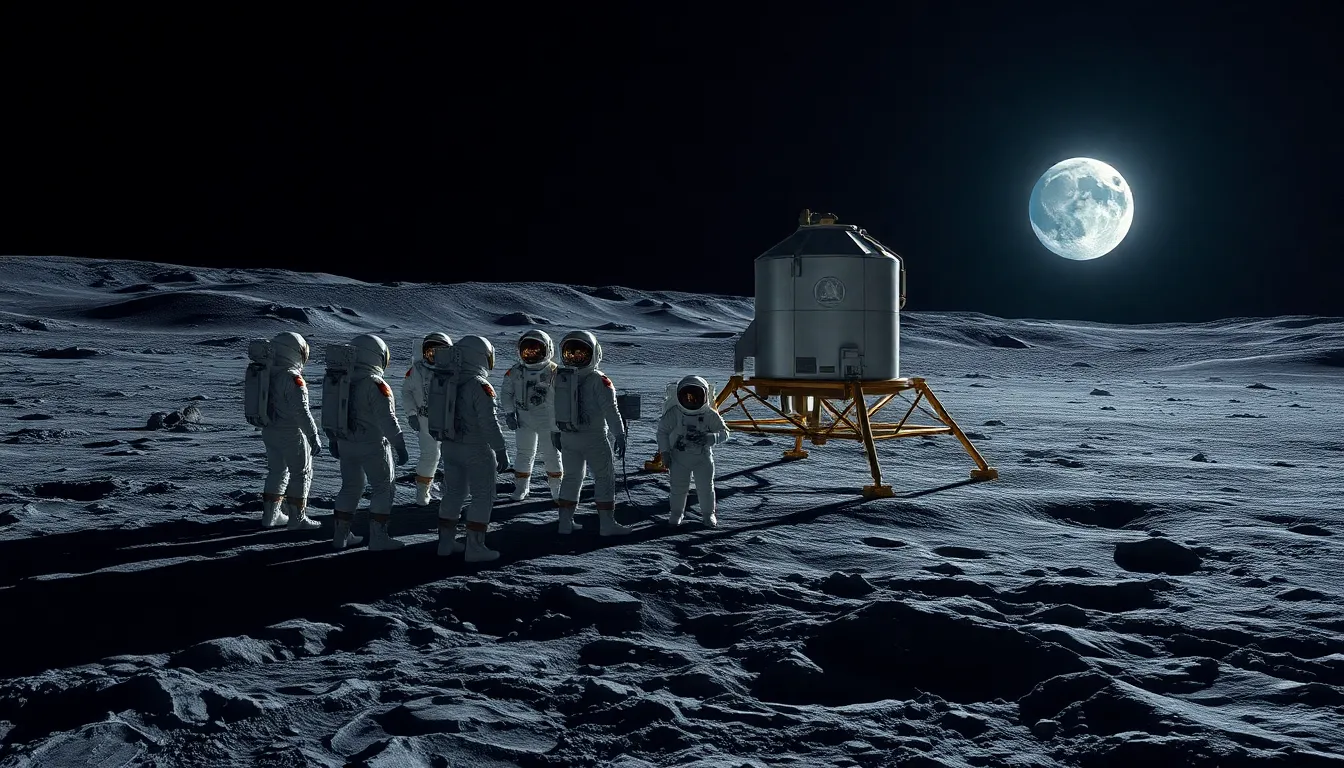
Frequently Asked Questions about the solar eclipse event
Key takeaways and future outlook on lunar missions
The upcoming solar eclipse experienced by the crew on the far side of the moon represents a significant milestone in lunar exploration. This event not only highlights the unique astronomical phenomena that can be observed from the moon but also underscores the potential for scientific advancements in understanding both solar and lunar dynamics. As missions become more frequent and sophisticated, the implications of such experiences will extend beyond mere observation.
Future lunar missions will likely focus on harnessing the data gathered during such eclipses to enhance our understanding of the moon’s environment and its effects on solar phenomena. This could pave the way for improved technology and strategies for both crewed and uncrewed missions, ultimately contributing to humanity’s long-term presence on the moon and beyond.
- The eclipse provides a unique opportunity for scientific observations that could enhance our understanding of solar radiation and its impact on lunar conditions.
- Data collected during the eclipse may inform future mission planning, particularly in terms of timing and safety for crewed expeditions.
- Increased visibility of lunar phenomena could spark public interest and support for ongoing and future lunar exploration initiatives.
- The event could lead to advancements in technology for monitoring and analyzing celestial events from lunar bases.
- Collaboration between international space agencies may be strengthened as they share findings and experiences from such unique astronomical occurrences.