
Despite the popularity of Matisse’s more recognizable pieces, many lesser-known works remain in the shadows. Art historians and curators emphasize that these pieces offer deeper insights into his creative process and the evolution of his style. For more insights on the changing dynamics in the art world, you can read about Skilled Foreign Workers Consider Leaving the U.S..
The current trend in art exhibitions also leans towards accessibility, with many institutions opting to showcase Matisse’s most famous pieces to attract larger audiences. However, this approach often overlooks the complexity of his oeuvre. As a result, art enthusiasts may miss out on understanding the full scope of Matisse’s contributions to the art world.
In light of this situation, there is a growing call among critics and scholars for more inclusive exhibitions that feature a broader range of Matisse’s work. By doing so, museums can provide a richer context for his art and foster greater appreciation for his lesser-known creations. This shift could enhance public engagement and deepen the dialogue surrounding Matisse’s legacy, much like how diverse perspectives have opened new conversations in natural resource management, as seen in this recent article.
The Historical Significance of Matisse’s Work
Henri Matisse, a leading figure in modern art, emerged during a time of significant cultural and social upheaval in Europe. His career spanned from the late 19th century to the mid-20th century, a period marked by rapid industrialization, the rise of new artistic movements, and the aftermath of two World Wars. Matisse’s innovative use of color and form not only challenged traditional artistic conventions but also reflected the changing dynamics of society and the human experience during this tumultuous era.

In the early 1900s, Matisse became a central player in the Fauvism movement, which emphasized bold colors and emotional expression. This period was characterized by a departure from realism and an embrace of abstraction, influenced by the advancements in psychology and the exploration of human emotion. Matisse’s works, such as “Woman with a Hat” and “The Joy of Life,” exemplified this shift, inviting viewers to experience art as a sensory and emotive journey rather than a mere representation of reality.
The Impact of World Events
The world wars significantly impacted Matisse’s career and the art world at large. During World War I, many artists, including Matisse, grappled with themes of loss and trauma, which permeated their work. Following the wars, the rise of existentialism and modernism further influenced Matisse’s approach, leading him to explore themes of beauty, life, and the human condition in a more introspective manner. His later works, such as the famous cut-outs, reflect a synthesis of his lifelong exploration of color and form, demonstrating resilience and adaptability in the face of changing societal norms.
Throughout his life, Matisse’s work was often met with controversy and criticism, particularly from traditionalists who viewed his style as radical. However, his ability to connect with audiences on an emotional level allowed him to endure as a beloved figure in the art community. Today, Matisse’s legacy continues to influence contemporary artists and captivate audiences, yet many of his lesser-known works and the deeper meanings behind them remain overshadowed by his more popular pieces. This dichotomy raises questions about the accessibility of art and the narratives that often go unseen in the crowded galleries where his most famous works are displayed, similar to the complex narratives emerging from political shifts, like that of Myanmar’s coup leader.
Key Themes and Controversies in Matisse’s Art
Henri Matisse, a pivotal figure in modern art, has captivated audiences with his vibrant use of color and innovative forms. However, beneath the surface of his popularity lies a complex web of stakeholders and issues that shape the discourse surrounding his work.
Key actors in this landscape include art institutions, collectors, and cultural critics, each with distinct interests. Museums and galleries aim to attract visitors and generate revenue through exhibitions of Matisse’s work, while collectors seek to invest in pieces that not only appreciate in value but also enhance their personal prestige. Cultural critics, on the other hand, often engage in debates about the significance of Matisse’s contributions to art history, sometimes challenging the mainstream narrative.
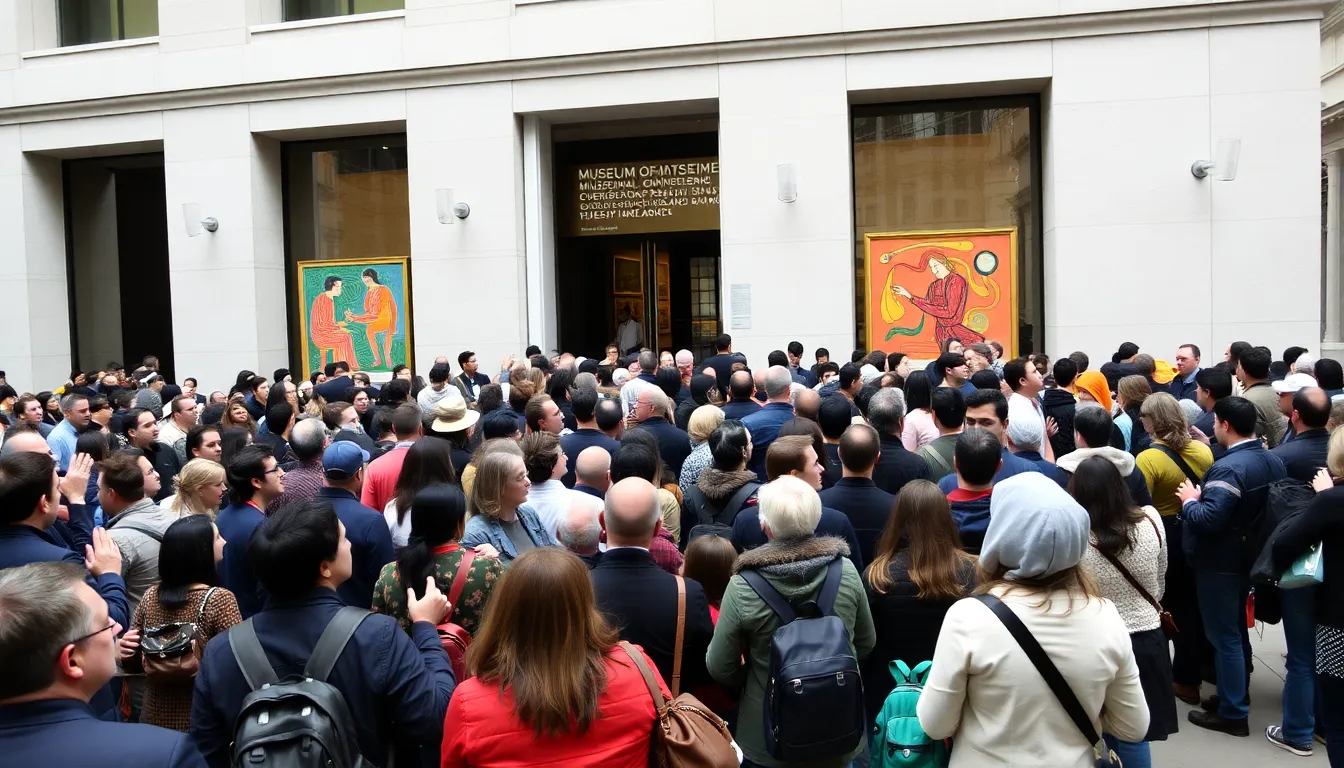
Conflicts arise when commercial interests clash with artistic integrity. For instance, the commodification of Matisse’s art can dilute its original intent, leading to concerns about authenticity and the true appreciation of his genius. Additionally, the accessibility of his work to the general public raises questions about elitism in the art world, as many may only experience Matisse through reproductions or limited exhibitions.
- Commercialization vs. Authenticity: The tension between the art market’s demands and the preservation of Matisse’s artistic vision.
- Access and Representation: The challenges of ensuring that diverse audiences can engage with Matisse’s work outside of elite institutions.
- Interpretation and Critique: The role of art critics in shaping public perception and understanding of Matisse’s legacy.
Legal issues also play a role, particularly concerning copyright and the reproduction of Matisse’s works. As his pieces continue to be celebrated and disseminated, the balance between protecting intellectual property and promoting wider access to art remains a contentious issue.
Who Benefits from Matisse’s Popularity?
The resurgence of interest in Henri Matisse’s work has a wide-ranging impact on various groups, particularly within the art industry. Museums, galleries, and art institutions stand to gain significantly from increased attendance and engagement. As exhibitions featuring Matisse draw larger crowds, these venues can expect heightened visibility and potential revenue growth through ticket sales and merchandise.
Additionally, the art market itself is poised for a shift. Collectors and investors may find opportunities in acquiring pieces inspired by Matisse or in artworks that reflect his style. This could lead to a revitalization of interest in modernist art, benefiting both established and emerging artists who draw from Matisse’s legacy.
However, the popularity of Matisse also brings certain risks. Over-commercialization of his work could dilute its significance and lead to a superficial understanding of his contributions to art. This poses a challenge for educators and curators who strive to present Matisse’s work in a meaningful context.
- Short-term impacts: Increased museum attendance and art sales.
- Mid-term impacts: Potential for new exhibitions and educational programs centered on Matisse.
- Risks: Commercialization may overshadow artistic integrity.
- Opportunities: Growth in interest for modernist art and related artists.
Regions with prominent art institutions, particularly in urban areas, are likely to see a surge in tourism as Matisse exhibitions attract visitors. This influx can have a positive ripple effect on local economies, benefiting hospitality, retail, and transportation sectors.
A: Matisse’s use of vibrant colors and innovative forms resonates with many, creating an emotional connection that draws crowds to his work. A: Yes, Matisse’s lesser-known pieces often reveal his experimental techniques and personal struggles, providing a richer understanding of his artistic journey. A: Matisse’s bold approaches to color and form have inspired countless artists, shaping movements such as Fauvism and influencing contemporary art practices. A: Visitors should pay attention to the emotional impact of color and composition, as well as the context of each piece to fully appreciate Matisse’s genius. A: Numerous biographies, documentaries, and exhibitions are available that delve into Matisse’s life, offering insights into his creative process and artistic philosophy.
Frequently Asked Questions about Matisse
Key Takeaways and Future Perspectives on Matisse
The allure of Henri Matisse’s work extends beyond the vibrant colors and dynamic forms that capture the attention of the masses. Delving deeper into his oeuvre reveals a complex interplay of emotions, cultural influences, and artistic evolution that often goes unnoticed in crowded exhibitions. As art institutions continue to celebrate his legacy, it is crucial to explore the layers of meaning embedded in his art and how they resonate with contemporary audiences.
Looking ahead, the discourse surrounding Matisse invites a re-evaluation of how art is experienced and understood. Engaging with his lesser-known works and the context in which they were created can enhance appreciation and foster a more nuanced dialogue about his contributions to modern art.
- Consider exploring Matisse’s lesser-known works to gain a deeper understanding of his artistic journey.
- Watch for upcoming exhibitions that may focus on the contextual influences behind Matisse’s most famous pieces.
- Engage with scholarly discussions that highlight the emotional and cultural narratives present in Matisse’s art.
- Pay attention to how contemporary artists draw inspiration from Matisse’s techniques and themes in their own work.
- Reflect on the role of accessibility in art appreciation and how it shapes public engagement with historical figures like Matisse.