
Notably, in July 2023, ICE issued a request for information from several tech firms, highlighting its intent to obtain user data related to protests. This move has sparked a debate about privacy rights and the ethical responsibilities of tech companies in safeguarding user information. Critics argue that complying with such requests could lead to a chilling effect on free speech and activism. For a deeper understanding of the implications of government requests for data, consider reading about the ongoing push for stronger data protection measures.
As protests continue across the nation, the implications of ICE’s actions are becoming increasingly apparent. Companies like Facebook, Twitter, and others face the dilemma of balancing legal compliance with user privacy. The potential for increased surveillance has prompted calls from civil rights organizations to push back against government overreach and to advocate for stronger data protection measures.
Furthermore, the situation is compounded by ongoing discussions about the role of technology in social movements. The ability of tech companies to protect user anonymity is being scrutinized, as activists fear that revealing identities could lead to repercussions from law enforcement. As the landscape evolves, the intersection of technology, privacy, and civil liberties remains a critical focal point for both companies and the public.
The Background of ICE’s Actions and Policies
The U.S. Immigration and Customs Enforcement (ICE) agency has increasingly sought to leverage technology in its efforts to identify and track individuals involved in protests, particularly those advocating for social justice and immigration reform. This shift can be traced back to the heightened political climate surrounding immigration issues in the United States, especially following the 2016 presidential election, which saw a significant increase in anti-immigrant rhetoric and policies.
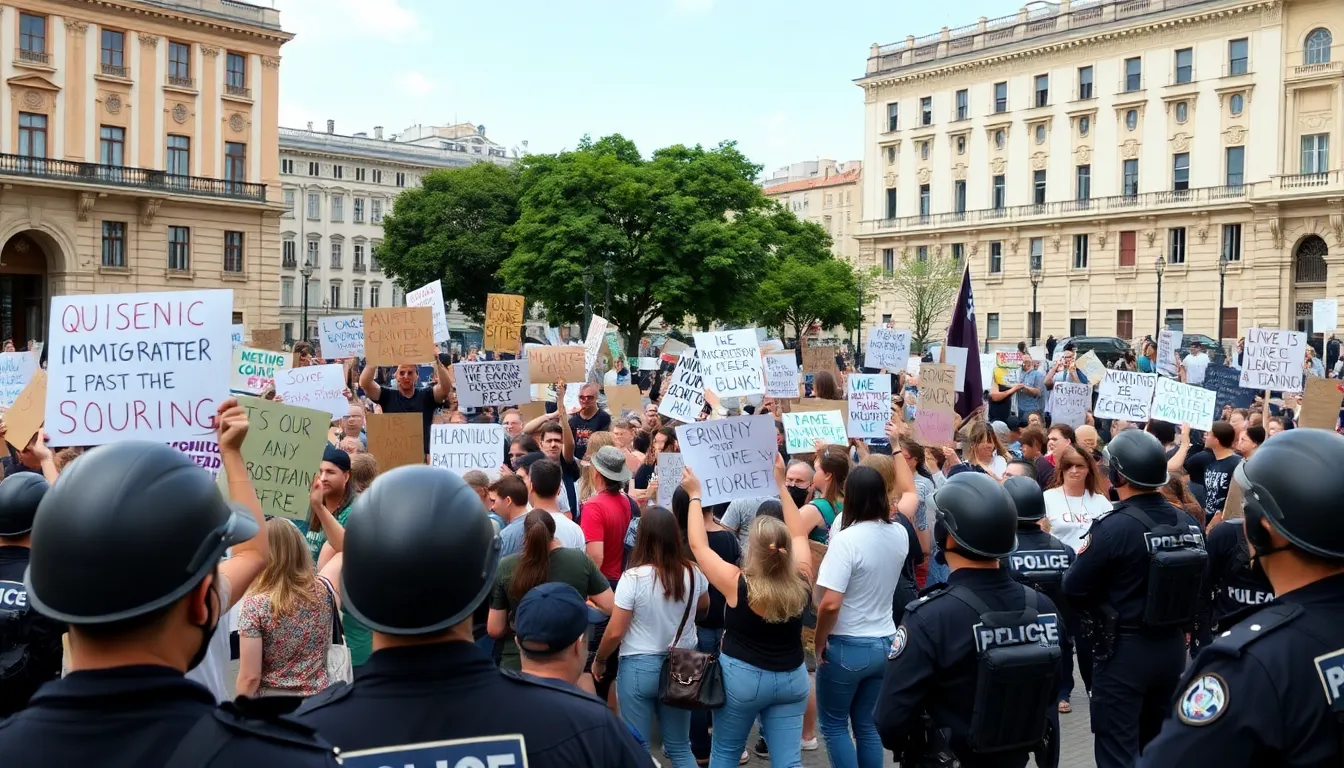
Historically, ICE was primarily focused on immigration enforcement and customs duties. However, as public demonstrations against systemic racism and police brutality gained momentum in recent years, ICE’s role expanded to include monitoring these protests. The agency’s actions reflect broader trends in governmental surveillance and law enforcement’s use of technology to gather intelligence on citizens, raising concerns about civil liberties and the right to protest.
The Role of Technology in Surveillance
In recent years, advancements in technology, such as facial recognition software and social media monitoring, have provided law enforcement agencies, including ICE, with new tools to identify individuals at protests. These technologies have often been criticized for their potential to infringe on privacy rights and disproportionately target marginalized communities. The use of such tools has sparked a national debate about the balance between security and civil liberties, particularly in the context of First Amendment rights.
Key milestones in this evolution include the implementation of the “Zero Tolerance” policy in 2018, which intensified enforcement actions and led to widespread public outcry. The aftermath of this policy saw a surge in grassroots movements, which, in turn, prompted ICE to adapt its strategies to monitor and manage dissent. As protests continued to grow, the agency’s reliance on technology to identify and track protesters became a focal point of contention, illustrating the intersection of immigration policy, civil rights, and technological advancement, similar to trends seen in other government surveillance practices.
The increasing collaboration between ICE and tech companies has raised ethical questions about the role of private industry in facilitating government surveillance. Companies that provide data analytics and surveillance technologies are now at the center of a heated debate over their responsibilities in protecting user privacy while complying with law enforcement requests. This ongoing situation underscores the complex relationship between technology, governance, and social movements in contemporary America.
Key Stakeholders and Their Interests in This Issue
The ongoing push by the U.S. Immigration and Customs Enforcement (ICE) to compel technology companies to assist in identifying protesters has created a complex landscape of stakeholders. These parties include government agencies, technology firms, civil rights organizations, and the general public, each with distinct motivations and concerns. Understanding the role of civil rights organizations in advocating against unjust surveillance can provide critical insights into the broader discussion surrounding technology’s impact on protests.
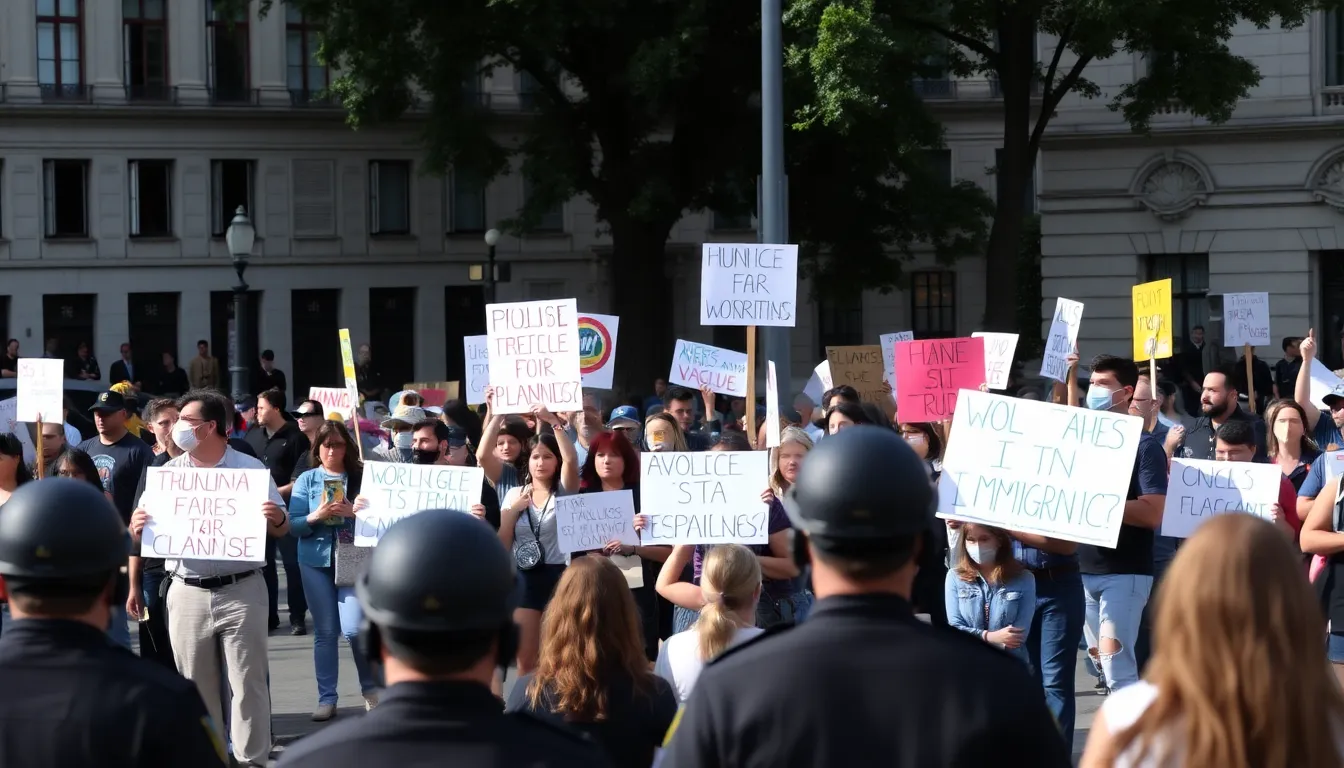
ICE, as a government agency, seeks to enhance its capabilities to monitor and control public dissent, particularly in the context of immigration-related protests. Their interest lies in leveraging technology to gather data that could aid in identifying individuals involved in protests, which they argue is essential for maintaining public order and national security.
On the other side, technology companies face a significant dilemma. They are often caught between complying with government requests and protecting user privacy. Many tech firms prioritize user trust and data protection, which can conflict with ICE’s demands. This creates a challenging environment where companies must navigate legal obligations while considering their ethical responsibilities.
- Legal Concerns: The legal implications of data sharing with ICE can lead to lawsuits and regulatory scrutiny for tech companies.
- Public Backlash: Companies risk alienating their user base if perceived as complicit in government surveillance efforts.
- Ethical Dilemmas: Balancing user privacy with governmental requests raises profound ethical questions about corporate responsibility.
- Partnership with Civil Rights Groups: Organizations advocating for civil liberties are actively opposing ICE’s initiatives, seeking to protect the rights of protesters.
- Impact on Innovation: The fear of government overreach may stifle innovation in technology sectors that prioritize user data security.
Additionally, civil rights organizations play a crucial role in this discourse, advocating for the protection of individual freedoms and opposing what they view as unjust government surveillance practices. Their interests center around safeguarding the rights of protesters and ensuring that technology is not used as a tool for oppression.
The Impact on Civil Liberties and Privacy
The push by ICE to compel tech companies to identify protesters significantly affects various groups, including civil rights organizations, technology firms, and everyday citizens. Activists and community organizers, in particular, find themselves in a precarious position as their movements could be monitored more closely. This increased surveillance raises concerns about the chilling effect on free speech and the right to assemble.
Industries that rely heavily on technology, such as social media platforms and data analytics companies, are directly impacted by these demands. They may face pressure to develop and implement advanced identification technologies, leading to ethical dilemmas regarding user privacy. Additionally, regions with active protest movements, such as urban centers, may experience heightened scrutiny from law enforcement, influencing local policies and community relations.
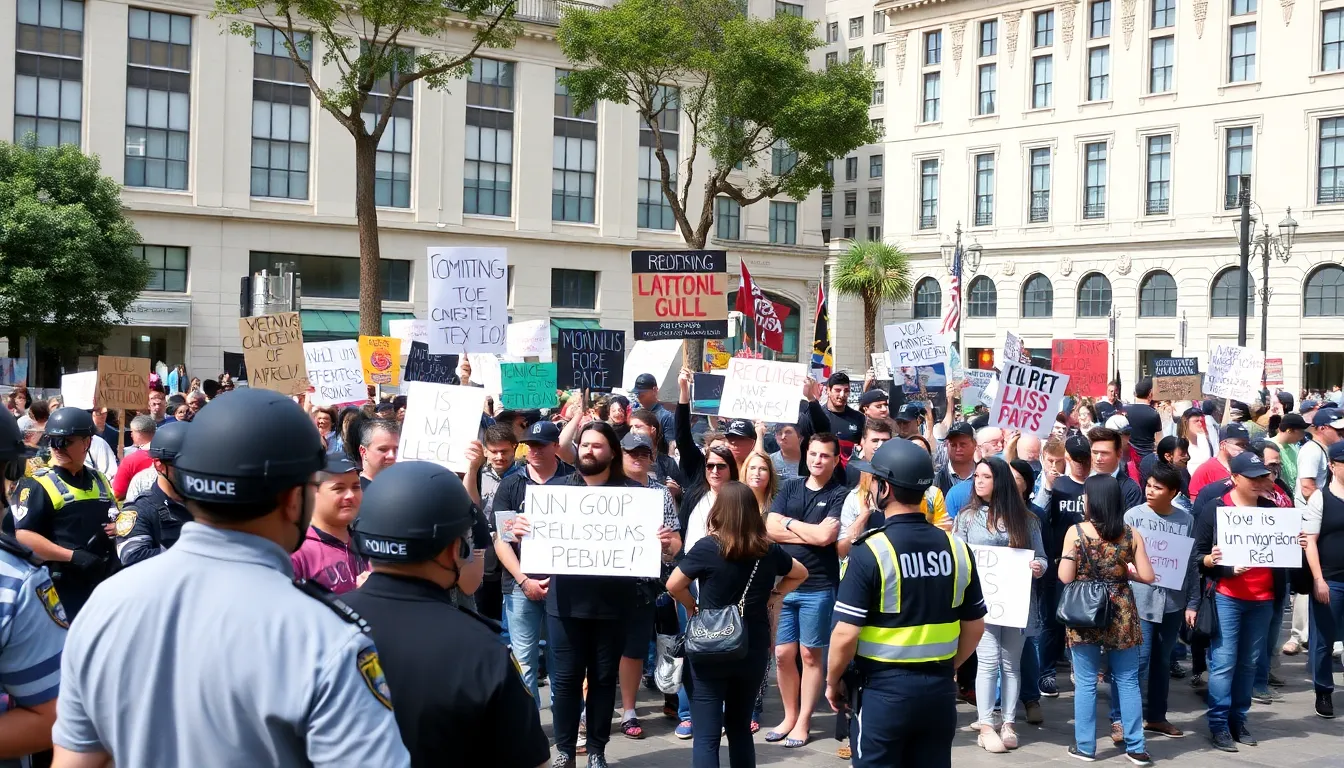
In the short term, the immediate impact on daily life could manifest as increased self-censorship among individuals hesitant to express dissenting opinions. Businesses may also feel the repercussions as consumers become wary of engaging with brands perceived to be complicit in surveillance practices. This situation could lead to a decline in customer trust and brand loyalty.
- Heightened surveillance of activists and protesters.
- Potential erosion of trust in tech companies.
- Increased self-censorship among citizens.
In the mid-term, there may be opportunities for tech companies to pivot towards privacy-centric innovations. As public awareness grows, businesses that prioritize data protection and transparency could gain a competitive advantage. Additionally, civil rights organizations might leverage this situation to advocate for stronger privacy laws, potentially leading to more robust protections for individuals in the digital age.
A: ICE, or Immigration and Customs Enforcement, has been increasingly involved in monitoring protests, often seeking assistance from tech companies to identify individuals involved. A: Many tech companies are facing ethical dilemmas and public backlash, leading some to resist ICE’s demands while others comply under legal obligations. A: The collaboration between ICE and tech companies raises serious legal questions regarding privacy rights and the extent of government surveillance. A: The involvement of tech companies in identifying protesters can erode public trust, as users may feel their data is being misused for governmental surveillance. A: Yes, there are ongoing discussions in Congress about regulating the extent to which government agencies can collaborate with private tech firms.
Frequently Asked Questions About ICE and Tech Companies
Key Takeaways and Future Implications
The increasing collaboration between ICE and technology companies raises significant concerns regarding privacy, civil liberties, and the role of private entities in law enforcement. As tech companies develop more sophisticated tools for identifying individuals in public spaces, the potential for misuse and overreach becomes a pressing issue. The implications of these developments extend beyond immediate law enforcement applications, affecting broader societal norms around surveillance and individual rights.
<p Stakeholders, including civil rights organizations and technology firms, must carefully navigate the balance between security and privacy. The future landscape will likely see more stringent regulations, public scrutiny, and demands for transparency in how technologies are deployed in monitoring and identifying individuals, particularly in the context of protests and civil dissent.
- Increased regulation: Expect calls for clearer guidelines and regulations governing the use of surveillance technologies by both public and private entities.
- Public backlash: Growing awareness and concern over privacy may lead to public protests against tech companies that assist in surveillance efforts.
- Technological innovation: Companies may invest in developing privacy-preserving technologies to address ethical concerns while still providing services to law enforcement.
- Legal challenges: Anticipate an uptick in legal actions aimed at challenging the legality of using tech for identifying protesters, potentially reshaping the legal landscape.
- Corporate responsibility: Tech firms may face increased pressure to adopt ethical standards and practices that prioritize user privacy and civil liberties.