
Meanwhile, in another part of the country, a tortoise was seen slowly making its way across a busy road in Florida on the same day. The sighting prompted a local animal rescue group to intervene, ensuring the tortoise was safely escorted to the other side. This incident highlights the ongoing challenges wildlife faces as urban development encroaches on their natural habitats, particularly concerning issues like habitat fragmentation.
Additionally, reports emerged from the coast of Oregon about seals engaging in unusual surfing behavior. On October 14, 2023, several seals were observed riding the waves alongside surfers, drawing attention from beachgoers and wildlife enthusiasts alike. This phenomenon has sparked discussions on marine life interactions with human activities, emphasizing the need for awareness and conservation efforts.
These events, while seemingly lighthearted, reflect broader issues of wildlife management and habitat preservation. As human populations expand, interactions between wildlife and urban environments are becoming increasingly common, raising questions about coexistence and the responsibilities of communities to protect local fauna.
Understanding the behaviors of wildlife in urban settings
As urban areas continue to expand, the interaction between wildlife and human habitats has become increasingly complex. This phenomenon is not new; it has roots in historical land use changes, agricultural development, and urbanization that have gradually encroached upon natural habitats. Over the last century, cities have sprawled into areas that were once rich ecosystems, forcing wildlife to adapt to new environments and often leading to unexpected encounters.
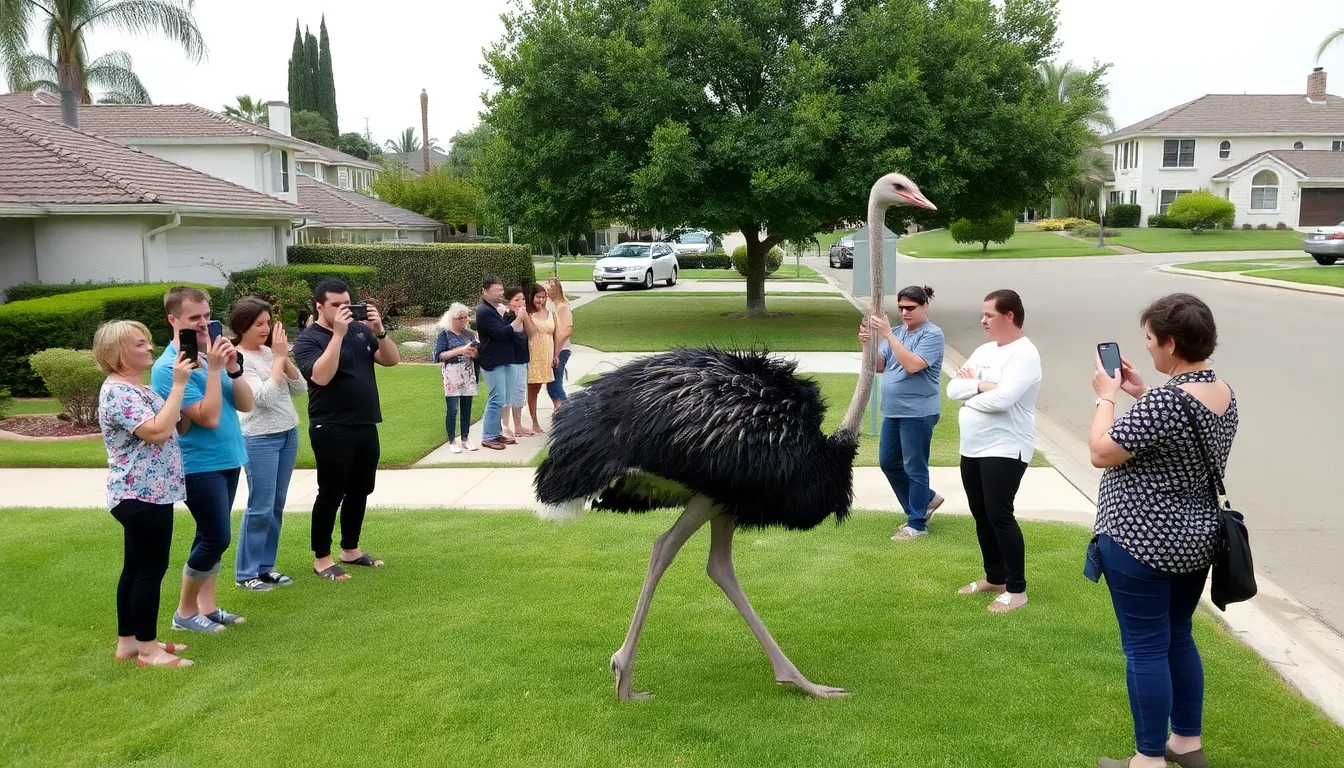
In many cases, these encounters are a result of wildlife seeking food, shelter, or territory in urban settings. For instance, the recent sighting of an ostrich roaming through a suburban neighborhood highlights how species traditionally found in rural or wild areas are venturing into human territories. This behavior can be attributed to various factors, including habitat loss, food scarcity, and the allure of urban waste, which can provide a more reliable food source.
The impact of climate change
Climate change also plays a critical role in altering wildlife behaviors. Shifts in temperature and weather patterns can disrupt migration routes and breeding cycles, pushing animals into urban areas as they search for more hospitable environments. The tortoise attempting to cross a busy road is a poignant example of how climate-induced changes can lead to perilous situations for wildlife as they navigate human infrastructure, highlighting the need to consider climate policies.
Moreover, the rise of social media has changed the way these events are documented and shared, bringing greater awareness to the public about wildlife interactions. Viral videos of seals surfing on the coast not only entertain but also educate viewers about the adaptability of marine life in urbanized coastal areas. These moments serve as reminders of the interconnectedness of human and animal lives and the importance of coexisting with the wildlife that shares our environment.
Understanding these behaviors is crucial for developing effective wildlife management strategies. As urban planners and conservationists work to create harmonious living spaces, recognizing the historical context of wildlife adaptation can inform policies that protect both human and animal populations. The ongoing dialogue about wildlife in urban settings is not just about the animals themselves, but also about how we, as a society, choose to navigate this shared existence.
The implications of wildlife interactions on local ecosystems
Recent incidents involving wildlife, such as an ostrich escaping captivity, a tortoise attempting to cross a road, and seals surfing on coastal waves, highlight the complex interplay between human activity and animal behavior. These interactions can have significant implications for local ecosystems, involving various stakeholders with differing interests.
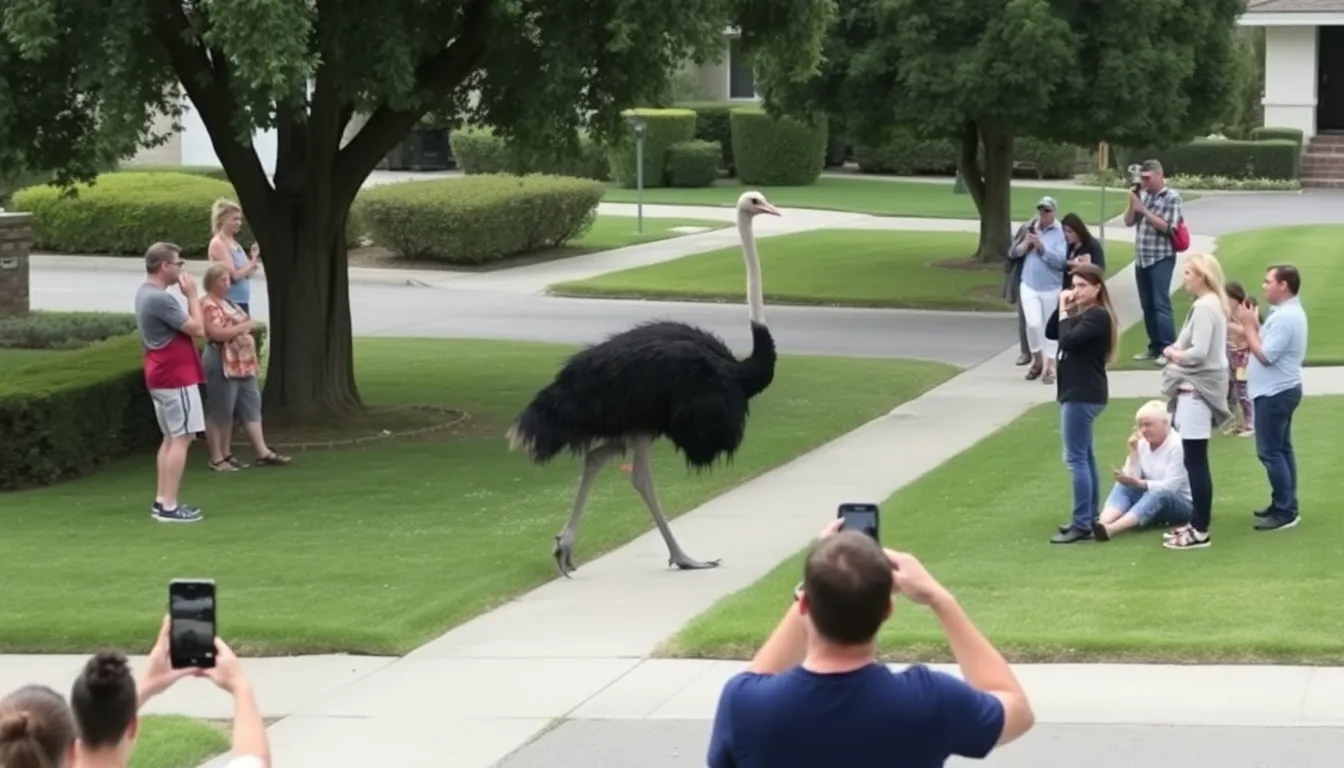
Local governments often find themselves at the forefront of managing wildlife interactions. Their primary interest lies in ensuring public safety while also preserving local biodiversity. In the case of the ostrich, authorities may need to allocate resources to capture the animal safely, balancing the costs of intervention against the potential risks to motorists and pedestrians.
Conservation organizations also play a crucial role in these scenarios, advocating for the protection of wildlife habitats and species. Their interests often conflict with those of agricultural or development sectors, which may prioritize land use over ecological preservation. For example, the tortoise crossing the road could be a symptom of habitat fragmentation caused by urban development, raising questions about land management and wildlife corridors.
- Public Safety: The need to protect citizens from potentially dangerous wildlife encounters.
- Conservation Efforts: Balancing land use with the preservation of natural habitats.
- Economic Impact: The costs associated with wildlife management and its effects on local economies.
- Legal Framework: Existing wildlife protection laws and their enforcement in urban settings.
Additionally, the economic implications of wildlife interactions cannot be overlooked. Communities that depend on tourism may benefit from wildlife sightings, while others may face economic burdens due to wildlife-related incidents. This creates a delicate balance where the interests of different stakeholders must be carefully negotiated to achieve sustainable coexistence.
How these events affect local wildlife conservation efforts
The recent incidents involving an ostrich on the loose, a tortoise navigating a busy road, and seals enjoying the waves have drawn attention to the delicate balance between wildlife and urban environments. These occurrences highlight the need for improved wildlife conservation strategies, particularly in regions where human development encroaches on natural habitats.
Local communities, wildlife enthusiasts, and conservation organizations are among the groups most affected by these events. The sighting of an ostrich roaming freely can spark interest in wildlife conservation, potentially leading to increased volunteerism and donations for local wildlife protection initiatives. However, it also raises concerns about the safety of both the animal and the public, prompting discussions on policy changes regarding the management of exotic species.
In the short term, these events may disrupt daily life, as traffic may be halted to allow animals to cross roads safely. This can lead to frustration among commuters but also provides a unique opportunity for educational outreach on the importance of coexisting with wildlife. In the mid-term, local businesses, particularly those in tourism and outdoor activities, could see a boost in interest as people flock to areas where wildlife sightings are reported.
- Increased awareness of wildlife conservation needs.
- Potential policy changes regarding urban wildlife management.
- Boost in local tourism and outdoor activities.
- Risks to public safety and animal welfare.
Moreover, these incidents may inspire local governments to implement more robust wildlife corridors and safety measures, minimizing the risks posed to both animals and humans. While there are challenges to address, such as potential traffic hazards and the management of exotic species, the overall impact could lead to stronger community engagement in wildlife conservation efforts.
A: The ostrich likely escaped due to stress or environmental factors in captivity. Such animals can sometimes exhibit flight responses when they feel threatened. A: While tortoises may cross roads in search of food or mates, it is not very common. Their slow movement makes them vulnerable to traffic. A: Surfing seals are not an everyday occurrence, but they can be seen in certain coastal areas where they play in the waves, showcasing their playful nature. A: If you encounter wildlife on the road, it is important to slow down and proceed with caution. If safe, you can also report it to local wildlife authorities. A: You can help by being mindful of your surroundings, supporting local conservation efforts, and educating others about the importance of protecting wildlife habitats.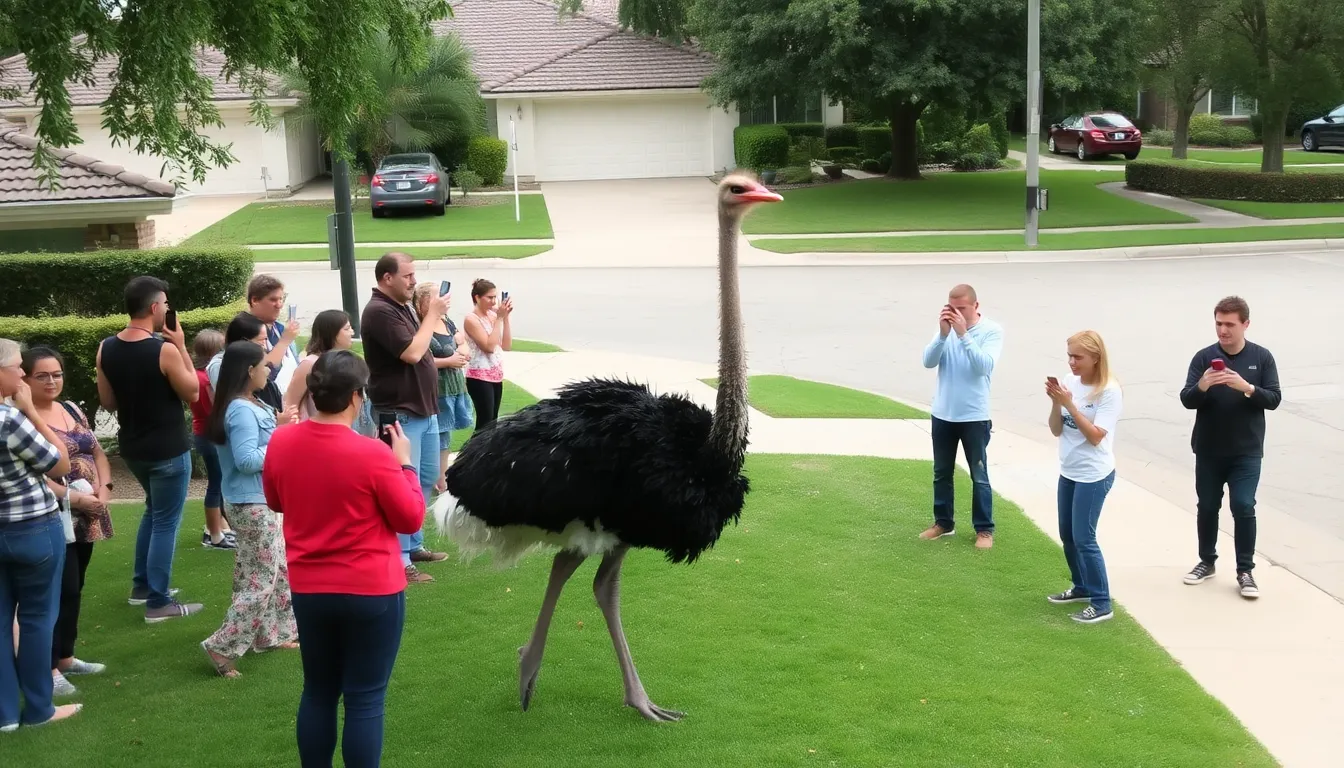
Frequently Asked Questions about wildlife encounters
Key takeaways and future outlook on wildlife interactions
The recent events involving an ostrich on the loose, a tortoise navigating traffic, and seals engaging in surfing activities highlight the dynamic relationship between urban environments and wildlife. These interactions serve as reminders of the adaptability of animals in the face of human encroachment and the importance of coexistence. As urban areas expand, understanding these behaviors becomes crucial for both wildlife conservation and public safety.
Looking ahead, it is essential to consider how local policies and community awareness can shape the future of wildlife interactions. Promoting wildlife corridors and safe passageways can mitigate risks for animals, while education initiatives can foster a better understanding of how to coexist harmoniously with nature.
- Enhanced wildlife management strategies are needed to address the increasing encounters between humans and animals in urban settings.
- Community engagement in wildlife preservation can lead to more informed actions and policies that protect both animals and residents.
- Monitoring wildlife behavior will provide insights into their adaptation strategies and help predict future interactions.
- Incorporating wildlife considerations into urban planning can improve safety and promote biodiversity.
- Encouraging responsible tourism and recreational activities can help ensure that wildlife habitats are respected and preserved.