
Magnussen, known for his performances in films such as “Into the Woods” and “Game Night,” has built a reputation for taking on roles that evoke strong reactions from viewers. He acknowledges that while playing such characters can be rewarding, it also presents challenges in how he is perceived off-screen. This duality raises questions about the impact of typecasting in Hollywood and the expectations placed on actors.
His comments come in the wake of a series of projects where he has embraced these “punchable” roles, including his recent performance in a highly anticipated thriller set to premiere next month. As audiences become more discerning, the conversation around character portrayal and actor identity continues to evolve, making Magnussen’s insights particularly relevant in today’s entertainment landscape.
The discourse surrounding his statements highlights a broader trend in the industry, where actors are increasingly aware of their public personas and the roles they choose. As Magnussen navigates this complex terrain, his reflections serve as a reminder of the fine line between art and audience perception, and how actors must balance their craft with the reactions they inspire, particularly in light of today’s entertainment landscape.
The rise of punchable characters in film and television
In recent years, the entertainment industry has seen a notable surge in the portrayal of characters that audiences find inherently “punchable.” These characters often embody traits such as arrogance, entitlement, or a lack of empathy, which can evoke strong emotional reactions from viewers. The phenomenon is not new, but it has gained significant traction in contemporary storytelling, particularly in genres such as comedy and drama.

The roots of this trend can be traced back to classic archetypes in literature and film, where characters like the arrogant villain or the obnoxious sidekick served as foils to more sympathetic protagonists. However, the modern interpretation of these roles has evolved, with actors like Billy Magnussen bringing a unique charm and charisma to characters that are intentionally designed to elicit disdain. This duality of being both likable and detestable is a delicate balance that many contemporary actors strive to achieve.
The cultural impact of punchable characters
The cultural landscape has also shifted, with audiences increasingly drawn to narratives that challenge traditional heroism. The rise of anti-heroes and morally ambiguous characters has paved the way for punchable figures to thrive. These characters often serve as a reflection of societal frustrations, allowing viewers to project their own feelings of anger and resentment onto them in a safe and entertaining manner.
Moreover, social media has played a crucial role in amplifying the conversation around these characters. Memes and viral content often highlight the most punchable moments from films and shows, creating a shared cultural experience that further cements these characters in the public consciousness. As a result, actors like Magnussen find themselves navigating the complexities of portraying such roles, grappling with the mixed feelings that come from being both celebrated and vilified for their performances.
Ultimately, the rise of punchable characters reflects broader societal dynamics, including changing attitudes toward authority, privilege, and morality. As audiences become more discerning and critical of the characters they consume, the demand for nuanced portrayals of these “punchable” figures continues to grow, making it an exciting time for actors willing to take on the challenge.
Exploring the implications of playing unlikeable characters
Billy Magnussen’s recent reflections on his ability to portray characters that audiences find ‘punchable’ open up a broader conversation about the role of actors in shaping public perception. As an actor, he navigates the fine line between embodying complex characters and ensuring that his performances resonate positively with viewers. This duality raises questions about the responsibilities of actors in their portrayals and the potential impact on their careers.
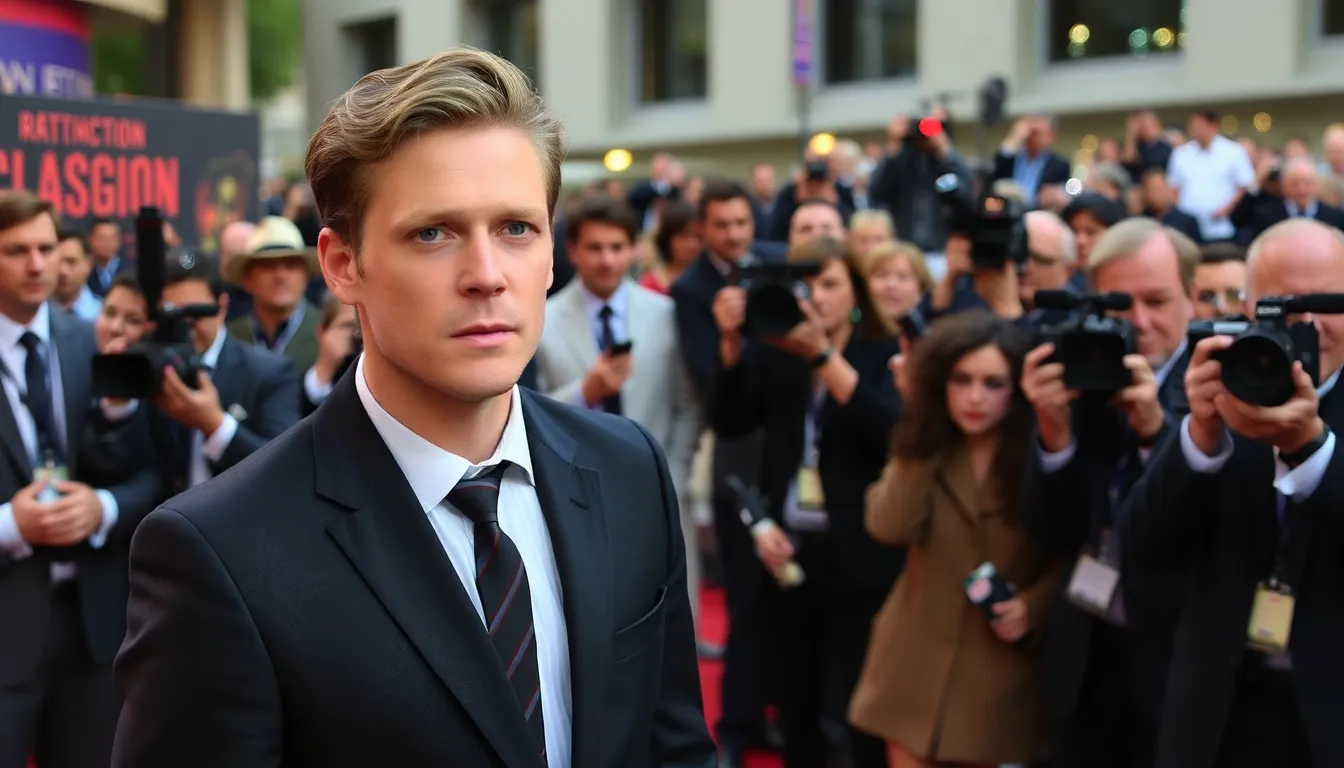
Key stakeholders in this discussion include Magnussen himself, film and television producers, and the audience. Each of these groups has distinct interests that can sometimes conflict. For instance, producers may prioritize characters that generate strong emotional reactions, while audiences may seek relatable or admirable traits in their heroes, echoing sentiments found in narratives discussed in popular culture.
- Actors’ Career Trajectory: Playing unlikeable characters can lead to typecasting, affecting an actor’s future roles and opportunities.
- Audience Reception: Viewers may form lasting impressions based on a character’s actions, influencing their overall perception of the actor.
- Industry Standards: The entertainment industry often rewards actors who take risks, but this can come at the cost of public image.
- Creative Freedom: Actors like Magnussen may feel torn between artistic expression and audience expectations.
- Ethical Considerations: The portrayal of morally ambiguous characters raises questions about the messages conveyed through storytelling.
Moreover, the economic implications of casting decisions cannot be overlooked. Films featuring characters that audiences love to hate can perform well at the box office, leading to a paradox where actors may be encouraged to lean into these roles despite personal discomfort. This dynamic creates a trade-off between financial success and personal fulfillment in an actor’s career.
Ultimately, as Magnussen navigates his feelings about playing such characters, the broader implications for the industry and its audiences remain significant. The interplay between character portrayal and audience perception continues to shape the landscape of modern storytelling.
How these roles affect audience perception and actor reputation
The portrayal of characters perceived as “punchable” can significantly impact audience perception and the reputation of actors like Billy Magnussen. These roles often resonate with viewers, leading to polarized opinions that can either enhance or detract from an actor’s career. The entertainment industry, particularly film and television, is affected as casting directors and producers may seek actors who can convincingly embody such complex characters.
In the short term, actors taking on these roles may experience increased visibility and media attention, which can translate into more opportunities. However, there is a risk that being typecast as a “punchable” character could limit an actor’s range and future roles. This duality creates a challenging landscape where actors must navigate public perception while striving for diverse career paths.
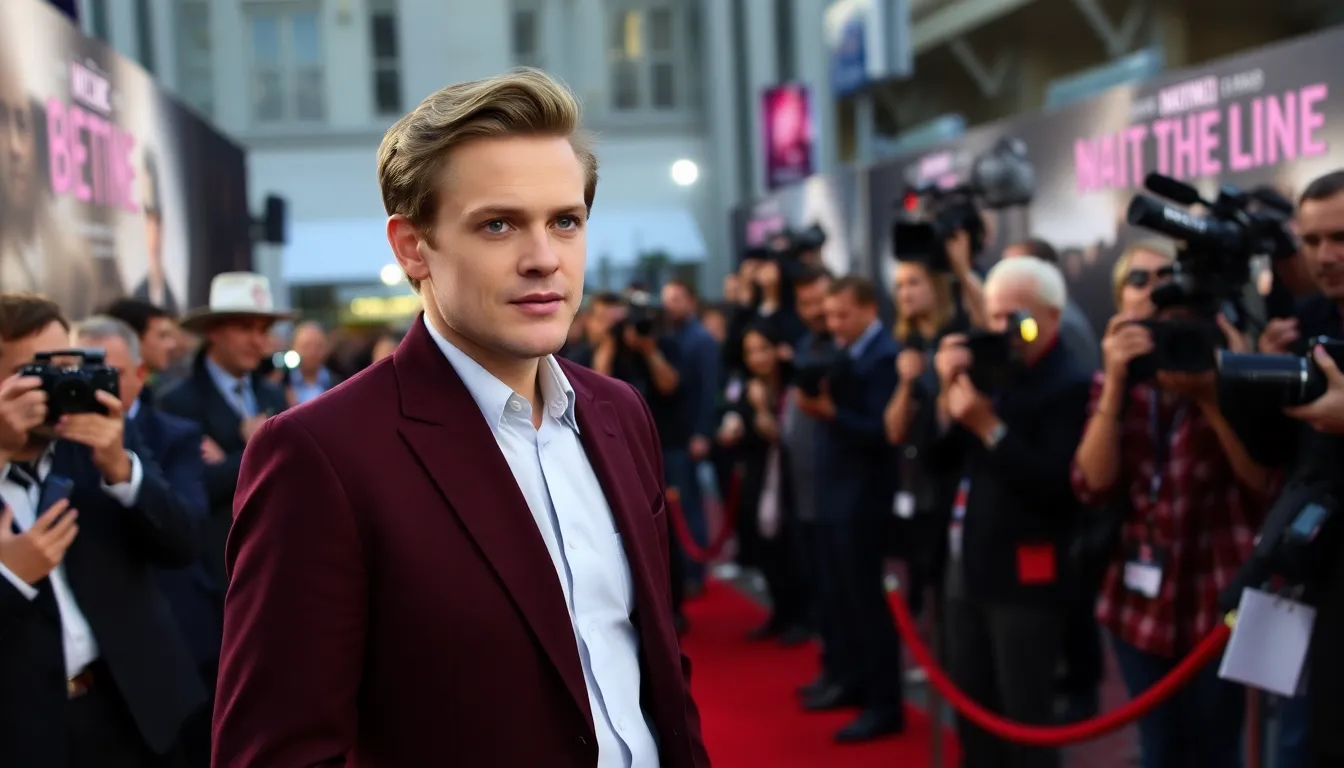
From a broader perspective, the film industry may see shifts in audience preferences, influencing the types of stories being told. As viewers engage with these characters, there may be a growing demand for more nuanced portrayals that challenge stereotypes. This trend could lead to opportunities for writers and directors to explore deeper narratives that reflect societal issues.
- Short-term impacts: Increased visibility and potential typecasting.
- Mid-term impacts: Shifts in audience preferences and storytelling approaches.
- Risks: Limited career opportunities for typecast actors.
- Opportunities: Demand for nuanced character portrayals and diverse narratives.
Regions with vibrant film industries, such as Hollywood, will likely feel these effects most acutely, but the influence can extend globally as streaming platforms distribute content worldwide. This interconnectedness means that the repercussions of an actor’s role can resonate across different cultures and markets, shaping both local and international perceptions of the entertainment industry.
A: Billy Magnussen refers to characters that evoke a strong negative reaction from audiences, often seen as deserving of a punch due to their actions or personality. A: Magnussen feels conflicted because while he enjoys the challenge of playing complex characters, he also worries about the lasting impression they leave on viewers. A: Audiences often have strong emotional reactions, which can lead to either a love-hate relationship with the character or a complete dislike. A: Yes, playing punchable characters can showcase an actor’s range and ability to evoke strong emotions, potentially leading to more diverse roles in the future. A: While they can typecast an actor, they can also open doors to more challenging and varied roles, depending on the actor’s performance and audience reception.
Frequently asked questions about Billy Magnussen’s roles
Key takeaways on the complexities of acting in punchable roles
Billy Magnussen’s reflections on portraying characters that audiences find inherently dislikeable reveal the intricate dynamics of acting in roles labeled as ‘punchable.’ His mixed feelings highlight the challenge actors face in balancing audience perception with their own artistic integrity. This duality not only influences their career trajectories but also shapes the narratives within the projects they choose to engage with.
As the industry continues to evolve, the demand for complex charactersthose who elicit both empathy and disdainwill likely increase. Understanding the implications of these roles can provide valuable insights for actors, writers, and filmmakers looking to navigate the nuances of storytelling in contemporary cinema.
- Actors may need to embrace the complexity of their characters, recognizing that being ‘punchable’ can lead to deeper audience engagement.
- Writers should consider how flawed characters can drive narratives, allowing for more nuanced storytelling that challenges audience perceptions.
- Filmmakers might explore the balance between humor and antagonism in character development, enhancing the overall viewing experience.
- Studios could benefit from marketing strategies that highlight the depth of such characters, appealing to audiences’ curiosity about moral ambiguity.
- Future projects may increasingly focus on the psychological underpinnings of ‘punchable’ characters, fostering discussions about societal norms and personal ethics.