
Recent releases have garnered significant attention, with titles like “The Terraformers” by Annalee Newitz and “The Haunting of Alejandra” by V. Castro receiving critical acclaim. These works not only showcase imaginative world-building but also tackle pressing themes, engaging readers on multiple levels. For more insights on genre literature, check out this article. Publishers are responding to this trend, with more diverse voices emerging in the market.
Moreover, the integration of multimedia elements in storytelling has become prominent, as seen in the rise of audiobooks and interactive narratives. This evolution is reshaping how audiences consume literature, allowing for a more immersive experience. The popularity of platforms like Audible and podcasts dedicated to genre discussions further indicates a shift in consumer preferences.
Events such as the World Fantasy Convention and the Hugo Awards continue to highlight significant contributions to the genres, celebrating both established authors and newcomers. These gatherings foster a sense of community and encourage dialogue about the future of speculative fiction, making them vital to the ongoing evolution of the field.
In summary, the current state of science fiction, fantasy, and horror literature is characterized by a dynamic interplay of innovation and tradition. As authors push boundaries and explore relevant themes, readers are invited to engage with narratives that resonate with their experiences and concerns, ensuring the genres remain vibrant and impactful.
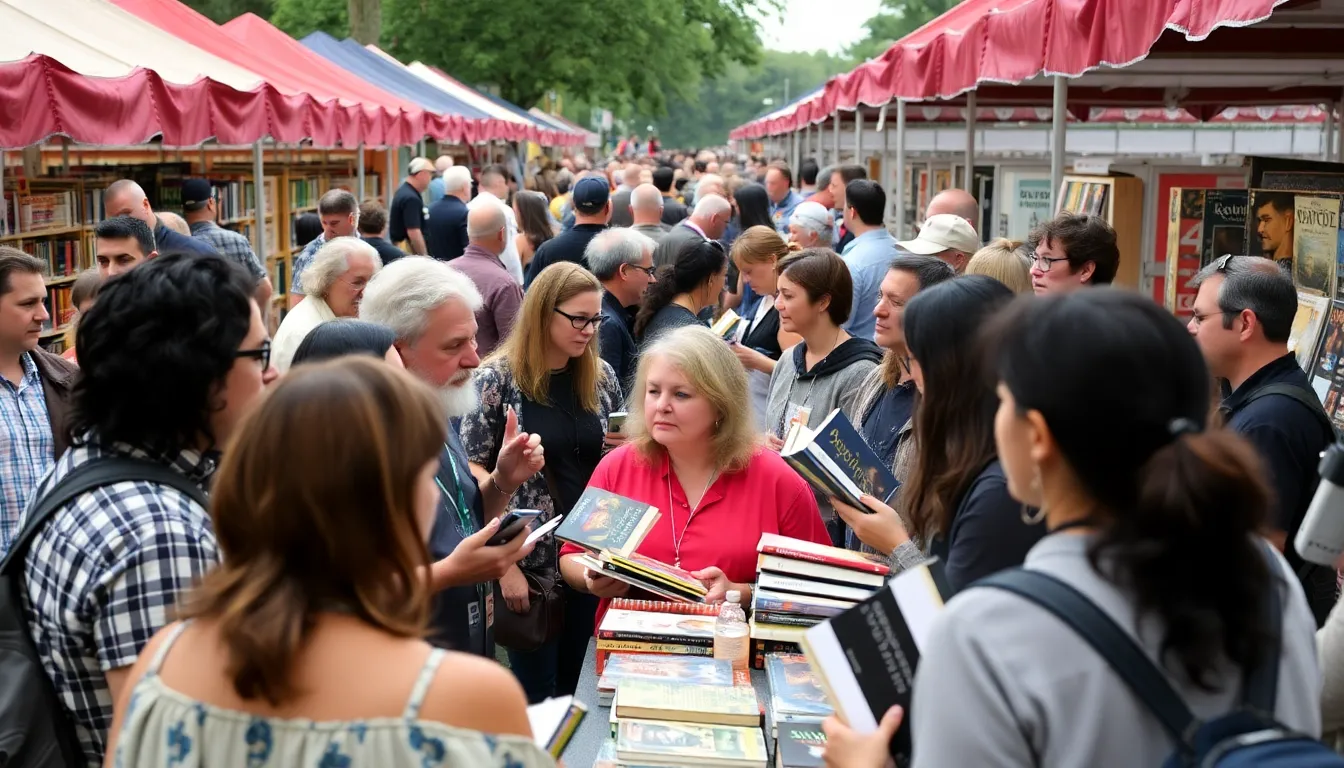
Understanding the cultural significance of recent genre works
In recent years, the realms of science fiction, fantasy, and horror have emerged as vital platforms for exploring contemporary societal issues. These genres have historically served as mirrors to the human experience, enabling writers and creators to address complex themes such as identity, power dynamics, and existential threats. The increasing popularity of these genres reflects a collective desire for escapism while simultaneously grappling with the realities of our world, much like in sports narratives during challenging times.
The rise of streaming platforms and self-publishing has democratized the creation and distribution of genre works, allowing diverse voices to emerge. This shift has been particularly significant in the wake of global events such as the COVID-19 pandemic, which prompted a surge in content consumption and a heightened interest in speculative narratives. As audiences seek comfort and understanding in uncertain times, genre literature has provided both a refuge and a means of critique.
Key milestones in genre evolution
Historically, science fiction, fantasy, and horror have evolved through various cultural and technological milestones. The publication of landmark works, such as Mary Shelley’s “Frankenstein” in 1818 and Isaac Asimov’s “Foundation” series in the 1950s, set the stage for exploring ethical dilemmas and futuristic societies. The emergence of the New Wave movement in the 1960s and 70s further pushed boundaries, focusing on character-driven narratives and social commentary.
In the 21st century, the genre landscape has been reshaped by the advent of digital media and the proliferation of global narratives. The success of franchises like “The Lord of the Rings” and “Game of Thrones” has not only revitalized interest in epic storytelling but has also sparked discussions about representation and inclusivity within these spaces. As a result, contemporary works now reflect a broader spectrum of experiences, challenging traditional tropes and expanding the genre’s reach.
As we explore recent releases in science fiction, fantasy, and horror, it is essential to recognize how these works resonate with current societal themes. They offer commentary on issues such as climate change, social justice, and technological ethics, making them not just entertaining but also deeply relevant in today’s world. This intersection of genre and reality underscores the importance of storytelling as a tool for reflection and change.
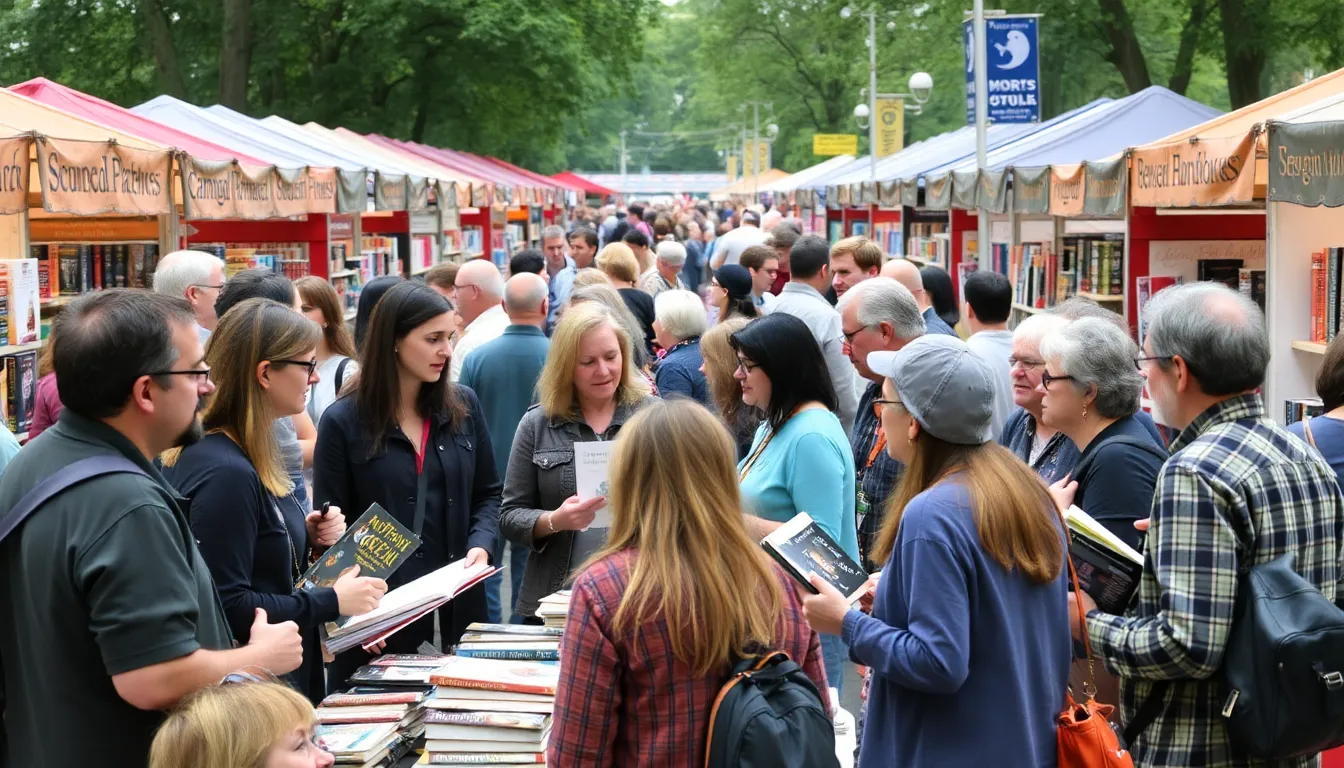
Key themes and issues presented in the latest releases
The recent wave of science fiction, fantasy, and horror literature has brought forth a diverse array of themes and narratives that reflect contemporary societal concerns. These genres often serve as a mirror to our realities, highlighting the complexities of human existence, technology, and the environment. As various authors and publishers engage with these themes, they also navigate a landscape filled with stakeholders whose interests may conflict or align in unexpected ways.
One of the primary actors in this space is the publishing industry, which includes large publishing houses, independent publishers, and self-publishing platforms. Their interests often revolve around profitability and market trends, leading to a focus on popular themes such as dystopian futures, climate change, and social justice. This can create a tension between artistic expression and commercial viability, as authors may feel pressured to conform to market demands—similar to how artists adapt to trends, as seen in the music industry.
Readers, another key stakeholder, have increasingly diverse preferences, seeking representation and authenticity in storytelling. This has led to a rise in voices from marginalized communities, which enriches the genre but also raises questions about gatekeeping and inclusivity within the publishing process. The challenge for publishers lies in balancing these demands while ensuring that they support a wide range of narratives without compromising on quality.
- Technology and its implications: Many recent works explore the ethical dilemmas posed by advancements in artificial intelligence and biotechnology, prompting discussions about privacy, autonomy, and the future of humanity.
- Environmental concerns: Climate fiction (cli-fi) is gaining traction, with stories that address ecological crises, urging readers to confront the realities of climate change and its impact on society.
- Social justice themes: The integration of social issues, such as race, gender, and identity, into speculative narratives challenges traditional genre boundaries and encourages critical discourse among audiences.
Moreover, the advent of digital platforms and social media has transformed how these stories are consumed and discussed. This shift enables a more immediate and interactive relationship between authors and their audiences, but it also introduces challenges related to copyright, intellectual property, and the monetization of creative work. As these dynamics evolve, the landscape of science fiction, fantasy, and horror continues to be shaped by the interplay of various stakeholders, each with their own interests and concerns.
The influence of recent publications on readers and the market
The recent surge in science fiction, fantasy, and horror literature has notably impacted various groups, including avid readers, authors, publishers, and even the film and gaming industries. As these genres continue to captivate audiences, they foster a vibrant community of fans and creators, leading to increased engagement across multiple platforms.

In the short term, readers are experiencing a renewed sense of excitement and inspiration. The influx of innovative narratives and diverse characters encourages discussions around themes of identity, technology, and societal challenges. This engagement can lead to a rise in book sales and attendance at related events, such as conventions and author signings, benefiting local economies.
Mid-term impacts include potential shifts in publishing strategies and market trends. As publishers respond to the growing demand for genre fiction, they may prioritize diverse voices and experimental storytelling. This shift can create opportunities for emerging authors while also challenging established norms within the industry. Additionally, the crossover appeal of these genres can invigorate related sectors, such as film adaptations and merchandise.
- Increased readership leading to higher sales for bookstores and online retailers.
- Growth in related industries, including film, gaming, and merchandise.
- Opportunities for diverse voices to enter the market and gain recognition.
- Potential policy changes in publishing practices to promote inclusivity.
However, there are also risks associated with this trend. The saturation of the market could lead to a decline in quality as publishers rush to capitalize on popular themes. Additionally, the pressure to conform to trending narratives may stifle creativity among authors, potentially leading to a homogenization of content. Balancing commercial interests with artistic integrity will be crucial for the sustainability of these genres.
A: Some highly recommended recent science fiction books include titles like ‘Project Hail Mary’ by Andy Weir and ‘The Ministry for the Future’ by Kim Stanley Robinson. A: Recent fantasy novels that have garnered excellent reviews include ‘The House in the Cerulean Sea’ by TJ Klune and ‘A Court of Silver Flames’ by Sarah J. Maas. A: Yes, notable recent horror books include ‘The Final Girl Support Group’ by Grady Hendrix and ‘The Cabin at the End of the World’ by Paul Tremblay. A: Recent works in science fiction, fantasy, and horror often reflect societal issues such as climate change, identity, and the human condition, providing a lens through which to explore these themes. A: You can find more reviews on platforms like Goodreads, Book Riot, and various literary blogs that focus on genre literature.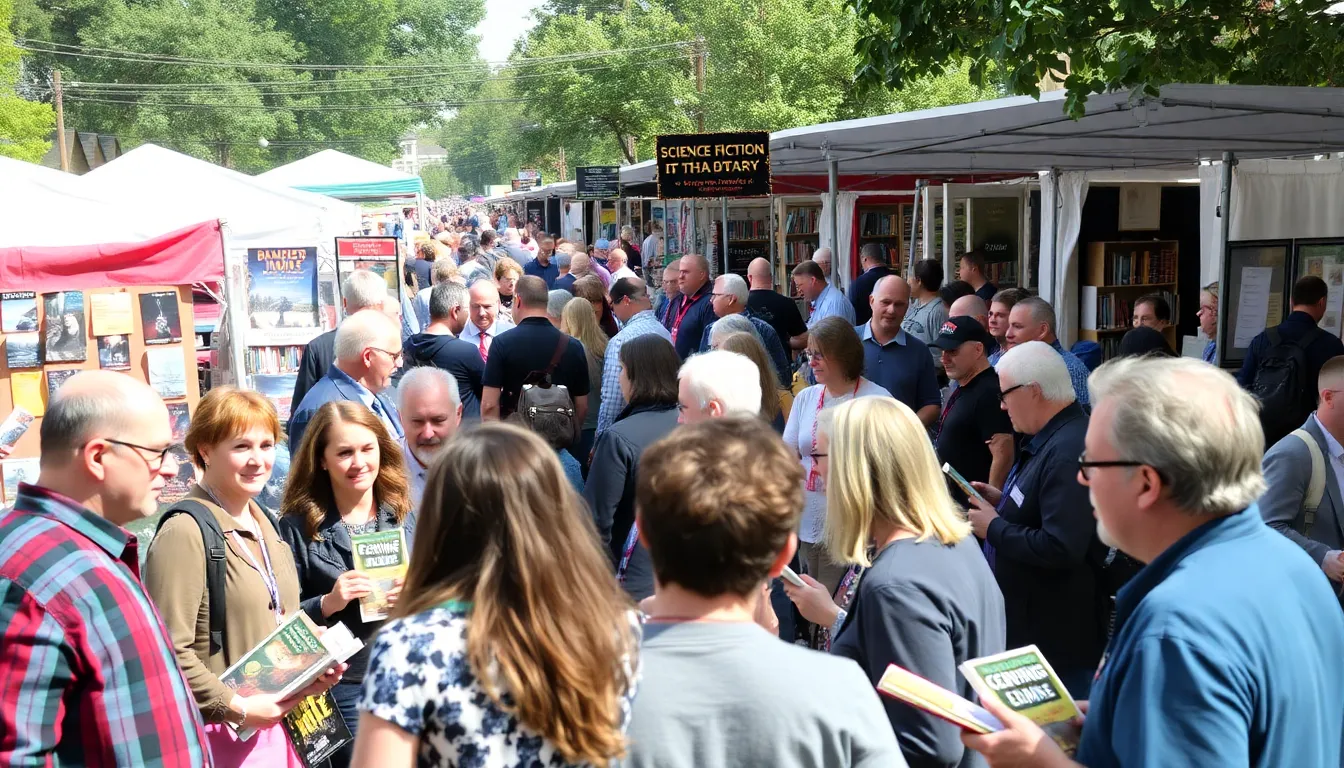
Common questions about recent science fiction, fantasy, and horror releases
Key takeaways and future outlook for genre literature
The recent wave of science fiction, fantasy, and horror literature showcases a vibrant diversity of voices and themes, reflecting contemporary societal issues and personal narratives. As authors explore innovative storytelling techniques and complex character development, readers are invited to engage with multifaceted worlds that challenge traditional genre boundaries.
Looking ahead, the genre is poised for further evolution, as emerging trends in technology and cultural shifts continue to inspire new narratives. The interplay between speculative fiction and real-world challenges offers a fertile ground for exploration, ensuring that genre literature remains relevant and impactful.
- Expect a continued blend of genres, where fantasy and science fiction intersect with real-world issues, offering deeper commentary on society.
- Watch for the rise of diverse voices and perspectives, as authors from various backgrounds bring fresh narratives to the forefront.
- Anticipate innovative storytelling techniques, including multimedia elements and interactive formats, enhancing reader engagement.
- Keep an eye on the influence of technology on storytelling, particularly in how it shapes themes and character interactions.
- Observe how horror continues to reflect societal anxieties, providing a lens through which to examine contemporary fears and challenges.