
The team’s recent matches, particularly against top-tier opponents, have highlighted weaknesses in both strategy and execution. Fans and analysts alike have noted that T1’s gameplay has not met the expectations set by their previous performances in other leagues. The urgency for improvement has led to speculation about possible roster adjustments in the near future.
In light of these developments, T1’s management is reportedly evaluating the current lineup to determine if a roster overhaul is necessary. This consideration comes as the team aims to salvage their season and remain relevant in the competitive VALORANT scene. The decision-makers are under pressure to act swiftly, given the league’s format and the importance of securing points early on.
The implications of a roster change could be significant, not only for T1 but also for the broader VALORANT community. Roster changes can disrupt team chemistry and dynamics, but they may also inject new life into a struggling squad. As the situation evolves, all eyes will be on T1 to see how they respond to this critical juncture in their VCT Pacific campaign.
Understanding T1 VALORANT’s recent performance history
T1 VALORANT, a prominent team in the competitive VALORANT landscape, has faced significant challenges since the beginning of the VCT Pacific league. Despite their strong roster and previous successes, the team’s early struggles in the current season have raised questions about their strategy and overall cohesion. The VALORANT Champions Tour (VCT) represents the pinnacle of competitive VALORANT, and expectations for T1 were high given their history in esports and the talent they possess.
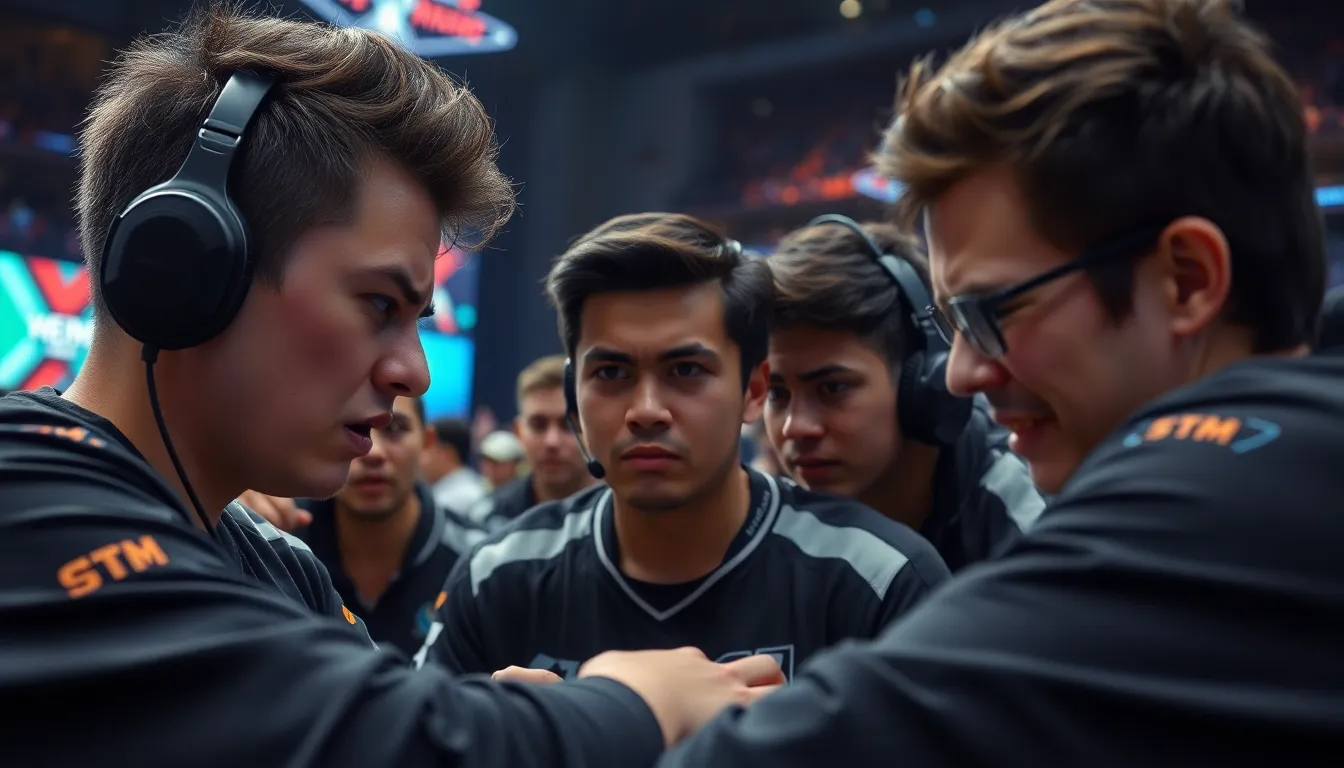
The team’s journey began with a promising start in the VALORANT scene, where they quickly established themselves as a formidable force. However, as the competition intensified, particularly with the rise of other teams in the Pacific region, T1’s performance began to wane. Key losses in critical matches have not only affected their standings but have also led to increased scrutiny from fans and analysts alike. The pressure to perform at a high level is immense, and T1’s recent results suggest that something may be amiss within the team dynamics.
Key Milestones in T1’s VALORANT Journey
Throughout their history, T1 has experienced several pivotal moments that shaped their trajectory. The acquisition of star players and the strategic shifts in their gameplay have been notable. However, the current season’s disappointing start marks a stark contrast to their earlier successes. The team’s management has been vocal about the need for improvement, which has led to speculation about potential roster changes. This situation reflects a broader trend in esports, where teams are often forced to adapt quickly in response to performance issues.
As the VCT Pacific continues, T1’s leadership faces the difficult task of balancing the need for immediate results with the long-term vision for the team. Discussions around a potential roster overhaul signal a critical juncture for the organization, as they seek to reclaim their status among the elite teams in VALORANT. The decisions made in the coming weeks will likely have lasting implications for T1’s future in the competitive scene.
Key factors influencing T1 VALORANT’s potential roster changes
T1 VALORANT’s recent performance in the VCT Pacific has raised eyebrows, prompting discussions about a possible roster overhaul. The team, which has historically been a strong contender in the esports scene, is now facing pressure from various stakeholders to improve its competitive standing. Understanding the interests of these stakeholders is crucial in analyzing the situation.
One of the primary actors in this scenario is T1’s management, which is keen on maintaining the organization’s reputation and ensuring a return on investment. With sponsorships and fan engagement at stake, the management’s interest lies in fielding a competitive team that can secure victories and generate revenue. On the other hand, the players themselves are also significant stakeholders, as their careers and personal aspirations are directly tied to the team’s success.
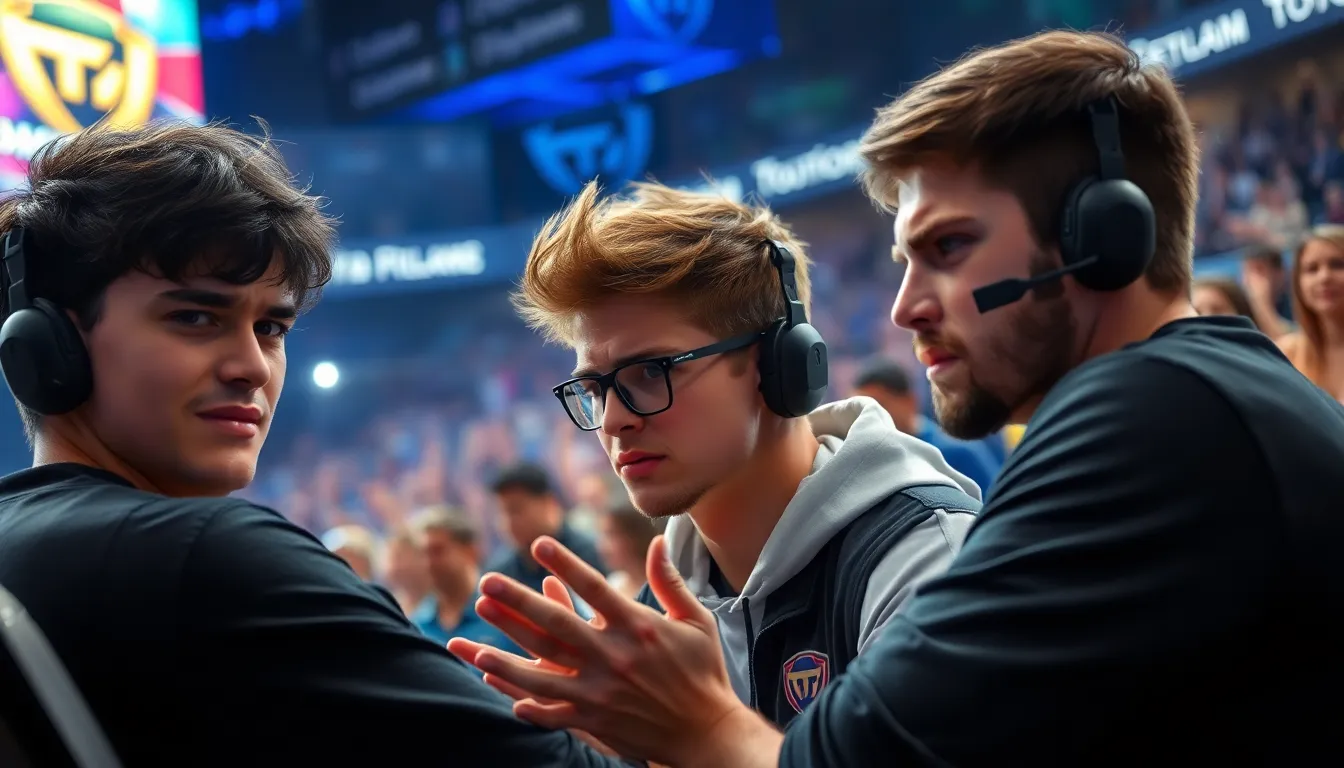
Additionally, fans and the broader esports community play a vital role in this dynamic. Their support can influence sponsorship deals and overall team morale. However, disappointment from fans due to poor performance can lead to a decline in viewership and engagement, creating a conflict between maintaining a loyal fanbase and the need for immediate results.
- Performance Pressure: The need for immediate improvement in results may lead to conflicts between management and players regarding roster decisions.
- Sponsorship Interests: Sponsors expect high performance and visibility, which can drive management to make drastic changes to the roster.
- Player Morale: Frequent roster changes can disrupt team chemistry and negatively impact player morale, affecting performance further.
- Fan Expectations: Fans have high expectations for the team’s performance, and their reactions can influence management decisions.
- Market Trends: The esports landscape is constantly evolving, and staying relevant may require adapting the roster to include emerging talent.
In summary, T1 VALORANT’s potential roster changes are not merely a matter of performance; they involve a complex interplay of interests among management, players, fans, and sponsors. Each stakeholder has unique perspectives and priorities that contribute to the decision-making process, highlighting the multifaceted nature of team dynamics in esports.
Who will be affected by T1 VALORANT’s roster overhaul?
The decision by T1 VALORANT to consider a roster overhaul is likely to impact several groups within the esports industry, including players, coaching staff, fans, and sponsors. Each of these stakeholders will experience different effects as the team navigates through a challenging start in the VCT Pacific league.
In the short term, players currently on the roster may face uncertainty regarding their future with the team. This can lead to anxiety and decreased morale, affecting their performance in upcoming matches. Additionally, coaching staff will need to adapt to potential changes in team dynamics as new players are integrated or existing members are released.
The fanbase, a crucial part of T1 VALORANT’s identity, may also feel the impact of these changes. Fans can be divided in their opinions on roster changes, leading to a potential backlash or support depending on the perceived effectiveness of the new lineup. Sponsors may reevaluate their partnerships based on the team’s performance, which could influence funding and promotional opportunities.
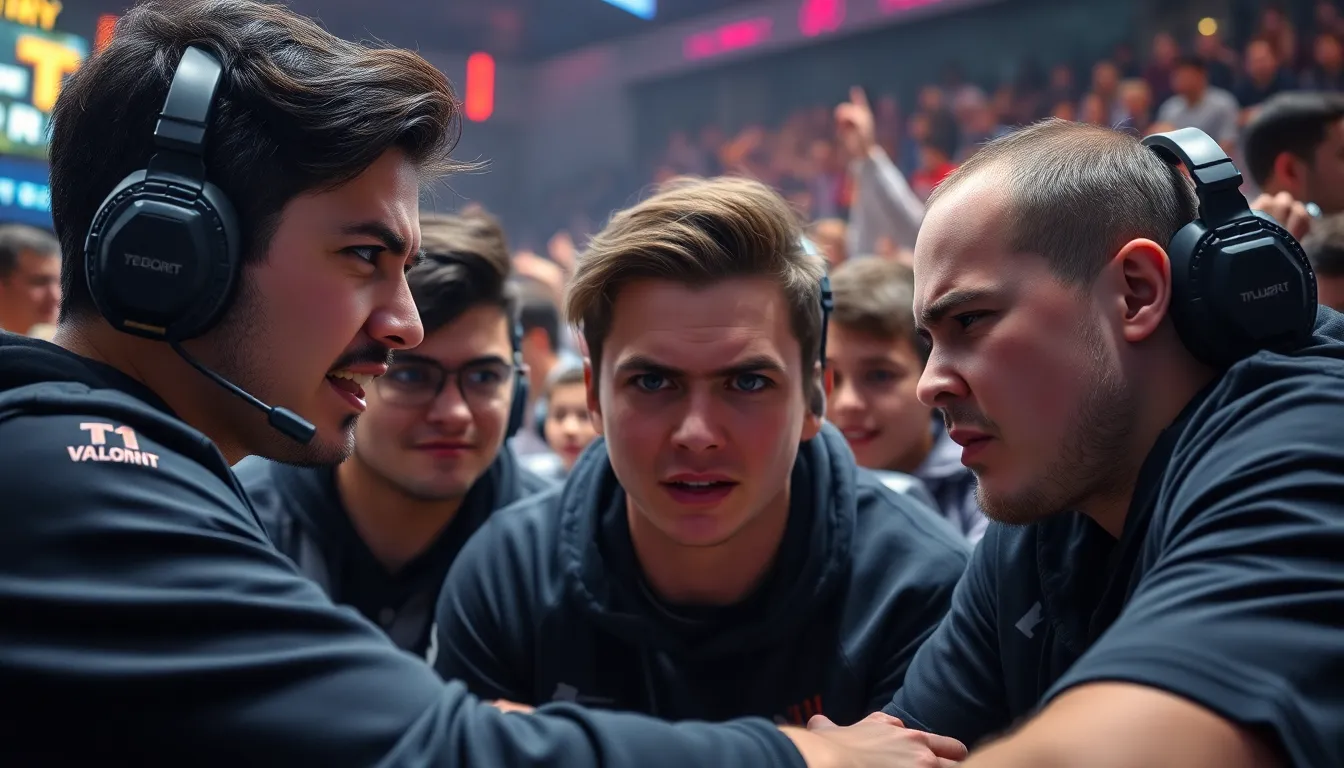
- Short-term impacts: Player morale and performance, fan reactions, sponsor evaluations.
- Mid-term impacts: Team cohesion, potential new sponsorship deals, shifts in fan engagement.
- Risks: Alienating existing fans, instability in team performance.
- Opportunities: Attracting new talent, revitalizing team strategy, enhancing marketability.
As T1 VALORANT considers these changes, the broader esports ecosystem may also feel the ripple effects. Other teams might take notes from T1’s approach, prompting a wave of roster evaluations across the league, which could lead to a more competitive environment in the long run.
A: T1 VALORANT has faced disappointing results in the VCT Pacific, prompting discussions about potential changes to improve performance. A: The team has struggled with coordination and consistency, leading to poor match outcomes that have raised concerns among fans and analysts. A: While no names have been confirmed, speculation suggests that underperforming players may be at risk of being replaced as the team seeks to strengthen its lineup. A: If a roster overhaul occurs, it could lead to a period of adjustment, impacting their performance in upcoming tournaments as new players integrate into the team. A: Official announcements are likely to come after the conclusion of the current tournament phase, as the team evaluates its options.
Frequently asked questions about T1 VALORANT’s roster situation
Looking ahead: What does the future hold for T1 VALORANT?
The recent struggles of T1 VALORANT in the VCT Pacific have prompted discussions around a potential roster overhaul. This situation highlights the critical need for teams to adapt quickly in a competitive environment where performance can fluctuate rapidly. As T1 evaluates its options, the implications for both the current roster and potential new acquisitions will be significant, shaping the team’s trajectory in the upcoming matches.
Fans and analysts alike will be closely monitoring how T1 navigates this challenging period. The decisions made in the coming weeks could not only redefine the team’s competitive edge but also influence the broader VALORANT scene as organizations assess their own strategies in response to T1’s moves.
- Watch for potential roster changes that could include key player trades or new signings aimed at revitalizing the team’s performance.
- Monitor the reactions from the VALORANT community as fan sentiment can impact team morale and decision-making processes.
- Consider the implications of T1’s choices on their long-term strategy, particularly in relation to player development and scouting.
- Keep an eye on how other teams in the VCT Pacific respond to T1’s situation; this could set a precedent for roster adjustments across the league.
- Evaluate the impact of coaching and management decisions on T1’s future performance, as leadership plays a crucial role in team dynamics.