
The event was part of a promotional campaign for Colbert’s current show, “The Late Show with Stephen Colbert,” but it also served as a nostalgic nod to Letterman’s iconic style of subversive comedy. Viewers were treated to a live-streamed spectacle, showcasing the duo’s playful yet defiant attitude toward the broadcasting giant, which has been at the center of ongoing discussions about late-night television.
While the act was primarily comedic, it underscores a deeper sentiment among many former late-night hosts regarding their relationships with network executives. Both Letterman and Colbert have expressed frustrations in the past about creative constraints and the pressures of network television, making this stunt resonate with audiences who appreciate their candidness.
The furniture toss has sparked discussions on social media, with many fans praising the duo’s ability to blend humor with a critique of the television industry. As the late-night landscape continues to evolve, this incident highlights the ongoing challenges faced by comedians in maintaining their artistic integrity within corporate frameworks.
Understanding the history between Letterman, Colbert, and CBS
The relationship between David Letterman, Stephen Colbert, and CBS has been marked by a blend of camaraderie, competition, and a shared commitment to late-night television. David Letterman, a pioneer in the genre, hosted “The Late Show with David Letterman” on CBS from 1993 until his retirement in 2015, influencing many comedians, including Colbert, who have continued to shape the landscape of late-night shows.

Stephen Colbert, who initially gained fame as a correspondent on “The Daily Show,” launched “The Colbert Report” in 2005, where he parodied the conservative punditry of the time. His success caught the attention of CBS, leading to his appointment as Letterman’s successor on “The Late Show” in 2015. This transition was not just a passing of the torch; it represented a significant shift in CBS’s late-night strategy, aiming to capture a younger audience while maintaining the legacy of Letterman’s groundbreaking work.
However, the dynamics between the two hosts and the network have not always been smooth. Colbert’s tenure has been characterized by a more politically charged atmosphere, particularly during the Trump administration, which sometimes clashed with CBS’s corporate interests. This tension has occasionally spilled over into public view, with both Letterman and Colbert expressing their views on the challenges and responsibilities of late-night television.
The Furniture Toss Incident
The recent incident of Letterman and Colbert tossing furniture off the roof of CBS can be seen as a culmination of their complex relationship with the network. It serves as a symbolic act of defiance against the constraints they feel from corporate oversight. This playful rebellion not only highlights their camaraderie but also reflects the broader frustrations many entertainers face in maintaining creative freedom within the confines of a major network.
As both hosts continue to navigate the evolving landscape of late-night television, this incident underscores the ongoing dialogue about artistic expression, corporate influence, and the role of humor in addressing societal issues. Their actions resonate with audiences who appreciate the blend of comedy and commentary, further solidifying their places in the cultural zeitgeist.
Examining the implications of their actions on CBS and late-night television
The recent antics of David Letterman and Stephen Colbert, where they humorously tossed furniture off the roof of CBS, have sparked significant discussion about the dynamics of late-night television and the relationships among its key players, including the ongoing influence of networks like CBS that affect how these comedians operate within the industry.
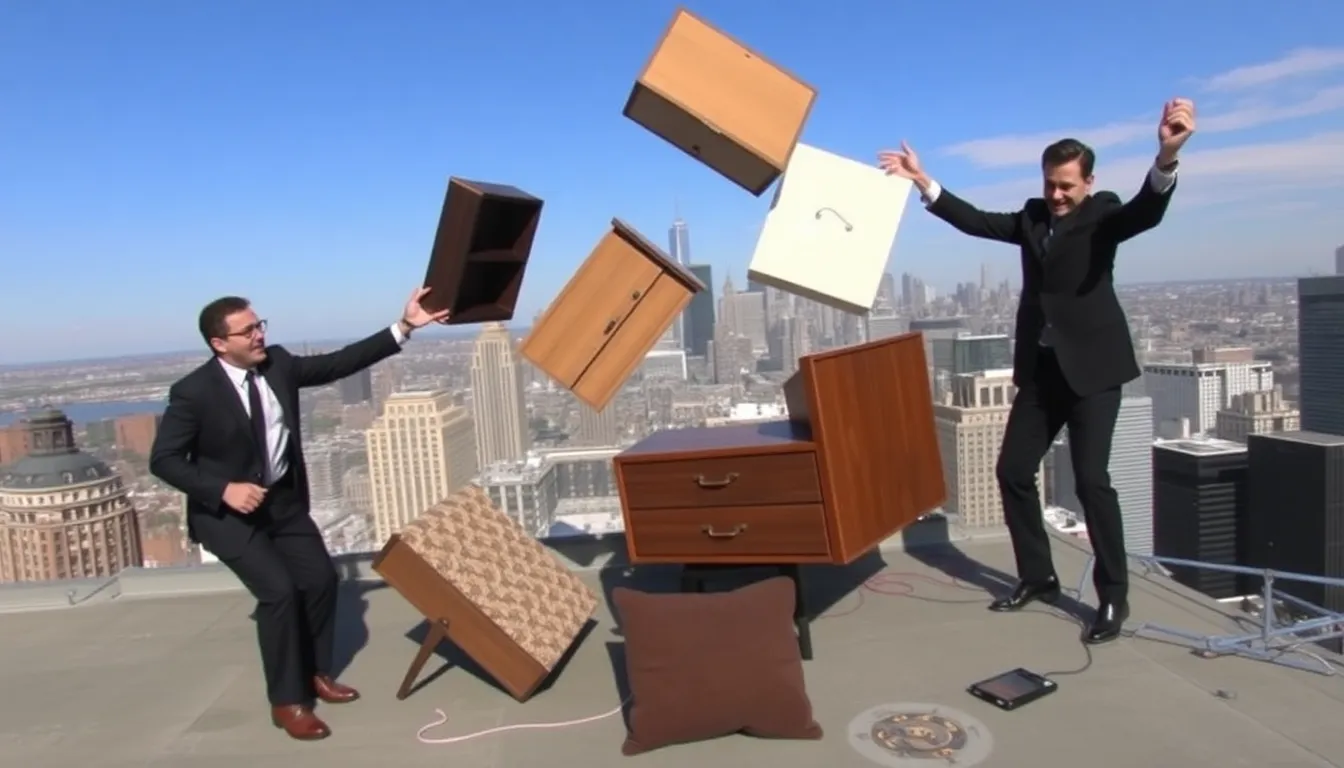
At the forefront of this scenario is CBS, the network that has housed both comedians at different points in their careers. CBS’s interest lies in sustaining viewership and advertising revenue, which can be affected by the public’s perception of its late-night programming. The actions of Letterman and Colbert may be interpreted as a playful jab at the network, but they also raise questions about the control and creative freedom afforded to its late-night hosts.
Key stakeholders in this situation include:
- David Letterman: A legendary figure in late-night, seeking to maintain relevance and engage with a new generation of viewers.
- Stephen Colbert: Current host of “The Late Show,” aiming to balance humor with the expectations of CBS and its audience.
- CBS Network: Concerned about the implications of such stunts on its brand image and financial performance.
- Advertisers: Interested in the viewership numbers and demographics that determine their investment in late-night programming.
- Fans and Viewers: Their reactions can significantly influence the success of late-night shows and the network’s overall strategy.
This playful act of defiance also highlights broader tensions within the television landscape, particularly regarding creative control versus network oversight. As late-night shows increasingly compete for viewer attention in a fragmented media environment, the balance between entertaining content and network expectations becomes crucial. The potential fallout from this incident could lead to discussions about the future direction of CBS’s late-night offerings and the extent to which hosts can express their individuality without repercussions.
Moreover, the economic implications of this incident are noteworthy. If viewership spikes due to the publicity generated by the stunt, it could reinforce the idea that unconventional marketing strategies can yield positive results. Conversely, if CBS perceives the act as undermining its authority, it could lead to stricter guidelines for hosts, affecting the creative landscape of late-night television.
Who is affected by this playful act of defiance?
The recent antics of David Letterman and Stephen Colbert, as they tossed furniture off the roof of CBS, have reverberated across various groups and industries. Primarily, the entertainment industry finds itself at the forefront, with late-night television programs and their audiences reacting to this bold display of humor.

In the short term, viewers are likely to experience a surge in engagement with late-night shows, as fans flock to social media to discuss and share clips of the event. This could lead to a temporary spike in ratings for both Letterman and Colbert’s respective programs, ultimately benefiting CBS in terms of advertising revenue.
Moreover, this playful rebellion may inspire other comedians and late-night hosts to adopt similar antics, fostering a culture of creativity and competition within the industry. However, there are risks involved, as CBS may face scrutiny regarding safety and liability issues stemming from the stunt.
- Short-term impacts: Increased viewer engagement and potential rating spikes.
- Mid-term impacts: Possible changes in programming styles and audience expectations.
- Risks: Safety concerns and potential legal ramifications for CBS.
- Opportunities: Inspiration for innovative comedic content and collaborations.
Beyond the entertainment sector, local businesses in the vicinity of CBS may also feel the impact, as heightened media attention could drive foot traffic to nearby restaurants and shops. This unexpected boost could provide a much-needed economic lift, especially in urban areas where such businesses rely heavily on media events.
A: The act was a humorous response to their experiences with CBS, showcasing their playful rivalry and dissatisfaction with the network. A: The public found the act entertaining and it quickly gained traction on social media, sparking discussions about the nature of late-night television. A: While playful antics are not uncommon, such a bold move of tossing furniture is quite rare and highlights the unique personalities of Letterman and Colbert. A: This incident could lead to negative perceptions of CBS, especially if seen as a sign of discontent among its former hosts. A: It’s uncertain, but this incident may complicate any potential future partnerships, as it highlights unresolved tensions.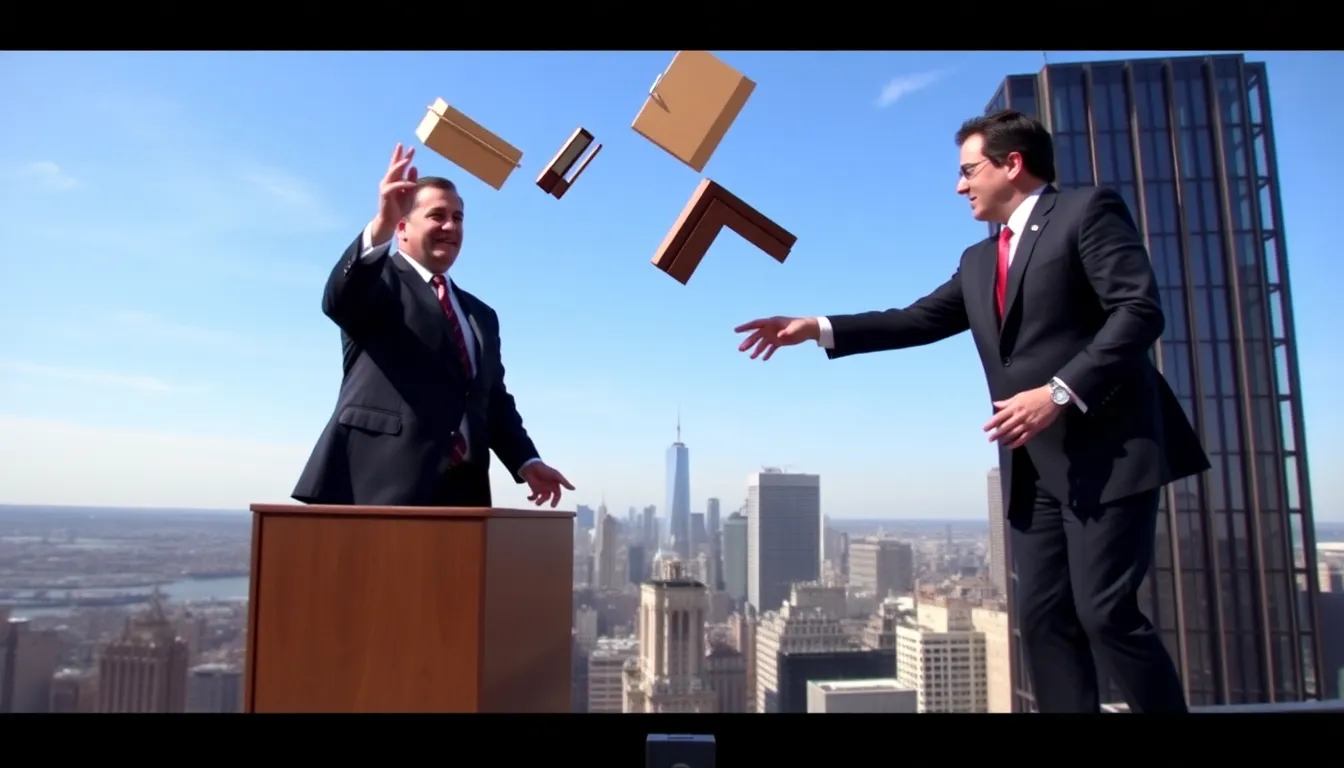
Frequently Asked Questions about the incident
Key takeaways and future implications of this event
The recent antics of David Letterman and Stephen Colbert, tossing furniture off the roof of CBS, serve as a reminder of the evolving relationship between television personalities and their networks. This act of defiance not only highlights their playful camaraderie but also raises questions about the boundaries of creative expression within corporate media environments.
As the entertainment landscape continues to shift, the implications of this event extend beyond mere spectacle. It reflects a growing trend where artists leverage their platforms to assert independence and push back against corporate constraints, potentially inspiring others in the industry to adopt similar approaches.
- This incident may encourage other personalities to express their frustrations with networks more publicly, leading to a new era of open dialogue in entertainment.
- Viewers may become more engaged with the behind-the-scenes dynamics of their favorite shows, fostering a deeper connection with the hosts.
- Networks could reconsider their policies and practices regarding creative freedom to maintain positive relationships with their talent.
- The event could spark discussions around the balance of humor and rebellion in media, influencing how future content is created and marketed.
- As social media amplifies such actions, the potential for viral moments could reshape promotional strategies for shows and networks alike.