
Reports indicate that the divers encountered difficulties during their exploration, leading to a tragic outcome. Local authorities and dive operators are currently investigating the circumstances surrounding the incident to determine the cause and any possible safety violations. For a deeper insight into safety issues in adventure sports, you can read about the challenges faced during a recent hiking trip in Indonesia.
This event has raised concerns about the safety protocols in place for scuba diving in the Maldives, particularly in more challenging environments like underwater caves. The Italian government is in contact with local officials to provide assistance to the victims’ families and to ensure a thorough investigation is conducted.
The loss of these individuals has sent shockwaves through both the local and international diving communities, highlighting the inherent risks associated with scuba diving. As the investigation unfolds, it is crucial for all stakeholders to assess and enhance safety measures to prevent such tragedies in the future.
Understanding the popularity of scuba diving in the Maldives
The Maldives, an archipelago of 26 atolls in the Indian Ocean, has long been celebrated as a premier destination for scuba diving. Its crystal-clear waters, vibrant coral reefs, and diverse marine life attract thousands of divers each year, making it a significant contributor to the country’s tourism industry. The allure of exploring underwater caves and encountering exotic species has positioned the Maldives as a must-visit location for diving enthusiasts from around the globe; learn more about the impact of tourism in this region.
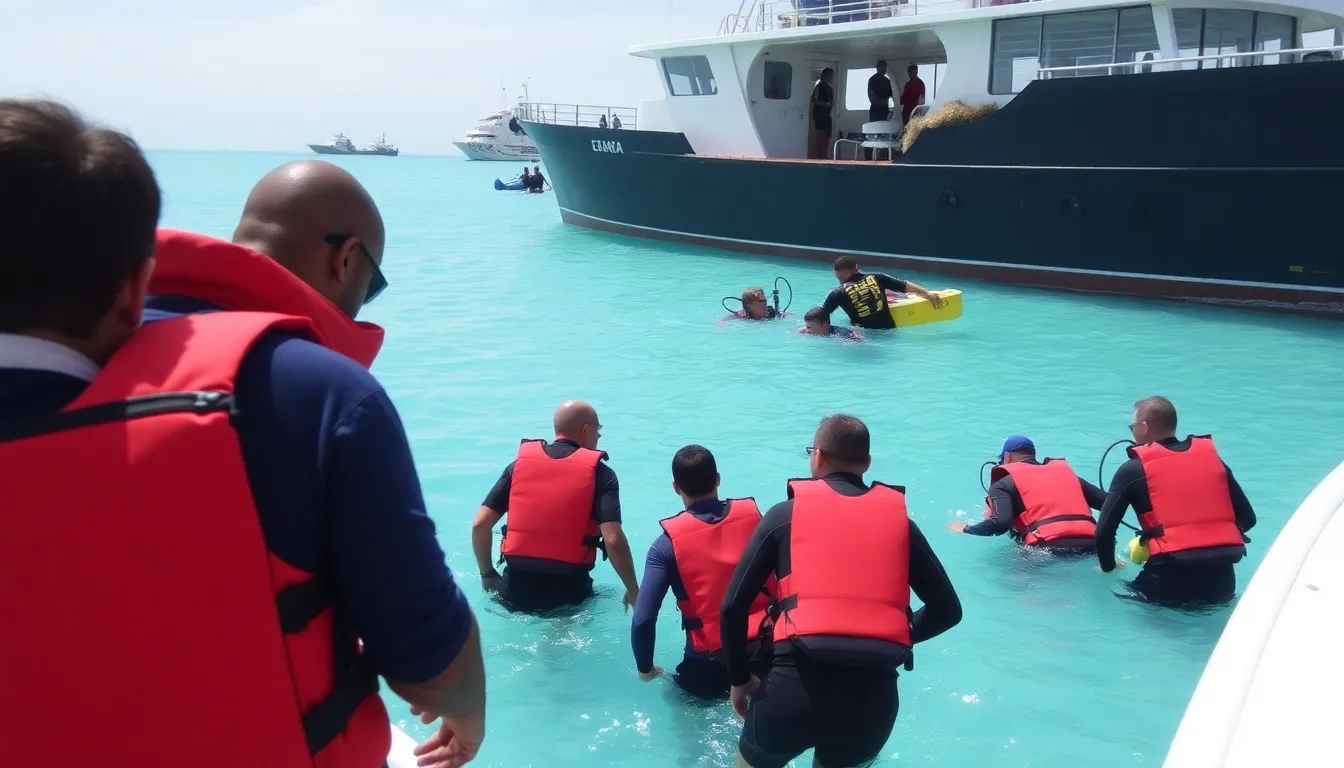
Historically, scuba diving in the Maldives gained momentum in the 1970s, coinciding with the rise of international tourism. The government recognized the potential economic benefits of promoting marine tourism and invested in infrastructure to support diving activities. This included the establishment of dive resorts and training centers, which not only catered to tourists but also helped in developing local expertise in diving operations; in a similar vein, the importance of training is discussed in another context here.
Despite its popularity, scuba diving in the Maldives is not without risks. The underwater environment can be unpredictable, with strong currents and challenging dive sites that require advanced skills and experience. Incidents involving divers, including fatalities, have occurred in the past, often highlighting the need for stringent safety measures and regulations. These incidents have prompted authorities to review and enhance diving standards to ensure the safety of both tourists and local divers.
The impact of tourism on local communities
The surge in scuba diving tourism has had profound implications for local communities in the Maldives. While it has created economic opportunities, such as jobs in diving schools and hospitality, it has also raised concerns about environmental sustainability. Overfishing and coral reef degradation due to increased human activity pose significant threats to the delicate marine ecosystem. Balancing economic growth with environmental conservation remains a critical challenge for the Maldives as it navigates the complexities of its thriving tourism sector.
Examining the safety protocols and regulations for cave diving
The tragic incident involving five Italians who died during a cave scuba diving expedition in the Maldives has raised significant concerns regarding the safety protocols and regulations governing such activities. Various stakeholders, including diving organizations, local governments, and tourism operators, have vested interests in ensuring the safety of divers while also promoting tourism in the region.
One of the primary actors in this situation is the Maldivian government, which oversees tourism and recreational activities. Their interest lies in maintaining the country’s reputation as a premier diving destination while ensuring the safety of tourists. In contrast, diving companies and instructors are focused on providing safe experiences to their clients, yet they also face pressure to attract more customers in a competitive market.
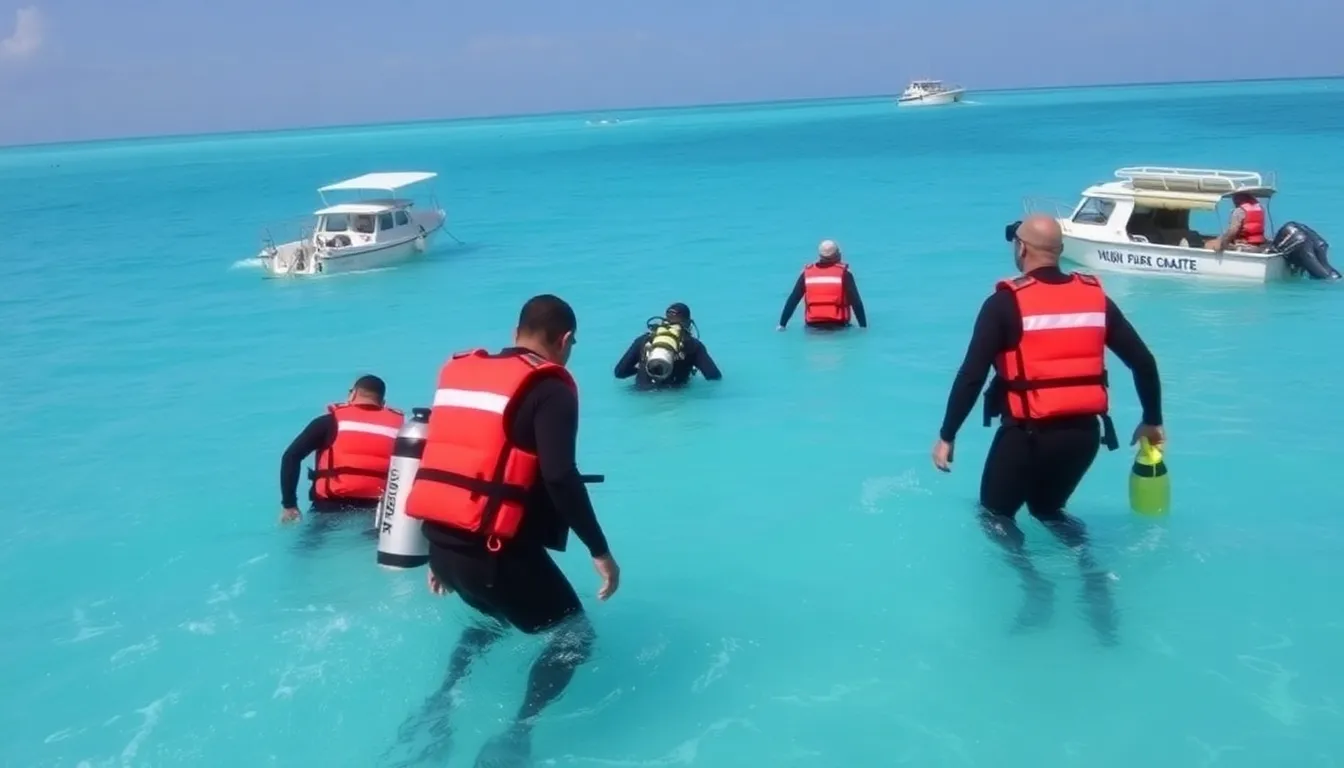
Key issues surrounding this incident include the adequacy of existing safety regulations, the training and certification of dive instructors, and the enforcement of safety protocols. The following points highlight the main conflicts and trade-offs involved:
- Regulatory Gaps: There may be insufficient regulations governing cave diving, especially in remote locations.
- Instructor Training: The level of training and certification required for instructors can vary, impacting safety standards.
- Economic Pressures: Diving companies may prioritize profitability over safety, leading to potential compromises.
- Tourism Impact: Negative incidents can deter tourists, affecting the local economy reliant on diving tourism.
- Environmental Concerns: Increased diving activity can lead to ecological damage, raising questions about sustainable practices.
As investigations proceed, it will be crucial for stakeholders to engage in open dialogue to address these issues, balancing the need for safety with the interests of the tourism industry. The outcome may lead to reforms in regulations and practices that could enhance the safety of diving activities in the Maldives and beyond.
The impact of the incident on the local diving community and tourism
The tragic loss of five Italian divers during a cave scuba dive in the Maldives has sent shockwaves through the local diving community and the broader tourism industry. This incident not only affects the families and friends of the deceased but also raises concerns about safety protocols and regulations within the diving sector. The immediate emotional impact on the local community and the diving enthusiasts is profound, prompting discussions on safety measures and emergency preparedness.
In terms of economic repercussions, the Maldivian tourism sector, which heavily relies on diving activities, may experience a short-term decline in visitor numbers. Tour operators and diving schools could face cancellations and reduced bookings as potential tourists reassess the risks associated with diving in the region. This could lead to significant financial strain on local businesses that depend on a steady influx of tourists.
On a broader scale, the incident could prompt changes in policies related to diving safety regulations. Authorities may implement stricter guidelines to ensure the safety of divers, which could affect operational procedures for diving companies. While this may initially create challenges for the industry, it also presents an opportunity for businesses that prioritize safety and can adapt to new regulations, potentially attracting a more safety-conscious clientele.
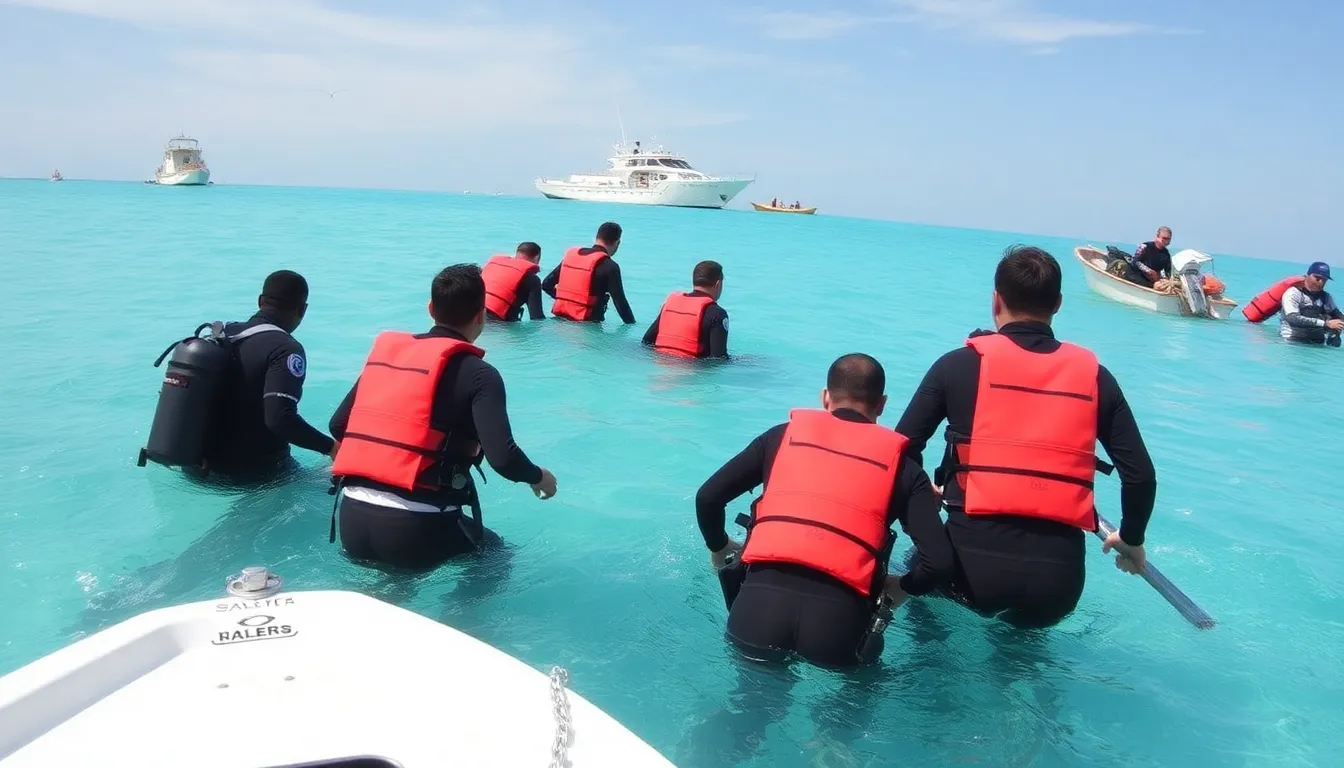
- Short-term impacts: Increased scrutiny of diving safety practices and potential decline in tourist numbers.
- Mid-term impacts: Possible regulatory changes affecting diving operations, leading to enhanced safety protocols.
- Risks: Economic strain on local businesses reliant on tourism and diving activities.
- Opportunities: Businesses that invest in safety and training may gain a competitive edge in attracting tourists.
Furthermore, the emotional and psychological impact on the local diving community cannot be understated. The incident may lead to a temporary withdrawal from diving activities among local divers and tourists alike, creating a ripple effect on social interactions and community events centered around diving. However, as the community rallies to support one another, there may also be a renewed focus on fostering a culture of safety and shared responsibility in the diving community.
A: The exact cause of the incident is still under investigation, but it is believed that challenging underwater conditions may have played a significant role. A: Unfortunately, there were no survivors among the five Italians who participated in the dive. A: The Maldives has regulations for diving operations, including mandatory safety briefings and equipment checks, but enforcement can vary. A: The local community is mourning the loss and is concerned about the implications for tourism and diving safety. A: Divers should always adhere to safety protocols, dive within their limits, and ensure they are accompanied by experienced guides.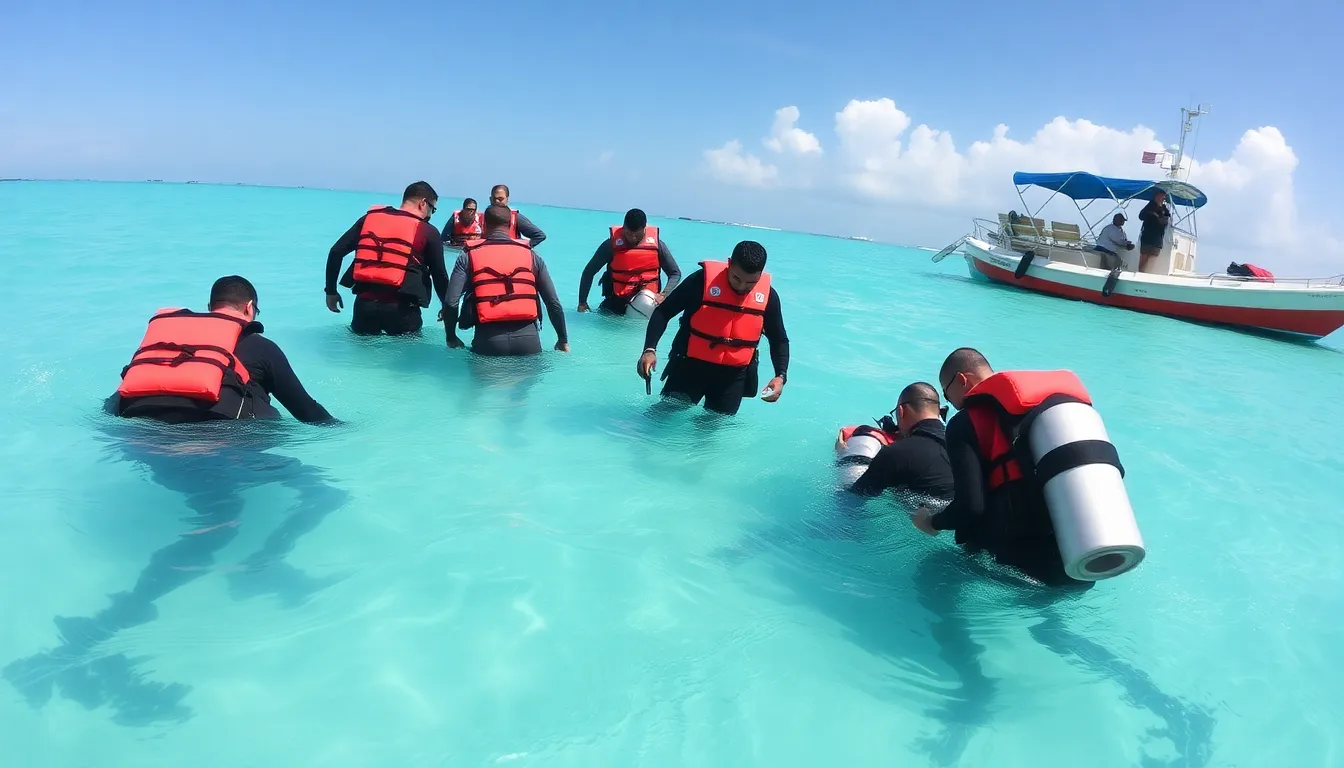
Frequently Asked Questions about the incident
Key takeaways and future implications for scuba diving safety
The tragic loss of five Italian divers in the Maldives highlights the critical need for enhanced safety protocols within the scuba diving community. As the popularity of scuba diving continues to rise, particularly in exotic locations, it becomes imperative to address the potential risks associated with this adventurous activity. This incident serves as a stark reminder of the dangers that can arise, even in well-regarded diving spots.
Moving forward, stakeholders in the diving industry, including operators, instructors, and regulatory bodies, must prioritize safety training, emergency preparedness, and adherence to best practices. By fostering a culture of safety and vigilance, the industry can work to prevent future tragedies and ensure that divers can enjoy their experiences with greater peace of mind.
- Increased emphasis on pre-dive safety briefings and risk assessments for all divers.
- Potential implementation of stricter regulations and certifications for scuba diving operators.
- Encouragement for divers to engage in regular training and refreshers on emergency protocols.
- Enhanced monitoring and reporting of diving incidents to improve safety standards across the industry.
- Collaboration between dive operators and local authorities to establish better emergency response systems.